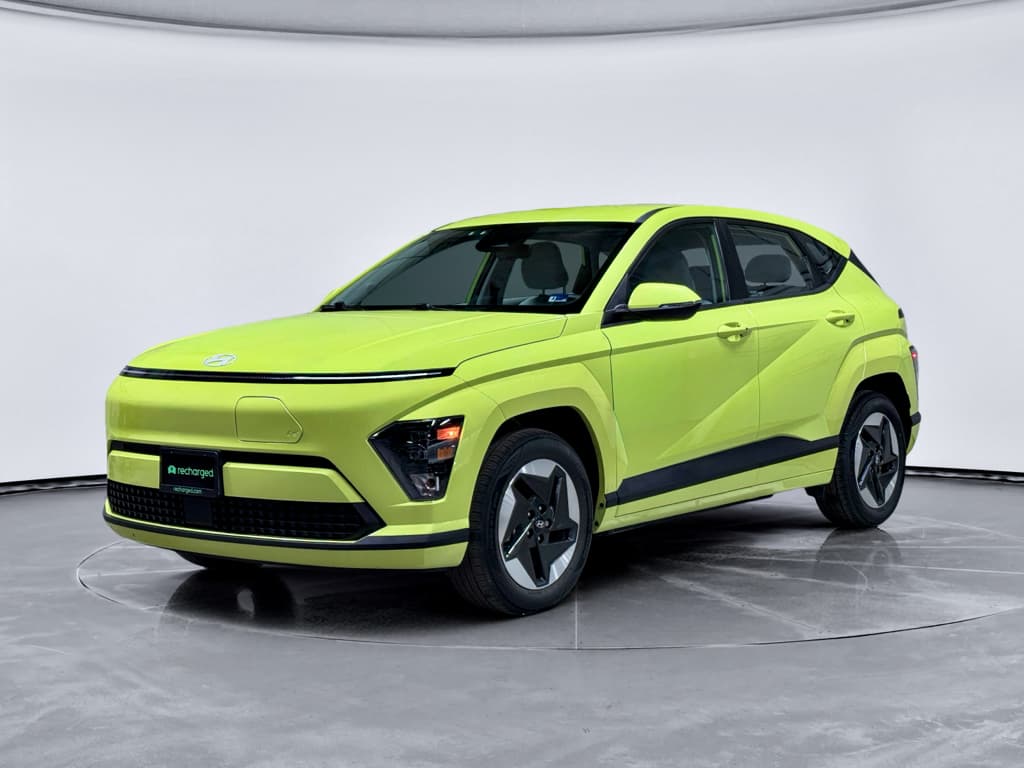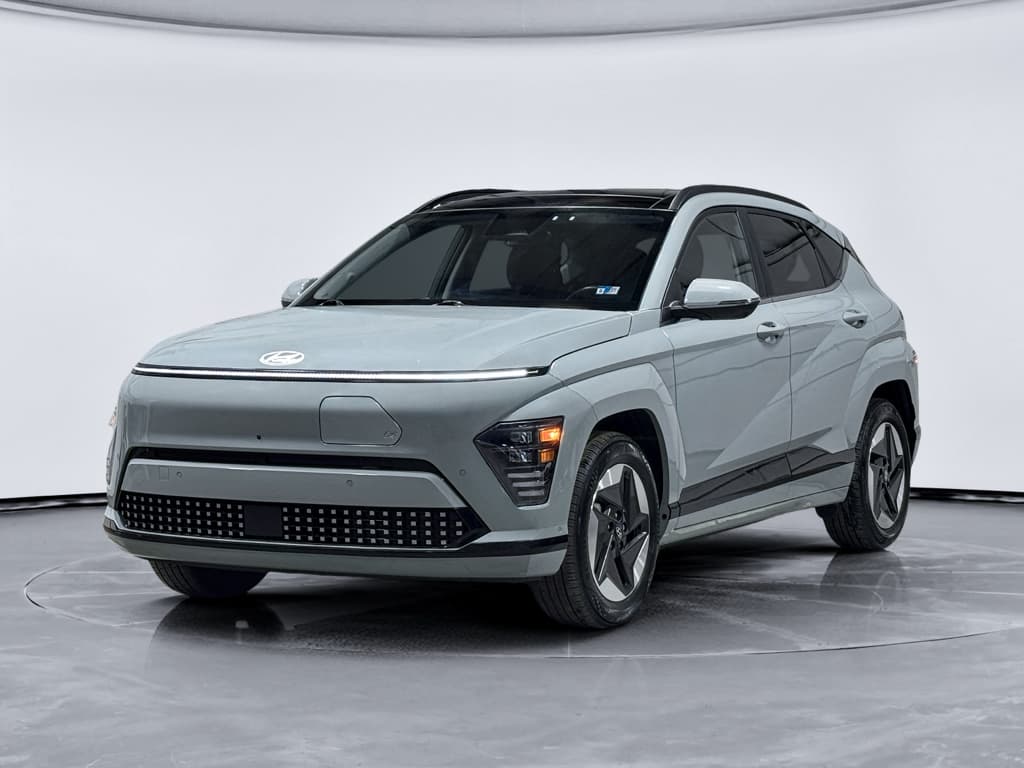
If you’re asking yourself where to sell a used Hyundai Kona Electric, you’re already ahead of most sellers. The Kona Electric is one of the stronger-resale compact EVs on the U.S. market, but what you get for it depends heavily on where and how you sell, and how clearly you can prove the battery’s health.
Good news for Kona Electric owners
Why Kona Electric Sells Differently From a Gas Kona
Buyers care most about the battery
The single biggest difference between selling a gas Kona and a Kona Electric is that EV shoppers are laser‑focused on battery health. A clean Carfax and low miles still matter, but shoppers also want to know how much real‑world range the car still has, whether it was fast‑charged heavily, and whether any battery recalls or warranty work were done.
Your choice of marketplace matters more
Traditional used‑car channels weren’t built around EV data. Some dealers and generalist online buyers still treat EVs as a pricing headache. EV‑focused marketplaces and informed private buyers, on the other hand, are often willing to pay more when they can see diagnostics and a documented service history.
Quick answer: Best places to sell a used Kona Electric
Where to sell a used Hyundai Kona Electric: at a glance
Four main channels, each with trade‑offs on price, speed, and effort.
Dealer trade-in
Best for: Convenience when you’re buying or leasing another car.
Pros: Fast, one stop, possible tax savings on the new car in some states.
Cons: Usually the lowest dollar amount; many stores still undervalue used EVs.
Online instant buyers
Best for: Quick, hassle‑light sale without private‑party headaches.
Pros: Online offers, at‑home pickup, transparent process.
Cons: Offers can lag behind true EV market trends, especially on niche models.
Private sale
Best for: Maximizing price if you’re willing to do the work.
Pros: Often the highest payout, especially for clean, low‑mile Konas.
Cons: More time, test drives, tire‑kickers, and paperwork.
EV marketplaces (Recharged)
Best for: EV‑savvy buyers and transparent battery health reports.
Pros: EV‑focused pricing, diagnostics like the Recharged Score, expert guidance, nationwide reach.
Cons: Availability varies by region and vehicle; you’ll still need to schedule an inspection.
How to use this guide
Option 1: Dealer trade-in or Hyundai store
Trading your Kona Electric at a Hyundai store or other franchise dealer is usually the fastest way to dispose of it, especially if you’re moving into a new EV or a different type of vehicle. In some states, the value of your trade can reduce the taxable price of your next car, effectively improving your net outcome even if the raw trade figure looks low.
- Typical trade‑in values for Kona Electric in early 2026 run a few thousand dollars below what similar cars retail for on dealer websites.
- The spread between what a dealer will pay you and what they’ll list the car for is commonly $2,000–$4,000, depending on recon costs and how fast they think they can sell it.
- Hyundai dealers may be especially interested if they have Kona EV shoppers waiting, or if they want EV inventory to advertise.
Watch out for battery “guessing”
Make the most of a dealer trade-in
Get 2–3 written offers
Before you say yes to your local Hyundai store, collect offers from at least one other dealer and an online car‑buying site. You don’t have to drive all over, most will at least give ranges online with your VIN and photos.
Bring your charging gear
Include the <strong>OEM charge cable</strong> and any aftermarket Level 2 charger you’re not keeping. Missing equipment is one of the easiest reasons for a dealer to deduct a few hundred dollars from your offer.
Highlight your warranty coverage
Remind the appraiser that most Kona Electric battery packs carry 8–10 years of warranty coverage. That remaining warranty is a selling point they can use, and a reason not to hammer you on range fear.
Time your visit smartly
End‑of‑month or quarter can be friendlier if the store is chasing volume bonuses. You might not move the needle thousands of dollars, but a few hundred plus favorable trade tax treatment can close the gap.
Option 2: Online car buyers (CarMax, Carvana and co.)
National buyers like CarMax, Carvana, and similar services have made it much easier to sell a car without walking into a showroom. You enter your VIN, mileage, and condition, upload a few photos, and get a no‑obligation offer that’s usually good for several days. Many will pick the car up at your driveway and handle the payoff with your lender.
What to expect from instant‑offer sites
Use instant offers as leverage
Option 3: Private sale to another EV owner
If your priority is every last dollar, selling your Hyundai Kona Electric privately is still hard to beat. Sites like Facebook Marketplace, Craigslist, Cars.com, Autotrader, and EV‑focused owner forums are where EV‑savvy buyers hunt for clean, one‑owner examples. The catch: you’re trading your time and some hassle for that extra margin.
Pros and cons of selling your Kona Electric privately
How private sale compares to trade‑in and instant‑offer sites.
| Factor | Private sale | Dealer trade-in | Online instant buyer |
|---|---|---|---|
| Sale price | Highest in most cases | Lowest, but fast | Middle of the pack |
| Time & effort | High: photos, listings, showings | Low: 1 visit | Low to medium: online forms + inspection |
| Paperwork | You handle title, bill of sale | Dealer handles | Platform handles most paperwork |
| Control over buyer | High: you choose | None | None |
| Need to detail car | Yes, strongly recommended | Recommended but optional | Moderately important |
Private‑party sale usually wins on price, but you’re doing the work a dealer or online buyer would normally do for you.
Think about safety
Option 4: EV-focused marketplaces like Recharged
General used‑car channels are catching up on EVs, but there’s still a gap: most don’t deeply understand battery health, charging history, or range expectations. That’s where EV‑specific players like Recharged come in, especially if you want transparent diagnostics and buyers who are specifically shopping for used electric vehicles.

How an EV marketplace can help you sell smarter
Recharged is built around used EVs, from diagnostics to delivery.
Verified battery health
Every EV on Recharged gets a Recharged Score Report with pack health, range estimates, and charging insights. That data helps justify your asking price and builds buyer confidence.
EV-specific pricing
Instead of treating your Kona like any other compact crossover, EV marketplaces price around actual EV transaction data, battery condition, and local demand for electric cars.
Digital, nationwide reach
Recharged combines a fully digital retail experience with nationwide delivery and an in‑person Experience Center in Richmond, VA, so your buyer doesn’t have to live around the corner.
At Recharged, you can sell or consign your Kona Electric. If you’re shopping for another EV, you can also apply for EV‑friendly financing, get an instant offer or trade‑in estimate, and lean on EV‑specialist support to navigate the process from appraisal to paperwork.
Where Recharged fits best
Ready to find your next EV?
Browse VehiclesHow Kona Electric values look in 2025–2026
Price is moving target territory, but as of early 2026, most clean Hyundai Kona Electric models in the U.S. used market sit in the low‑teens to low‑$30,000s, depending on model year, mileage, trim, and battery condition. Older, higher‑mile 2019s with average equipment land near the bottom of that range; late‑model Limited trims with low miles push the top.
Kona Electric value snapshot for sellers
Retail vs. what you’ll actually get
Battery health: The hidden lever that protects your offer
For a used Kona Electric, battery health isn’t a nice‑to‑have detail, it’s the difference between top‑of‑market offers and “we just don’t know, so we’ll play it safe.” EV shoppers know early‑build Konas had widely publicized battery recalls, and they also know a tired pack can turn a 250‑mile car into a 180‑mile car in real‑world use. The more clearly you can show that your pack is healthy, the less discount you’ll be asked to swallow.
How to prove your Kona’s battery health
- Get a battery health scan: EV‑focused shops and marketplaces can run diagnostics that estimate usable capacity and cell balance.
- Show recall and warranty paperwork: If your car had its battery replaced or updated under recall, bring the documentation.
- Document your charging habits: If you mostly charged at home on Level 2 and rarely fast‑charged to 100%, say so in your listing.
How Recharged bakes this into your sale
Every vehicle on Recharged gets a Recharged Score with verified pack health and range estimates. That report becomes part of your buyer’s listing, turning questions like “Has the battery degraded?” into concrete numbers instead of guesswork, and helping justify stronger offers for well‑cared‑for Konas.
Don’t gloss over EV recalls
Checklist: Prepare your Kona Electric before you sell
Pre‑sale prep for a smoother, higher‑value sale
1. Get a realistic value range
Use tools like Kelley Blue Book or Edmunds to get ballpark numbers for trade‑in and private party values, then compare them to real‑world listings in your region. This keeps expectations anchored in today’s market, not last year’s ads.
2. Pull your service and recall history
Print service records from your dealer portal, gather receipts for tire rotations or brake work, and confirm that all recalls are complete. This makes buyers more comfortable and gives appraisers less reason to discount your car.
3. Clean, detail, and fix the small stuff
A professional detail, fresh windshield wipers, and functioning cabin filters cost relatively little but can move your Kona from “used” to “well‑kept” in a buyer’s mind, and that’s where higher offers come from.
4. Organize charging equipment
Include both keys, your portable charge cable, and any wallbox you’re not taking with you. List these clearly in your ad or tell the appraiser; bundled equipment strengthens your pitch versus similar cars missing gear.
5. Capture honest, high‑quality photos
Shoot the car clean, in good light, from multiple angles. Document the odometer, tire tread, infotainment screen, and any cosmetic flaws. Serious buyers appreciate transparency and reward it with better offers.
6. Decide your bottom line before negotiating
Know your minimum acceptable number for each channel, trade‑in, online sale, private party, or EV marketplace, before you walk onto a lot or accept a pickup appointment. That keeps you from making decisions under pressure.
FAQ: Selling a used Hyundai Kona Electric
Frequently asked questions about selling a Kona Electric
Bottom line: Which selling route fits you?
There’s no one “best” place to sell a used Hyundai Kona Electric, only the option that best matches your priorities. If you want speed and simplicity, a dealer trade‑in or online instant buyer will move the car quickly, even if the offers are thinner. If you want to squeeze out every last dollar and you’re willing to hustle, a private sale is hard to beat. And if you want EV‑specific expertise, transparent battery health diagnostics, and buyers who already understand why the Kona Electric is appealing, an EV‑focused marketplace like Recharged can strike the balance between price and convenience.
Whichever path you choose, treat your Kona like the in‑demand EV it is. Gather your records, document the battery, clean it thoroughly, and compare multiple channels before you sign. A couple of extra steps up front can easily be worth a four‑figure difference in your final check.