If you’re wondering where to sell a used Chevrolet Bolt EUV, you’re not alone. Between steep EV depreciation, tax-credit rules, and buyers who worry about batteries, getting a fair price can feel like threading a needle. The good news: if you understand your options, and how EV buyers think, you can walk away with more money and a smoother transaction.
Key context for 2026
Why Selling a Bolt EUV Feels Different From a Gas Car
On paper, selling a Bolt EUV looks like selling any used compact crossover. In reality, EV‑specific issues shape what buyers will pay and which selling channel works best for you. Battery health, software updates, charging history, and recall status all matter more than, say, oil-change records on a gas SUV. At the same time, the Bolt EUV’s abrupt discontinuation after the 2023 model year, plus a new generation coming for the 2027 model year, has added extra volatility to resale values.
- Battery health and remaining warranty years are front-and-center for informed buyers.
- Price drops on new EVs and shifting tax credits pulled used values down faster than many owners expected.
- Some mainstream dealers still don’t fully understand EVs, which can mean lowball trade-in offers.
- EV‑savvy buyers actively search for detailed condition reports, not just photos and a Carfax.
Quick Answer: Best Places to Sell a Used Chevrolet Bolt EUV
Most Common Ways to Sell a Used Bolt EUV
Rule of thumb
Option 1: Dealer Trade-In or Selling to a Chevy Dealer
The simplest path is to trade your Bolt EUV into a Chevrolet (or other brand) dealer when you buy your next vehicle. You hand them the keys, sign the paperwork, and your Bolt is gone. The catch: simplicity usually costs you money.
Dealer Trade-In: Pros and Cons for Bolt EUV Owners
Best when you’re already buying another car and speed matters most.
Advantages
- Fast and easy: One visit, one stack of paperwork, and your Bolt is gone.
- Tax savings in many states: In trade‑in states, you only pay sales tax on the price difference between the new car and your trade.
- No strangers or test drives: The dealership handles resale risk and reconditioning.
Drawbacks
- Lower offers on EVs: Many dealers still undervalue used electric cars, especially if they don’t specialize in them.
- Limited appetite for Bolts: Some stores already feel “full” on Bolt inventory or are wary of battery recall histories.
- Little reward for good care: A well‑maintained battery or meticulous charging habits may not add much to their offer.
Leverage online offers
Option 2: National Online Car Buyers (CarMax, Carvana & Others)
National buyers such as CarMax, Carvana and similar services have become go‑to options for EV owners who want a firm offer before visiting a lot. You punch in your VIN and mileage, add a few photos, and get a number you can accept, negotiate around, or use as a bargaining chip elsewhere.
Why Bolt EUV owners like this route
- Transparent baseline price: You see a number before entering a showroom.
- Zero-pressure quotes: You’re not sitting across from a finance manager while you decide.
- Usually more EV-savvy: Big national players track EV market data and often understand Bolt pricing better than smaller local dealers.
What to watch out for
- Conditional offers: They’ll still inspect your Bolt EUV; curb rash, dents or weak tires can chip away at the quote.
- Battery questions: If your range looks low relative to mileage, expect more scrutiny.
- Convenience premium: You may still net less than with a strong private or EV‑marketplace sale.
Don’t stop at one quote
Option 3: Private Sale on Marketplaces and Classifieds
If your priority is getting every last dollar out of your Bolt EUV and you don’t mind some legwork, private sale is still the ceiling for price. You’re cutting out the middleman and selling directly to the next driver, often someone specifically hunting for an affordable, long‑range used EV.
Where Owners Commonly List Used Bolt EUVs
These are the marketplaces you’ll see most often in 2026.
General marketplaces
- Facebook Marketplace
- Craigslist
- Autotrader
- Cars.com (by-owner listings)
EV‑specific sites
- Dedicated Bolt EV/EUV listing platforms
- Regional EV club classifieds
Payment helpers
- Services that manage title and payment securely
- Local credit unions for buyer financing
Be selective about buyers
Private sales require more from you: quality photos, honest descriptions, answering range questions, and usually a test drive or two. But if you present your Bolt EUV well, especially its battery health and charging history, you can often beat dealer and national‑buyer offers by a meaningful margin.
Option 4: EV-Specialist Marketplaces Like Recharged
General marketplaces treat EVs and gas cars the same. EV‑specialist marketplaces do not, and that’s exactly why they can be powerful for a used Chevrolet Bolt EUV. Platforms like Recharged are built from the ground up for used electric vehicles, with buyers who already understand range, charging and software quirks.

What Makes an EV-Focused Marketplace Different?
Designed around the questions real EV buyers ask.
Battery health transparency
Fair market EV pricing
End‑to‑end experience
How Recharged can work for you
How Bolt EUV Depreciation Affects Where You Should Sell
The Bolt EUV has lived through a perfect storm for depreciation: aggressive price cuts on new models, large batches of ex‑rental EVs hitting the market, and shifting federal tax credits. Recent market guides show that newer Bolt EUVs often lose roughly $4,000–$5,000 per year over their first three years. That’s steeper than many comparable gas crossovers, but it also means a well‑priced used Bolt EUV is a compelling deal for the next owner.
Illustrative 3-Year Depreciation on a Chevrolet Bolt EUV
Approximate example for a Bolt EUV that originally sold near $29,000–$32,000, assuming typical mileage and good condition.
| Year of Ownership | Approx. Value Range | What Buyers Focus On | Best Selling Channel Tends to Be |
|---|---|---|---|
| Year 1 | High $20Ks | Warranty coverage, no-accident history | Trade-in or instant online offer if you’re already switching vehicles |
| Year 2 | Low–mid $20Ks | Battery health, software/recall history | EV-focused marketplaces and well-presented private sales |
| Year 3 | High teens–low $20Ks | Remaining warranty, real-world range | Private sale, EV marketplaces; national buyers as a floor price |
These are ballpark figures; your actual numbers depend on trim, mileage, options, region, and market timing.
Why this matters for where you sell
Boosting Your Bolt EUV Sale Price: A Simple Checklist
Regardless of where you sell, the same fundamentals move the needle: presentation, proof, and pricing. Here’s a straightforward checklist you can work through in a weekend to help your Bolt EUV stand out.
Pre-Sale Checklist for a Strong Bolt EUV Offer
1. Pull your service and recall history
Download or print records showing completed recall work, tire rotations, cabin filter changes, and any warranty repairs. For the Bolt EUV, buyers want to see that battery-related recalls and software updates are fully addressed.
2. Document real-world range
Charge to 100%, reset a trip meter, drive a normal mix of city/highway, and note the miles driven versus remaining range. Honest notes like “typically 230–240 miles per charge in mild weather” give buyers confidence.
3. Get a battery health report if possible
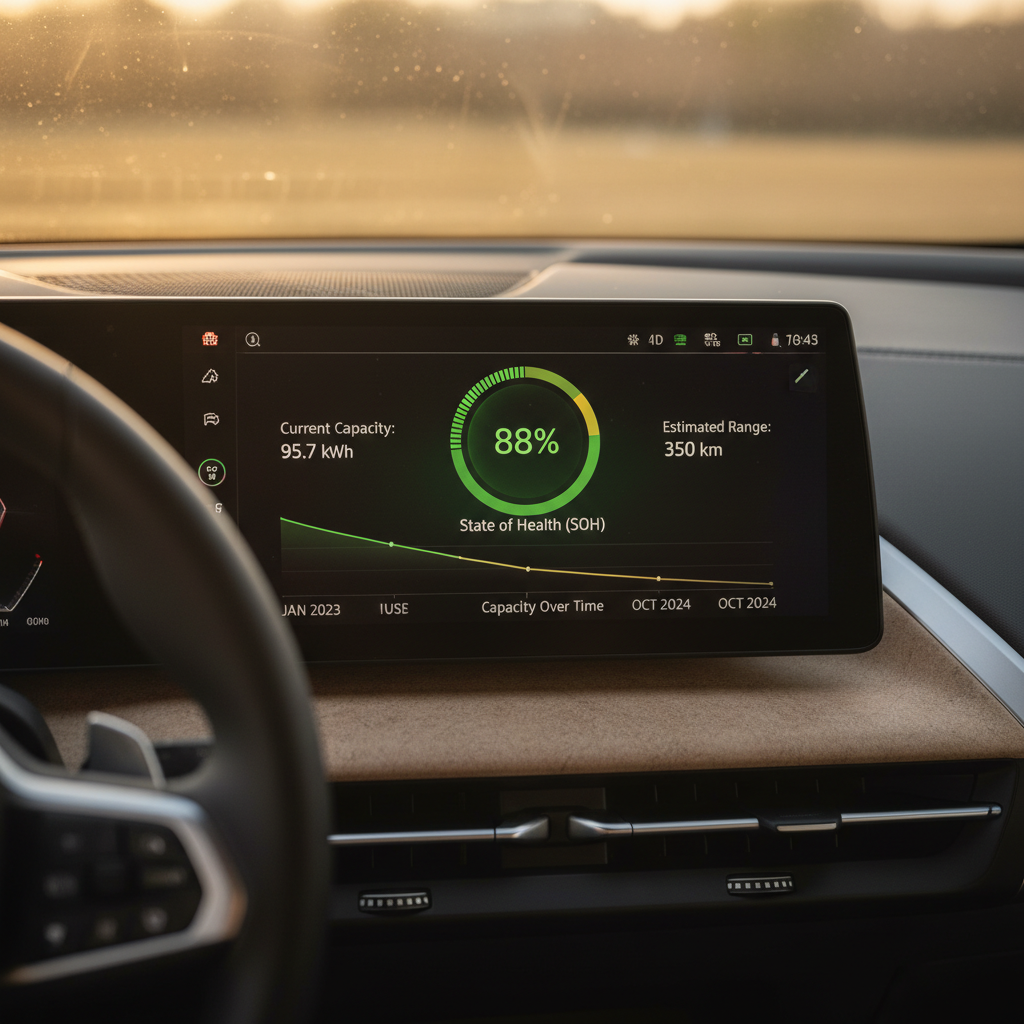
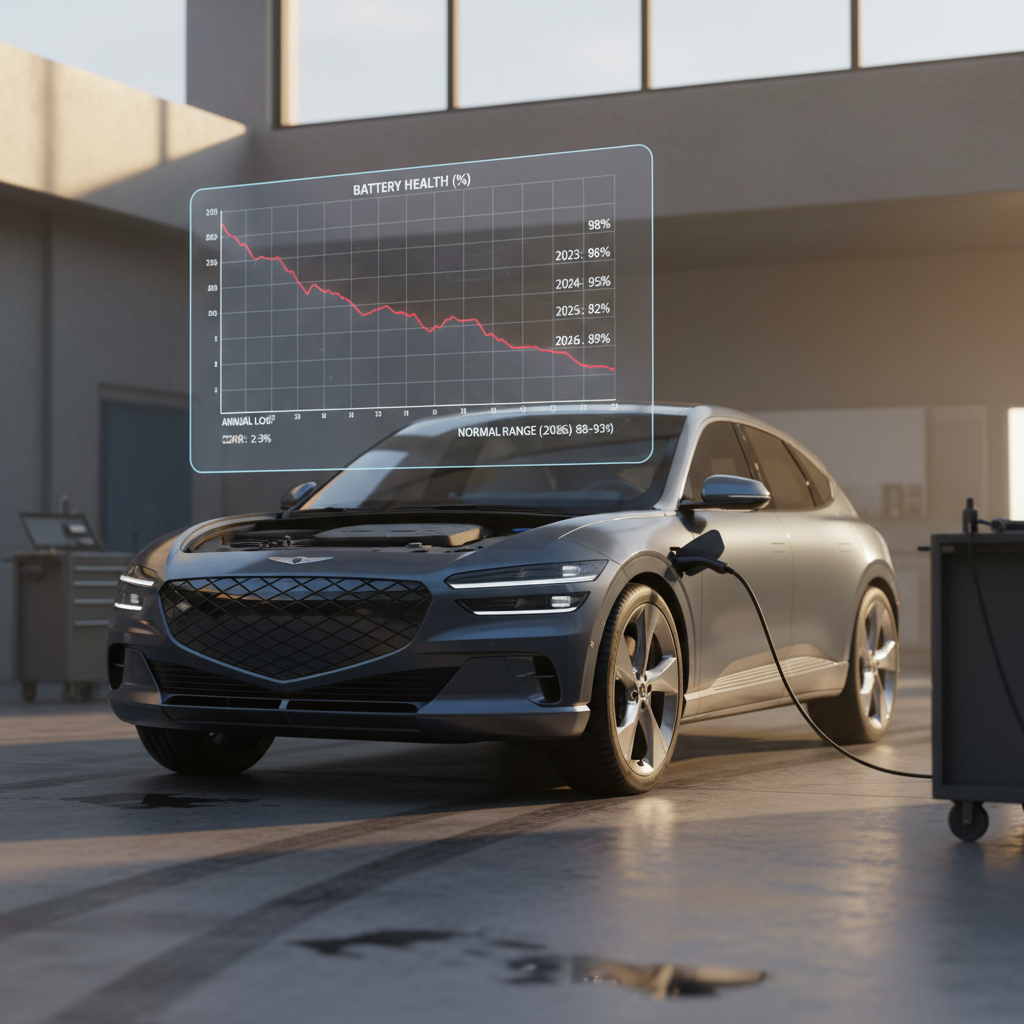
A third‑party or marketplace‑provided battery test is one of the most powerful value stories you can tell. On Recharged, this appears as part of the <strong>Recharged Score</strong>, so shoppers can compare your Bolt EUV’s battery to others at a glance.
4. Clean it like a dealer would
Have the car professionally detailed or spend a day on a thorough interior and exterior cleaning. Clean wheels, charged battery, and a tidy cargo area photograph dramatically better, and justify stronger offers.
5. Take EV‑specific photos
In addition to standard exterior and interior shots, capture the charging port, included charge cable, instrument cluster at 100% charge, and the infotainment screen showing range and software version.
6. Price against real comps, not just one source
Check multiple data points: local listings, national EV marketplaces, and pricing guides. For a Bolt EUV, consider both mileage and remaining battery warranty when setting your ask.
Timing Your Sale Around Warranties and New Models
Timing can be as important as where you list. The Bolt EUV’s factory battery warranty runs up to 8 years or 100,000 miles (from the original in‑service date) for most U.S. owners, and many shoppers use that as a mental anchor for what they’re willing to pay.
Think in terms of mileage and model cycles
- Before ~60,000 miles: Many buyers see this as the sweet spot, plenty of warranty left and depreciation already baked in.
- Before warranty expiry: Once an EV is out of battery warranty, buyers expect a meaningful discount, especially on older packs.
- New-generation impact: With a new Bolt generation announced for the 2027 model year, values of the current Bolt EUV generation may soften further as launch approaches.
When timing might matter less
- You need to shed a payment or free up cash quickly.
- Your household is changing, new job, new commute, or you’re moving somewhere with poor charging access.
- Your Bolt EUV has damage or high mileage already; in that case, getting in front of further depreciation can be more important than trying to time the absolute peak.
Watch your calendar if you used tax credits
FAQ: Selling a Used Chevrolet Bolt EUV
Frequently Asked Questions About Selling a Bolt EUV
Bottom Line: Where Should You Sell Your Bolt EUV?
If you’re simply done with your Chevrolet Bolt EUV and want quick closure, a dealer trade‑in or instant online offer will get you across the finish line with minimal friction. If you’d rather squeeze more value out of a car that’s already absorbed most of its early depreciation, private sale or an EV‑focused marketplace is where you should be looking.
The Bolt EUV is still one of the most compelling affordable EVs on the used market. That works in your favor, provided you choose the right selling channel, present clear battery and service history, and price it against realistic 2026 comps. Whether you opt for a streamlined digital sale through a service like Recharged or roll up your sleeves for a DIY private listing, the payoff comes from treating your EV like what it is: a high‑tech asset, not just another used hatchback.