If you’re wondering where to sell an electric car right now, you’re not alone. Used EV prices have swung wildly over the last two years, and many sellers discover that dealers, instant-offer sites, and private buyers all treat electric cars differently than gas vehicles. The good news: if you understand how battery health and pricing work, you can choose the right channel and avoid leaving thousands of dollars on the table.
Context: Why This Matters in 2025–2026
Why Selling an EV Feels Different Right Now
With gas cars, most dealers can glance at the odometer, scan auction data, and land on a number. With EVs, they’re suddenly juggling battery health, fast-changing tech, and a used market that’s still maturing. Many franchised dealers simply lowball EVs because they don’t know how to price them, or they’re worried about resale demand.
What the Used EV Market Looks Like Today
These dynamics don’t mean you’re doomed to a bad deal. They just mean that where you sell, and how clearly you can prove your battery’s condition, matters more for an EV than for almost any gas car.
Quick Overview: Where Can You Sell an Electric Car?
Main Places to Sell an Electric Car
Each option trades price, convenience, and risk differently.
Dealer Trade‑In
Best for: Simplicity when you’re buying another car.
- One-stop transaction
- Often the lowest price
- Many dealers still undervalue EVs
Online Instant Offer
Best for: Fast sale, no haggling.
- Quote in minutes
- Pickup at home in many areas
- Pricing algorithms may lag fast‑moving EV trends
Private Sale or EV Specialist
Best for: Maximizing value.
- Private sale = highest potential price
- EV marketplaces balance price with support
- More steps, but more control
Rule of Thumb
Option 1: Trade In Your EV at a Dealer
Trading in your electric car at a franchise dealer or independent lot is the path of least resistance. You hand over the keys, apply the value toward your next car, and let the dealer worry about resale. The downside is that many dealers still don’t know how to evaluate EVs properly, so they protect themselves with conservative offers.
Pros of Trading In Your EV
- Fast and simple: One visit, one set of paperwork.
- Tax advantage in some states: In many U.S. states you pay sales tax only on the price difference between your new car and the trade‑in.
- No stranger meetups: The dealer takes on resale risk and logistics.
Cons of Trading In Your EV
- Lower offers: Dealers often discount EVs for unknowns around battery health and resale demand.
- Limited EV expertise: Staff may not understand your car’s software, charging history, or options.
- Less flexibility: Trade‑in is usually tied to buying from that dealer.
Watch for Blanket Lowballing
Option 2: Sell to Online Car Buyers and Instant-Offer Sites
Online car‑buying platforms and instant‑offer sites promise quick quotes and free pickups. For many EV owners, they’re the first stop after a disappointing dealer trade‑in number. These services rely on pricing algorithms that increasingly understand EVs, but they still lean conservative when data is thin or battery condition isn’t verified.
How Instant-Offer Sites Typically Stack Up
Every brand is different, but these patterns are common across instant‑offer and online car‑buying platforms.
| Factor | What You Can Expect | Best For |
|---|---|---|
| Speed | Offers in minutes, sale within a few days | Busy owners who want a predictable timeline |
| Price vs Dealer | Often slightly better than a generic dealer trade‑in | Sellers in strong EV markets or with in‑demand models |
| Battery Scrutiny | May revise offer downward after in‑person inspection | Cars with incomplete service or charging history |
| Effort | Low; mostly online forms and a single appointment | Anyone who hates negotiating |
Use this as a directional guide; always compare multiple quotes for your specific EV.
How to Use Instant Offers Strategically
Option 3: Sell Your EV Privately
Selling your electric car privately, on marketplaces like Craigslist, Facebook Marketplace, or enthusiast groups, usually gives you the highest potential price. You’re cutting out the middleman and negotiating directly with the next owner. But you’re also taking on all the work: advertising, vetting buyers, arranging test drives, and dealing with payment risk.
- You write and post the listing, including photos, VIN, and battery details.
- You respond to messages, schedule test drives, and answer EV‑specific questions.
- You verify funds (cashier’s check, wire) and handle title transfer at your DMV or tag office.
- You may need to coach buyers who’ve never purchased an EV before on charging, range, and software.
Safety First With Private Buyers
Checklist: Make a Private EV Sale Work for You
Get a Battery Health Report
Before you list the car, obtain a battery State of Health report from the manufacturer, a trusted EV shop, or a service like the Recharged Score. This defuses the biggest buyer fear up front.
Gather Service and Charging Records
Download or print service history, recall documentation, and any records that show mostly Level 2 home charging rather than heavy DC fast‑charging usage.
Write an EV‑Savvy Listing
Highlight range, battery SOH, charging speed, and included equipment (home charger, adapters) in the first few lines. Assume many shoppers are first‑time EV buyers.
Set a Realistic Asking Price
Start slightly above the number you’d accept, but base it on current comps, not what you paid new. EVs from 2020–2023 in particular have seen sharp price corrections.
Screen Buyers Carefully
Ask how they plan to pay, whether they already drive an EV, and where they’re located. People who refuse a simple phone call or video chat are usually not serious.
Close the Deal Securely
Use cashier’s checks or bank wires verified in person at a bank branch. Complete title transfer immediately; don’t let the car leave your possession with plates still in your name.
Option 4: Sell Through an EV Specialist Like Recharged
Because traditional channels struggle with EVs, a growing share of owners are choosing EV‑focused marketplaces and retailers. This is exactly the niche Recharged operates in: a used EV platform built around transparent battery health, fair pricing, and modern, digital retail tools.
What an EV Specialist Can Offer That Others Don’t
Designed specifically around the realities of used electric vehicles.
Battery-First Valuations
Specialists like Recharged center your car’s value around a verified battery health report instead of just mileage and age.
- Recharged includes a Recharged Score battery diagnostic on every vehicle it sells.
- That same data can support a stronger selling price.
Multiple Ways to Sell
Rather than forcing you into one path, Recharged offers:
- Instant offer for a quick sale
- Trade‑in toward a different EV
- Consignment/marketplace listing where Recharged markets your car and handles buyer interactions
Recharged operates as a digital‑first retailer and marketplace, with EV‑specialist support and a physical Experience Center in Richmond, VA. Whether you want an instant offer, a trade‑in toward another EV, or a higher‑return consignment approach, you get people who understand range, charging standards, tax incentives, and the realities of EV depreciation.
Why Many Sellers Choose an EV Specialist
Ready to find your next EV?
Browse Vehicles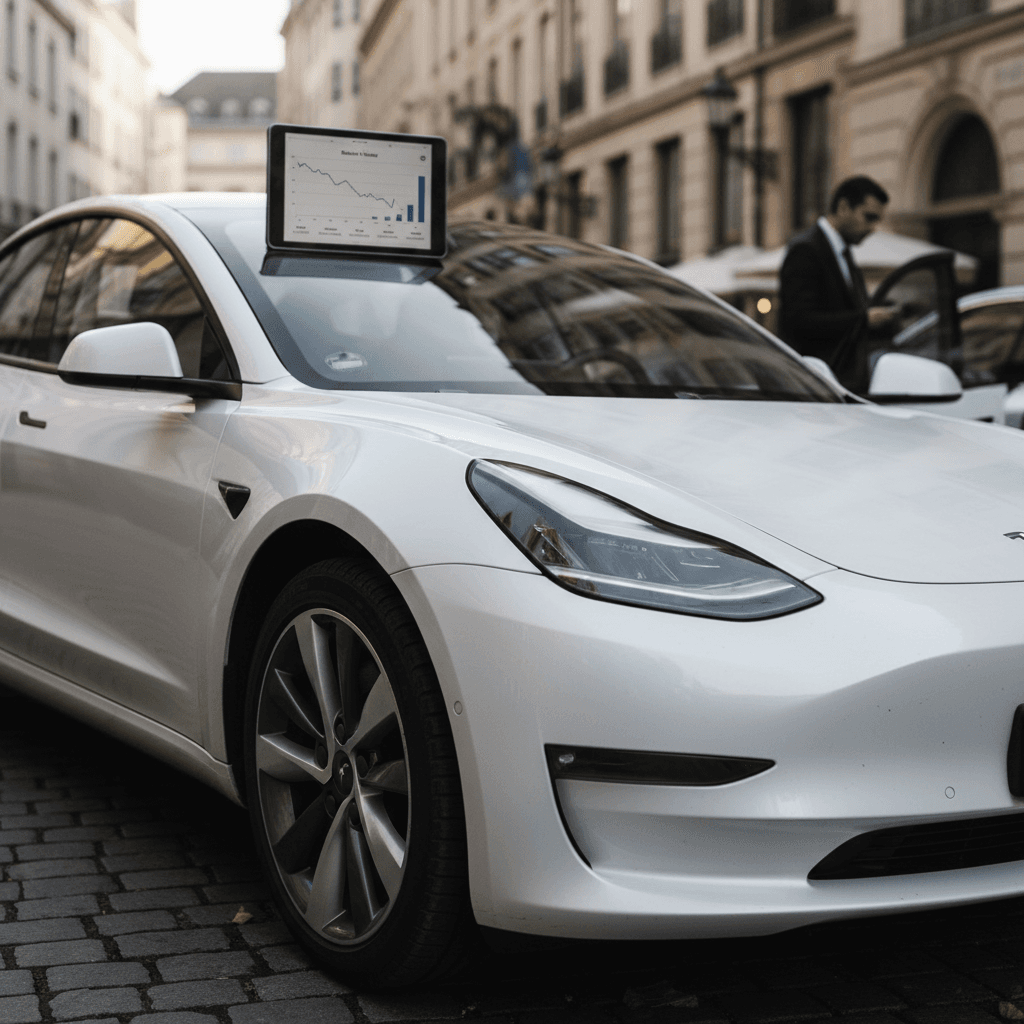
How Battery Health and Pricing Trends Affect Where You Should Sell
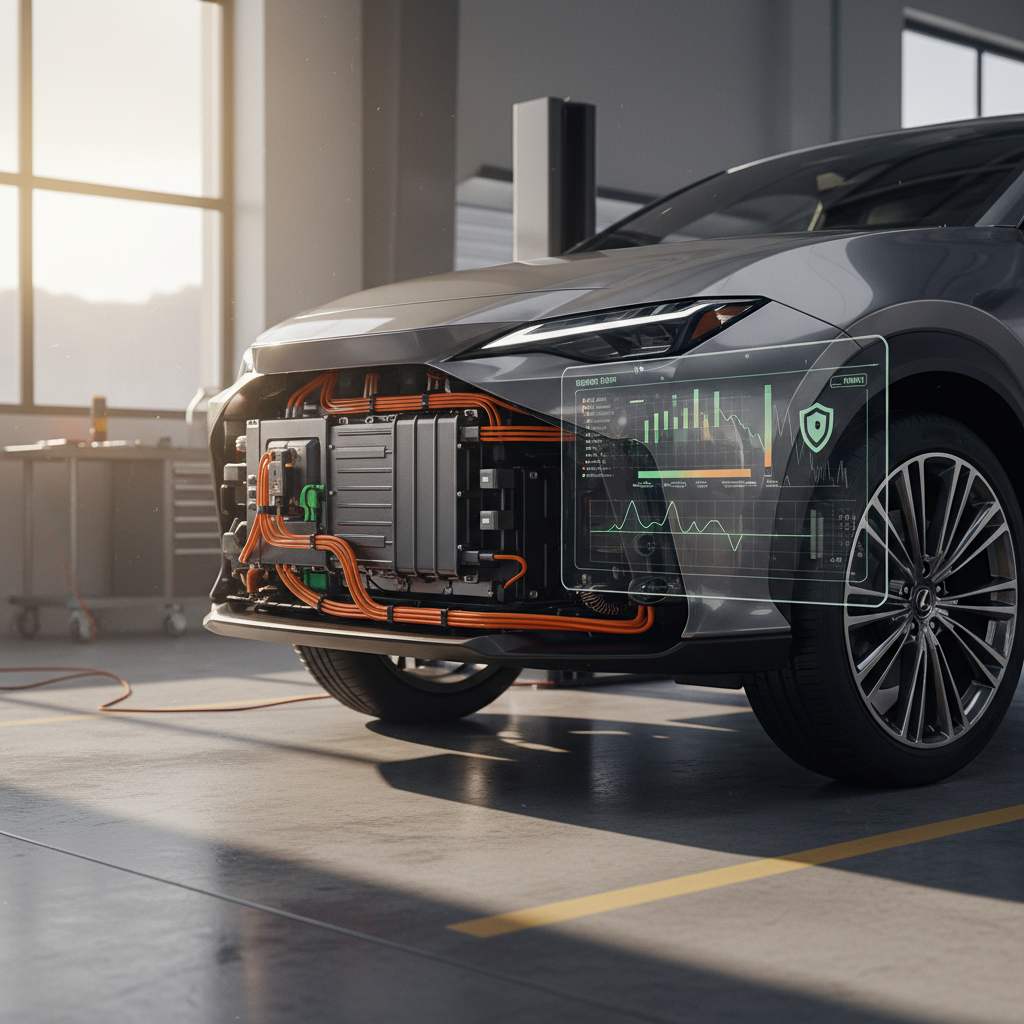
For EVs, battery health is the new mileage. Most buyers are comfortable with normal degradation, say a battery at 85–90% of original capacity after a few years, but they get nervous when they can’t see any numbers at all. At the same time, price cuts on new EVs and shrinking tax credits have pushed used prices down, especially on 2020–2023 models.
If Your Battery SOH Is Strong (85–90%+)
- You have leverage. Few sellers can actually prove great battery health.
- Private sale or EV specialist listing can convert that proof into a higher sale price.
- Make the SOH number and range front and center in your listing.
If Your Battery SOH Is Marginal (<80%)
- Traditional buyers may heavily discount the car or walk away.
- Dealer trade‑in or instant‑offer sites may be less painful than repeated failed private showings.
- An EV specialist can help frame realistic pricing and set buyer expectations.
Don’t Anchor on What You Paid New
Step-by-Step: Choosing the Best Place to Sell Your EV
Roadmap: From “I Want to Sell” to Money in the Bank
1. Get the Facts on Your Car
Collect your VIN, mileage, trim level, options, charging equipment, and, most important, a battery health report if you can. Note any remaining warranties.
2. Research Realistic Pricing
Look up comparable listings by model year, mileage, and region on major marketplaces. Focus on recent sales, not just ambitious asking prices.
3. Get Baseline Offers
Visit at least one dealer and 1–2 instant‑offer sites. These numbers form your baseline: you should rarely accept less than the best of them.
4. Decide Your Priority: Time vs Money
If you need the car gone this week, lean toward instant offers or trade‑ins. If you can wait 2–6 weeks to maximize value, consider private sale or an EV specialist consignment.
5. Choose Your Channel
Match your situation to the options:
Debt or lease payoff issues? Lean on structured buyers (dealer, EV marketplace).
Clean title and great battery? Private sale or EV specialist may be best.
6. Execute Cleanly
Whichever route you choose, double‑check payoff amounts, remove personal data from the car, unpair apps, and keep all documents (bill of sale, payoff letters, title receipts).
Frequently Asked Questions About Where to Sell an Electric Car
Common Questions When Deciding Where to Sell Your EV
Bottom Line: Where Should You Sell Your Electric Car?
There’s no single “best” place to sell an electric car, only the place that best matches your battery health, timeline, and risk tolerance. Dealer trade‑ins and instant offers win on convenience but usually lose on price. Private sales and EV‑savvy marketplaces can unlock more value, especially if you can document strong battery health and are willing to be patient.
If you want help threading that needle, an EV specialist like Recharged can be a powerful ally. With services like the Recharged Score battery health diagnostic, fair market pricing, financing support for buyers, and nationwide delivery, Recharged is built to make selling, and buying, a used EV far more transparent than the legacy dealer model. Wherever you decide to sell, go in with data, multiple offers, and clear priorities, and you’ll navigate this evolving used‑EV market on your own terms.