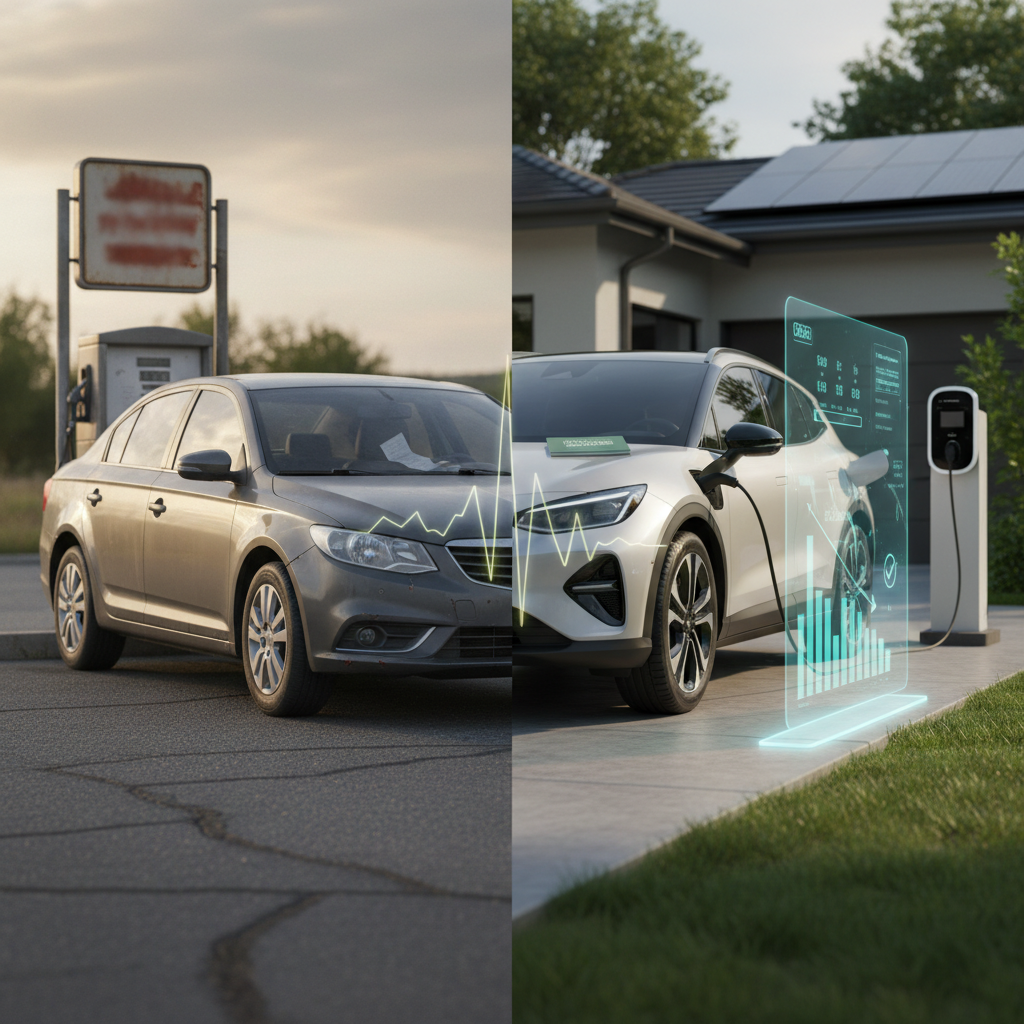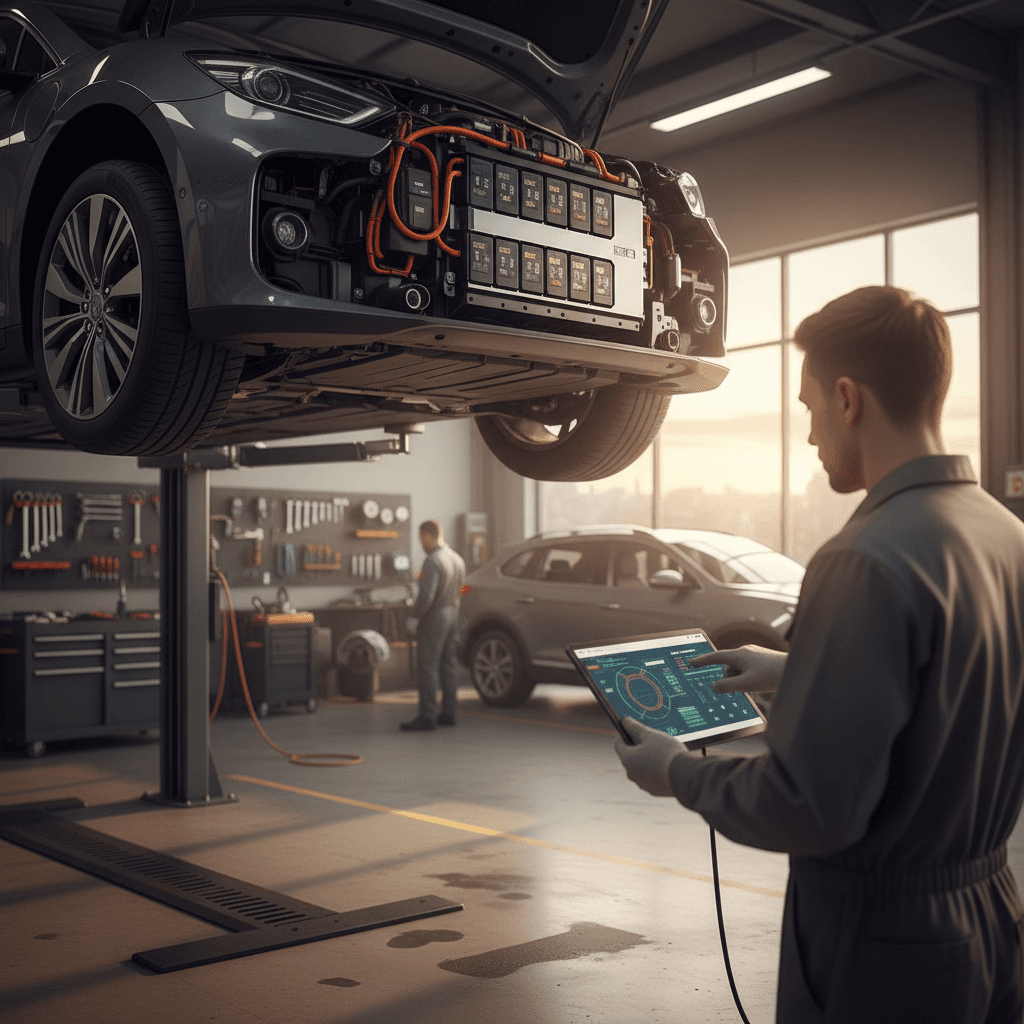
You type “where to get my car fixed near me” into your phone for a reason: something’s wrong, you’re busy, and you do not want to get taken for a ride. The good news is you have more options than ever, dealers, independents, mobile mechanics, collision centers, and (if you drive electric) EV‑specialist shops. The trick is matching the problem with the right kind of help, fast.
Why search phrasing matters
How to think about “car repair near you” in 2025
Before you pick a shop from the top of the map, pause for thirty seconds and answer two questions: How serious is the problem? and what kind of vehicle do I drive? Those two answers will narrow the field from “hundreds of places near me” to a short, sensible list.
First, decide how urgent the repair really is
This helps you choose between dealer, independent, mobile, or emergency service.
1. Safety emergency
Symptoms: Brake pedal to the floor, steering loss, car won’t stay running, burning smell, fluid pouring out.
Priority is towing and safety. Search for “towing and auto repair near me” or “24 hour mechanic near me,” and don’t drive the car.
2. Driveable, but worrying
Symptoms: Check‑engine light, odd noises, slipping transmission, intermittent starting issues.
You generally want a full-service repair shop or dealer that can diagnose and estimate before you commit.
3. Routine maintenance
Needs: Oil change, tires, brakes, fluids, filters.
Here you can shop mainly on price, convenience, and reviews, good independents and chains are often cheaper and faster than the dealer.
Tell the shop this one thing
The main places to get your car fixed near you
Almost every “car repair near me” result falls into one of five buckets. Each has strengths and weaknesses. Knowing which is which keeps you from overpaying, or under‑repairing.
Where to get your car fixed: quick comparison
Use this cheat sheet before you book an appointment.
| Option | Best For | Pros | Cons |
|---|---|---|---|
| Dealership service department | Warranty work, recalls, complex brand-specific issues | Brand-trained techs, genuine parts, easy warranty handling | Usually higher prices, longer wait times, may push add-ons |
| Independent repair shop | Most out-of-warranty repairs and maintenance | Often lower labor rates, flexible on parts, strong local reputation | Quality varies, need to check reviews and certifications |
| National chains (tires, brakes, oil) | Routine maintenance, basic repairs | Fast appointments, coupons, nationwide warranties | Hit-or-miss quality, less ideal for tricky diagnostics |
| Mobile mechanic | Simple repairs at home or work | Super convenient, no waiting room, transparent quotes online | Limited heavy repairs, weather and daylight dependent |
| Collision/body shop | Accident damage, paint, frame work | Insurance-friendly, structural repairs, paint match | Not ideal for mechanical issues like misfires or ABS lights |
Match the type of shop to the kind of problem you have.
Dealership service departments
If your car is still under factory warranty, or you’re dealing with a recall or a brand-specific technical bulletin, the dealer is often the right first stop. They have the latest software updates, specialized tools, and factory training.
They’re also your safest bet for complex electronic or driver-assist problems, adaptive cruise, lane-keeping alerts, or infotainment bugs.
Independent and local shops
A solid independent shop is the sweet spot for most drivers: fair price, straight talk, and the ability to work on multiple brands. Thanks to right‑to‑repair rules and modern scan tools, good independents can handle anything from brakes and tires to engine and hybrid work.
Look for ASE‑certified techs, strong local reviews, and clear communication about estimates and warranties.
Good news for your choices
Other “near me” options that might fit your life better
Don’t overlook these when you’re short on time.
Mobile mechanics
Perfect when the car is stuck in your driveway but the problem isn’t huge: batteries, starters, spark plugs, oil leaks, hoses, and more.
Search for “mobile mechanic near me” and compare upfront quotes and reviews.
Collision repair centers
If you’ve had a crash, even a minor one, start with a collision or body shop, not a general mechanic. They can coordinate with insurance and check for hidden structural damage.
Specialty shops
Have a European car, performance build, or high-mileage EV? You may be better off with a shop that focuses on your brand or system: BMW specialists, transmission shops, or EV battery experts.
Where to get my car fixed near me, by problem type
You don’t have to be a mechanic to steer your car to the right driveway. Focus on the symptom, then match it to the shop type that sees that problem all day long.
Match your symptom to the right shop
1. Dash lights and driveability issues
Check‑engine light, rough running, stalling, or transmission slip? Look for a <strong>full-service independent shop or dealership</strong> that lists diagnostics on its site. Avoid quick-lube chains for this, they’re not set up for deep troubleshooting.
2. Brakes, tires, and suspension
Squealing brakes, vibration at speed, or clunks over bumps usually point to wear parts. <strong>Independent repair shops and tire/brake chains</strong> are often the best value. For EVs, confirm they understand regenerative braking and heavier vehicle weights.
3. Oil leaks, cooling, and routine fluids
For leaks, overheating, or maintenance reminders, most <strong>general repair shops</strong> can help. Ask up front if they follow your vehicle’s specific oil spec and coolant type, especially on turbo and hybrid cars.
4. Electrical gremlins and infotainment
Dead screens, camera failures, ADAS warnings, and keyless-entry issues often require <strong>dealer-level diagnostics</strong>, especially on newer cars loaded with software. For older cars, an experienced independent with strong electrical reviews can be fine.
5. After a collision or fender-bender
Even low-speed hits can tweak structure or sensors. Start with a <strong>collision repair shop</strong> that works with your insurer. They can involve a mechanical specialist if needed.
6. EV-specific problems
For battery, charging, or high-voltage issues, you want <strong>brand-certified EV service</strong> or an independent EV specialist. We’ll dig into that more in the next section.
Don’t mix up collision and mechanical repair
How to quickly vet a repair shop near you
Once you’ve narrowed the list to a few options near you, spend five quiet minutes doing what most people skip: actually vetting the shop. That’s where you save real money and hassle.
- Search the shop’s name plus “reviews” and read the most recent ones, not just the star rating.
- Look for photos of the actual facility, clean bays and organized tools say a lot.
- Check for certifications like ASE, I-CAR (for body shops), or hybrid/EV training badges.
- Confirm they work on your specific make and drivetrain (gas, hybrid, EV).
- Call and ask for a rough idea of diagnostic fees and how they communicate estimates.
Fast trust signals when you’re choosing a shop
How to ask about pricing without sounding suspicious
Special considerations for EV owners
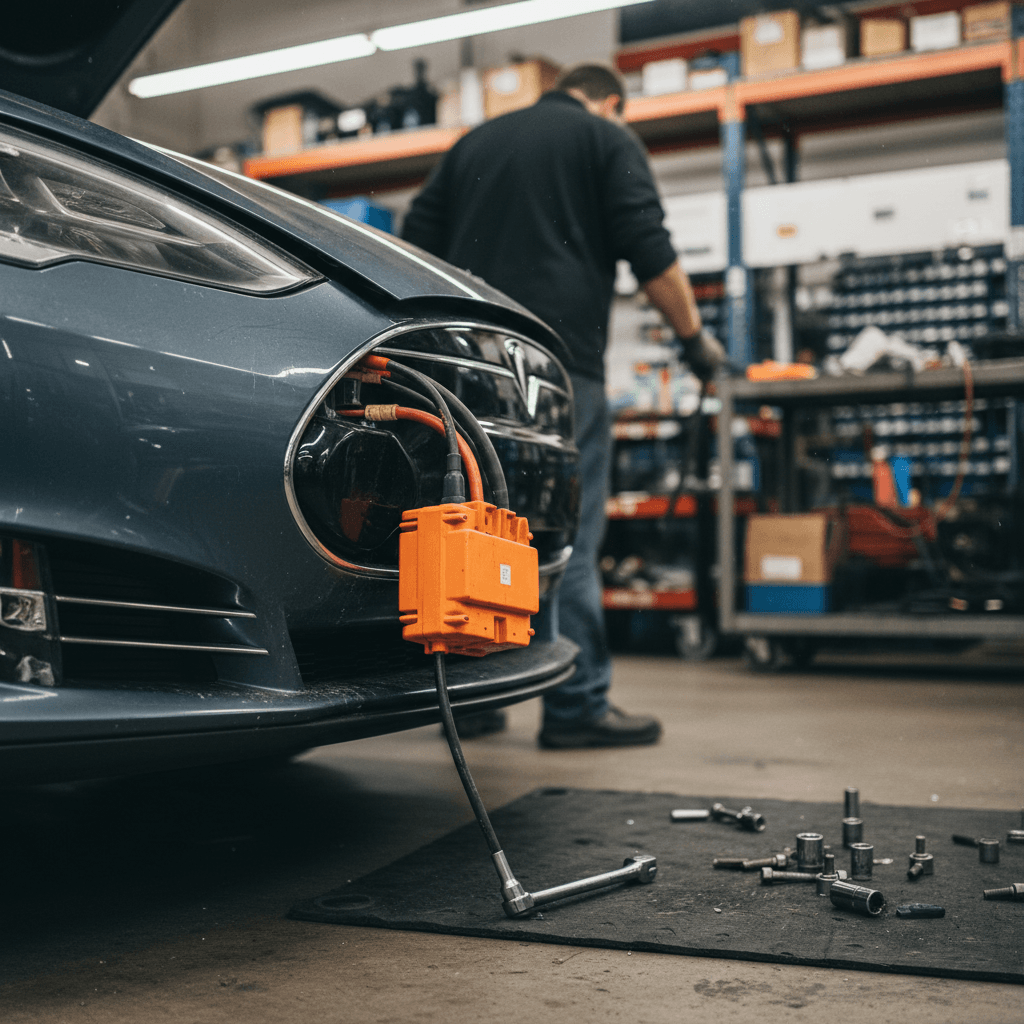
If you drive an electric vehicle, “where to get my car fixed near me” gets more complicated. EVs need less routine service, but when something does go wrong, especially with the battery or high‑voltage system, you want people who know exactly what they’re doing.
What most good shops can handle on an EV
- Tires, brakes, and suspension (with EV‑appropriate torque specs and lift points).
- Cabin filters, wiper blades, basic HVAC work.
- Some steering and suspension diagnostics.
- Body and paint work at qualified collision shops.
For these jobs, your vetting process is similar: reviews, certifications, and a clear estimate. Just confirm they’ve worked on your EV brand before.
When you need EV specialists or the dealer
- Battery health, range loss, or charging problems.
- High‑voltage component replacement (inverters, DC‑DC converters, onboard chargers).
- Software updates, recalls, or warning lights specifically tied to the battery or charging system.
- Anything that involves opening the battery pack.
Here you want brand-certified service or a shop that advertises EV‑battery expertise. The training and safety equipment matter as much as the wrenches.
How Recharged fits into EV repair decisions
“EV repair near me”: who to call for what
Use this as a starting point when you’re staring at an EV warning light.
Charging issues
Can’t fast‑charge, home charger keeps tripping, or public chargers won’t start sessions? Start with your EV brand’s service center or a known EV specialist. Sometimes the fix is software, sometimes it’s hardware.
Range suddenly drops
If your range has fallen off a cliff, get a battery health assessment. For Recharged vehicles, your Score report gives you baseline data; if things change dramatically, it’s time for a high‑voltage expert.
Everything else feels “car normal”
Clunks, squeaks, tire wear, alignment pulls? A competent independent shop or tire/brake chain can usually handle it, just confirm they know EV jack points and torque specs.
Paying for repairs and protecting yourself
Once you’ve found the place to get your car fixed near you, the next question is how to pay for it, and how to avoid surprises on the bill.
Always get a written estimate
Your estimate should list:
- Diagnostic fee (if any).
- Parts and labor, separately.
- Shop supplies or fees.
- Taxes and an approximate total.
You have the right to ask the shop to call you before doing any work beyond that estimate. Say it out loud and look for a note on the work order.
Financing, warranties, and big decisions
For major repairs, engines, transmissions, battery packs, it’s smart to pause and compare the cost of fixing versus replacing the car.
If you’re already in EV territory, Recharged can help you run those numbers. You can:
- Get an instant pre‑qualification for another EV with no impact to your credit.
- Request a trade‑in or instant offer if you’d rather move on than sink money into a failing vehicle.
- Compare fair‑market pricing on used EVs with verified battery health.
Never agree to these without questions
Common mistakes to avoid when getting your car fixed
- Choosing the first “near me” result without checking reviews or certifications.
- Driving a car that clearly isn’t safe, like no brakes or severe overheating, to save on a tow.
- Approving extra work over the phone without asking for an updated estimate.
- Letting a quick‑lube shop tackle complicated diagnostics they’re not equipped for.
- Ignoring EV‑specific needs and letting a shop improvise on high‑voltage systems.
- Skipping the test drive with the technician if you can’t easily describe the symptom.
Your gut is a tool, too
FAQ: Finding the right place to fix your car near you
Frequently asked questions about “car repair near me”
Bottom line: The smartest way to get your car fixed near you
When you search for “where to get my car fixed near me,” you’re really asking two questions: who can fix this problem correctly, and who can I trust? Start by judging the urgency, then pick the type of shop that handles that kind of work every day. Spend five minutes on reviews and a quick phone call, insist on a clear written estimate, and walk away from anyone who can’t explain their recommendations in plain language.
If you drive, or are considering, a used EV, the stakes are higher but so are the tools. A verified battery health report, like the Recharged Score that comes with every vehicle on Recharged, turns mystery into math. Combined with expert EV guidance and flexible financing, it helps you decide with confidence whether to fix the car in your driveway or move into an electric upgrade that fits your life, and your budget.