You type “where is Tesla located” and get a blizzard of answers: California, Texas, Berlin, Shanghai. They’re all right, and all incomplete. In 2025, Tesla is an Austin‑based company with a truly global footprint, and if you own or want a Tesla, understanding that map actually matters.
Quick takeaway
Tesla at a glance: the short answer
Tesla’s footprint in 2025 (high level)
If all you wanted to know is the mailing‑address version of “where is Tesla located,” the answer is simple: Austin, Texas. But Tesla is also Fremont and Sparks and Shanghai and Berlin. Think of Tesla less as a single point on a map and more as a constellation of factories, offices, and charging sites that collectively keep your car, or your next car, moving.
Where is Tesla’s headquarters located?
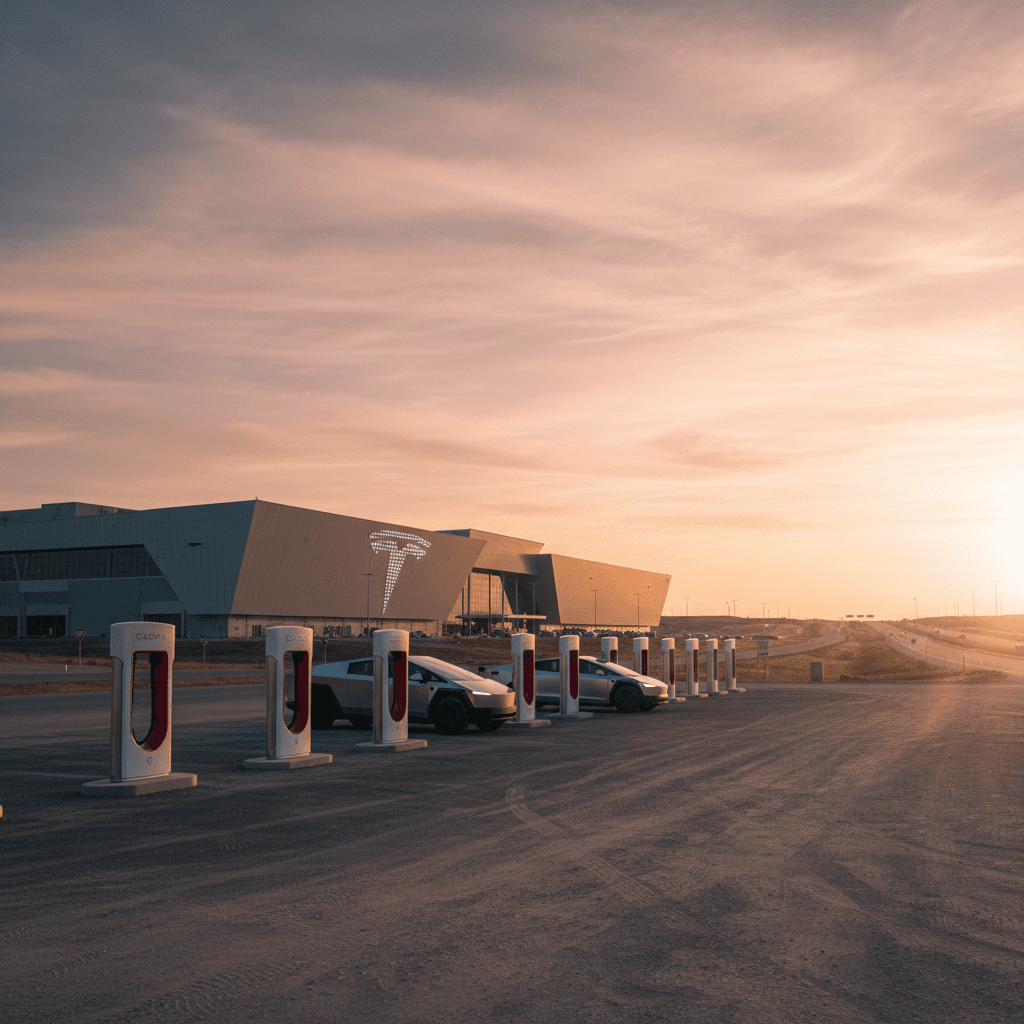
Since late 2021, Tesla’s global corporate headquarters has been in Texas. Musk and company packed up the old Silicon Valley HQ in Palo Alto and shifted the center of gravity about 1,700 miles southeast to Austin.
Tesla’s current and former headquarters
Use this as your mental cheat sheet when someone at a party insists Tesla is “still a California company.”
| Period | Role | City & State | Notes |
|---|---|---|---|
| 2003–2010 | Early offices | San Carlos & others, CA | Startup years, small offices around Silicon Valley. |
| 2010–2021 | Corporate HQ | Palo Alto, CA | Iconic tech‑corridor headquarters era. |
| 2021–present | Global HQ | Austin, TX | Headquarters now at or adjacent to Gigafactory Texas. |
Tesla’s corporate HQ moved but its California engineering roots remain important.
Don’t confuse HQ with engineering
For job seekers and investors, “Austin” is the answer you put on the form. For owners and shoppers, the more interesting story is where the metal is actually bent and the batteries are made.
Where are Teslas actually built? Major factories worldwide
Tesla doesn’t run one mega‑plant; it runs a network of Gigafactories and legacy plants. Each one has its own personality and product mix, and odds are your current or future car’s VIN can be traced back to one of these sites.
Tesla’s major U.S. factories
From California roots to the Texas colossus.
Fremont Factory – Fremont, California
What it is: Tesla’s original high‑volume vehicle plant, carved out of a former GM/Toyota facility.
- Builds: Model S, Model X, and a large share of Model 3/Model Y for North America.
- Why it matters: If you’re shopping an older used Tesla, especially S or X, it almost certainly came from here.
Gigafactory Texas – Austin, Texas
What it is: Tesla’s flagship site, massive factory and global HQ rolled into one on the Colorado River’s edge.
- Builds: Model Y for the eastern U.S., Cybertruck, and future next‑gen models.
- Why it matters: This is the center of gravity for Tesla’s future products and, increasingly, its corporate decisions.
Gigafactory Nevada – Sparks, Nevada
What it is: Battery and powertrain campus outside Reno.
- Builds: Battery packs, drive units, and energy storage products.
- Why it matters: The health of this site is directly tied to long‑term battery supply and serviceability for used Teslas.
Other U.S. sites
What they are: A scattering of facilities for assembly, parts, and energy products.
- Example locations: Lathrop (CA) for Megapack, Buffalo (NY) for solar and energy products.
- Why they matter: Less visible to owners but critical to Tesla’s energy business and, indirectly, to brand stability.
Tesla’s major non‑U.S. factories
The plants that make Teslas feel local in Europe and Asia.
Gigafactory Shanghai – Shanghai, China
Builds Model 3 and Model Y primarily for China and other Asian and European markets.
Why you care: Many Teslas in Europe and some in other regions are Shanghai‑built, check the VIN if you’re buying used.
Gigafactory Berlin‑Brandenburg – Grünheide, Germany
Builds Model Y for Europe and continues to ramp volume.
Why you care: European buyers increasingly get German‑built cars, which can affect delivery timing and specs.
Future and smaller sites
Tesla continues to scout and announce new facilities for vehicles, batteries, and energy storage.
Why you care: New factories can change which region supplies your car, parts, and service down the line.
Where you’ll actually see Tesla day to day: stores, service, Superchargers
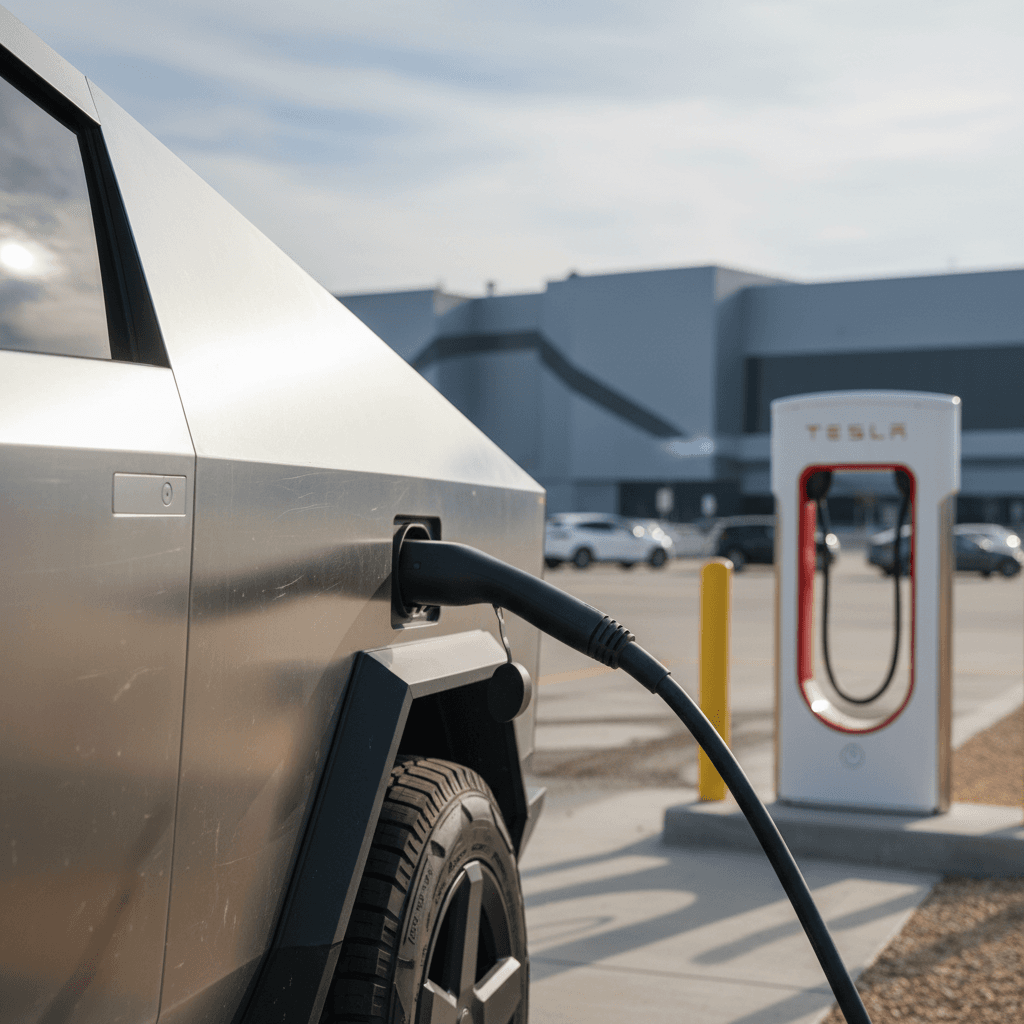
Headquarters and factories make the headlines, but as an owner you mostly interact with stores, delivery centers, service centers, and Superchargers. These are scattered far more broadly than the heavy‑industry sites.
Stores & delivery centers
- Location pattern: Malls, high‑traffic retail corridors, and standalone delivery hubs.
- What you do there: Test‑drive, configure, and often pick up new or CPO Teslas.
- What to know for used buyers: Even if you purchase through a marketplace like Recharged, you may still visit Tesla service or delivery locations for software fixes or recalls.
Service centers & mobile service
- Location pattern: Industrial parks and auto‑row districts just outside city cores.
- What you do there: Hardware repairs, warranty work, body and paint referrals.
- Mobile service: In many markets, Tesla techs can handle simpler issues in your driveway.
Superchargers: Tesla’s real public face
Why Tesla’s locations matter if you own or want a Tesla
Knowing where Tesla is located isn’t just trivia for the EV‑obsessed. It has practical implications for how easy your car is to live with, how quickly you can get it fixed, and how confident you feel buying used.
How Tesla’s geography affects you
Three ways the map shows up in your ownership experience.
Service access
Living near a Tesla service center or mobile‑service region can turn a warranty issue from a major headache into a quick appointment.
If you’re shopping used, check where the nearest Tesla service location is, not just the nearest Supercharger.
Delivery timing
Where your nearest port or factory is can influence how long it takes to get a vehicle built the way you want.
In the U.S., East‑coast buyers are increasingly supplied from Austin; West‑coast buyers still lean heavily on Fremont.
Battery and parts supply
Batteries and power electronics come from a small number of plants.
Healthy throughput at Nevada, Texas, and Shanghai generally means better parts availability, and less time waiting if something goes wrong.
Location blind spot
Buying a used Tesla? Location questions to ask
If you’re considering a used Tesla, whether that’s from Tesla directly, a local dealer, or a digital marketplace like Recharged, it pays to think about the car’s origin story and its future support network.
Location checklist for used Tesla shoppers
1. Where was this Tesla built?
Ask which factory it came from (Fremont, Austin, Shanghai, Berlin). The VIN and build plate can confirm this. Different factories may have small variations in build details and options.
2. How far am I from a Tesla service center?
Before you fall in love with a listing, map your nearest service center and typical wait times. An extra 30 minutes of driving each way adds up over years of ownership.
3. What’s the local Supercharger coverage like?
Highway corridor or rural outpost? Your charging experience will differ. For road‑trippers, living near a dense Supercharger corridor is a real quality‑of‑life multiplier.
4. Are there independent EV shops in my area?
In some regions, specialist independent shops can handle out‑of‑warranty repairs and upgrades. They’re unevenly distributed, big metro areas have more options than small towns.
5. Has this car lived in extreme climates?
Very hot or very cold climates can influence battery wear. You want real, data‑backed battery health, not just guesswork based on mileage.
6. How transparent is the seller about battery and service history?
This is where platforms like <strong>Recharged</strong> lean in: every vehicle gets a <strong>Recharged Score Report</strong> with verified battery health and service insights so you’re not guessing about how the car’s location and usage have affected it.
Use the location story as leverage
FAQ: Common questions about where Tesla is located
Frequently asked questions about Tesla locations
Bottom line: Tesla may be everywhere, but your needs are local
So, where is Tesla located? On paper, the answer is simple: Austin, Texas, at the vast Gigafactory complex that doubles as corporate headquarters. In practice, Tesla is a network of factories, offices, service centers, and Superchargers stretching from Fremont to Shanghai to Berlin and beyond.
If you’re shopping for a Tesla, especially a used one, the smart move isn’t just memorizing the HQ address. It’s understanding where your specific car was built, how close you are to service, and what your local charging landscape looks like. That’s the difference between owning an EV that fits seamlessly into your life and one that constantly reminds you how big the map really is.
At Recharged, that’s why every used EV comes with a Recharged Score Report that surfaces battery health, fair market pricing, and practical guidance around ownership, so whether your Tesla’s passport reads Fremont, Austin, Shanghai or Berlin, you know exactly what you’re getting into before you click “buy.”