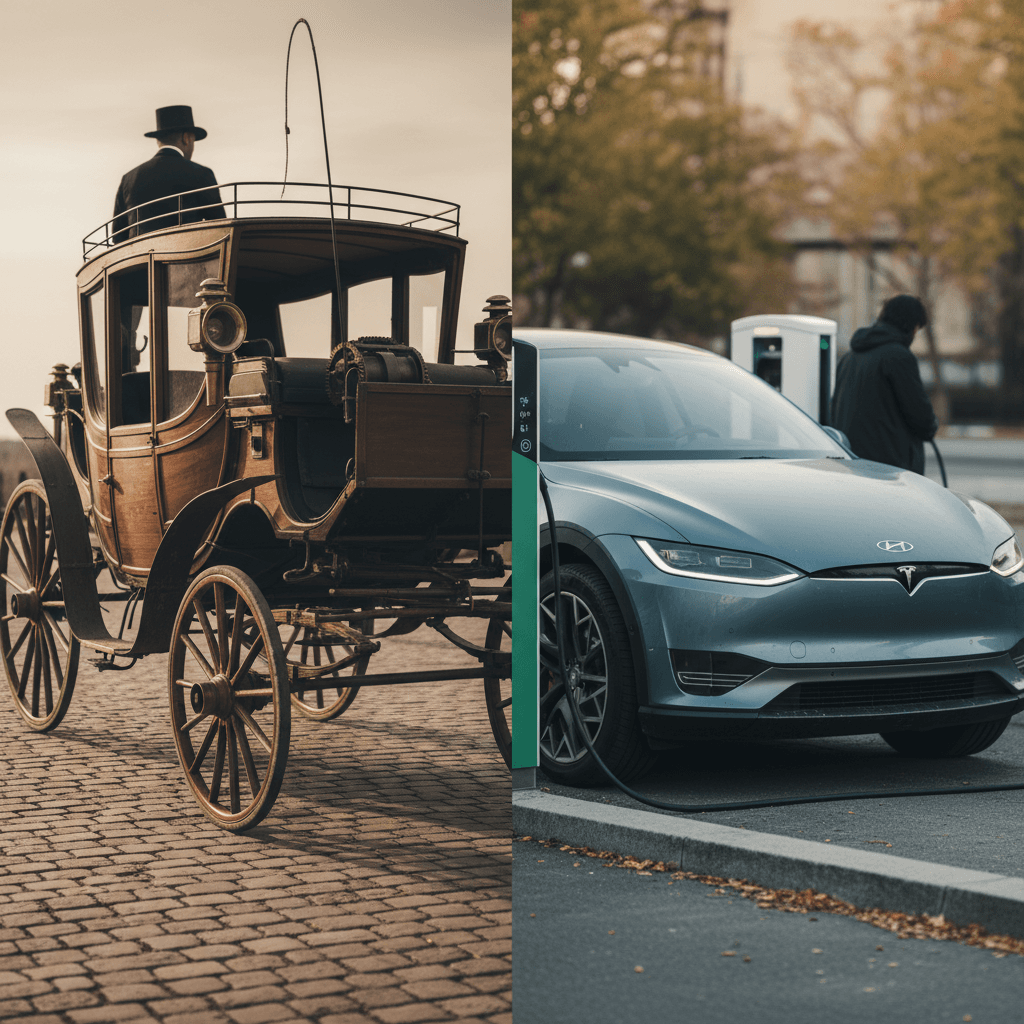
If you think Tesla “invented” the electric car, you’re off by about 180 years. The real answer to when electric cars were invented takes us back to the early 1800s, long before highways, gas stations, or even Henry Ford. Understanding that history isn’t just trivia; it explains why today’s EV market looks the way it does, and how you should think about buying a used electric car now.
Short answer
Quick answer: When were electric cars invented?
Historians don’t agree on a single moment or a single inventor, because early electric cars evolved in stages. But you can boil it down like this:
- Around 1832–1835: Scottish inventor Robert Anderson and others build crude electric carriages powered by non‑rechargeable batteries.
- 1880s: French inventor Gustave Trouvé and others create more practical electric vehicles using newly developed rechargeable lead‑acid batteries.
- 1888: The Flocken Elektrowagen in Germany is often cited as the first reasonably production‑style electric car.
- By the 1890s: Electric cars are commercially available in cities in Europe and the U.S., and by 1900 roughly one‑third of cars in the U.S. are electric.
So if someone asks you, “When were electric cars invented?” the historically honest answer is: the idea shows up in the 1830s, but practical electric cars hit the road in the 1880s and go mainstream around 1900.
Early experiments: 1830s–1880s

To understand where electric cars came from, you have to start with batteries and electric motors. In the early 1800s, those technologies were just emerging, and a handful of inventors saw the potential to move people, not just electrons.
Key early EV pioneers
These inventors built the first self‑propelled electric vehicles, decades before mass‑market cars.
Ányos Jedlik (1828)
Robert Anderson (c. 1832–1835)
Gustave Trouvé (1881)
Why these weren’t “real cars” yet
The real breakthrough came with rechargeable lead‑acid batteries in the mid‑1800s. Once you can recharge from an external power source instead of swapping disposable cells, an electric carriage starts to look like a practical vehicle rather than a physics experiment.
The first practical electric cars: 1880s–1890s
By the late 1880s, several innovators were building what we’d recognize today as practical electric cars, four wheels, usable range, and multiple examples produced.
What early electric cars could do
One important milestone is the Flocken Elektrowagen, built in Germany in 1888. It’s often cited as the first true electric car in the modern sense: a four‑wheeled vehicle built with passenger use in mind, not just a test rig.
By the 1890s, you see a wave of electric vehicles from different makers, Egger‑Lohner in Austria, Bersey electric cabs in London, and various American carriage builders electrifying their designs. Cities with dense, short‑range travel and limited air‑flow (and lots of horse manure) were perfect for early EVs: quiet, clean, and simple to operate.
When electric cars ruled the city (1895–1910)
If you walked into the first major U.S. auto show at Madison Square Garden in 1900, you would not have assumed that gasoline would win. Roughly a third of the vehicles on display were electric, and another chunk were steam‑powered. Gasoline cars were noisy, smelly, and required hand‑cranking to start.
Why drivers loved early electric cars
- No hand crank: You simply flipped a switch and went. Cranking a gas engine could literally break your arm.
- Clean and quiet: No exhaust, no fumes, no clattering engine. In grimy industrial cities, that was a big deal.
- Easy to drive: You didn’t need to juggle gears and throttles. That made EVs especially popular with urban professionals and many women drivers.
Where they made the most sense
- Cities with short trips: Ranges of 30–80 miles covered a day’s driving easily.
- Taxi fleets: London, New York and other cities experimented with electric cabs.
- Wealthy households: Many early EVs were marketed as premium, low‑effort town cars.
Electric taxis before Uber
Why early electric cars disappeared
Given that electric cars were popular around 1900, the natural question is: what went wrong? Why didn’t those early EVs evolve into the mainstream cars we drive today?
Four reasons gas cars beat early EVs
A mix of technology, infrastructure, and economics pushed electricity off the road, for a while.
Gas got cheap
Drivers wanted range
Electric starter for gas cars
Ford’s Model T
By 1935, EVs were basically gone
The long sleep and first comeback: 1960s–1990s
For most of the mid‑20th century, electric vehicles survived in niches: forklifts, golf carts, milk floats, some small delivery vehicles. The big U.S. automakers were busy selling V8s, not volts. That started to change in three waves: smog regulations, oil shocks, and climate concerns.
- 1960s–1970s: Air‑quality rules and oil crises nudge engineers back toward electric propulsion, but battery tech (mainly lead‑acid) keeps performance and range limited.
- 1980s: Research on nickel‑metal hydride and lithium‑ion batteries lays the groundwork for higher‑energy packs, but mainstream electric cars still aren’t ready.
- 1990s: California’s Zero‑Emission Vehicle (ZEV) mandate triggers the first modern EV experiment from a major automaker: GM’s EV1.
GM EV1: a warning shot, not a revolution
Modern EVs arrive: 2000s–2010s
The EVs you see on U.S. roads today trace their roots less to those early carriages and more to a trio of modern milestones: lithium‑ion batteries, Tesla’s sports‑car bet, and mass‑market hatchbacks like the Nissan LEAF.
Key milestones in the modern EV era
These are the turning points that made today’s used EV market possible.
2008 – Tesla Roadster
2010–2011 – Nissan LEAF
2010s – Charging networks
From experiment to everyday car
How this history shapes the used EV market today
So why does it matter that electric cars were invented in the 1800s, had their first heyday around 1900, died off, and then came roaring back in the 2000s? Because those cycles explain why battery health and technology generation matter so much when you’re shopping for a used EV in 2025.
History lessons that matter when you buy a used EV
1. Batteries are the whole ballgame
Early EVs rose and fell on battery tech. That’s still true today. A used EV lives or dies on <strong>battery health, chemistry, and cooling design</strong>, which is exactly what Recharged’s <strong>battery diagnostics and Recharged Score</strong> focus on.
2. Infrastructure changes value
The first EV wave thrived in dense cities; rural drivers were left out. Today, <strong>charging access</strong> still shapes how useful a given EV will be for you. A car that’s perfect in a city with robust charging may feel limiting in a rural area.
3. Not all generations are equal
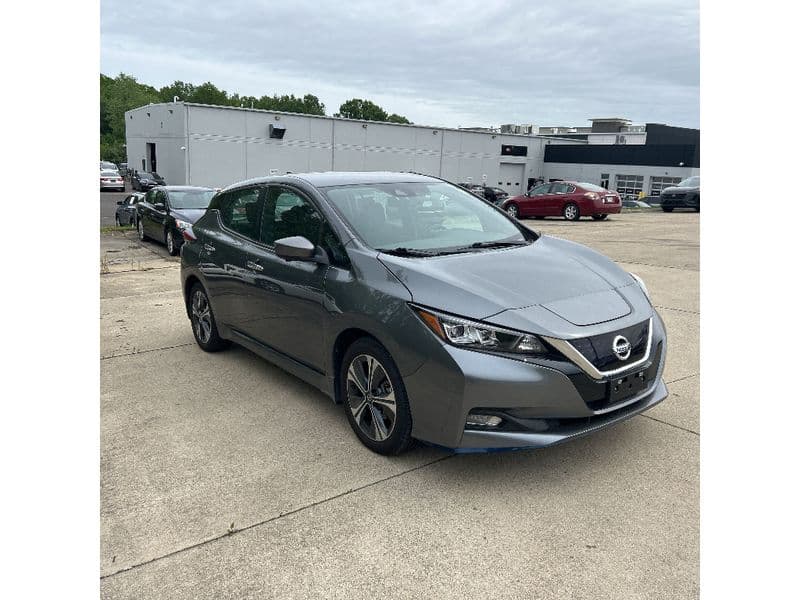
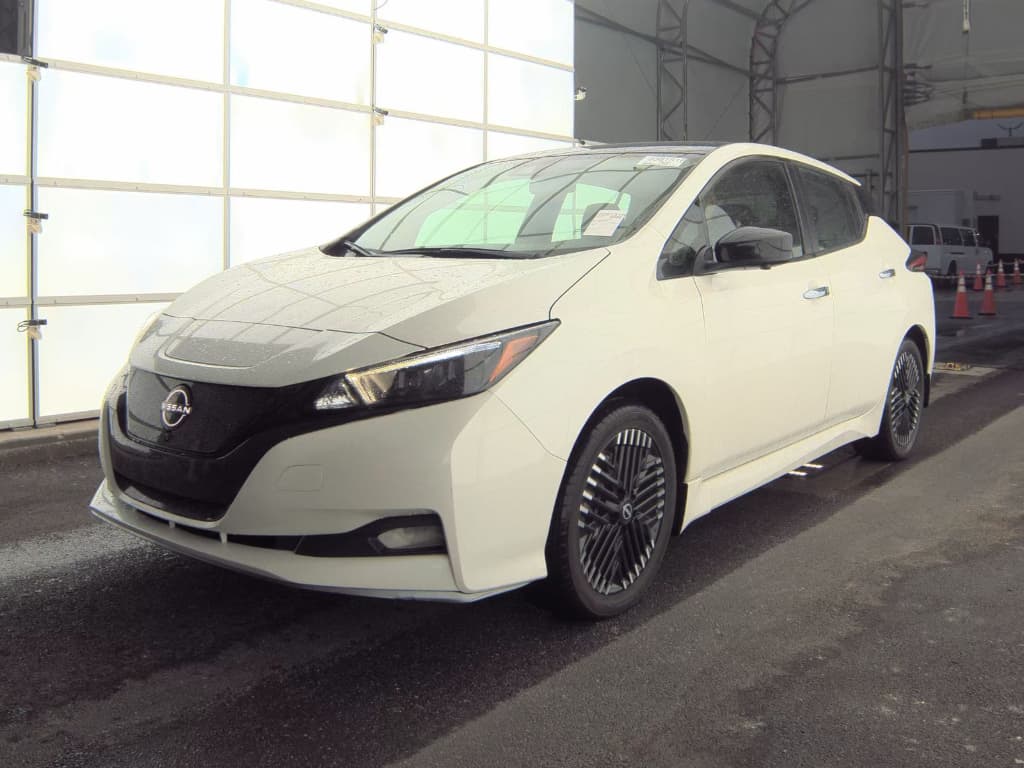
A 2011 LEAF and a 2021 LEAF are separated by a decade of battery improvements. Understanding <strong>which generation of tech you’re buying</strong> is just as important as knowing the model year on the trunk lid.
4. Policy can boost or bruise EVs
From California’s ZEV rules to modern tax credits, EV demand and resale values have always been tied to policy. That’s one reason a marketplace like Recharged tracks <strong>real‑world pricing and incentives</strong> across models and regions.
At Recharged, every used EV comes with a Recharged Score Report that details verified battery health and fair‑market pricing. The industry has had almost two centuries to learn how not to do electric cars; our job is to make sure you benefit from what we’ve learned.
Timeline of key EV milestones
Electric car history at a glance
From experimental carriages to today’s used EVs, here’s how the story unfolds.
| Year / Era | Milestone | Why it matters |
|---|---|---|
| 1832–1835 | Robert Anderson’s electric carriage | First documented self‑propelled road vehicle using electric power. |
| 1859–1860 | Rechargeable lead‑acid battery | Makes practical recharging possible, laying groundwork for usable EVs. |
| 1888 | Flocken Elektrowagen | Often cited as the first production‑style electric car in Germany. |
| 1890s | Electric cabs and carriages | Electric taxis and town cars spread in cities in Europe and the U.S. |
| 1900 | ~1/3 of U.S. cars are electric | At the first U.S. auto show, EVs are a major share of the market. |
| 1908–1920s | Model T and cheap gasoline | Mass‑produced gas cars and cheap fuel push EVs to the margins. |
| 1930s–1960s | EV dark age | Electric cars retreat to forklifts, niche delivery, and experiments. |
| 1990s | GM EV1 and other compliance EVs | First modern highway‑capable EVs from major automakers, but short‑lived. |
| 2008 | Tesla Roadster | Proves lithium‑ion EVs can be fast and offer 200+ miles of range. |
| 2010–2011 | Nissan LEAF and modern mass EVs | First widely sold modern battery‑electric car from a legacy automaker. |
| 2020s | Used EV market matures | Second‑ and third‑generation EVs enter the used market at scale. |
Use this as a quick reference if you just need the headline dates.
FAQ: Electric car invention and history
Frequently asked questions about when electric cars were invented
Bringing it back to you as a buyer
Electric cars weren’t invented in Silicon Valley in 2012. They were born in the workshops of 19th‑century tinkerers, dominated cities in 1900, disappeared for most of the 20th century, and returned only when batteries, software, and policy finally lined up. That long, messy history is exactly why today’s used EV landscape is so varied, some models are brilliant, others compromised, and all of them depend on how well their batteries have survived real‑world use.
If you’re ready to turn that history lesson into a smart purchase, platforms like Recharged are built for this moment: verified battery health, transparent pricing, and EV‑specialist support from first question to final click. The technology may have taken nearly 200 years to mature, but if you choose carefully, you can enjoy the upside right now, and for many years of electric miles to come.