If you’re wondering what to know before buying your first EV, you’re not alone. Electric vehicles feel new, the stakes are high, and the rules aren’t the same as with gas cars. The good news: once you understand a few key concepts, range, charging, costs, and battery health, shopping for an EV becomes straightforward instead of stressful.
Who this guide is for
Before you buy your first EV: start with your daily life
Before you compare EV models or chase deals, step back and look at how you actually drive. Your daily routine is the #1 factor in whether an EV will feel effortless or frustrating. Instead of starting with horsepower or screen size, start with three simple numbers: your typical daily miles, your longest regular trip, and whether you can park near a plug overnight.
Three questions that shape the right first EV
Answer these honestly before you fall in love with a specific model
1. Daily mileage
Roughly how many miles do you drive on a typical weekday?
- Under 40 miles: Nearly any modern EV range will work.
- 40–80 miles: Focus on EPA ranges of 220+ miles.
- Over 80 miles: Consider 260+ miles and reliable fast charging.
2. Regular long trips
Do you routinely drive 150–300 miles in a day, say, to visit family or for work?
If yes, you’ll want to look closely at DC fast-charging speed and highway range, not just the headline EPA number.
3. Overnight parking
Can you park where you control an outlet, garage, driveway, or dedicated spot?
Home charging makes EV ownership dramatically easier and cheaper. If not, you’ll depend more on workplace or public charging.
Pro tip: don’t overbuy range
Range: how much do you really need?
Every first-time EV buyer asks the same thing: “Will I have enough range?” It’s a fair concern, but today’s EVs generally offer more range than most people use in a typical day. What matters is how that range behaves in the real world, on the highway, in winter, and after a few years of ownership.
Understanding the EPA range number
The advertised range (for example, 260 miles) is an EPA estimate under mixed conditions. Think of it as a best-case average, not a guarantee. Highway speeds, cold weather, steep hills, and heavy loads can all trim that number.
- Highway driving: 70–80 mph can reduce range 10–25% versus city driving.
- Cold weather: Winter climates can temporarily cut usable range by 20–40% due to cabin heating and battery chemistry.
- Roof racks & cargo: Added drag and weight also chip away at efficiency.
A simple rule-of-thumb for first-time buyers
For a stress-free first EV, aim for a buffer.
- Add 30–40% to your longest typical day in bad conditions (winter, highway, loaded).
- If your worst-case daily need is 120 miles, look for an EV with at least 200–220 miles of EPA-rated range.
- If you regularly road-trip and want fewer fast-charging stops, look in the 260–300 mile range band.
This approach keeps you out of the mental math game and makes early EV ownership feel a lot more like a normal car.
Don’t ignore charging speed
Charging basics: home, work, and on the road
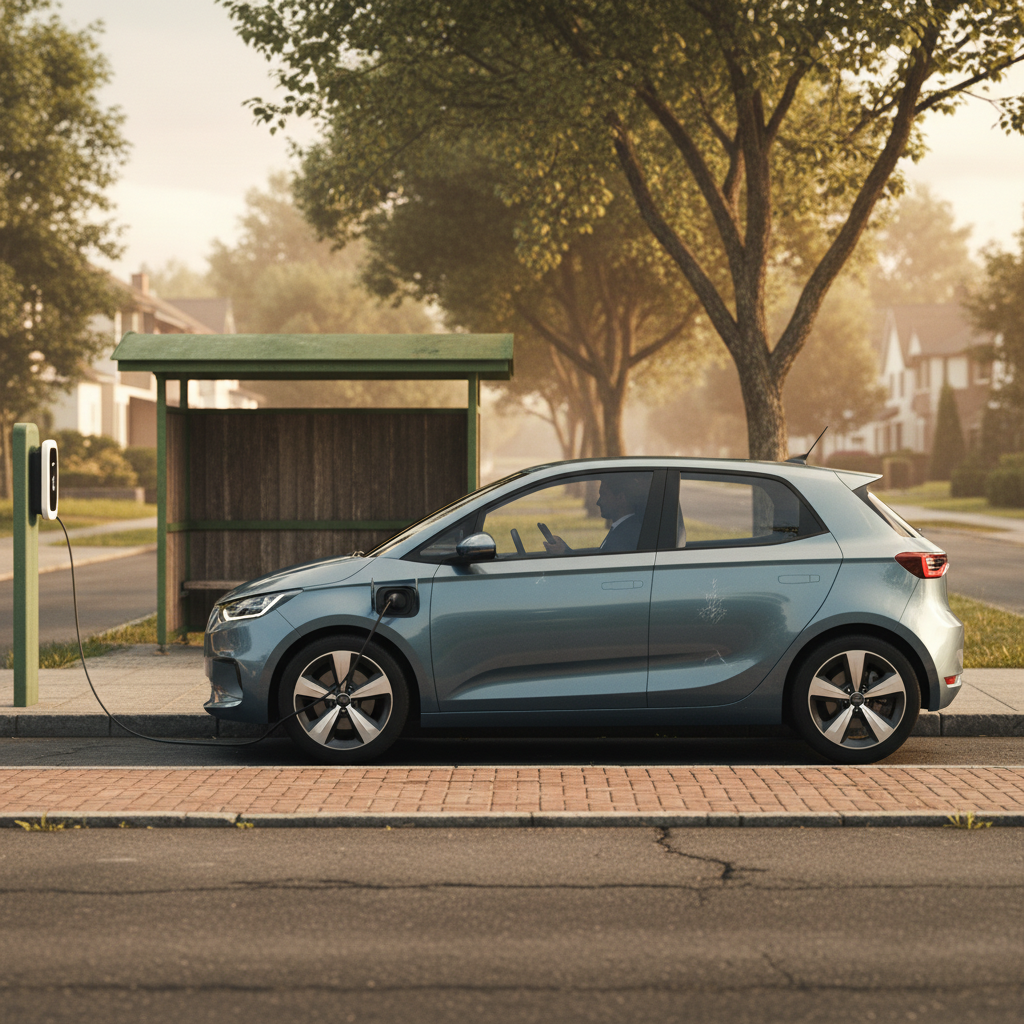
Charging is where EV ownership feels different from gas, and where many first-time buyers get tripped up. The core idea is simple: slow, cheap charging at home or work most days, and fast, more expensive charging on the road when you need it.
EV charging levels explained
Understand the three main charging levels you’ll encounter as a first-time EV owner.
| Charging type | Typical location | Voltage | Approx. speed | Best for |
|---|---|---|---|---|
| Level 1 | Standard household outlet | 120V | 2–5 miles of range per hour | Very light daily driving, emergencies |
| Level 2 | Home or workplace wall charger | 240V | 15–40 miles of range per hour | Overnight charging for most owners |
| DC fast charging | Public highway or city sites | High-voltage DC | 60–200+ miles of range in 20–40 minutes | Road trips, quick top-ups on the go |
Charging speeds are approximate and vary by vehicle, charger, and conditions.
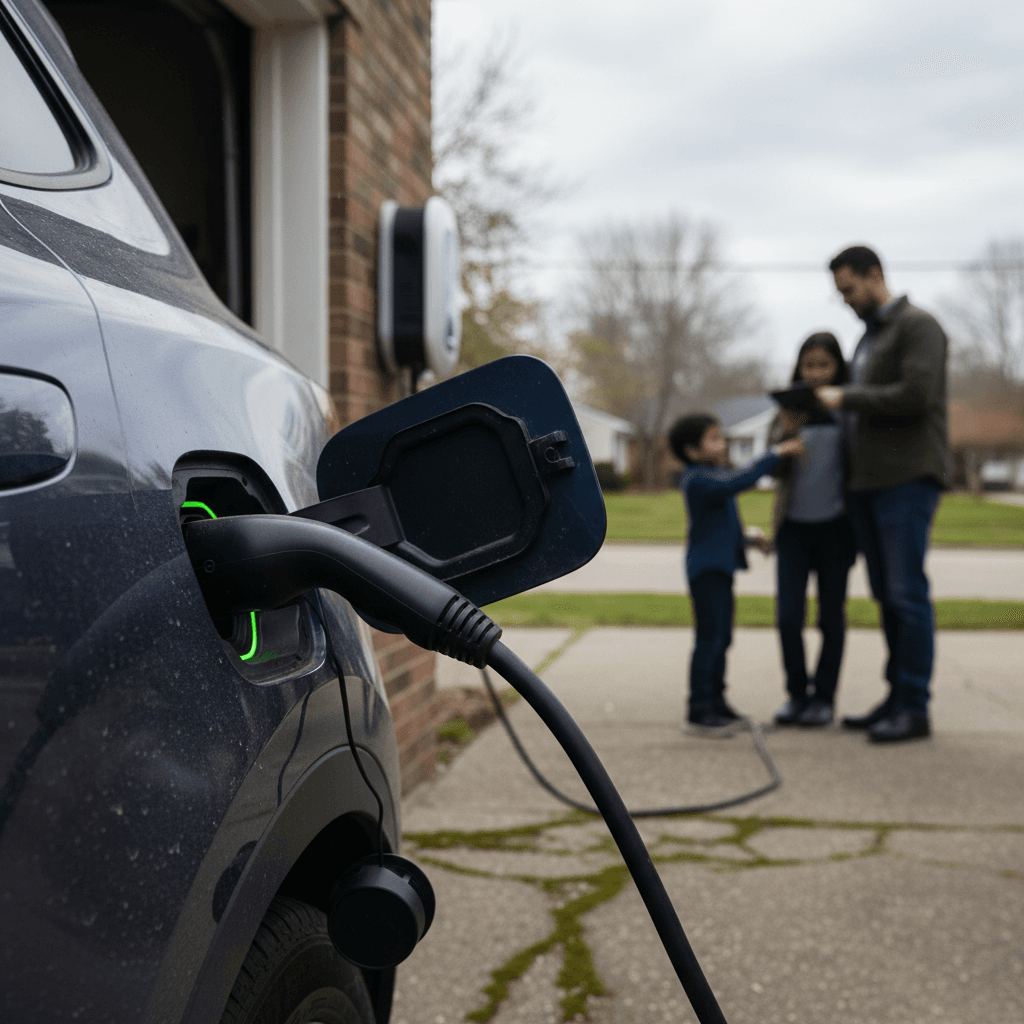
Home charging readiness checklist
Confirm where you’ll park
If you have a garage or driveway, you’re in great shape. If you park on the street or in a shared lot, ask your landlord or HOA early about EV charging rules and possibilities.
Assess your electrical panel
Look at your breaker panel’s total capacity (often 100A, 150A, or 200A). An electrician can tell you if a 240V circuit for a Level 2 charger will fit without major upgrades.
Get 2–3 quotes for installation
Costs to add a 240V outlet or wall charger can vary widely. For many homes, it’s comparable to a nice appliance install; complex runs or panel upgrades cost more.
Decide on a charger
Some EVs include portable Level 2 units; others don’t. You can choose a smart wall box, a more basic unit, or buy a used charger. Make sure it matches your car’s max AC charging rate.
Plan your daily routine
With home charging, you’ll typically plug in overnight, set a charge limit (often 80–90%), and wake up to a full “tank” most mornings.
How Recharged can help with charging questions
The true costs of owning an EV
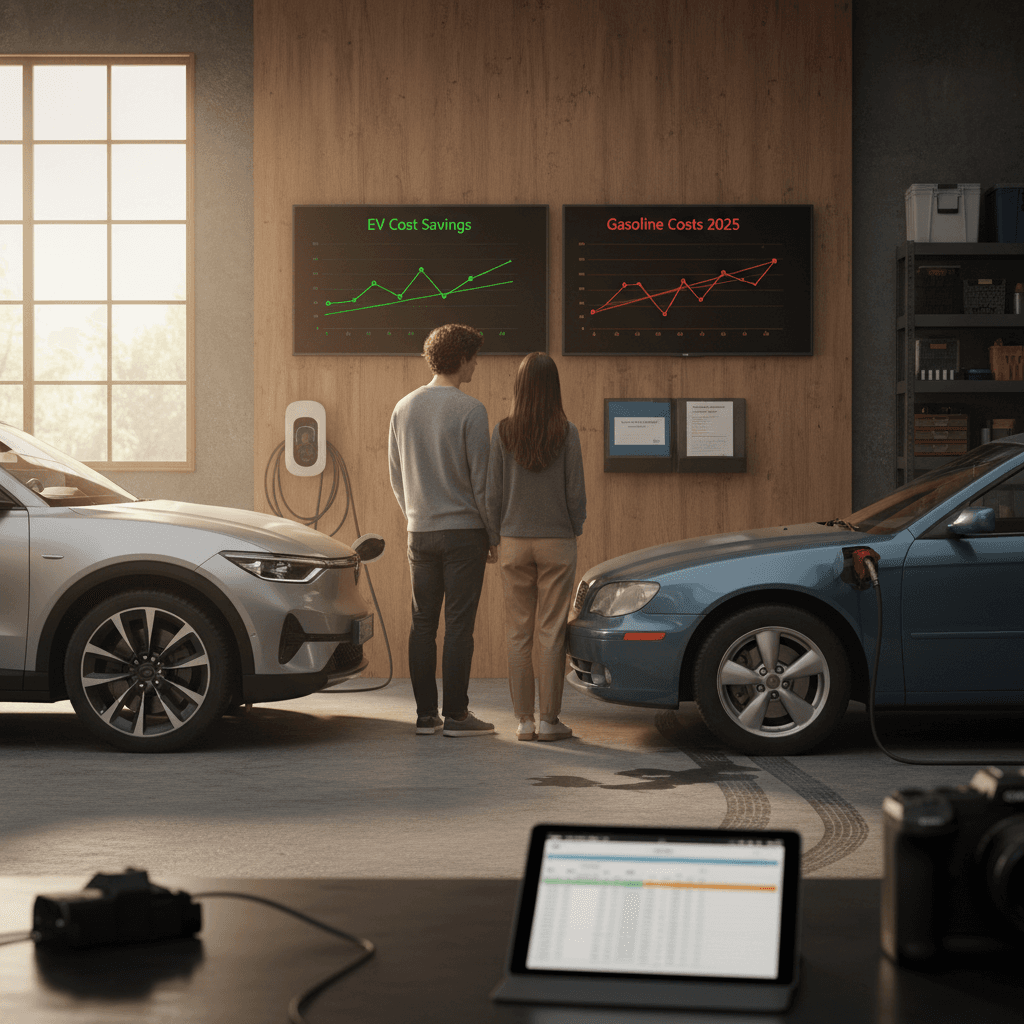
Sticker price is only part of the story. Many first-time EV buyers focus on the monthly payment and ignore running costs, but that’s where electric vehicles can quietly shine. To compare fairly, think in terms of total cost of ownership: purchase price, fuel, maintenance, insurance, and resale value over several years.
How EV ownership costs stack up (big picture)
Where EVs save you money
- Energy: Charging at home, especially overnight on off-peak rates, can cut your fuel bill dramatically compared with gas.
- Maintenance: No oil changes, fewer fluids, and no exhaust or transmission to service. Tires and brake pads are still consumables, but regenerative braking often extends brake life.
- Stop-and-go driving: EVs are at their most efficient in city traffic, the opposite of most gas cars.
Where costs can surprise first-time buyers
- Insurance: Some EVs cost more to insure due to parts pricing and repair complexity. Get quotes on specific VINs before you decide.
- Home charging setup: A 240V outlet or wall box installation is usually a one-time expense but can be a few hundred to a few thousand dollars depending on your home.
- Public fast charging: DC fast charging is convenient but pricier per mile. It’s fine occasionally, but relying on it daily can erode your savings.
Incentives and timing your purchase
In the U.S., the federal EV tax credits that used to take up to $7,500 off new EVs and $4,000 off used ones ended for most purchases after September 30, 2025. That has changed the math for some shoppers, but it hasn’t eliminated incentives altogether.
What incentives still matter in 2026?
- State or local rebates: Some states, utilities, and cities offer cash rebates or bill credits for buying or leasing an EV, or for installing home charging.
- Manufacturer and dealer offers: Automakers have responded with low-interest financing, lease cash, and price cuts to keep EVs competitive.
- Leasing loopholes: Some manufacturers structure leases so their finance arm claims remaining credits and passes savings through as discounts, ask explicitly what incentives are baked into any EV lease offer.
Timing a used EV purchase
Battery health and longevity: what to expect
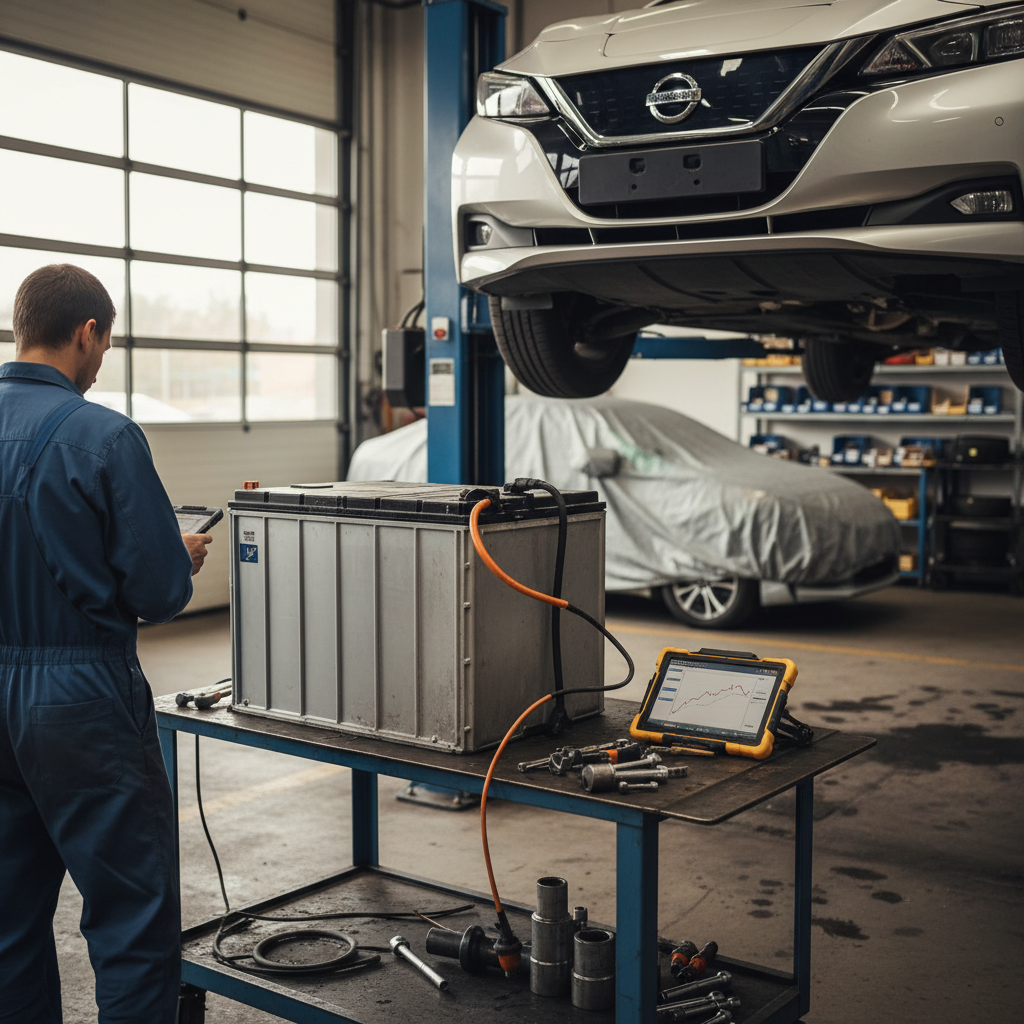
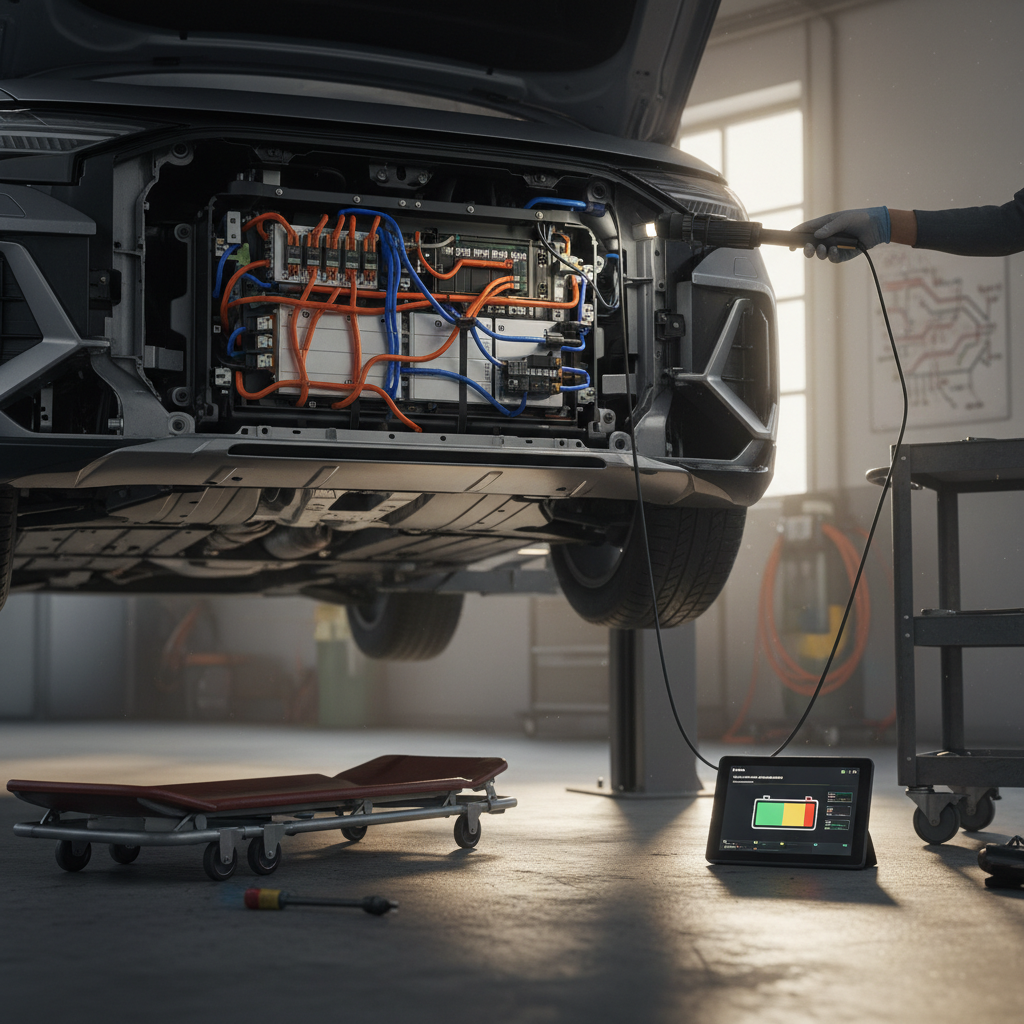
Battery life is the single biggest unknown for many first-time EV buyers. The reality is calmer than the headlines: modern EV batteries generally age slowly, and complete failures are rare. What you’ll see instead is gradual range loss over many years, much like a phone that still works but holds a bit less charge.
- Most modern EVs lose a few percent of range in the first year or two, then around 1–2% per year on average after that, depending on climate and usage.
- After five years, it’s common for a well-cared-for EV to still have roughly 85–90% of its original range.
- Many manufacturers warranty the battery for around 8 years or 100,000–150,000 miles, usually guaranteeing at least 70% capacity during that period.
Simple habits to keep your EV battery healthy
You don’t have to obsess, just follow a few good practices
Avoid extremes when you can
Try not to leave your EV parked for days at 0% or 100% charge, especially in very hot weather. Living mostly in the 20–80% range is gentle on the pack.
Use fast charging wisely
DC fast charging is fine for trips, but relying on it daily, especially in heat, can accelerate wear. Home or workplace Level 2 charging is kinder long-term.
Mind the climate
Extreme heat stresses batteries more than cold does. If you live in a hot region, using a garage, shade, or scheduled charging overnight can help preserve capacity.
How Recharged addresses battery questions on used EVs
Ready to find your next EV?
Browse VehiclesNew vs. used EV for your first electric
Once you’re comfortable with EV basics, the next big decision is whether your first EV should be new or used. Each path has its own advantages, and the right answer depends on how much you value price, features, and warranty coverage.
Why some first-time buyers choose a new EV
- Latest tech and safety features, including newer driver-assistance systems and more efficient batteries.
- Full factory warranty and often better access to software updates and connected services.
- Simpler shopping process if you’re already in a dealership network or brand-loyal.
Downside: Higher upfront cost and faster initial depreciation, especially in the first 2–3 years.
Why a used EV often makes sense for your first
- Lower purchase price for plenty of range, many 3–5 year-old EVs still have strong batteries but cost far less than new.
- Real-world data on reliability and battery health instead of just marketing claims.
- A chance to "learn" EV ownership without committing top-dollar to the latest model.
With tools like the Recharged Score, you can see battery health and fair market pricing up front, which takes a lot of mystery out of buying a used EV.
Test-driving and inspecting an EV
A smart test drive for your first EV is a bit different from a gas-car test drive. You’re not listening for engine noise, but you are paying close attention to software behavior, charging info, and range estimates.
What to do on your first EV test drive
Drive your real routes
If possible, include a mix of city and highway that matches your normal use. Watch how the predicted range changes with your driving style.
Explore the charging info screens
Look at how the car shows state of charge (SOC), remaining range, and charging stats. Clear, honest displays make living with the EV much easier.
Test one-pedal driving
Many EVs let you slow the car dramatically just by lifting off the accelerator. Try it, it’s a big part of the EV feel and can improve efficiency.
Listen for unusual noises
EVs are quiet, so tire and wind noise stand out. Note any rattles, clunks, or loud whines that might indicate future repair needs.
Check included charging equipment
Confirm which cables and adapters come with the car. Replacing them later can be a few hundred dollars, so it’s worth knowing up front.
Verify software and updates
Ask whether the EV receives over-the-air updates and whether it’s current. Software can affect everything from range estimates to safety features.
For used EVs: inspect battery and charging history
- A recent battery health report or diagnostic, something Recharged provides on every vehicle via the Recharged Score.
- Service records that show any battery or high-voltage system repairs.
- Charging habits if known (for example, heavy fast-charging use).
Common first-time EV buyer mistakes to avoid
- Buying purely on maximum range without checking charging speed, interior space, or comfort.
- Assuming you can install home charging without checking electrical capacity or landlord/HOA rules.
- Underestimating winter range loss in colder states and ending up with too little buffer.
- Relying 100% on public fast charging and being surprised by higher per-mile costs.
- Ignoring battery health and warranty details when shopping used.
- Focusing only on the monthly payment and not comparing total ownership cost over several years.
The biggest red flag on a used EV
Step-by-step checklist before you sign
Pre-purchase checklist for your first EV
1. Confirm your use case
Write down your typical daily miles, your worst-case day, and how often you take 150–300+ mile trips. This anchors every other decision.
2. Decide on new vs. used
Based on your budget and risk tolerance, choose whether you’re more comfortable with a lower-priced used EV or you want a brand-new model and full warranty.
3. Plan your charging strategy
Figure out whether you’ll charge mostly at home, at work, or in public. Get at least one quote from an electrician if you plan to install Level 2 home charging.
4. Shortlist 2–4 models
Look for EVs that meet your range needs, fit your lifestyle (hatchback vs. SUV, cargo space, seating), and have reasonable charging speeds and warranty coverage.
5. Test drive and compare
Drive at least two of your shortlisted EVs on real-world routes. Pay attention to comfort, visibility, tech usability, and how confident you feel about range.
6. Review total cost & financing
Compare not just price but expected fuel and maintenance savings. On Recharged, you can explore <strong>financing</strong>, trade-in options, and even instant offers to structure a deal that fits your budget.
7. Double-check incentives & paperwork
Before signing, confirm any remaining state/local incentives, utility rebates for home chargers, and all warranty terms in writing, especially for the battery.
FAQ: first-time EV buyer questions
Frequently asked questions for first-time EV buyers
Bottom line: is your first EV the right move?
Buying your first EV isn’t about chasing the newest gadget on wheels; it’s about matching the right electric car to the way you actually live. If you understand your daily driving, have a clear plan for charging, and take a hard look at total ownership cost, an EV can be both easier to live with and cheaper to run than you might expect.
Take your time, ask questions, and lean on experts who work with EVs every day. At Recharged, every used EV comes with a Recharged Score Report, battery health diagnostics, transparent pricing, and EV-specialist support, from trade-in or instant offer, through financing, to delivery to your driveway. When you’re ready, that kind of information and guidance can turn your first EV purchase from a leap of faith into a confident decision.