If you’re wondering what to do before selling an electric car, you’re already ahead of most sellers. The EV used market is still young, buyers are nervous about batteries, and vague listings tend to sit or get lowball offers. A bit of smart prep can be the difference between a stressful, drawn‑out sale and cleanly moving your EV for the price it deserves.
EV buyers worry about different things
Why prep matters before selling your EV
Used EV shoppers have learned to be skeptical: many listings have no battery info, fuzzy photos, or sellers who can’t answer basic charging questions. When you take the time to prepare, you remove doubt. That doesn’t just make the car easier to sell; it often translates directly into a higher sale price and faster sale.
How pre‑sale prep boosts electric car resale
Three ways a prepared EV stands out from the pack
Shows real battery value
Clear evidence of battery state of health, charging habits, and remaining warranty helps buyers price your EV based on reality, not fear.
Shortens time on market
Well‑described, well‑photographed EVs with documentation tend to sell faster because buyers don’t have to chase answers.
Supports stronger offers
When you can justify your asking price with reports, records, and a clean car, it’s easier to hold your ground in negotiations.
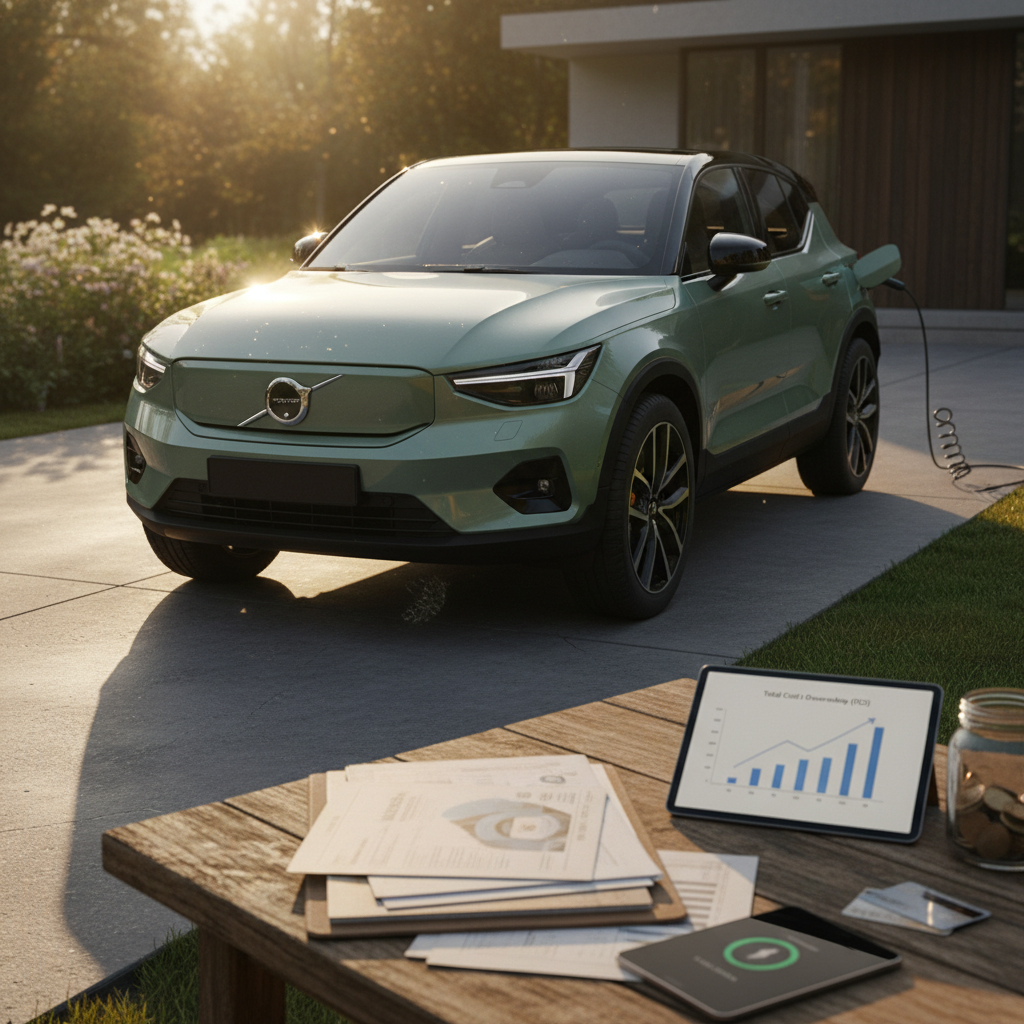
Step 1: Know your EV’s value and the best time to sell
Before you spend money or time getting your EV ready, you need a realistic view of what it’s worth and whether now is the right moment to sell. EVs tend to depreciate faster than comparable gas cars in the first few years, then stabilize as the market learns how long batteries actually last. That curve looks very different by model, battery size, and brand.
- Check pricing guides that break out EVs separately, not just generic used‑car values.
- Look at real listings for your exact trim, battery size, and mileage in your region, not national averages.
- Pay attention to remaining factory battery and drive unit warranty; that’s a big part of what buyers are paying for.
- Consider seasonality: EV demand often rises before winter (for commuters) and before summer (for road‑trippers).
Use EV‑specific marketplaces for comps
Step 2: Document and verify battery health
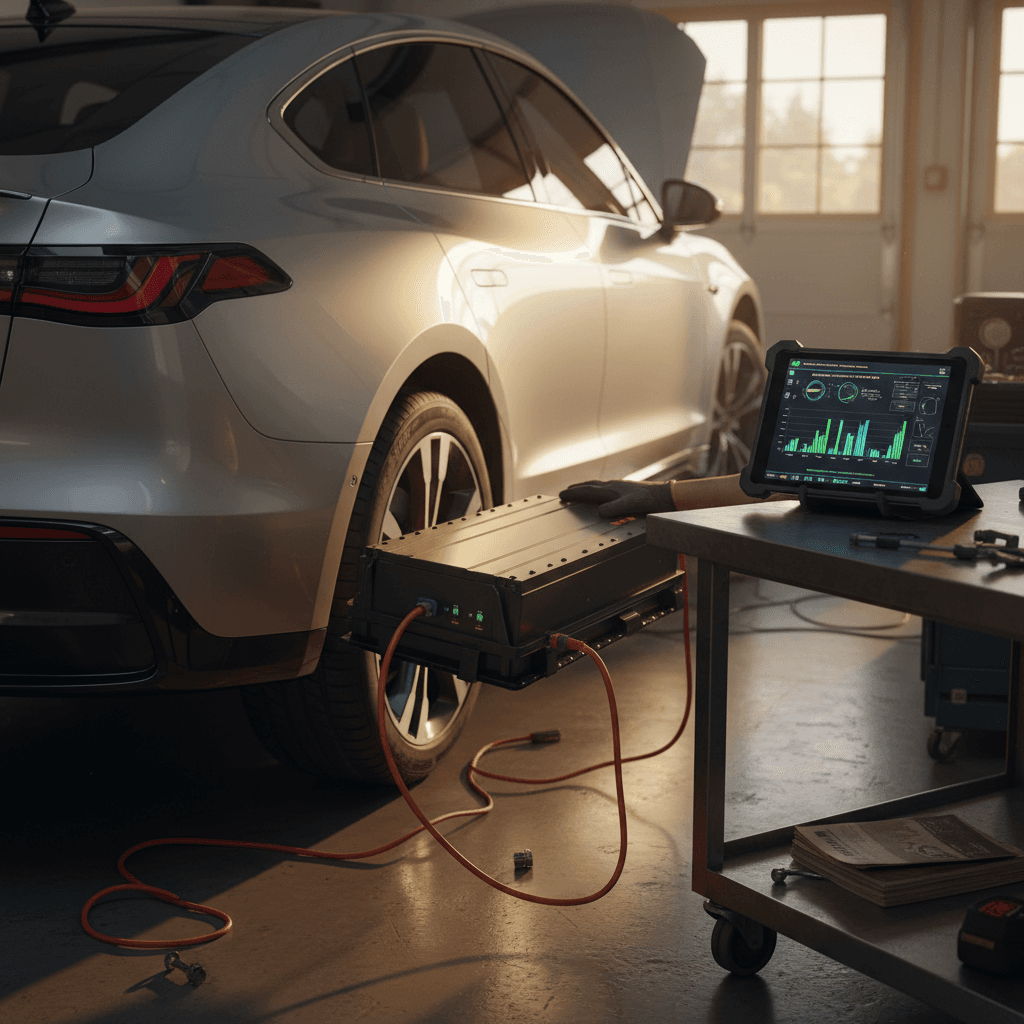
For an electric car, battery health is the value story. Most buyers will happily accept a few cosmetic flaws if they’re confident the pack still has years of useful life. The opposite is also true: vague or missing battery information makes shoppers assume the worst and price your car accordingly.
Why your battery report matters more than ever
- Pull the latest in‑car battery information (range at 100%, energy consumption history) and screenshot anything useful.
- Gather any previous battery or high‑voltage system service records you have.
- If your brand offers an official battery health printout, schedule a visit and request it.
- Consider a third‑party battery diagnostic or marketplace battery report that uses charging data and diagnostics rather than just dashboard estimates.
What is a battery health report, really?
Every EV sold through Recharged includes a Recharged Score Report with independently verified battery diagnostics, charging performance, and real‑world range estimates. If you list or consign your EV with Recharged, that report becomes the centerpiece of your listing, so you don’t have to be the one “selling” the health of the most expensive component.
Step 3: Take care of maintenance, tires, and minor fixes
EVs skip oil changes, but they’re still cars: buyers worry about tires, brakes, suspension, and warning lights. You don’t need to make the car perfect, yet a small amount of targeted spending can remove big objections and signal that the car has been cared for.
What to fix before selling an EV, and what to simply disclose
You don’t have to repair everything. Focus on safety and buyer‑confidence items, then be transparent about the rest.
| Item | Fix Before Sale? | Why It Matters |
|---|---|---|
| Tires below 3/32" tread | Usually yes | Bald tires look unsafe and can kill test‑drive confidence; they’re easy for buyers to use as a negotiation hammer. |
| Brake pads/rotors worn | Maybe | EVs use regen, so brakes often last longer. If they’re noisy or clearly worn, repair or price accordingly. |
| 12V accessory battery weak | Often yes | A dying 12V battery can cause random errors and no‑start conditions even when the main pack is fine. |
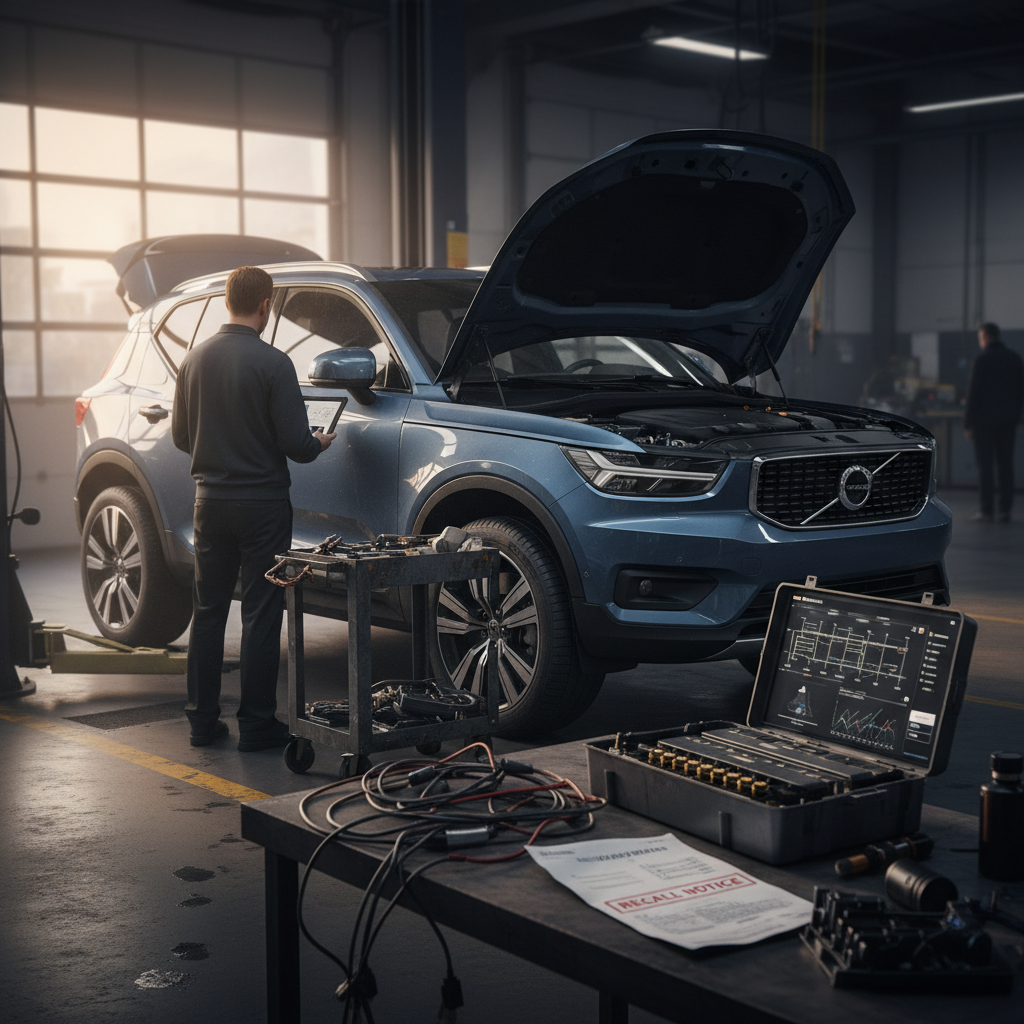
| Open safety recalls | Yes | Get recalls completed; buyers and lenders may balk at cars with outstanding safety campaigns. |
| Minor dings and curb rash | Optional | Cosmetic wear is expected on used cars. Fix if your EV is high‑value or in an image‑sensitive market. |
| Cracked windshield | Often yes | Obvious defect that many buyers perceive as an immediate expense; fixing it simplifies negotiation. |
Use this as a guide; exact choices depend on your EV’s value and your budget.
Don’t hide warning lights
Step 4: Deep clean your EV and stage it for photos
A clean EV won’t magically fix a weak battery, but it will determine how quickly shoppers click your listing and whether they believe the car has been cared for. EV interiors tend to show tech‑age more than mileage; clean screens, fresh carpets, and an orderly charging cable are small cues that the car has had an easy life.
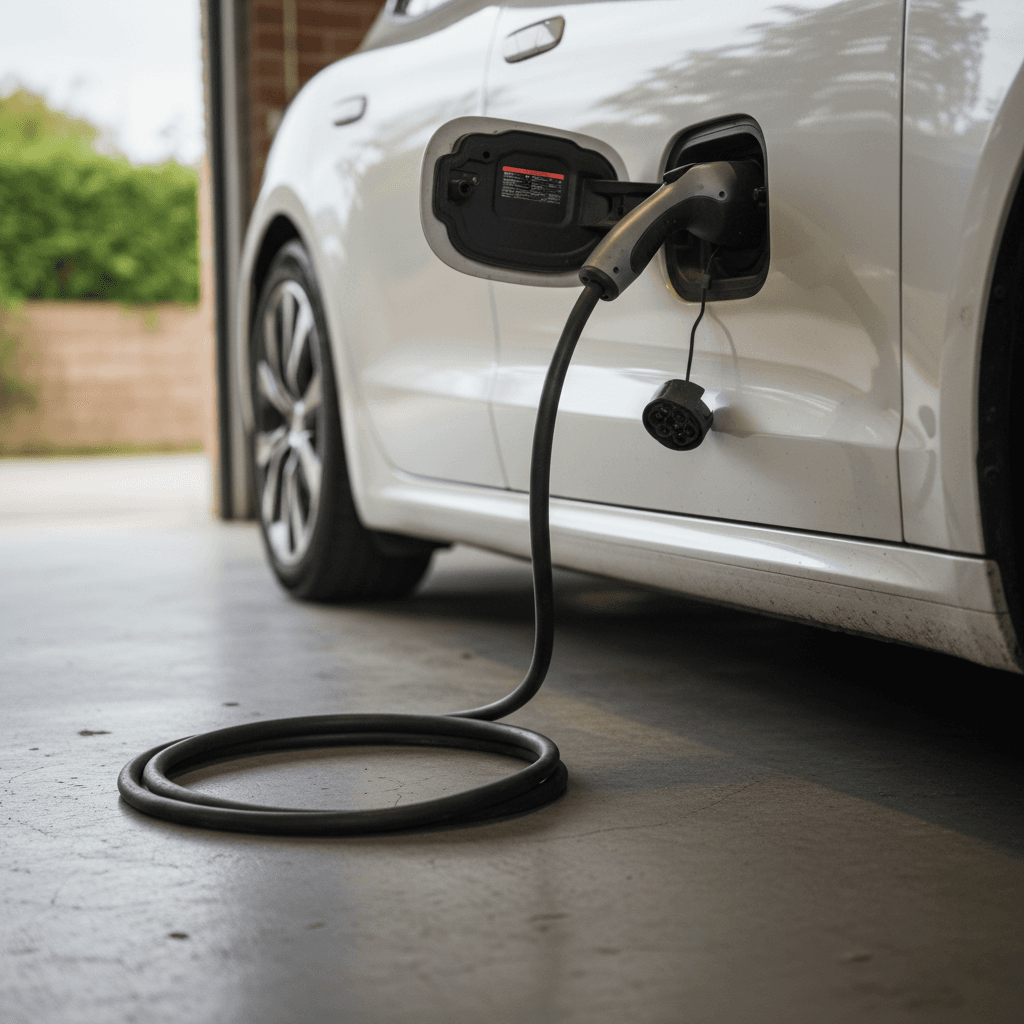
Detailing and photo checklist for selling an electric car
1. Clear everything out
Remove personal items, kids’ gear, phone mounts, toll transponders, and random charging adapters you aren’t including. An empty cabin photographs better and helps buyers imagine the car as theirs.
2. Clean the cabin like a rental
Vacuum seats and carpets, wipe down hard surfaces and cupholders, clean glass, and gently wipe screens with a safe microfiber cloth. Avoid shiny dressings that make plastics look greasy in photos.
3. Make the screens shine
Set the main display to a neutral home screen and medium brightness. Show range and state of charge in at least one photo so shoppers know all the tech works.
4. Wash, decontaminate, repeat
Hand‑wash the exterior, clean wheels, and wipe door jambs. You don’t need paint correction, but obvious dirt, bird droppings, or bugs send the wrong message.
5. Stage the charging gear
Neatly coil the main charging cable, mount any wall unit you’re including, and show them clearly in photos. Buyers want to see exactly how they’ll plug in on day one.
6. Shoot in good light
Take exterior photos just after sunrise or before sunset; avoid harsh midday shadows. Capture all four corners, interior, trunk/frunk, tires, and close‑ups of any flaws you’re disclosing.
Think like an online shopper
Step 5: Gather paperwork, warranties, and charging info
Because EVs are still new to many buyers, they lean heavily on documentation. The easier you make it to understand what they’re buying, from warranty coverage to charging options, the less friction you’ll face when it’s time to close the deal or pass the keys to a carrier.
Must‑have documents
- Title (or payoff info if you still have a loan).
- Registration and license plate details (rules vary by state).
- Service history printouts or app screenshots.
- Any battery or drive unit warranty documentation.
- Records for recent tires, brakes, or major repairs.
EV‑specific extras that build confidence
- Battery health or Recharged Score report.
- Owner’s manual, including digital links for software features.
- Details on compatible charging networks (Tesla Supercharger, CCS, NACS, CHAdeMO where relevant).
- List of included charging cables, adapters, and whether a wall unit is part of the sale.
Bundle paperwork for a smooth handoff
Step 6: Protect your data and reset the tech
Modern EVs are rolling computers. Before you sell, you need to separate your digital life from the car without accidentally disabling features the buyer will need. This is one area where EV sellers frequently make mistakes, either leaving accounts logged in or wiping the car too early and losing app access during the sale process.
Digital safety checklist before selling an electric car
1. Remove personal accounts
Log out of streaming services, navigation accounts, and browser logins. Delete saved home and work addresses from navigation history.
2. Unpair phones and keys
Remove your phone key, Bluetooth pairings, and any third‑party app access you’ve granted (e.g., usage trackers). Make sure the buyer has a physical key or card they can use immediately.
3. Turn off home integrations
Disconnect the car from smart‑home services, garage door openers, and voice assistants. You don’t want a stranger able to open your garage after the sale.
4. Decide when to factory reset
In many EVs, a full factory reset will delete your profiles, addresses, and paired devices. Do it <strong>after</strong> payment clears and the buyer has what they need, but before they drive away.
5. Transfer app access correctly
Follow your manufacturer’s process to remove the car from your account and let the buyer add it to theirs. For connected‑services subscriptions, be clear about what is transferring and what isn’t.
Don’t leave your account behind
Step 7: Decide where and how to sell
Once your EV is clean, documented, and de‑personalized, you still have a major choice to make: how you want to turn it into cash. Your options range from ultra‑fast but lower offers to slower, hands‑on paths that can maximize every last dollar.
Common ways to sell an electric car
Match the path to your timeline, risk tolerance, and comfort with EV questions
Instant offer or dealer trade‑in
Best for: Speed and convenience.
You’ll likely get less than a private sale but avoid handling ads, test drives, and paperwork yourself.
Private sale marketplaces
Best for: Maximum price.
Expect more work: screening buyers, explaining EV basics, and handling payment. Strong documentation is essential here.
EV‑focused marketplaces
Best for: Balance of price and support.
Platforms like Recharged target EV shoppers specifically, offer battery health reports, and can handle logistics like financing and shipping.
How Recharged fits into this decision
Ready to find your next EV?
Browse VehiclesComplete pre‑sale checklist for electric cars
If you just want a concise answer to “what do I do before selling my electric car?”, use this checklist as your master to‑do list. You can work through it in a weekend, or tackle it over a couple of weeks as you approach your target sale date.
Electric car pre‑sale checklist
Confirm your selling window and price range
Research market pricing for your exact EV, including battery size and trim. Consider whether seasonality or upcoming model changes might affect timing.
Secure a battery health report
Collect in‑car data, prior records, and, ideally, an independent battery report such as a <strong>Recharged Score</strong> that clearly summarizes health and real‑world range.
Address safety‑critical maintenance
Inspect tires, brakes, 12V battery, and lights. Handle any open recalls. Decide which non‑critical items to fix vs. disclose and reflect in your asking price.
Deep clean and photograph the car
Fully clear the interior, clean surfaces and screens, wash the exterior, and stage your charging gear. Take clear, well‑lit photos from all angles, plus close‑ups of the dash and any flaws.
Organize documents and accessories
Gather title or payoff info, service history, warranty details, owner’s manual, and all keys, cards, cables, adapters, and wall units you’re including in the sale.
Protect your data and reset wisely
Log out of accounts, remove phone keys and smart‑home integrations, and perform a factory reset once the sale is complete and the buyer doesn’t need your access anymore.
Choose your selling channel
Decide between trade‑in, instant offer, private sale, or EV marketplace. If you want support with valuation, battery diagnostics, and nationwide buyers, consider listing with <strong>Recharged</strong>.
FAQs: What to do before selling an electric car
Frequently asked questions about prepping an EV for sale
Preparing an electric car for sale isn’t about making it flawless; it’s about removing the unknowns that scare buyers away or push them to lowball you. If you focus on battery transparency, basic maintenance, clear documentation, and data security, you’ll be ahead of most sellers in today’s used EV market. And if you’d rather have experts handle the diagnostics, listing, and buyer questions, Recharged is built precisely to make that process simpler, so your next EV is funded by the one you’re ready to let go.