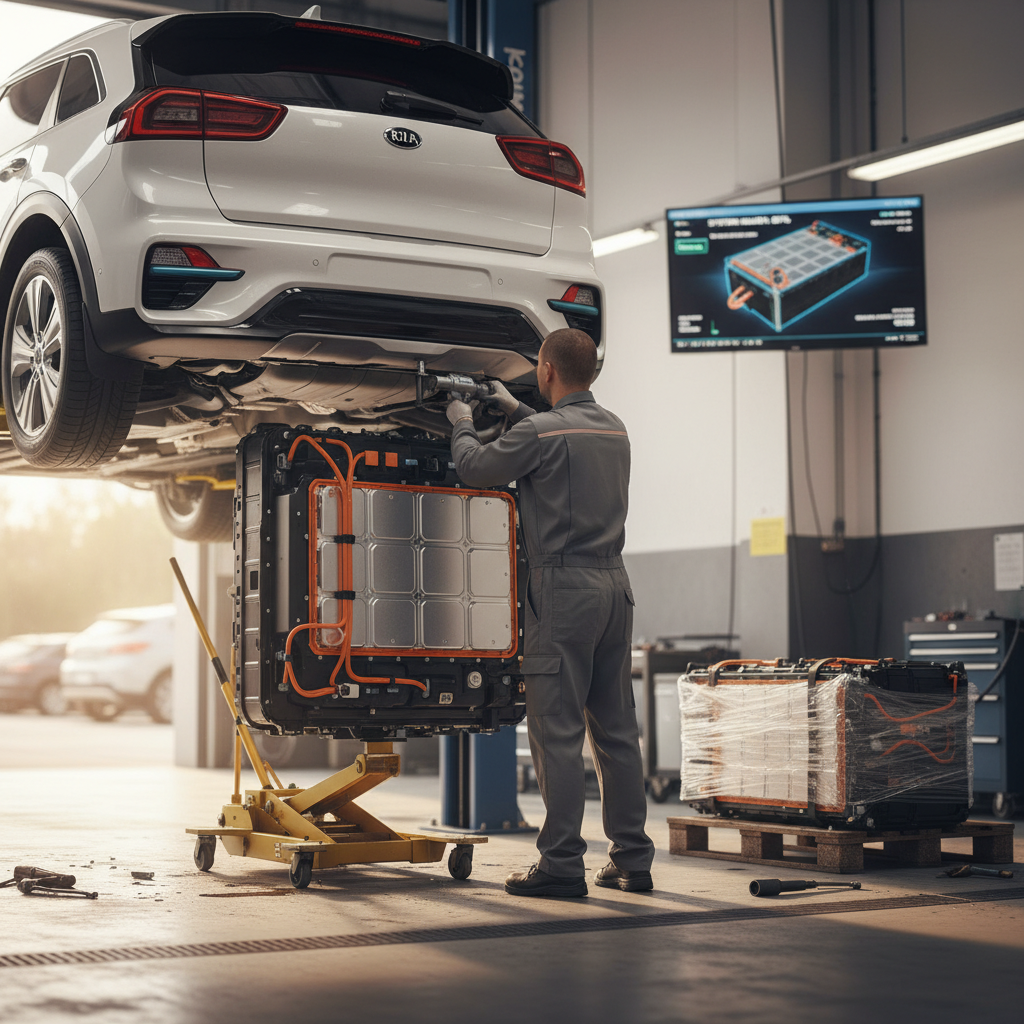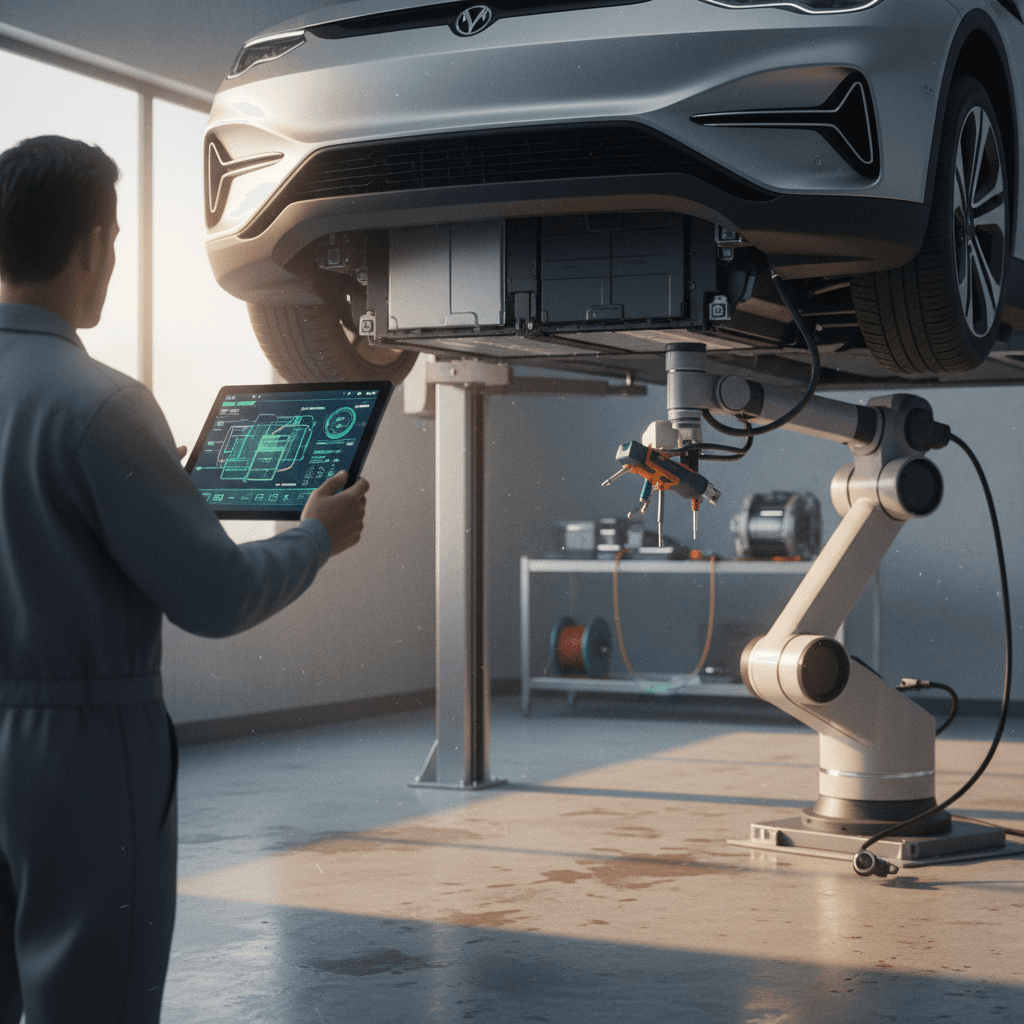
If you grew up on oil changes and timing belts, the idea of electric car maintenance can feel like sorcery. What kind of maintenance does an electric car need, exactly, if there’s no engine to baby? The short version: far less than a gas car, but it’s not “set it and forget it.” EVs have their own service rhythm, especially around tires, brakes, cooling systems, and battery health.
Big picture
How EV maintenance differs from a gas car
What EVs don’t need
- No oil changes or oil filters
- No spark plugs, coils, or engine tune-ups
- No timing belts or exhaust system repairs
- No fuel filters, injectors, or emissions-system service
- No multi-gear automatic transmission service on most EVs
What EVs still (very much) need
- Tire rotations and alignments
- Brake system checks and occasional pad/rotor service
- Coolant checks for the battery and power electronics
- Cabin air filter replacement
- Suspension and steering inspections
- Software updates and diagnostics
Why EVs are usually cheaper to maintain
Core electric car maintenance checklist
The essential EV maintenance items
These are the systems every electric car still depends on, whether it’s brand new or on its third owner.
Tires & alignment
EVs are heavy and make instant torque. That’s great for acceleration and terrible for lazy tire rotations.
- Rotate every 6,000–7,500 miles
- Check pressures monthly
- Get an alignment check annually or after pothole hits
Brakes
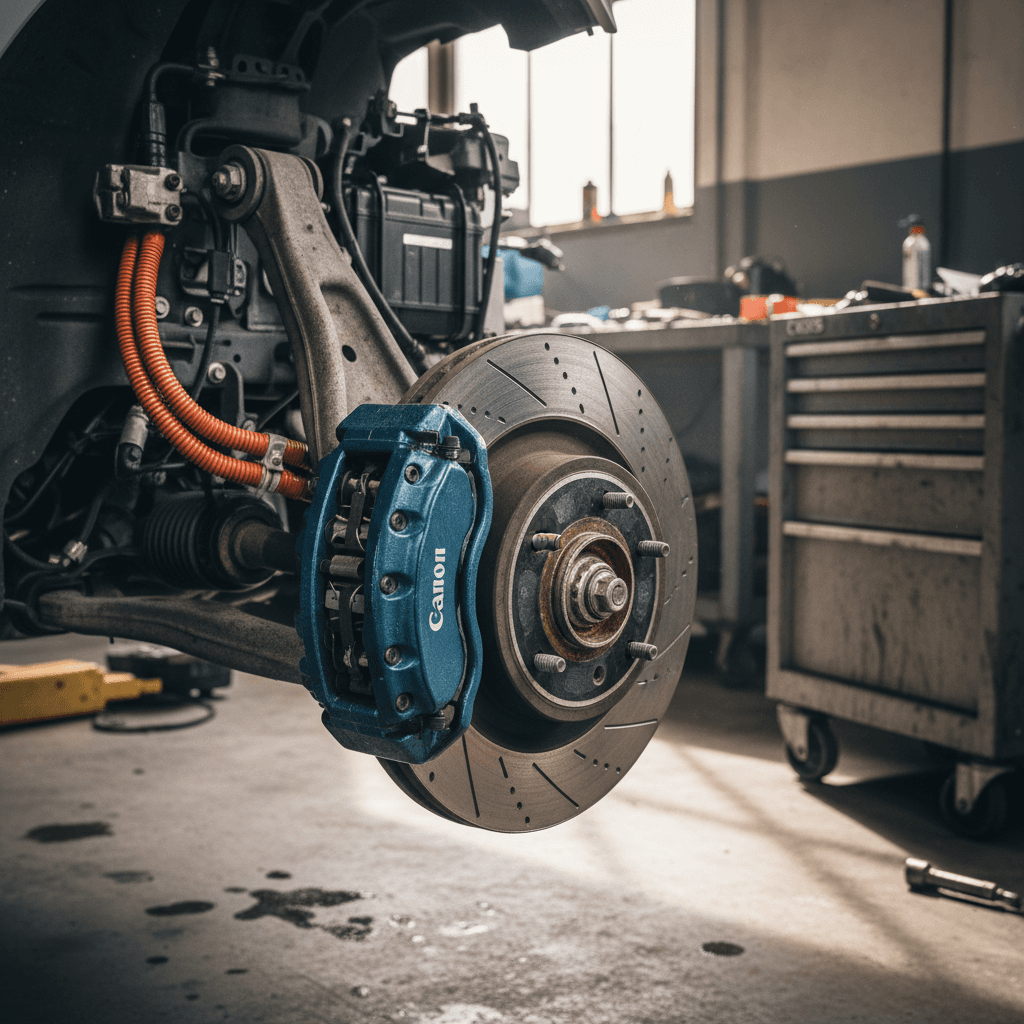
Regenerative braking means pads can last 60,000+ miles, but only if the system is inspected.
- Visual inspection yearly
- Brake fluid change every 3–5 years
- Watch for corrosion in salty climates
Battery & cooling
The battery pack is liquid‑cooled in most modern EVs.
- Coolant inspection per manufacturer (often ~8–10 years)
- Check for leaks or pump issues
- Keep cooling radiators clean and unobstructed
Cabin air filter
EVs often use high‑grade filters because you’re idling in silence more.
- Replace every 1–2 years
- More frequently in dusty or urban stop‑and‑go driving
High‑voltage system checks
Most of this is done at the dealer or EV‑trained shop.
- Visual inspection of orange high‑voltage cables
- Check for error codes or insulation faults
- Follow any recall or service campaigns promptly
Software & connectivity
Your EV is a rolling computer.
- Install over‑the‑air updates
- Keep the car connected to Wi‑Fi when possible
- Address warning lights early, many are software‑related, not mechanical disasters
Typical EV maintenance intervals
Common electric car maintenance intervals
Always follow your owner’s manual first, but this gives you a realistic starting point for planning EV service.
| Item | Typical Interval | Notes |
|---|---|---|
| Tire rotation | 6,000–7,500 miles | Often every other charge‑cycle of your conscience. Sooner if you drive hard. |
| Wheel alignment | 12 months or 15,000 miles | Immediately after curbing a wheel or major pothole strike. |
| Cabin air filter | 12–24 months | Shorter interval in dusty or urban areas. |
| Brake inspection | Every 12 months | Many EVs also self‑monitor brake system health. |
| Brake fluid replacement | 3–5 years | Moisture in fluid can corrode components over time. |
| Battery & power electronics coolant | 8–10 years or 100,000+ miles | Some brands specify inspection only unless issues arise. |
| 12‑volt accessory battery | 4–6 years | Common failure point that can strand an otherwise healthy EV. |
| High‑voltage system check | Per service schedule (often 2–4 years) | Usually part of periodic dealer inspections. |
Intervals will vary by brand, climate, and how hard you drive. Highway commuters and city drivers put different stresses on their cars.
Don’t skip the 12‑volt battery
Battery health: the heart of EV maintenance
The traction battery is the single most expensive component in an electric car, and the one that most spooks first‑time buyers. The good news: modern packs are engineered for long life. Fleet data and owner reports suggest many EV batteries lose only about 1–2% capacity per year under normal use, and most come with 8‑ to 10‑year, 100,000‑mile warranties on battery health.
- Avoid living at extremes: parking at 0% or 100% state of charge for days is harder on the pack than hovering around 30–80%.
- Fast charging is fine, but don’t use DC fast chargers as your primary “fuel” every single day unless the car is designed for it (some newer models are).
- Heat is the enemy: if you can garage the car or park in shade during hot summers, do it.
- Cold kills range temporarily, not the pack. Pre‑conditioning the car while plugged in reduces the winter hit to both range and comfort.
Set a daily charge limit
Brakes, tires, and suspension on an EV
If the battery is the heart of an EV, the tires are the shoes, and many EVs are wearing racing cleats to the grocery store. Instant torque and extra weight mean tires and suspension do more work than in a comparable gas car. Brakes, thanks to regeneration, do less, but they still age.
What to watch on the chassis side
Where traditional car maintenance overlaps with electric, and where it gets more extreme.
Tires
- Expect slightly faster wear than a similar gas car, especially on performance EVs.
- Use EV‑rated or XL load‑index tires where required, stronger sidewalls for heavier vehicles.
- Rotate religiously to avoid cupping and uneven wear.
Suspension & steering
- Extra battery weight works shocks, struts, and bushings harder.
- Have suspension inspected for play and leaks every 2–3 years.
- If the car feels floaty, clunks over bumps, or eats tires, get it on a lift.
Brakes
- Regenerative braking can cut pad wear dramatically.
- Low use can lead to rust on rotors, especially in wet or snowy climates.
- Occasionally perform a few firm stops to clean the rotors.
Climate & corrosion
- Road salt can seize caliper slides and parking brakes if they never move.
- Ask your shop to check mechanical brake operation annually in salt states.
Silent doesn’t mean safe
Fluids and cooling systems in electric cars
“No fluids” is a popular EV myth. In reality, modern electric cars circulate coolant through the battery pack, power electronics, sometimes the motor, and often the cabin heater as part of an integrated thermal system. There’s also brake fluid and, on some models, gear oil in a reduction gearbox or all‑wheel‑drive unit.
Fluids your EV may still use
1. Battery and inverter coolant
Usually long‑life coolant with extended service intervals. Ask your service advisor when it should be inspected or changed; many manufacturers specify checks at 8–10 years or 100,000 miles and replacement only if tests show degradation.
2. Brake fluid
Hydraulic brake fluid absorbs moisture over time, which lowers boiling point and corrodes internals. A simple test strip can tell if it’s time to flush, typically every three to five years.
3. Gearbox or drive‑unit oil
Some EVs have sealed reduction gearboxes or drive units with lifetime fluid; others have change intervals. There’s no universal rule, so the owner’s manual, and an honest tech, are your friends here.
4. Thermal system filters and pumps
Fans and pumps keep things cool behind the scenes. Unusual noises, overheating warnings, or weak cabin heat can be early signs something in the thermal loop needs attention.
High‑voltage components are not DIY
Software, updates, and remote diagnostics
One of the biggest shifts with EV maintenance is that many fixes are now software, not wrenches. Automakers regularly push over‑the‑air updates that tweak battery management, fix bugs, improve range estimates, and even update safety systems. In a gas car you’d need a recall visit; in an EV, it’s often a progress bar on your phone.
- Keep the car connected to Wi‑Fi at home so it can download updates without chewing through cellular data.
- Install updates promptly, especially ones relating to charging, safety systems, or battery management.
- Use the vehicle app and built‑in diagnostics; many EVs will run self‑checks and tell you exactly what needs attention.
- Don’t ignore warning lights just because the car still drives fine, software can see looming issues long before you can feel them.
Predictive maintenance is your ally
EV maintenance costs vs gas cars
The question behind “what kind of maintenance does an electric car need” is usually, “how much is this going to cost me?” The encouraging answer is that for most owners, routine EV maintenance is substantially cheaper than for a comparable gas car, even if some individual repairs (like collision damage to a battery pack) can be more expensive.
How EV maintenance stacks up
Put simply: day‑to‑day servicing is where EVs win. Oil changes, tune‑ups, exhaust repairs, emissions diagnoses, those expenses vanish. The trade‑off is that when something big does go wrong, particularly in a crash, it can be more expensive and fewer shops are equipped to handle it. That’s why the sweet spot for many buyers is a used EV with documented history and a healthy battery, you let the first owner take the depreciation hit and you enjoy the low running costs.
Maintenance tips if you’re buying a used EV
Shopping used is where careful attention to EV maintenance really pays off. You’re not just buying a car; you’re buying the previous owner’s habits. Where a gas car might forgive a late oil change, an EV rewards the owners who respected charging limits, rotated tires, and stayed on top of software updates.
Used EV maintenance checklist
1. Get an objective battery health report
Capacity bars on the dash are a start, but a <strong>professional battery health test</strong> is much better. At Recharged, every vehicle includes a Recharged Score Report that verifies battery health so you know exactly what you’re getting.
2. Review service history
Look for records of tire rotations, brake service, and any battery or coolant system work. Gaps aren’t automatically a red flag, but a fully silent history on a high‑mileage EV deserves questions.
3. Check tires and brakes in person
Uneven tire wear or grooved rotors can tell you the suspension or brake system has been neglected. A quick test drive on a rough road will reveal clunks, wandering steering, or vibration under braking.
4. Confirm software is up to date
Ask the seller to show the software version and update status. On a used EV from Recharged, our EV specialists ensure critical updates are installed before the vehicle is listed.
5. Ask about charging habits
If the owner always fast‑charged to 100% or regularly parked it at 0%, you may see more battery wear. Occasional road‑trip fast charging is fine; daily abuse is not.
6. Leverage EV‑savvy support
If this is your first electric car, lean on experts. Recharged’s EV‑specialist team can walk you through the battery report, maintenance history, and what to expect over the next 5–10 years.
Electric car maintenance FAQ
Frequently asked questions about EV maintenance
The bottom line on what maintenance an EV needs
Electric cars aren’t maintenance‑free marvels from the future, but they are refreshingly simple to live with. The maintenance that remains is focused on tires, brakes, suspension, a handful of fluids, and the software that orchestrates it all. In return, you skip an entire universe of oil changes, tune‑ups, exhaust repairs, and engine drama.
If you’re stepping into a used EV, the smartest move you can make is to demand transparency: a clear battery health report, a believable service history, and a seller who can explain what’s been done and what’s next. That’s exactly why Recharged bakes a Recharged Score battery health diagnostic and expert‑guided support into every vehicle we sell, so your first rendezvous with EV maintenance is calm, predictable, and pleasantly boring.