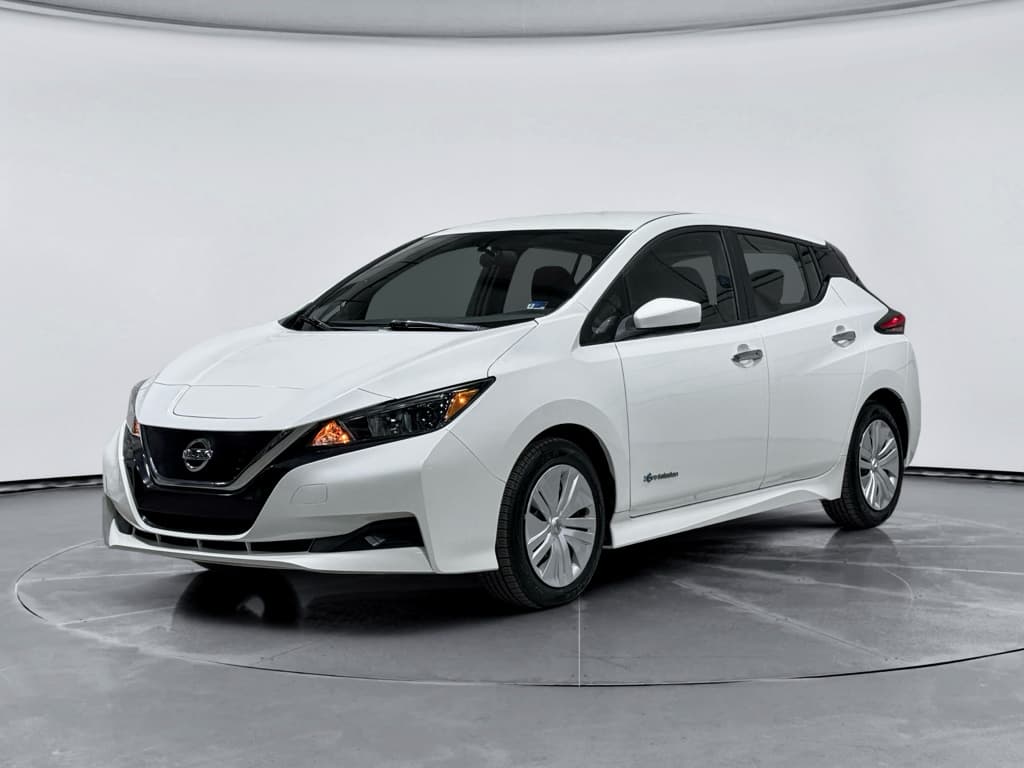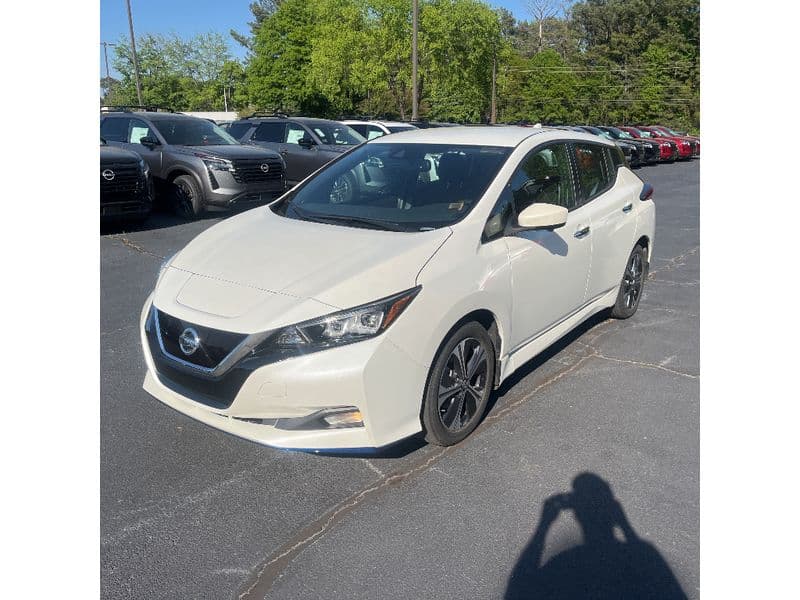
You’re not alone in wondering, “What is my Nissan Leaf worth?” The Leaf is the patron saint of early EV adopters, and one of the hardest cars to price because battery age, fast-charging history, and local incentives can swing its value more than the usual mileage and trim story.
Why Leaf values are all over the map
How much is my Nissan Leaf worth today?
Let’s get to the point. As of late 2025, a typical used Nissan Leaf in the U.S. advertises for around $12,000–$15,000 on mainstream marketplaces, with older cars dipping under $7,000 and newer Plus models stretching toward the high teens. Nationwide averages from large listing sites put the overall used Leaf average in the mid‑teens, with 2018 cars often around $9,000–$10,000 and 2023 models mid‑teens to high teens depending on battery size and miles.
That’s the list-price world. What your Leaf is actually worth to a private buyer, a dealer, or a specialist marketplace like Recharged depends on three questions:
- Which generation is it? (early 24 kWh, 40 kWh, or 62 kWh Plus)
- How healthy is the battery, really, not just the 12 bar display?
- Where you’re selling and how quickly you need it gone.
A 10‑second sanity check
Quick Nissan Leaf value table by year
Here’s a rough, reality‑check table based on late‑2024 to late‑2025 U.S. asking prices for clean‑title Leafs with average mileage and decent battery health. Think of these as ballpark private‑party / retail asking ranges, not guaranteed offers:
Approximate 2025 Nissan Leaf value by model year (U.S.)
Typical asking‑price ranges for clean‑title cars with average mileage and no obvious battery issues. Heavily degraded packs, accidents, or branded titles can sit thousands below these numbers.
| Model year | Typical battery | Typical asking range | Where yours probably lands |
|---|---|---|---|
| 2013–2015 | 24 kWh | $4,000–$6,500 | City runabout, short‑range commuter |
| 2016–2017 | 24/30 kWh | $4,500–$7,500 | Better pack, still bargain territory |
| 2018 | 40 kWh (Gen 2) | $8,000–$10,000 | Big jump in range; sought after |
| 2019–2020 | 40 kWh / 62 kWh Plus | $9,500–$13,000 | 40 kWh at low end, Plus at high end |
| 2021–2022 | 40 kWh / 62 kWh Plus | $12,000–$17,000 | Late‑model, warranty still in play |
| 2023–2024 | 40 kWh / 62–60 kWh Plus | $15,000–$20,000 | Nearly new; big spread by miles & spec |
These are guideposts, not appraisals. Your actual value will ride on battery health, miles, and local demand.
Important context
6 factors that really decide your Leaf’s value
What actually moves the number up or down
Year and mileage are just the opening bid; EV buyers are really shopping for usable range and peace of mind.
1. Model year & generation
2. Battery SOH & range
3. Mileage & usage pattern
4. Charging history
5. Title, accidents & recalls
6. Where you’re selling
Battery health: how many miles your Leaf still holds
With internal‑combustion cars, buyers peek under the hood and sniff the dipstick. With a Leaf, they’re trying to buy unseen electrons, usable kilowatt‑hours that translate into real‑world range. That’s why battery state of health (SOH) is now the number‑one driver of used EV value across the market.
How SOH and range change what your Leaf is worth
Nissan’s own bar display is intentionally vague. The first capacity bar usually disappears somewhere around 85% SOH, and then each bar represents roughly 6–7% of capacity. Many owners use LeafSpy (an OBD app) or third‑party battery reports to see a more precise number.
Why buyers are skittish about unknown batteries
This is exactly why Recharged includes a Recharged Score on every vehicle, with third‑party battery diagnostics and a transparent view of remaining range. If you sell a Leaf through Recharged, that data becomes your best sales pitch instead of a question mark.

Real-world price ranges by Leaf generation
Let’s break down values the way used‑EV shoppers actually think: by how far the thing will go and which generation of tech it carries.
1st‑gen Leaf (2011–2017, 24/30 kWh)
These are the EV world’s ultra‑budget hatchbacks. Many early cars now have meaningful degradation, especially from hot‑climate or DC‑fast‑charge‑heavy lives.
- Typical SOH: 70–85% if still on the original pack
- Real‑world range: 50–80 miles depending on climate and SOH
- Street pricing: Often $4,000–$7,000 for clean titles
They’re fantastic second cars or short‑hop commuters, but their limited range caps value no matter how clean the interior is.
2nd‑gen & Plus (2018–present, 40/62–60 kWh)
This is where most of the market action is. The redesigned 2018 Leaf brought a 40 kWh pack, better refinement, and far more usable range. The Plus models add even more battery and power.
- 40 kWh: 140–160 miles of realistic mixed driving when healthy
- 62/60 kWh Plus: 200+ miles in decent conditions
- Street pricing: Roughly $8,000–$20,000 depending on year, miles, and battery size
These cars still depreciate harder than some rivals, but that discount is exactly what makes them compelling used buys, and that supports your resale value if your battery tests well.
Where Recharged fits in
Ready to find your next EV?
Browse VehiclesHow to get a real number for your Leaf in 10 minutes
Online price charts are useful, but your Leaf doesn’t live in a lab. It lives in your driveway, with your miles and your charging habits. Here’s how to quickly move from “What is my Nissan Leaf worth?” to a defensible number you can actually negotiate with.
Step‑by‑step: from guess to grounded value
1. Decode your exact trim and battery size
Look up your VIN or check your window sticker/owner’s docs to confirm whether you have a 24, 30, 40, or 62–60 kWh battery, and which trim (S, SV, SL, Plus). This alone can swing value by several thousand dollars.
2. Gather the basics: miles, owners, history
Note the current mileage, number of owners, accident history, and whether you have a clean title. A one‑owner, no‑accident Leaf is always an easier sell than a mystery‑history auction refugee.
3. Get a battery health reading
If you can, run a LeafSpy report or ask for a professional SOH test. The closer you can get to a credible SOH percentage and real‑world range estimate, the more confident both you and buyers can be.
4. Check local listings within 250 miles
Browse a few large sites and filter to Leafs similar to yours by year, miles, and battery size. Pay attention to <strong>actual selling prices</strong> or realistic asking prices, not just the highest dreamers.
5. Get at least one instant offer
Even if you want to sell privately, use a specialist marketplace like <strong>Recharged</strong> or other online buyers to get a no‑obligation offer. It gives you a floor price and reveals how the professional market sees your car.
6. Adjust for condition & urgency
If your Leaf is exceptionally clean with strong battery health and no stories, you can aim above the instant‑offer range. If you need it gone this week, or the SOH is clearly low, expect to be closer to that floor, sometimes below.
Think of three numbers, not one
Tips to boost your Leaf’s resale value
You can’t add kilowatt‑hours, but you can absolutely add confidence. Used EV buyers are allergic to uncertainty; reduce that, and you raise what they’ll pay.
Simple moves that make your Leaf easier to say yes to
Most of these cost less than a single monthly payment on a new car.
Present it like a car, not an appliance
Organize records & battery proof
Include the right charging gear
Fix the cheap, obvious stuff
Don’t hide degradation
When it might make sense to keep your Leaf
Because the Leaf depreciates faster than some rivals, owners often hit a point where the car is worth more to them than to the market. That’s especially true for older, short‑range cars in good cosmetic condition.
- Your Leaf is fully paid off and cheap to insure.
- Your daily driving fits comfortably inside its current real‑world range.
- You’d replace it with something more expensive that doesn’t change your life dramatically.
- Battery health is fair but not catastrophic, so you’d be selling low and buying high.
In that case, the most financially rational play may be to drive it into the ground, treating the Leaf as an inexpensive, low‑maintenance appliance, and plan to upgrade only when range or repair costs genuinely pinch.
Or turn it into someone else’s perfect first EV
FAQs about Nissan Leaf value
Frequently asked questions about Nissan Leaf value
Bottom line: what your Nissan Leaf is really worth
Your Nissan Leaf’s worth isn’t a single magic number, it’s a story about how far it still goes, how honestly that range is documented, and how urgently you need to move on. A healthy‑battery, second‑generation Leaf with clean history can be a shockingly good value proposition in 2025, which is exactly why buyers will pay more for one that comes with proof and a calm backstory.
Use the ranges in this guide as guardrails, then ground them in reality with a battery report, a look at local listings, and at least one instant offer. If you want help turning your Leaf from “old EV” into a verified, easy‑to‑buy used EV, Recharged can appraise it, provide a Recharged Score battery report, and help you sell or trade it with as little friction as possible.