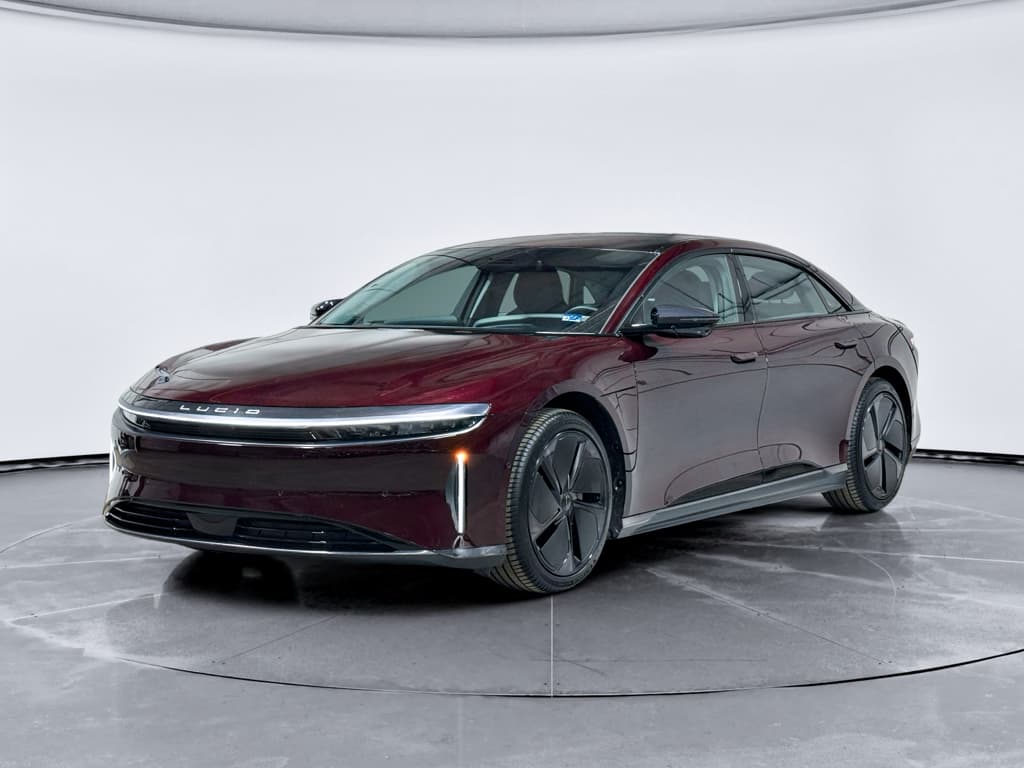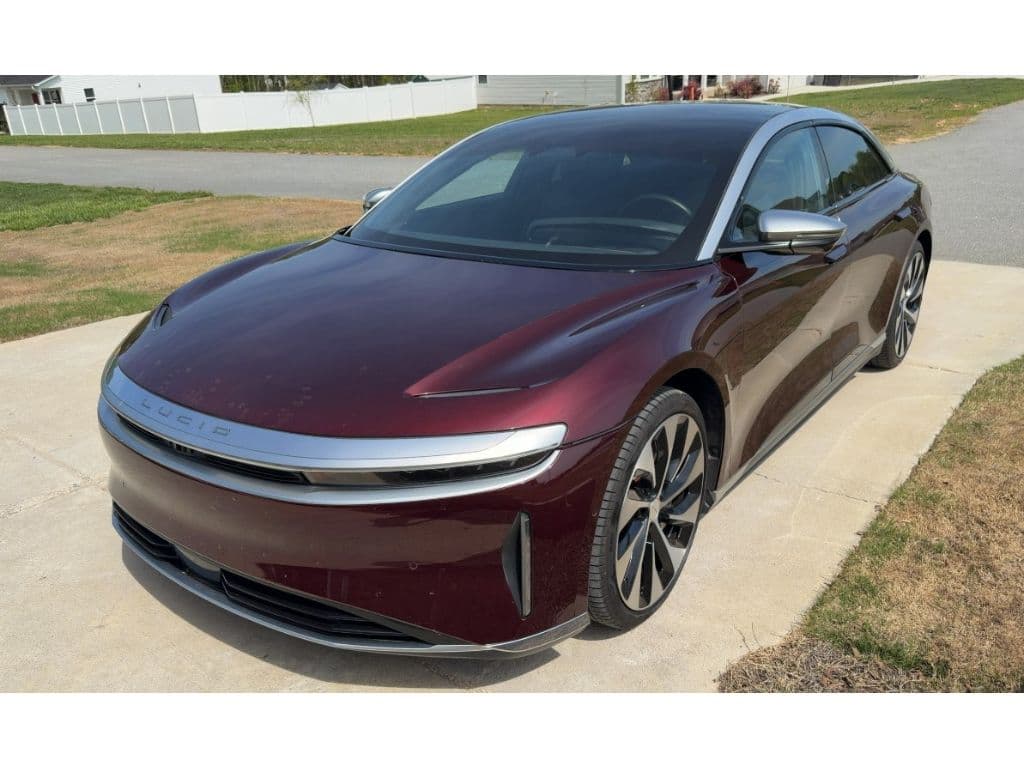
If you’re asking yourself, “What is my Lucid Air worth?” you’re not alone. Early Lucid buyers jumped in at premium prices, and now that the used EV market has matured, owners want to know where their cars really stand on resale and trade‑in value.
Quick answer
How much is my Lucid Air worth today?
When you ask what your Lucid Air is worth, you’re really asking for three different numbers:
- What a dealer would likely offer you on trade‑in
- What you could get selling it private‑party to another driver
- What a specialized EV retailer or marketplace like Recharged would pay, factoring in verified battery health and nationwide demand
Typical Lucid Air value ranges (early 2025)
Those are broad averages. Your specific Lucid Air could sit above or below those numbers. To narrow it down, start with this mental checklist:
5‑minute checklist to ballpark your Lucid Air’s value
1. Identify your exact trim and battery
Is it a <strong>Pure, Touring, Grand Touring, Dream Edition, or Sapphire</strong>? Range and performance levels matter. High-range, high‑horsepower trims usually retain more value.
2. Note model year and in‑service date
A 2021 that’s been on the road four years will be worth meaningfully less than a 2023 that’s only seen two years of use, even with similar miles.
3. Record current mileage
Under 15,000 miles is excellent, 15,000–30,000 miles is typical for a 2–3‑year‑old EV, and beyond 40,000 miles starts to pull values down more noticeably on luxury models.
4. Evaluate cosmetic and wheel condition
Curb rash on those large aero wheels, paint chips, and interior wear all signal to buyers (and algorithms) that the car hasn’t been babied, and they’ll price accordingly.
5. Gather your service and charging history
Documented software updates, warranty repairs, and a history of mostly DC fast‑charging vs. home Level 2 charging can influence both real battery health and buyer confidence.
Once you have those basics, you can plug your car into valuation tools, browse comparable listings, and, importantly for a Lucid, look closely at battery health, which we’ll cover next.
How trim, mileage, and options change Lucid Air value
Lucid launched the Air as a halo luxury EV, and its value curve behaves more like a high‑end German sedan than a mainstream crossover. The spread between an early Air Pure and a Sapphire can be six figures, so knowing where you sit in the lineup is step one.
How different Lucid Air trims typically stack up on the used market
Broad positioning of common Lucid Air configurations relative to each other. Exact values vary by year, software and hardware updates, and condition.
| Trim | Original Positioning | Typical Used Value Position (vs. other Lucid Airs) | Key Value Drivers |
|---|---|---|---|
| Pure | Entry luxury, rear‑drive or dual‑motor in some years | Lowest to mid | Battery size, range rating, whether it has AWD, basic vs. upgraded interior |
| Touring | Mid‑range, dual‑motor AWD | Mid | Extra power and AWD, popular equipment mix, perceived sweet‑spot |
| Grand Touring | Long‑range, high‑output luxury | Upper mid to high | Flagship‑level range, high MSRP new, sought‑after by long‑distance drivers |
| Dream Edition | Limited‑run launch halo car | High but thin market | Rarity, collector appeal, unique badging and specs |
| Sapphire | Top‑of‑line performance halo | Highest but few comps | Extremely rare, track‑focused, price determined more by enthusiast demand than guidebooks |
Higher trims with more range, performance, and options tend to retain more value, but they also started from a much higher MSRP.
After trim, buyers and valuation tools look at mileage and usage pattern:
- Under ~10,000 miles per year: seen as gently used, especially for a luxury EV
- Around 12,000–15,000 miles per year: considered normal usage
- Well above 15,000 miles per year: pushes your Lucid Air into “high‑miles for the segment,” and values tend to soften
Don’t forget options
Battery health: the number one value driver
With any used EV, and especially a high‑range car like the Lucid Air, battery state of health (SOH) is the single biggest factor that separates a “great buy” from a risky one. A Lucid Air with 90%+ battery health is a different proposition than one that’s slipped into the low 70s, even if everything else looks the same.
Battery health benchmarks for used EV value
Lucid’s large battery packs and efficient drivetrains mean that even with some degradation, real‑world range can remain very usable. But the perception of battery health matters just as much as the actual number, because buyers are thinking about long‑term ownership and replacement costs.
How Recharged approaches battery health
High battery health (85–100% SOH)
- Supports asking prices at the top of the guide‑book range for your trim and miles.
- Makes your car stand out against similar‑year competitors without documentation.
- Particularly valuable in colder regions where range anxiety is real.
Low or unknown battery health
- Pushes buyers to discount heavily to “budget for” a future battery issue.
- Can make some lenders and extended‑warranty providers cautious.
- Often leads to slower sale times or more aggressive trade‑in deductions.
Depreciation: what Lucid Airs are actually selling for
Like most luxury EVs, the Lucid Air has seen sharp early depreciation. That’s tough news if you bought new at launch, but it can work in your favor now that you’re thinking about selling, there’s a growing base of shoppers who would love an Air but can’t justify a $90,000–$200,000 sticker.
Lucid vs. typical EV depreciation
Guidebook snapshot: how a newer Lucid Air can be valued
Illustrative example based on public guidebook data for late‑model Lucid Airs. Your results will vary by year, trim, miles, and zip code.
| Model Year / Trim (example) | Original MSRP (approx.) | Recent Guide “Fair Purchase” Price from Dealer | Implied Retained Value |
|---|---|---|---|
| 2024 Air Pure | $73,000 | $38,000–$40,000 | ~52–55% |
| 2024 Air Touring | $81,000 | $45,000–$47,000 | ~55–58% |
| 2024 Air Grand Touring | $111,000 | $61,000–$64,000 | ~55–57% |
Think of these numbers as a starting range, your battery health, options, and local demand can move you up or down.
Guides like Kelley Blue Book and Edmunds also publish trade‑in ranges. It’s common to see a 20–30% gap between private‑party estimates and rough trade‑in numbers on a high‑dollar car like this, because dealers have to cover reconditioning, transport, and profit.
Use guides as a sanity check, not a verdict
Market factors that can move your value up or down
Even if nothing about your Lucid Air changes, the market around it does. A few levers outside your control can nudge your car’s value:
Key market levers for Lucid Air value
Some of these you can hedge against with good timing.
New EV pricing swings
Financing and interest rates
Regional demand
Policy and incentives
Competing models
Overall used EV sentiment
How to get a realistic value for your Lucid Air
The most accurate answer to “What is my Lucid Air worth?” comes from combining data, comps, and expert eyes. Here’s a practical way to approach it:
Step‑by‑step: dial in your Lucid Air’s value
1. Pull 2–3 online value estimates
Use at least two major guides (for example, Edmunds and Kelley Blue Book) and be honest about condition and options. Save or print those estimates.
2. Search real‑world listings
Browse used‑car sites and EV‑focused marketplaces for Lucid Airs similar to yours, same year, trim, and within 10–15,000 miles. Look at both <strong>listed ask prices</strong> and how long cars have been sitting.
3. Get a battery health report
If you don’t already have one, schedule a battery health check. A verified SOH report can help you justify pricing at the upper end of the range and shorten time to sale.
4. Request instant offers
Get a few <strong>no‑obligation offers</strong> from EV‑savvy buyers. With Recharged, you can submit your Lucid Air details online and receive a data‑backed instant offer or discuss <strong>consignment</strong> if you want to target an even higher number.
5. Decide your selling strategy
Compare private‑party possibilities, dealer trade‑in, and specialty options like Recharged. Your goal isn’t to chase the single highest theoretical number, it’s to maximize your real cash in a reasonable time with a risk level you’re comfortable with.
Selling vs. trading in your Lucid Air
Once you have a handle on what your Lucid Air is worth on paper, the next decision is how to turn it into cash, or into your next EV. Each path has trade‑offs.
Dealer or direct trade‑in
- Pros: Fast, convenient, especially if you’re already buying another vehicle.
- Cons: Typically the lowest dollar amount you’ll see; many franchise dealers are still learning how to price and retail a niche EV like the Lucid Air.
- Best for: Owners prioritizing speed and simplicity over squeezing every last dollar out of the car.
Private‑party or EV‑specialist sale
- Pros: Often several thousand dollars more than a conventional trade‑in, especially if you have strong battery documentation and a desirable spec.
- Cons: More time, test drives, and paperwork. You’ll handle questions about charging, software, and warranty coverage.
- Best for: Owners willing to invest a bit more effort to capture the true enthusiast value of their Lucid Air.
Where Recharged fits in
How Recharged values a used Lucid Air
Because Lucid Airs are still relatively rare, many traditional dealer systems simply don’t know what to do with them. At Recharged, we look well beyond a single book number.
The Recharged approach to Lucid Air valuation
Why your number from an EV‑specialist may differ from a generic trade‑in quote.
Verified battery diagnostics
Nationwide EV demand data
Trim, software & hardware nuances
Ready to find your next EV?
Browse VehiclesAll of that rolls into a clear offer and, if you choose to sell through Recharged, a full Recharged Score Report we share with buyers so they understand exactly what they’re getting. The goal is to make your Lucid Air stand out for the right reasons and minimize last‑minute price haggling.
Tips to increase what your Lucid Air is worth
You can’t go back and change what you paid or how the broader market has moved. But you can take some practical steps right now to nudge your Lucid Air toward the top of its value range.
7 ways to maximize your Lucid Air’s value before you sell
1. Get it professionally detailed
A proper exterior and interior detail, including wheel touch‑up where possible, helps your Lucid Air photograph well and telegraphs careful ownership.
2. Fix inexpensive cosmetic issues
Address obvious, low‑cost items like missing trim caps, fogged headlights, or minor upholstery repairs. You usually won’t recoup major body work, but <strong>small fixes pay off</strong>.
3. Gather service and software records
Print or download your Lucid service history and any documentation of over‑the‑air updates, recalls, or warranty work. Organized paperwork makes your car feel “known” and reduces buyer anxiety.
4. Document charging habits and battery health
If you’ve mostly charged at home on Level 2 and rarely fast‑charged, say so, and back it up with a <strong>battery health report</strong>. Savvy buyers will pay for that peace of mind.
5. Time your sale wisely
List before major holidays or tax‑refund season, and consider selling ahead of big new EV launches that might temporarily distract shoppers from used Lucid Airs.
6. Price with a clear strategy
Start a bit above the middle of your researched range, then be prepared to adjust if you’re not getting inquiries within a couple of weeks. Overpricing from day one can make a high‑end EV linger.
7. Consider consignment with an EV specialist
If you want near‑retail money without doing all the legwork, a consignment program like Recharged’s lets professionals handle marketing, buyer education, and negotiation while you stay insulated from the grind.
Avoid these value‑killing mistakes
Frequently asked questions about Lucid Air value
Lucid Air value FAQ
Bottom line: what your Lucid Air is worth
Your Lucid Air’s true worth isn’t a single static number, it’s a range, influenced by trim, mileage, battery health, condition, and how and where you choose to sell. In early 2025, many Lucid Airs are landing somewhere between roughly half and two‑thirds of their original MSRP, with rare, low‑mile or high‑performance examples reaching higher.
If you want to see where your car fits in that spectrum, combine online value tools with real‑world comps and a thorough battery health check. From there, you can decide whether a quick trade‑in, a patient private sale, or an EV‑focused partner like Recharged is the right way to turn your Lucid Air into cash, or into your next electric vehicle.
The good news is that the used EV market has matured. Buyers now understand the appeal of a well‑kept Lucid Air with verified range and a transparent history. Present your car thoughtfully, lean on solid data, and you’ll be in a strong position to answer the question, “What is my Lucid Air worth?” with confidence, and to back it up when the offers start coming in.