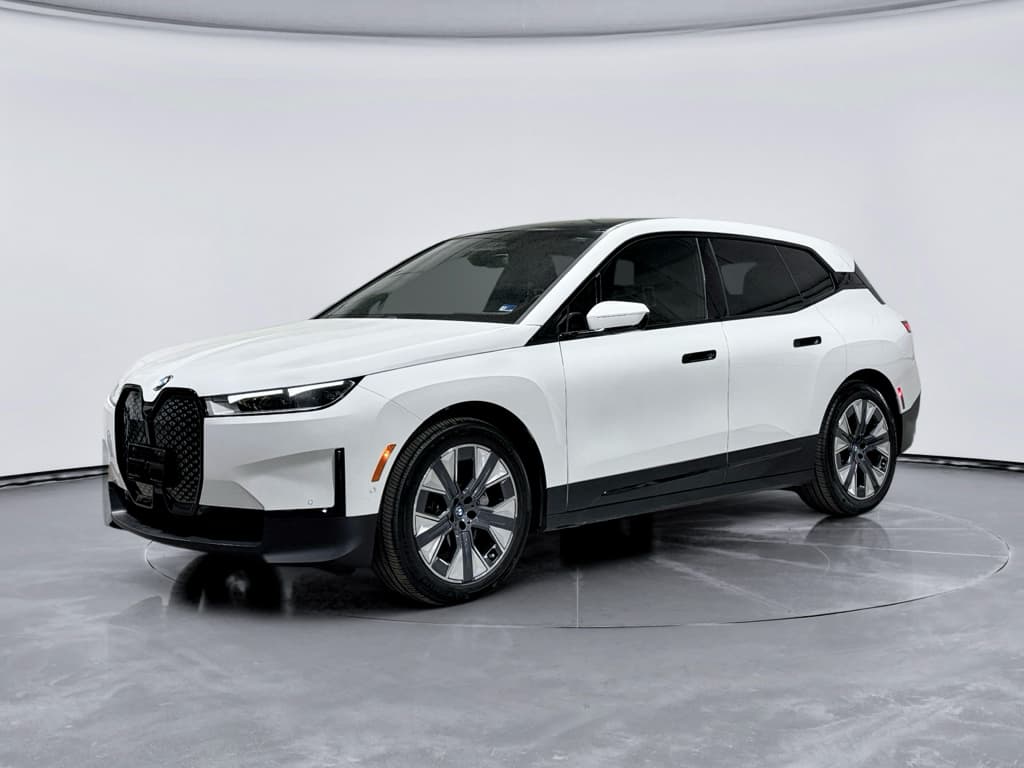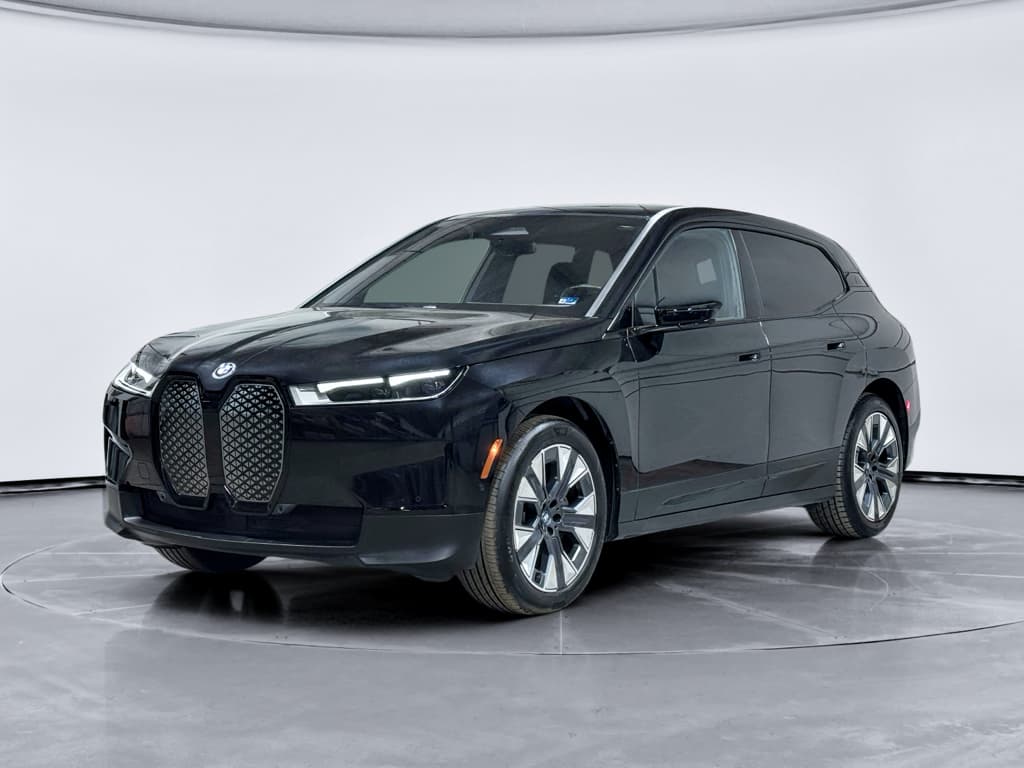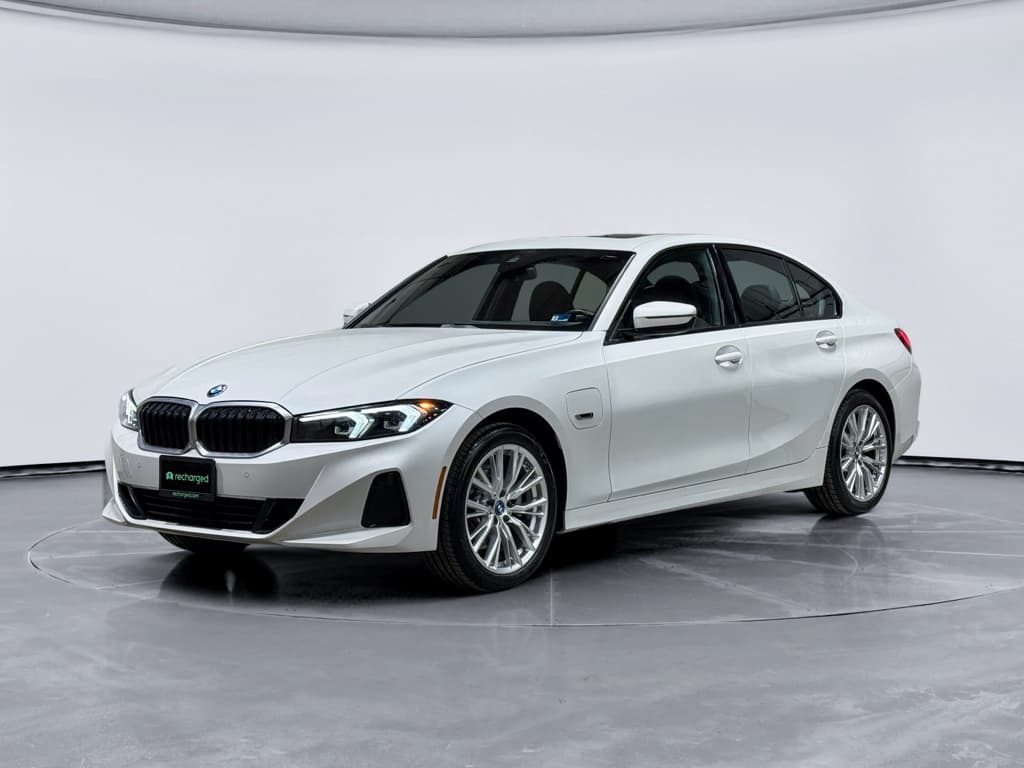
The 2023 BMW i4 arrived with a lot of promise: classic BMW driving feel, a minimalist EV powertrain, and the sort of badge prestige that sells cars in the valet lane. But if you’re looking at one on the used market, the question isn’t "Is it fun?" It’s **how reliable is the 2023 BMW i4**, and what’s that going to mean for your wallet over the next 5–10 years.
Big picture on 2023 i4 reliability
Is the 2023 BMW i4 reliable?
Short answer: for an early‑generation BMW EV, **the 2023 i4 is shaping up as a solid bet**. Its battery and motors are proving dependable, and there’s no epidemic of catastrophic failures. Most owner complaints cluster around software, occasional charging glitches at public stations, and the usual luxury‑car nuisances like squeaks, rattles, and finicky driver‑assist tech.
- The eDrive40’s single‑motor setup is mechanically simple and has shown few serious failures.
- The dual‑motor M50 adds complexity but no widespread reports of drivetrain failure.
- High‑voltage battery packs appear stable with modest degradation so far.
- Most headaches are "annoyances", infotainment freezes, wireless CarPlay drops, or false driver‑assist warnings, rather than stranded‑on-the-shoulder events.
Check how the car was used
How the 2023 BMW i4 compares to other EVs on reliability
Versus Tesla Model 3
- Pros for i4: More traditional build quality, quieter cabin, and a dealer network many owners still prefer for warranty work.
- Cons for i4: Tesla’s software tends to be more cohesive; the Supercharger network is still the gold standard for dependability and ease of use.
Versus Polestar 2 & Mercedes EQE
- Polestar 2: Similar early‑EV teething issues with software; some reports of more frequent minor bugs than in the i4.
- Mercedes EQE: Plush but complex; more tech means more to go wrong, and warranty service can be pricey.
In the real world, the 2023 i4 sits in the **upper middle of the pack for premium EV reliability**. It’s not the bulletproof Toyota Prius of the EV world, but it isn’t a fragile science experiment either. If you can live with the occasional software tantrum, the fundamentals, battery, motors, structure, are tracking well.
2023 BMW i4 ownership snapshot
Battery health and range degradation on the 2023 i4
If you’re shopping EVs, you’re really shopping **batteries with seats attached**. The 2023 BMW i4’s pack, roughly 70–83 kWh usable depending on variant, has been behaving like a modern, well‑managed pack should: modest degradation so far, especially for cars mainly AC‑charged.
- Most owners report only a small drop in indicated range after the first 1–2 years, often in the single‑digit percentage range.
- BMW’s thermal management is conservative, keeping the pack in a healthy temperature window.
- Because the i4 is heavy and powerful, energy use is higher at highway speeds, but that’s efficiency, not reliability.
Fast charging habits matter
At Recharged, every used EV gets a **Recharged Score battery‑health diagnostic**, which looks beyond the dashboard guess‑o‑meter and into real capacity and charging behavior. That gives you a clearer view of how a specific 2023 i4 has aged compared with its peers.
Common issues reported on the 2023 BMW i4
Modern EVs are computers with wheels, and the i4 is no exception. The "problems" you’re likely to hear about aren’t blown motors, they’re misbehaving pixels and overeager sensors. Here are the main themes owners talk about:
Typical 2023 i4 trouble spots
Mostly livable quirks, if you know to expect them
iDrive 8 Infotainment glitches
Occasional freezes, slow boot‑ups, or dropped Apple CarPlay / Android Auto connections. Often fixable with over‑the‑air or dealer software updates.
Driver‑assist false alarms
Lane‑keep and collision‑warning systems can be overly cautious, chiming or nudging the wheel when nothing dramatic is happening. Sensor recalibration usually helps.
Squeaks, rattles & trim
A stiff chassis plus big wheels equals noises on bad pavement. Not a safety issue, but worth checking on a test drive.
Charging network hiccups
Not the car’s fault per se, but some owners report handshake issues at specific DC fast‑charging brands. Keeping software current and carrying a backup charging app/plan helps.
Cold‑weather range loss
Like every EV, the i4 loses noticeable range in winter. Pre‑conditioning and smart charging habits reduce the pain.
12V battery warnings
Some premium EVs, BMW included, occasionally throw low 12V battery messages. Ignoring them can turn a minor service visit into a no‑start headache.
Walk away from these red flags
Maintenance and running costs for a 2023 BMW i4
The 2023 i4 is still a BMW, there’s leather, glass, aluminum, and pride involved, so you shouldn’t expect Honda‑Civic running costs. But compared with a gas 4 Series Gran Coupe, **an i4 is generally cheaper to live with day‑to‑day**.
Typical ownership costs: 2023 BMW i4 vs gas BMW 4 Series
Broad patterns, not hard quotes, actual numbers depend on your region, driving, and shop rates.
| Cost area | 2023 BMW i4 | Gas BMW 4 Series |
|---|---|---|
| Oil & fluids | No oil changes; occasional coolant service for battery/thermal system | Regular oil changes, transmission service, fluids |
| Brakes | Longer pad life thanks to strong regen braking | More frequent pad/rotor replacements |
| Tires | Similar or slightly higher, heavy, torquey EV eats performance tires | Similar; performance trims also wear tires quickly |
| Exhaust & emissions | None | Exhaust, catalytic converters, emissions components |
| Routine dealer visits | Light inspections and software updates | Heavier, more frequent mechanical services |
EVs shift most of your spend from the service bay to your electric bill.
Independent EV‑savvy shops can save you money
Charging at home on a reasonable electricity plan is usually cheaper per mile than feeding a turbo‑four premium gas. Public DC fast charging is pricier, so your real running costs depend on how often you’re living at the plug in public.
Warranty coverage and what it really protects
BMW gave the 2023 i4 a warranty package in line with its other vehicles, with extra coverage on the EV bits that matter. When you’re evaluating reliability, you’re also evaluating **how much of the risk BMW is still covering**.
- High‑voltage battery: typically 8 years / around 100,000–120,000 miles (check exact terms for the car you’re looking at).
- Electric drive components (motor, inverter, etc.): usually included under EV‑specific or powertrain coverage for several years.
- Basic bumper‑to‑bumper: covers most electronics, interior trim, and comfort features for the original new‑car term.
- Corrosion and roadside assistance: vary by region and program; still worth confirming.
Why paperwork matters on a used i4
Reliability checklist for buying a used 2023 i4
You don’t need to be an engineer to judge whether a 2023 BMW i4 is a smart used buy. You just need a structured approach and the right tools. Here’s a **practical reliability checklist** you can run through in an afternoon.
Used 2023 BMW i4 reliability checklist
1. Pull a detailed battery-health report
Don’t rely only on the dashboard range guess. At Recharged, the Recharged Score includes a battery‑health diagnostic that compares that specific i4’s pack against similar vehicles by age and mileage.
2. Review DC fast‑charging history
Ask how often the car was rapid‑charged. Occasional road‑trip use is fine; daily reliance on 150–350 kW fast chargers is a yellow flag for long‑term battery health.
3. Inspect charging and high‑voltage warnings
Scan for any history of high‑voltage system faults, repeated charging errors, or mysterious "drivetrain" messages. One event that was fixed is fine; a pattern is not.
4. Test all driver‑assist and infotainment features
On the test drive, intentionally use lane‑keep, adaptive cruise, parking sensors, 360‑camera, CarPlay/Android Auto, and voice commands. You’re looking for glitches, not just outright failures.
5. Listen for squeaks and rattles
On rough pavement, pay attention to noises from the dash, doors, and hatch. A few sounds are normal, but a chorus of rattles can signal interior wear or past accident repairs.
6. Confirm tire condition and alignment
Uneven tire wear on a heavy EV like the i4 can hint at alignment issues or bent suspension components. Replacing a set of staggered performance tires isn’t cheap.
7. Check for completed recalls and updates
BMW routinely issues software and hardware campaigns. Ensure the car you’re considering is fully up to date, your BMW service department can confirm by VIN.
Let Recharged do the homework for you
Ready to find your next EV?
Browse VehiclesIs a used 2023 BMW i4 a good buy?
If you want a premium EV that feels more like a BMW than a rolling smartphone, **a well‑chosen 2023 i4 can be an excellent used buy**. The underlying EV platform has been stout so far, the battery management is conservative, and the car itself is deeply civilized, quiet, quick, and comfortable.
Who the 2023 i4 suits best
- Drivers with a home or workplace charger who can avoid living on DC fast charging.
- Buyers who value BMW road manners and cabin quality over maximum range per dollar.
- Owners comfortable visiting a BMW dealer or trusted independent shop for the occasional software or hardware quirk.
Who should think twice
- Road‑warriors who rack up huge highway mileage and rely on public chargers every day.
- Shoppers who want "set‑it-and-forget‑it" simplicity above all and are allergic to any kind of tech glitch.
- Budget buyers who can’t comfortably handle premium‑brand parts and tire prices.
Reliability is never a guarantee; it’s a probability game. The 2023 BMW i4 stacks the odds in your favor as long as you vet the specific car in front of you, battery health, charging history, and software status, rather than trusting the badge alone. If you’d like a curated short list of well‑vetted i4s, Recharged can help you compare options, arrange financing, value your trade‑in, and deliver the car to your driveway with its reliability story already told.