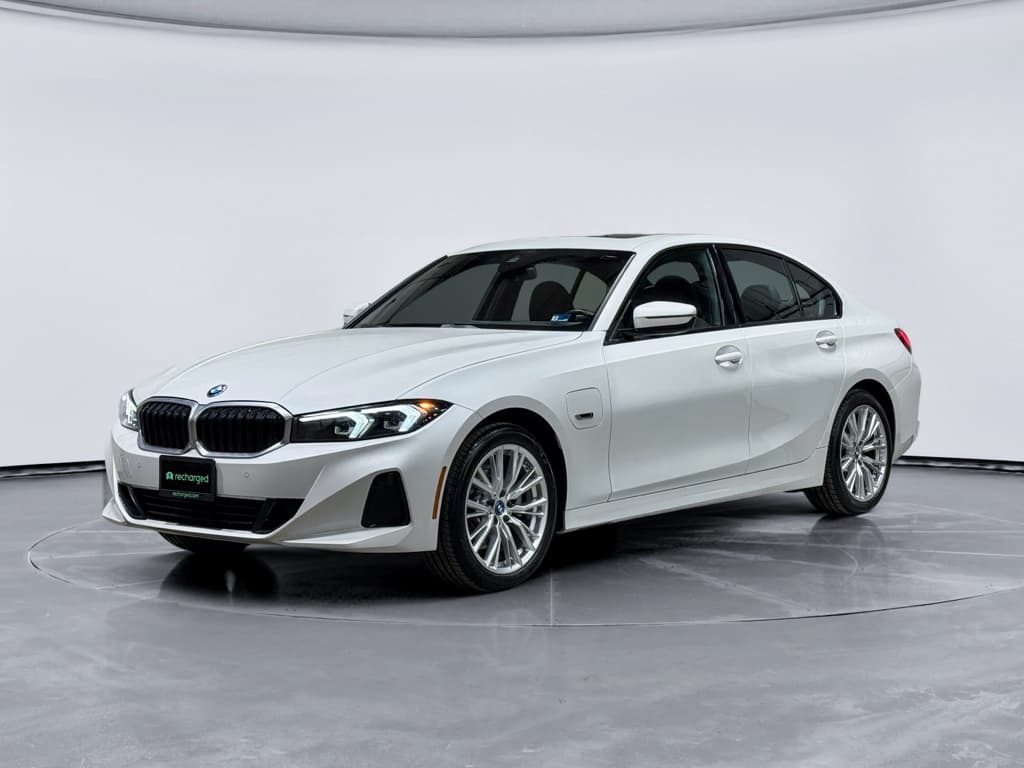
If you’re asking, “What is my BMW i4 worth?” you’re not alone. The i4 has become a go‑to premium EV, and many early owners are now reaching the point where it’s time to trade, sell, or move into something new. Your car’s exact value will come down to its model year, mileage, trim, options, and, uniquely for EVs, battery health.
Quick answer
BMW i4 value at a glance
Current BMW i4 price snapshot (U.S., early 2026)
These figures are directional, but they line up with what you’ll see on pricing tools and classified listings. For example, pricing trackers show an **average used BMW i4 price around the low-$40,000s**, with 2022 models typically in the low-$30,000s and 2024 cars clustering in the high-$30,000s to low-$40,000s depending on trim and mileage.
Don’t anchor on MSRP
How much is my BMW i4 worth right now?
To tighten that wide range into something closer to your car, think in terms of three buckets: **model year**, **miles**, and **trim/condition**. Here’s a ballpark view for i4s in good condition with typical mileage for their age:
Approximate BMW i4 value ranges by model year
These are rough U.S. retail/transaction ranges in early 2026. Your actual value can fall above or below these bands based on mileage, options, and battery health.
| Model year | Typical miles | Likely value band* | Notes |
|---|---|---|---|
| 2022 BMW i4 | 30,000–45,000 | $30,000–$37,000 | Early eDrive40/eDrive35 cars; higher miles or accidents trend toward the low end. |
| 2023 BMW i4 | 20,000–35,000 | $32,000–$40,000 | Slightly stronger values; desirable builds can push above $40k. |
| 2024 BMW i4 | 10,000–25,000 | $36,000–$45,000 | Many 2024s still under factory warranty; performance M50 and xDrive40 trims command premiums. |
| 2025 BMW i4 | Under 15,000 | $45,000–$55,000+ | Very new cars; values vary widely by trim, equipment, and whether they’re effectively “demo” vehicles. |
Use this table as a starting point, then refine using appraisal tools and an EV-focused inspection.
About these numbers
- A mainstream valuation tool (Kelley Blue Book, Edmunds, etc.) for a baseline.
- Recent listings in your area for the same year and trim.
- An EV‑specific buyer like Recharged, which can factor in actual battery health, not just book values.
What actually drives your BMW i4’s value
6 biggest factors that move your BMW i4’s price
Trim and battery health often matter more than cosmetic details on EVs.
1. Model year
2. Mileage
3. Battery health
4. Trim & options
5. Condition & history
6. Local demand
Small details still matter
BMW i4 depreciation: how fast does it drop?
Electric luxury sedans, including the i4, tend to depreciate faster than mainstream EVs. New EV technology is moving quickly, tax-credit rules keep shifting, and newer models offer more range for the money. That all pressures used prices.
- A 2025 BMW i4 is projected by cost‑to‑own data to lose roughly **$32,000 in value over five years**, or around 45–50% of its original MSRP.
- Independent depreciation models for earlier i4 years show **around 39% loss over the first three years** for the eDrive40 line.
- Comparative studies suggest the BMW i4’s 5‑year depreciation is **steeper than a Tesla Model 3**, meaning the Tesla tends to hold its value better over the same period.
Good news for buyers, mixed news for sellers
Trim, year, and battery: how they change what your i4 is worth
eDrive35 & eDrive40
These rear‑drive trims are the entry point into i4 ownership. They typically:
- List for **less than M50** models on the used market.
- Appeal to efficiency‑minded buyers and commuters.
- Hold decent value when equipped with popular packs (Premium, driver assistance, heated seats).
A well‑optioned 2023 eDrive40 can match or beat a lightly equipped M50 with higher miles.
xDrive40 & M50
These dual‑motor and performance models carry the strongest MSRPs and tend to remain the most desirable used i4s. Expect:
- Higher asking prices, often **$4,000–$8,000 above** comparable single‑motor trims.
- More sensitive buyers, who care about brake wear and tire condition.
- Better results in enthusiast‑heavy markets where performance matters.
If you own an M50 in clean condition, you’re near the **top of the i4 value curve** for your model year.
Be honest about prior fast charging
How battery health affects BMW i4 resale value
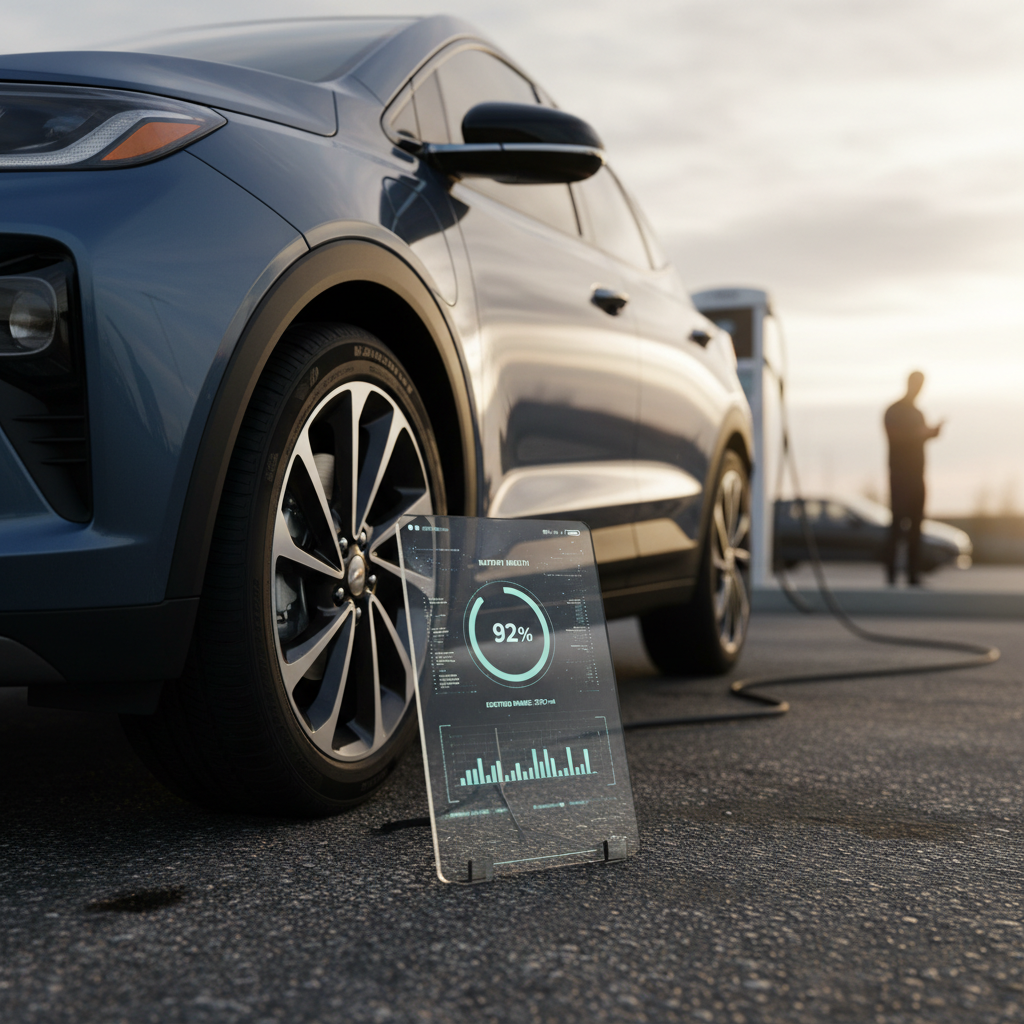
With EVs, **battery health is the new engine compression test**. Two i4s that look identical on the outside can be thousands of dollars apart if one has lost noticeable capacity and the other is still close to factory spec.
Battery health vs. value: what buyers think
What a detailed health report can do for your asking price.
Healthy pack (90–100% of original)
Moderate degradation (80–90%)
Noticeable loss (<80%)
Where Recharged fits in
Ready to find your next EV?
Browse VehiclesMarket trends: luxury EVs vs. mainstream models
The broader EV market has shifted quickly since 2022. Mainstream models like the Tesla Model 3 and mass‑market crossovers now dominate used‑EV supply. Meanwhile, high‑spec luxury EVs, including the BMW i4, are carving out a more niche role.
- Price cuts and tax‑credit changes on new EVs have pulled used values down across the board.
- Data from pricing trackers show that **non‑Tesla EVs now often command stronger average prices** than used Teslas, which have been hit by oversupply and aggressive discounting.
- Luxury compact EVs like the i4 sit between mass‑market sedans and ultra‑luxury offerings (EQE, Taycan), so their values depend heavily on local demand and lease‑return supply.
What this means for your i4
Selling options: trade-in, private sale, or EV specialist?
1. Trade-in at a dealer
Pros:
- Fast and convenient, especially if you’re buying another car.
- Can reduce sales tax on your next purchase in some states.
Cons:
- Offer is usually **lower than private sale** value.
- Many dealers don’t fully value EV‑specific features like battery health.
2. Private-party sale
Pros:
- Highest potential selling price.
- More control over who buys your car and at what terms.
Cons:
- More time‑consuming: photos, listings, test drives, paperwork.
- Requires you to explain EV details (range, charging) to shoppers.
3. EV specialist or marketplace
Pros:
- Teams that understand EVs can **accurately value your BMW i4**.
- Options like instant cash offers, trade‑ins, or consignment.
- Support with photos, listings, buyer questions, and shipping.
Cons:
- May involve a service fee or commission, especially for consignment.
How Recharged can help you sell
Steps to maximize what your BMW i4 is worth
Pre‑sale checklist for a stronger BMW i4 offer
1. Document battery health and charging habits
Pull range screenshots at 100% charge, note any high‑speed DC fast‑charging use, and, if possible, get a third‑party battery health report. This reassures buyers and supports a higher number.
2. Gather maintenance and software records
Print or save service history from your BMW dealer or trusted shop. Include tire rotations, brake checks, recalls, and software updates, especially for charging and driver‑assist systems.
3. Fix inexpensive cosmetic issues
Touch‑up paint, wheel rash repair, and a professional interior/exterior detail can make your i4 photograph, and show, like a much newer car, often for a few hundred dollars.
4. Price realistically against the market
Look up your VIN on valuation tools, then compare to live listings with similar year, trim, miles, and options. If you need to sell quickly, price slightly below the pack.
5. Highlight EV‑specific features in your listing
Call out range, charging speed, included charging cables or home chargers, driver‑assist options, and any remaining battery or new‑car warranties.
6. Consider nationwide exposure
If your local market is thin on EV shoppers, selling through a marketplace that supports **nationwide delivery**, like Recharged, can put your i4 in front of more qualified buyers.
Avoid these value killers
BMW i4 value FAQ
Frequently asked questions about BMW i4 value
Key takeaways on what your BMW i4 is worth
Your BMW i4’s value is the sum of a few big forces, **model year, miles, trim, condition, and especially battery health**, filtered through what today’s EV shoppers are actually paying. In early 2026, many i4s fall somewhere between the low‑$30,000s and low‑$50,000s, but the only way to know where your car lands is to pair **data from pricing tools** with an honest look at your vehicle and your local market.
If you’d like EV‑savvy help, Recharged can provide a transparent offer or list your BMW i4 with a **Recharged Score battery‑health report**, fair‑market pricing, and nationwide visibility, so you don’t leave money on the table, and your next electric chapter starts on the right foot.