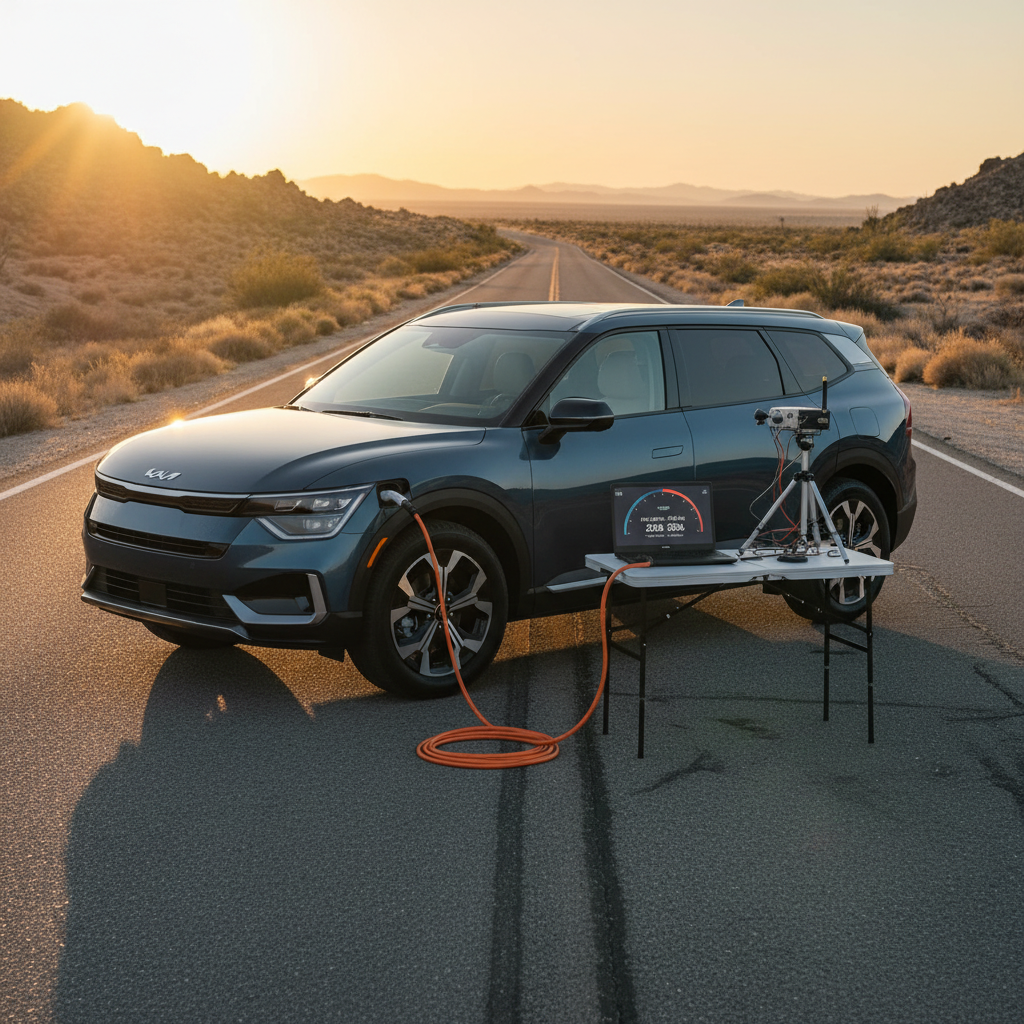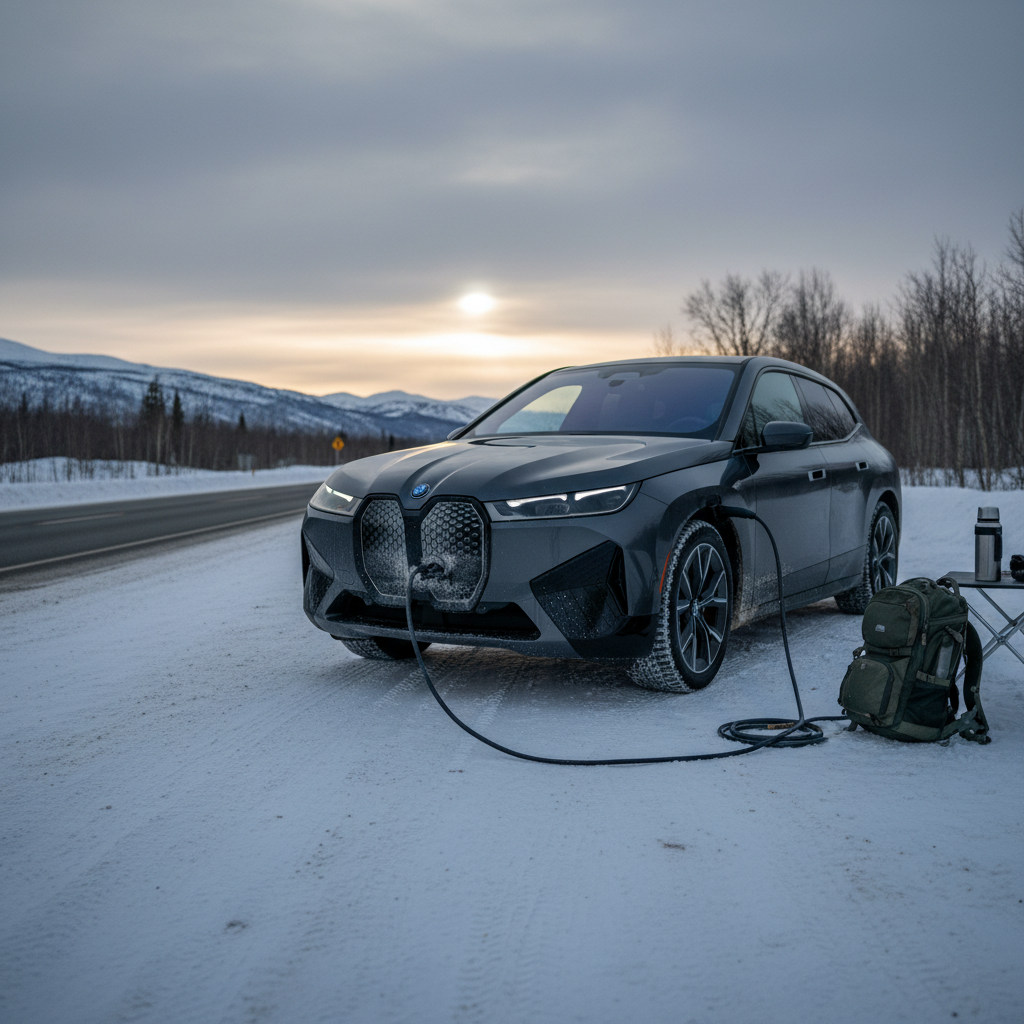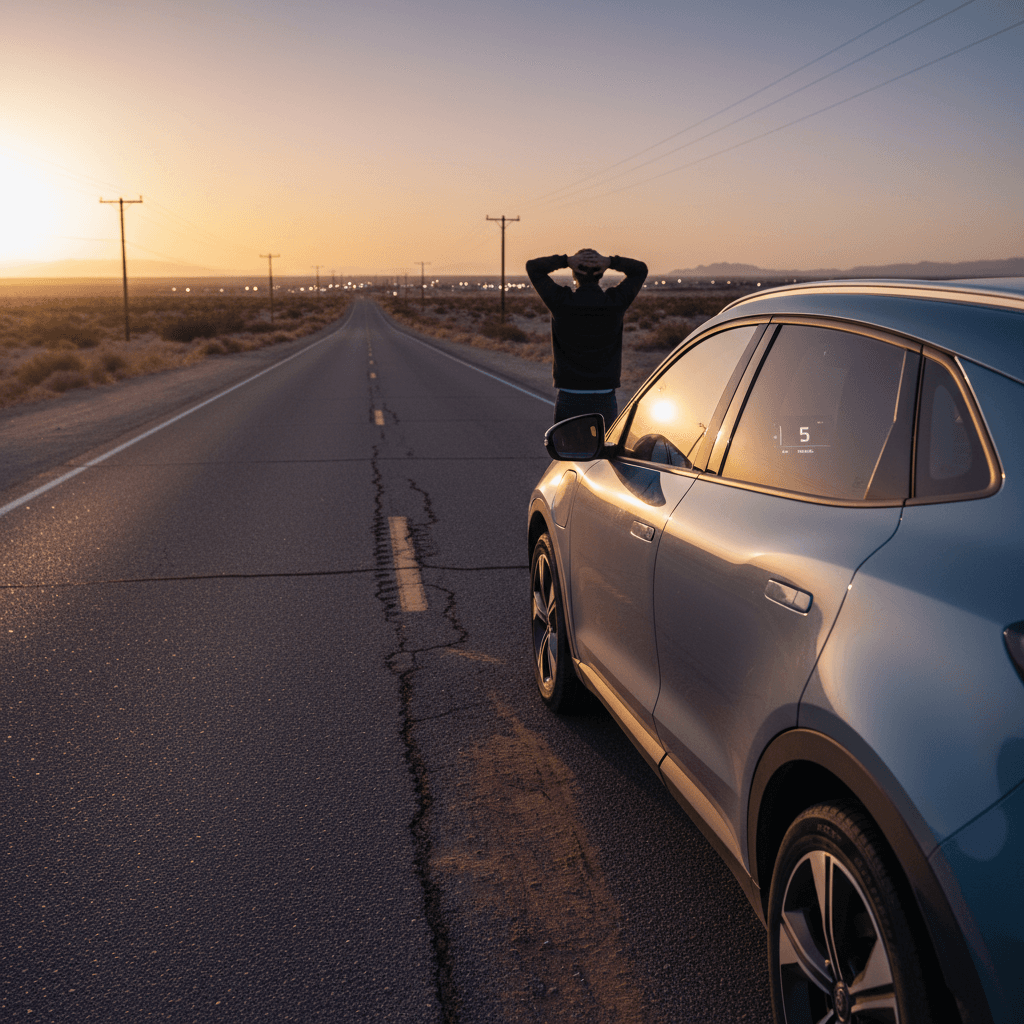
EV shoppers ask about one thing more than price, performance, or tech: “What happens if I run out of range?” That fear has a name, EV range anxiety, and it’s often a bigger psychological hurdle than a real-world problem. Understanding what EV range anxiety is, what actually causes it, and how today’s charging landscape looks will help you decide if an electric vehicle fits your life, especially if you’re considering a used EV.
Quick definition
What is EV range anxiety?
In simple terms, EV range anxiety is the worry that your electric car won’t have enough charge to get you where you need to go, and that you’ll be stranded without a way to plug in. It shows up as constantly checking the range display, avoiding longer trips, or even crossing EVs off your shopping list because the idea of running out of power feels too risky.
- With gas cars, you assume there’s always a station nearby. With an EV, you might not be sure where the next charger is, or if it will work.
- You may not yet trust the range estimate on the dash, especially in bad weather or at highway speeds.
- News stories about broken chargers or long lines stick in your mind, even if your own experience is limited.
The important distinction: range anxiety is a feeling, not a specification. Two drivers in the same 250‑mile EV can have completely different comfort levels. One happily road-trips; the other never lets the battery drop below 40%.
Why EV range anxiety feels different from gas-car worry
Gas cars: invisible safety net
- There are roughly 145,000 gasoline stations across the U.S., so you almost never think about where to refuel.
- Filling up takes 5 minutes, and every station works with every car.
- If you misjudge, you can usually coast to the next exit or get a quick can of fuel.
EVs: new mental math
- As of late 2024, the U.S. has around 200,000+ public charging ports, but they’re more concentrated in cities and along main corridors than in rural areas.
- Charging speed varies widely, Level 2 vs. DC fast charging, and not every location is convenient.
- If you run the battery to 0%, you can’t just walk back with a gallon of electricity.
So even though public EV infrastructure has grown rapidly, nearly doubling in just a few years, your brain still compares it to a century-old gas network. That difference in familiarity is a big reason range anxiety lingers, especially for first-time or used‑EV buyers.
How much of range anxiety is psychological vs. real?
Range anxiety vs. actual driving needs
For most Americans, day-to-day driving doesn’t come close to using a full battery. Where range anxiety tends to flare up is in three situations: long highway trips, cold-weather driving, and when you don’t control where you park (apartments, street parking). In those cases, the concern isn’t irrational, it just needs to be managed with better tools and expectations.
Think in days, not just miles
Top causes of EV range anxiety
6 common triggers for EV range anxiety
You may recognize more than one of these in your own driving life.
1. Unfamiliar road trips
2. Weather & climate
3. High-speed driving
4. No home charging
5. Charger reliability
6. Used EV battery health
The good news is that each of these triggers has a specific workaround. Once you understand what’s driving your concern, you can attack that problem directly instead of writing off EVs altogether.
How modern EVs and charging networks are changing the picture
If you test‑drove an early EV with 80‑100 miles of range, your impression is out of date. Today’s EVs and charging networks look very different from the 2011–2016 era many people still picture.
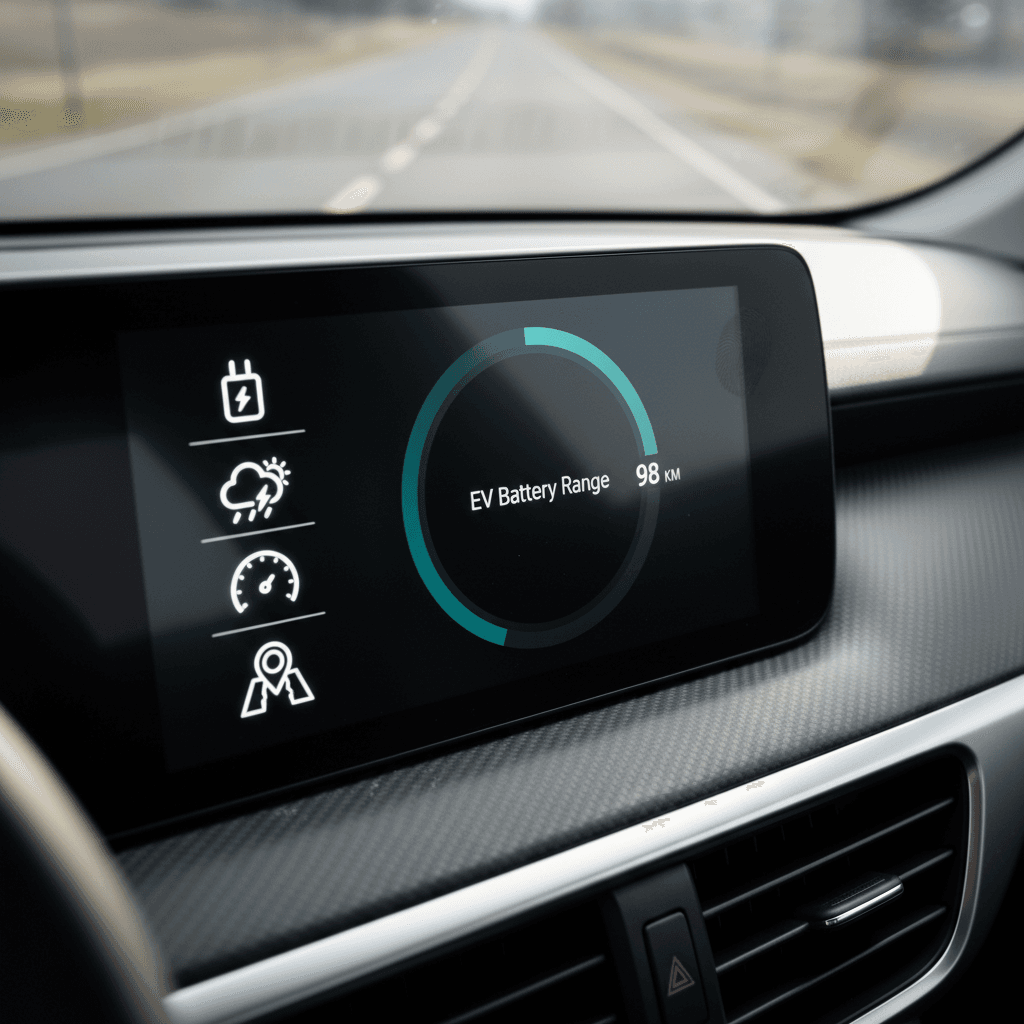
- Most new EVs now offer 200–300+ miles of EPA-rated range, and some go well beyond that.
- Public charging infrastructure passed roughly 200,000 public and workplace chargers in the U.S. by the end of 2024, with thousands more being added each quarter.
- Fast-charging networks, from Tesla Superchargers to third‑party providers, are increasingly built along major corridors, making coast‑to‑coast travel realistic for many models.
- New navigation systems integrate real‑time charger status, route planning, and weather/terrain to give far more accurate range predictions than early EVs ever could.
Why this matters for you
Practical ways to reduce EV range anxiety
Everyday strategies to feel confident in an EV
1. Start with honest driving needs
Track your actual miles for a few typical weeks. Most people discover their daily use is far below what they assumed, which opens the door to more EV options, including affordable used models.
2. Know your charging “home base”
If you have a driveway or garage, consider Level 2 home charging so you wake up full. If you don’t, map out convenient public chargers near your home, work, or regular destinations.
3. Learn to read range the right way
Treat the range estimate like a fuel gauge, not a promise. Notice how speed, temperature, and hills affect it. After a few weeks, you’ll intuitively know what “50% battery” really means in your life.
4. Use trip-planning tools
Apps like A Better Routeplanner, PlugShare, and built‑in EV navigation can plan routes around reliable fast chargers, estimate arrival state‑of‑charge, and factor in weather or elevation.
5. Give yourself a buffer
On longer trips, aim to arrive at chargers with 10–20% battery remaining instead of gambling on the last few miles. That small margin does a lot to calm the nerves.
6. Practice on shorter trips first
Before a cross‑country adventure, take a day trip that forces a mid‑journey charge. You’ll learn how your car behaves, how long stops really take, and which networks you prefer.
Don’t normalize bad infrastructure
Range anxiety and used EVs: what shoppers should know
Used EVs are where range anxiety and value really intersect. You can often save thousands compared with a new model, but only if you understand how real‑world range and battery health have changed over time.
Key range questions to ask about a used EV
These apply whether you’re shopping locally or online.
How much range is left today?
Can I see independent battery data?
Does this range fit my real routes?
What are my charging options?
How Recharged helps reduce used‑EV range anxiety
When range anxiety is a real red flag, not just nerves
It’s important to be honest: there are situations where your “range anxiety” is actually your brain telling you the fit isn’t right, at least not yet. In those cases, the answer may be a different EV, a plug‑in hybrid, or a delayed purchase, not just more apps and planning.
Signs an EV (or a specific EV) may not fit your life
Use this as a gut‑check before you sign on the dotted line.
| Scenario | What you experience | What it may mean |
|---|---|---|
| No home or workplace charging | You rely entirely on public Level 2 chargers that are often busy or inconvenient. | A short‑range EV could feel stressful; consider more range, DC fast access nearby, or a plug‑in hybrid. |
| Frequent long rural trips | Regular 150–250 mile drives through areas with sparse charging. | You may need a long‑range EV with excellent fast‑charging or stick with gas until corridors fill in. |
| Severely degraded battery | A used EV’s real‑world range is less than half of its original spec. | Battery replacement costs might outweigh the value; look for a healthier example or another model. |
| Multi‑driver household | Several drivers share one EV with very different patterns (commutes, road trips, kids’ activities). | You might need either a second vehicle or a higher‑range EV to avoid constant charging stress. |
If several of these apply, press pause and reassess before committing to a particular EV.
Don’t let FOMO drive the purchase
FAQ: Common questions about EV range anxiety
Frequently asked questions about EV range anxiety
The bottom line: EV range anxiety in 2026
Range anxiety started as a rational response to early EVs with short ranges and thin charging networks. In 2026, much of that landscape has changed: ranges are longer, chargers are more common, and tools are better. What hasn’t changed is human nature, we worry more about unfamiliar risks than familiar ones.
If you match the right EV to your actual driving, secure convenient charging (ideally at home), and use modern trip‑planning tools, range anxiety usually shrinks from a deal‑breaker to an occasional annoyance. Where your concerns reveal genuine constraints, like weak local infrastructure or a heavily degraded battery, take them seriously and adjust your plan.
If you’re exploring a used EV, you don’t have to guess. With verified battery health through the Recharged Score Report, fair market pricing, and EV‑specialist guidance, Recharged is built to turn range anxiety into clear, concrete information, so you can decide with confidence whether an EV fits your life today.