If you own, or are thinking about buying, an electric car in West Virginia, you’ll still have to deal with the state’s inspection rules. The good news is that West Virginia electric car inspection requirements are straightforward, and in a few important ways, they’re actually simpler than what gas‑car owners face in some other states.
Key takeaway for WV EV drivers
Overview: How West Virginia Treats Electric Cars for Inspection
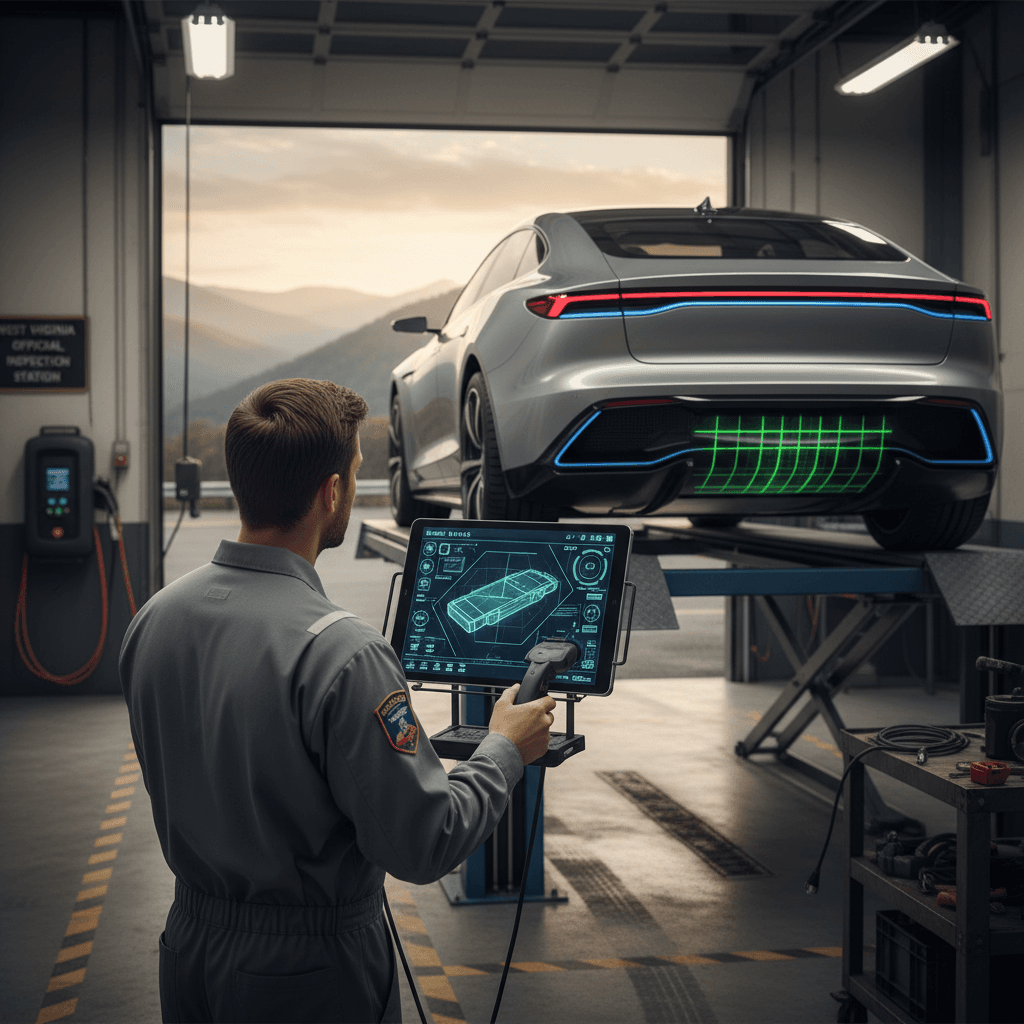
West Virginia keeps things simple: for inspection purposes, your electric vehicle is treated much like any other passenger car. The state requires a safety inspection every 24 months for most registered vehicles, including EVs. When your car passes, you’ll get an inspection sticker on the windshield that’s valid for two years.
- Safety inspections are required statewide every 24 months for most vehicles, including EVs.
- Inspections are performed at official inspection stations licensed by the West Virginia State Police.
- A valid inspection sticker is required to legally drive on public roads.
- There is no additional, separate inspection program just for electric vehicles.
Don’t skip the sticker
Do Electric Cars Need Emissions Testing in West Virginia?
Many shoppers assume that owning an EV means avoiding smog checks, and in West Virginia, that’s absolutely true. The state does not operate a vehicle emissions or smog testing program for passenger vehicles at all. That means:
- No tailpipe emissions tests for gasoline or diesel vehicles.
- No onboard diagnostics (OBD) emissions test requirement.
- No special emissions waiver or exemption paperwork needed for EVs.
- Your EV inspection in West Virginia is strictly about safety, not emissions.
Good news for EV buyers
How Often and When EV Inspections Are Required
Quick look: WV inspection timing for EVs
For most EV owners, the practical question is, “When do I actually have to do this?” Here’s how the timing usually breaks down:
When your electric car must be inspected in West Virginia
Different situations, same basic safety standard
You already live in West Virginia
If your EV is titled and registered in WV, you’ll follow the normal 24‑month inspection cycle. Check the expiration date on your windshield sticker; you must renew on or before that date.
You’re moving into West Virginia
Once you title your EV in West Virginia, you typically have about 10 days to complete a state inspection. Plan your inspection around the same time you handle registration so you’re not driving without a valid sticker.
You’re buying a car in‑state
If you buy an EV from a West Virginia seller and it doesn’t have a valid inspection sticker, state rules generally require you to get it inspected within three days of the sale.
You’re buying from out of state
When you bring a used EV into West Virginia, you’ll usually need a new WV safety inspection soon after titling it, even if it was inspected recently somewhere else and that state doesn’t have reciprocity.
Check reciprocity if you’re relocating
What Gets Checked on an EV During a WV Inspection
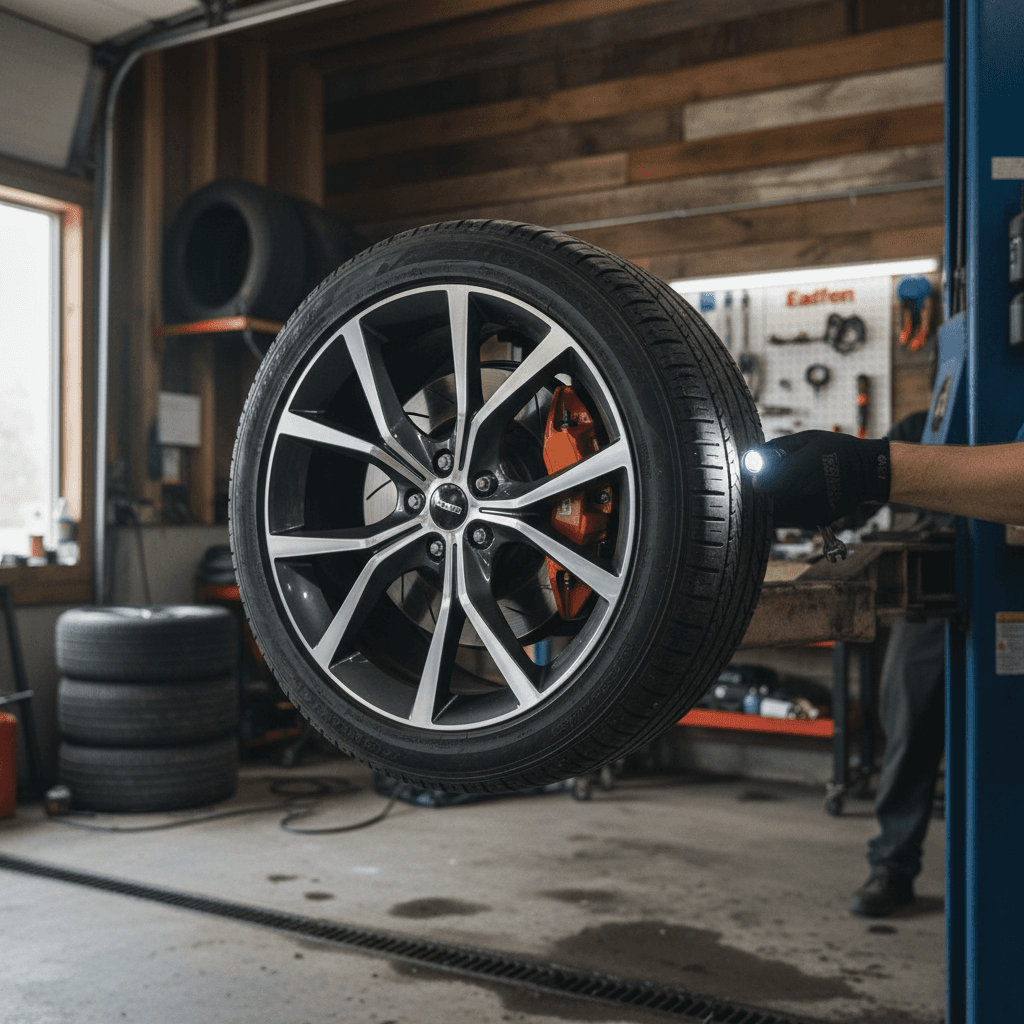
Because West Virginia’s inspection is a safety check, inspectors focus on items that affect your ability to drive safely and avoid breakdowns or collisions. They don’t evaluate your high‑voltage battery health the way an EV specialist would, but they do look at the fundamentals that matter on any vehicle.
Typical safety items checked on an EV in West Virginia
Exact procedures can vary by station, but most West Virginia safety inspections will cover these systems on an electric vehicle.
| System | What inspectors usually look for | Why it matters on an EV |
|---|---|---|
| Brakes | Pad/shoe wear, rotors or drums, brake pedal feel, leaks | Heavy EVs rely on strong brakes, especially in hills and mountains. |
| Tires | Tread depth, sidewall damage, correct size, uneven wear | EV torque is hard on tires; worn tires hurt safety and efficiency. |
| Lights & signals | Headlights, brake lights, turn signals, hazard flashers | Visibility and communication are just as critical on an EV. |
| Steering & suspension | Loose components, worn shocks/struts, excessive play | The EV battery pack adds weight; worn parts can make handling unstable. |
| Glass & wipers | Windshield condition, wiper effectiveness, washer function | Clear visibility is required in rain and snow. |
| Horn & mirrors | Operation of horn, mirror security and condition | Basic safety equipment that every vehicle must have. |
| Exhaust components* | Leaks or missing parts on vehicles that have exhaust systems | Pure EVs have no exhaust, but plug‑in hybrids do. |
| VIN & paperwork | VIN matches documents, registration and insurance proof present | Confirms that the vehicle is properly identified and insured. |
Remember: this is a safety inspection, not a full EV health report.
What about the battery and high‑voltage system?
Costs, Fees, and EV-Specific Charges
There are two different cost buckets to think about: the fee you pay for the inspection itself, and the extra registration fees that apply to electric vehicles in West Virginia.
What West Virginia EV owners typically pay
West Virginia law caps the inspection sticker fee at $19 for the two‑year period, paid directly to the inspection station. That’s in addition to your registration costs, which include a base Class A passenger fee and, for electric and plug‑in hybrid vehicles, an extra annual surcharge designed to replace lost fuel‑tax revenue.
EV surcharge vs. inspection fee
Inspection Rules for Used and Out-of-State EVs
If you’re buying a used electric car, especially from out of state, it’s important to separate what the law requires from what’s smart as a buyer. West Virginia’s laws focus on the safety inspection and the sticker; they don’t guarantee that the EV’s battery is in great shape.
Buying a used EV in West Virginia
- If the car has a current WV inspection sticker, you can register and drive it, but you inherit the remaining sticker life.
- If it has no valid sticker, plan to visit an inspection station within a few days of the purchase.
- Consider asking the seller for recent service records and any previous inspection reports.
Buying an EV from another state
- You’ll title and register the car in West Virginia, then complete a WV safety inspection if required.
- Some states’ inspection stickers are honored until expiration, but many EVs come from states that don’t have inspection at all.
- Don’t rely on an out‑of‑state “passed” form to tell you anything about battery health or real‑world range.
Pair the legal inspection with a battery health check
New Legislation and Possible Future Changes
West Virginia’s inspection rules have been in flux over the last few years, and that’s important context if you plan to keep an EV in the state long‑term. As of January 1, 2024, the legislature extended the inspection interval from one year to two years, cutting the frequency of visits in half. Lawmakers have also debated whether to eliminate the inspection requirement entirely, with bills introduced as recently as 2026 to repeal it.
Keep an eye on legislative changes
For now, if you’re registering and driving an electric car in West Virginia in 2026, you should assume you’ll need a valid biennial safety inspection and that the EV registration surcharge still applies unless and until the legislature officially repeals it.
How Inspection Fits Into Total EV Ownership Costs
From a budget standpoint, the inspection itself is a small line item compared with fuel savings and registration surcharges. At around $19 every two years, the safety inspection is closer to a tire rotation than a major repair bill. The bigger recurring costs are registration, local property taxes, and routine wear‑item maintenance like tires and brakes.
Where WV inspections sit in your EV budget
Think of the sticker as a minor, but necessary, cost of doing business
Fuel savings vs. gas
Even with the EV surcharge, most West Virginia EV owners still spend far less on energy than they would on gasoline, especially if they charge at home on off‑peak rates.
Tires and brakes
Heavier EVs can wear tires more quickly, and the inspection may flag worn rubber. Budget realistically for higher‑quality tires and occasional brake service.
Inspection as a safety backstop
The biennial inspection forces a look at safety‑critical systems. It’s not a substitute for regular maintenance, but it can catch issues you might otherwise miss.
Used EV buyers can offset fees
Step-by-Step: How to Get Your EV Inspected in WV
Your electric car inspection checklist in West Virginia
1. Confirm your deadline
Check the expiration date on your current inspection sticker, or mark your calendar for shortly after you title and register your EV in West Virginia.
2. Gather your paperwork
Bring your <strong>registration card</strong> (or title paperwork if newly purchased) and <strong>proof of insurance</strong>. Inspectors will need to verify both before they begin.
3. Choose a licensed inspection station
Look for signage indicating that the shop is an official West Virginia inspection station. Many general repair shops, dealers, and service centers are licensed.
4. Do a quick self‑check first
Before you go, test your lights, horn, wipers, and washers, and give your tires a once‑over. Fixing small items in advance can save you from failing for something minor.
5. Pay the inspection fee
Expect to pay up to about <strong>$19</strong> for the 24‑month sticker. Some shops may combine the inspection with other maintenance, but the sticker itself has a state‑set maximum price.
6. Address any failures promptly
If your EV doesn’t pass, the shop will list what needs to be corrected. Once repairs are made, you’ll return for a recheck so they can issue the sticker.
Don’t count on grace periods
FAQs: West Virginia Electric Car Inspection Requirements
Frequently asked questions about WV EV inspections
The bottom line is that West Virginia electric car inspection requirements are simple and predictable. You’ll visit a licensed station every two years, pay a modest fee, and make sure the fundamentals that keep you safe are in good working order. What the process won’t tell you is how much real‑world range your EV has left or how healthy its battery will be five years from now, questions that matter a lot when you’re shopping for a used electric car. If you want that deeper confidence, combine West Virginia’s straightforward safety rules with a used EV that includes verified battery health data, transparent pricing, and EV‑specialist support from start to finish, exactly what you’ll find when you shop through Recharged.