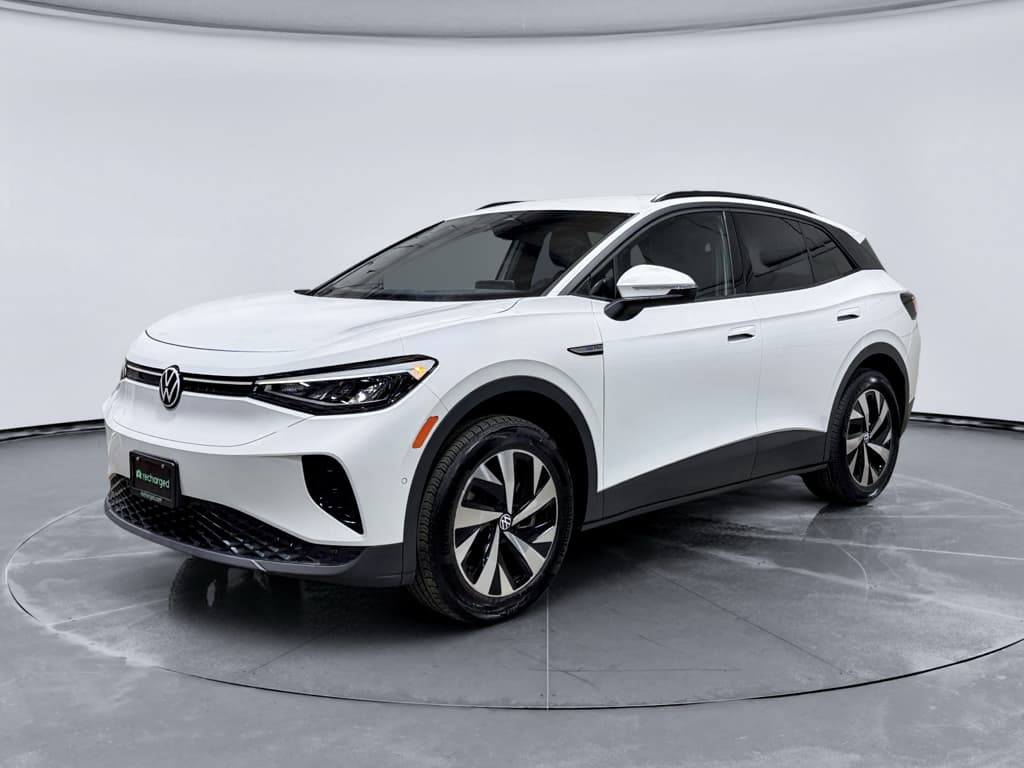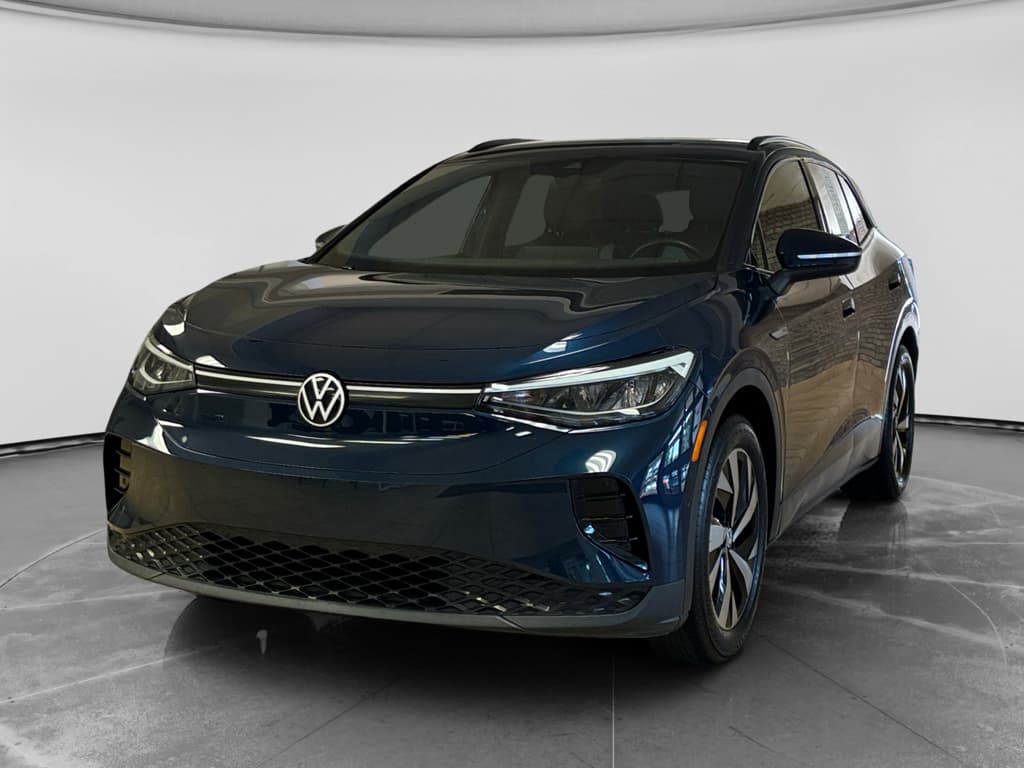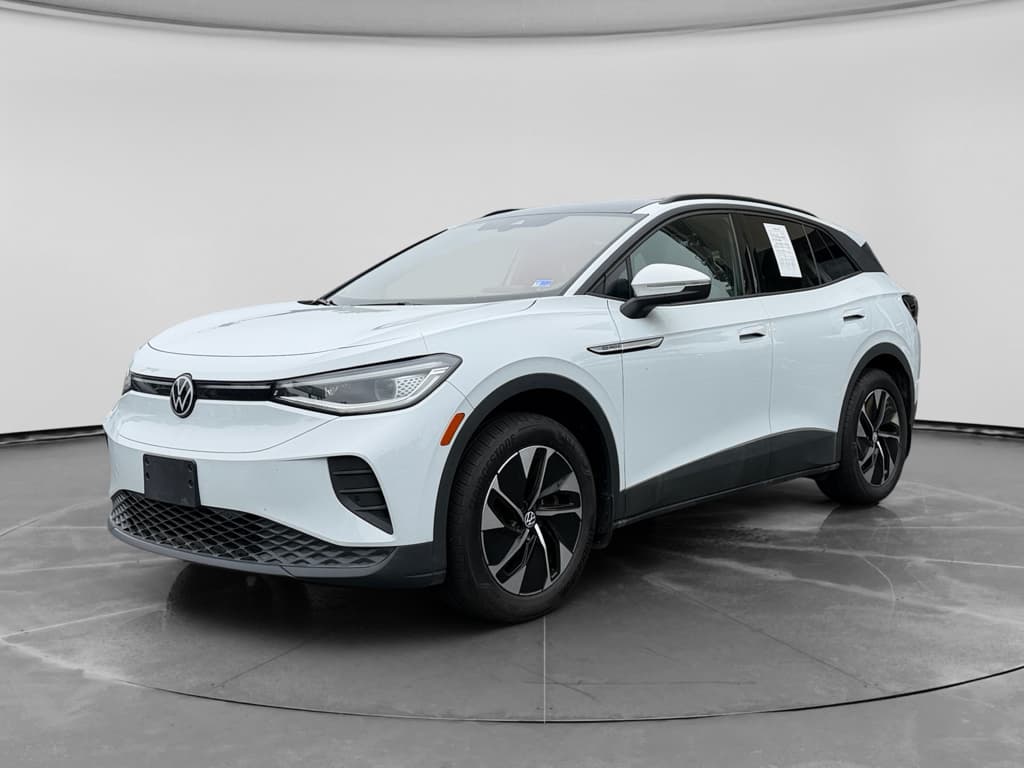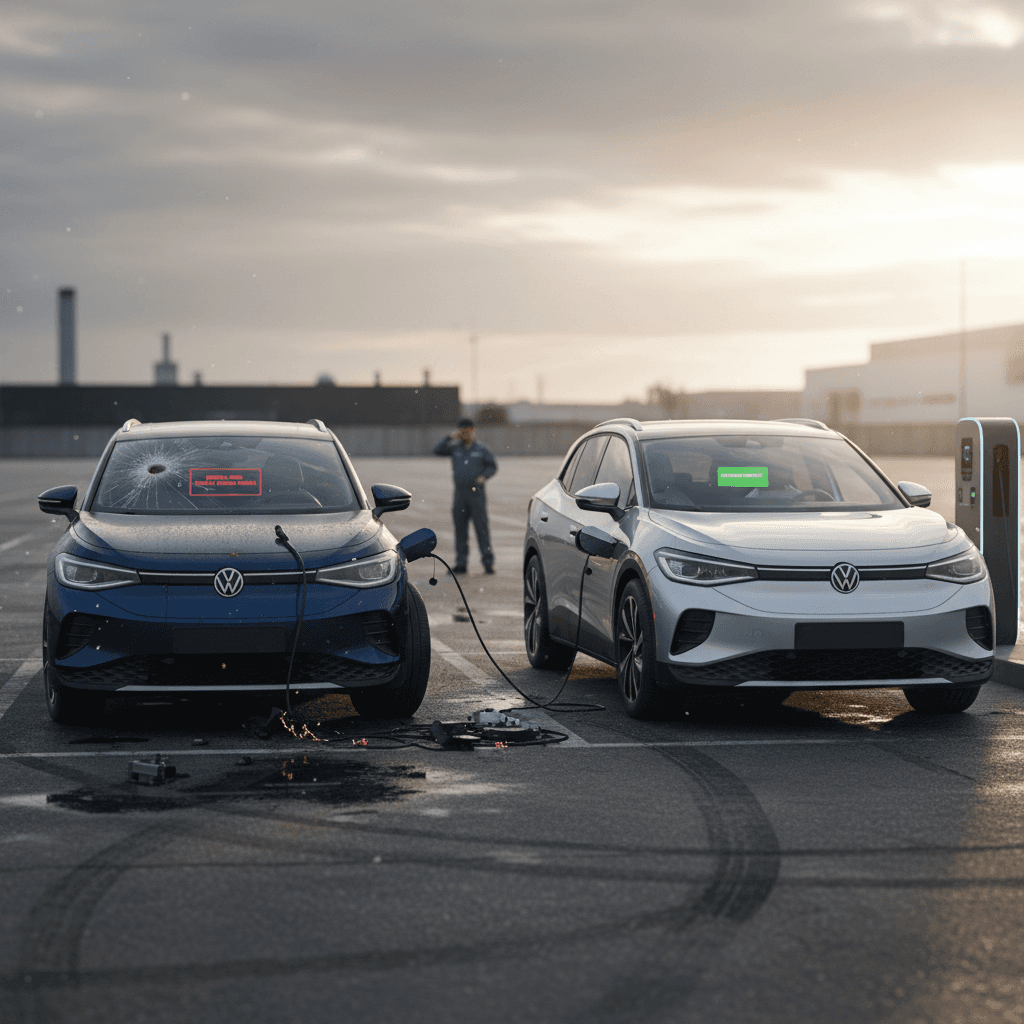
If you’re looking at a used Volkswagen ID.4, you’ve probably heard some horror stories about battery issues, software gremlins, and recalls. The natural follow‑up question is simple: what’s the VW ID.4 worst year to avoid, and are there any model years that are actually safe bets?
Quick answer
Overview: VW ID.4 reliability by model year
Before we single out any one “worst” year, it helps to know how the ID.4 has performed overall. Across multiple independent sources, the ID.4 has consistently ranked as below average to poor in reliability compared with other electric SUVs. Consumer-focused outlets have given the ID.4 reliability scores in the 20s out of 100 in recent rankings, citing repeated issues with batteries, charging, electronics, and body hardware.
Volkswagen ID.4 reliability snapshot
Those numbers don’t mean every ID.4 is a problem child. Many owners have logged tens of thousands of miles with minimal drama. But as you shop the used market, you should assume the burden of proof is on the car, and on the inspection report, not on the marketing brochure.
VW ID.4 worst years to avoid
Putting the data, recall history, and owner feedback together, here’s how the VW ID.4 model years stack up if you’re trying to avoid headaches:
VW ID.4 reliability by model year (big‑picture view)
High‑level look at which ID.4 model years are riskiest for used shoppers.
| Model year | Risk level for used buyers | Why it’s higher risk | Shopping takeaway |
|---|---|---|---|
| 2021 | Highest | First‑year model, most recalls, immature software and charging systems | Avoid unless fully updated, low‑miles, and priced aggressively |
| 2022 | High | Carry‑over issues plus additional recalls and some build‑quality complaints | Only consider with bulletproof records and remaining warranty |
| 2023 | High | Multiple battery and software recalls, Chattanooga production ramp‑up, mixed owner reports | Treat as high‑risk unless you have documentation and a strong inspection |
| 2024 | Moderate | Improved hardware and charging speeds, but still software and screen issues, several recalls | Could be acceptable with warranty and clean history |
| 2025 | Moderate | Incremental fixes but lingering software complaints; long‑term reliability still unproven | Only buy with robust warranty, especially CPO |
| 2026+ | Too early to rate | Not enough long‑term data yet | Assume risk similar to 2024–2025 until data proves otherwise |
“Avoid” doesn’t mean every example is bad, it means you’ll need stronger evidence (service history, inspection, warranty) before you buy.
The single worst year to avoid
Why does 2023 also show up as a trouble spot when it isn’t the first year? Two reasons: high‑profile battery‑related recalls that extend into 2026, and the shift to U.S. production in Chattanooga, which brought its own early build‑quality issues. Add in the fact that many 2023s are now just aging out of their basic warranties, and the risk starts to look a lot less academic.
Major VW ID.4 problems you should know about
When you dig under the “least reliable” headlines, the ID.4’s trouble spots fall into a few predictable buckets. Understanding these will help you separate a car that’s merely had software updates from one that’s a rolling science experiment.
Common VW ID.4 problem areas
Most issues are electrical and software‑driven, not classic engine failures.
High‑voltage battery & charging
- Charging sessions that fail to start or drop out unexpectedly.
- Battery pack recalls for potential overheating and fire risk in some 2023–2024 vehicles.
- Slow DC fast‑charge speeds compared with newer competitors.
Infotainment & digital cockpit
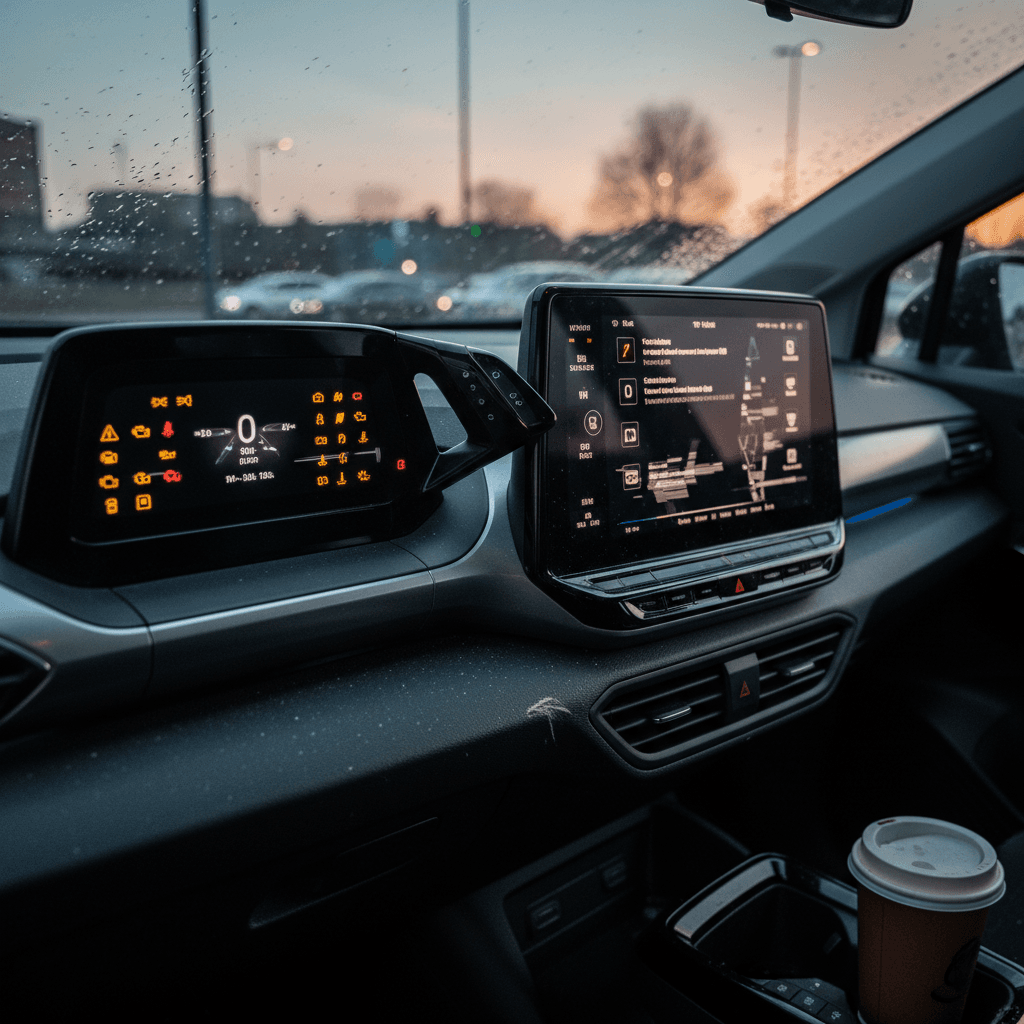
- Center screen and instrument cluster going blank or rebooting mid‑drive.
- Frozen touch controls and laggy response.
- Intermittent loss of camera or driver‑assist displays.
Body hardware & build quality
- Door handles that can allow doors to open unexpectedly (subject to recall).
- Water intrusion and wind noise complaints.
- Interior trim and steering‑wheel material wear on some years.
Safety vs. annoyance issues
Recalls and software issues by year
Recalls are a key reason shoppers ask which VW ID.4 years to avoid. The model has stacked up a long list in a short time, especially in its early years. Here’s a simplified view of what you’re dealing with as a used buyer:
- 2021 ID.4: Double‑digit recalls, including door‑handle malfunctions, digital display failures, and battery‑related concerns. As the launch year, 2021 combines the roughest software with the most cleanup campaigns.
- 2022 ID.4: Fewer issues than 2021, but still several recalls carried over plus new software and compliance campaigns. These cars are old enough now that some owners have delayed or skipped updates.
- 2023 ID.4: Battery‑management and fire‑risk recalls plus ongoing digital‑display fixes. Many 2023s built in Tennessee show mixed owner reports on build quality.
- 2024–2025 ID.4: Refinements like quicker DC charging on larger‑battery models and updated infotainment, but still not “set and forget.” Screen blackouts and glitchy driver‑assist systems continue to surface in owner forums, even as VW issues new technical service bulletins (TSBs).
How to verify recall and software status
Best VW ID.4 years if you’re buying used
Given that the ID.4 has a spottier record than many rivals, is there a “good” year at all? The honest answer: there are better and worse bets, not truly bulletproof years, at least not yet.
Safer bets: late‑build 2024 and 2025
Later‑build 2024 and early 2025 ID.4s benefit from several rounds of software fixes and incremental hardware improvements, including quicker DC fast‑charging on the larger 82 kWh battery packs.
If you can combine one of these newer builds with:
- Remaining factory bumper‑to‑bumper and battery warranty
- A clean recall and TSB completion history
- Verified battery health and charging performance
…you’re in the best part of the current ID.4 curve, even if long‑term durability still isn’t fully proven.
Conditional picks: 2022–2023 with strong paper trails
Well‑maintained 2022 and some 2023 ID.4s can be decent values because they’ve already taken the steepest depreciation hit. But the bar is higher:
- All recalls and software campaigns must show as completed.
- Service history should show regular dealer visits, not long gaps.
- Any history of battery or charging complaints is a hard red flag.
In this range, you’re not looking for perfect, you’re looking for documented, boring ownership.
Where 2021 fits in
How to shop smart for a used VW ID.4
If you’re still interested in an ID.4, and there are good reasons to be, it pays to approach the shopping process with a more rigorous checklist than you might use for a conventional gas SUV.
Used VW ID.4 buyer checklist
1. Start by filtering out the riskiest years
If you can, skip 2021 and early‑build 2023 ID.4s. Focus instead on late‑2023, 2024, and 2025 with strong documentation. The exception is a 2021 with very low miles, full recall history, and a rock‑bottom price.
2. Verify recalls, TSBs, and software campaigns
Run the VIN through the government recall database and ask for printed proof from a VW dealer that campaigns for the screens, door handles, and battery software are complete. Open safety recalls are a reason either to renegotiate or to walk.
3. Test all screens, cameras, and driver‑assist
On a long test drive, cycle through infotainment, digital gauges, backup camera, 360° view, adaptive cruise, and lane‑keep assist. Any black screens, frozen menus, or warning messages should send you back to the drawing board.
4. Evaluate charging behavior in the real world
If possible, do a DC fast‑charge session and a Level 2 home‑style charge. Watch for charging sessions that stop abruptly, unusually slow speeds, or warning lights. These can hint at deeper battery or software problems.
5. Get an EV‑savvy pre‑purchase inspection
Traditional pre‑purchase inspections often miss EV‑specific issues. Look for a shop, or platform like Recharged, that can assess battery health, charging hardware, and software status, not just brakes and tires.
6. Prioritize warranty coverage and exit options
With an ID.4, a strong factory or CPO warranty is more than a nice‑to‑have. It’s your safety net while VW continues to refine the platform. Understand how long coverage lasts and what buyback or lemon‑law options exist in your state.
How Recharged can help
When a VW ID.4 might still make sense
With all this talk of worst years and recalls, it’s easy to forget why people consider the ID.4 in the first place. It’s roomy for families, comfortable on the highway, and often much cheaper used than a comparable Tesla Model Y or Hyundai Ioniq 5. For the right buyer, that tradeoff can pencil out.
Who the ID.4 can work for
- You value comfort and quiet over razor‑sharp performance.
- You have convenient access to Level 2 charging at home or work.
- You’re shopping value and find a car that’s been meticulously maintained with all campaigns done.
- You’re willing to lean on warranty coverage and dealer visits if needed.
Who should probably look elsewhere
- You want set‑and‑forget reliability above all else.
- Your nearest VW dealer is far away or poorly rated for service.
- You can’t tolerate infotainment glitches or warning lights.
- You need rock‑solid resale value and minimal downside risk.
Consider cross‑shopping
FAQ: VW ID.4 worst year to avoid
Frequently asked questions about VW ID.4 years to avoid
The VW ID.4 is a classic case of a promising EV whose early years were let down by software complexity and recall fatigue. If you’re shopping the used market, treat 2021, and to a lesser extent 2022–2023, as the VW ID.4 years to avoid unless you have overwhelming evidence they’ve been brought fully up to date. Focus on newer builds with verified battery health, clean histories, and solid warranty coverage, and lean on EV‑specialist platforms like Recharged to do the heavy lifting on diagnostics. That way, you can enjoy the ID.4’s comfort and practicality without volunteering to be a beta tester.