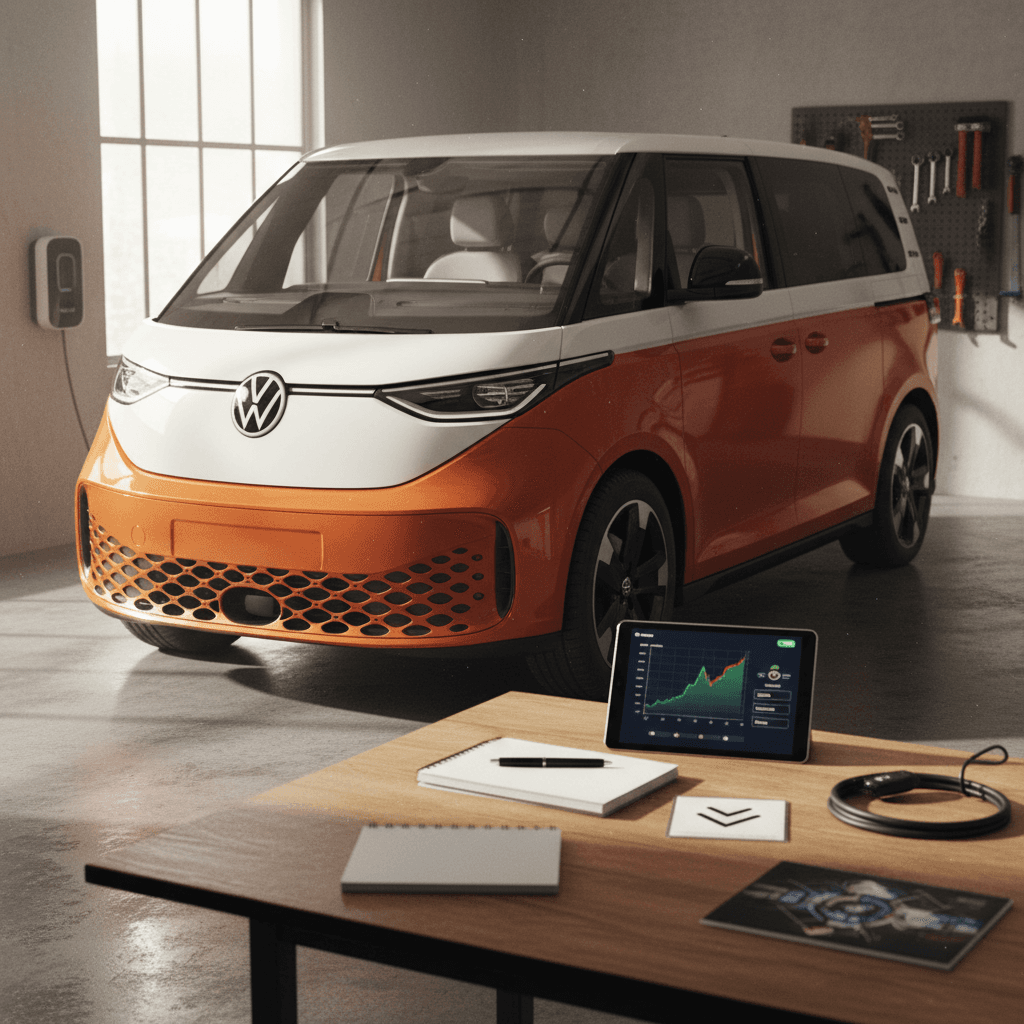
If the modern electric microbus has caught your eye, a VW ID. Buzz buying checklist is the best way to separate nostalgia from the numbers. The ID. Buzz is stylish, rare and genuinely practical, but it’s also expensive, has modest range, and faces a temporary pause in U.S. sales after the 2025 model year. This guide walks you through a step‑by‑step checklist so you can decide, with clear eyes, whether an ID. Buzz (new or used) really fits your life and your budget.
Quick context: Model years and availability
Overview: Who the VW ID. Buzz Fits (and Who It Doesn’t)
Who the ID. Buzz is ideal for
- Families who want three rows, sliding doors, and kid‑friendly space.
- Road‑trippers who pack a lot of gear but don’t mind planning DC fast‑charge stops.
- Small businesses or creatives that want a rolling billboard with serious cargo flexibility.
- EV fans who value design, comfort and tech as much as outright efficiency.
Who might want something else
- Drivers who need 300+ miles of real‑world range between charges.
- Budget shoppers; new ID. Buzz pricing is closer to luxury SUVs than minivans.
- People without reliable home or workplace charging.
- Shoppers who value maximum towing or off‑road capability over interior space.
How to use this checklist
Step 1: Confirm the Right ID. Buzz Trim and Pricing
In the U.S., the 2025 VW ID. Buzz launched with a simple lineup: all use a 91 kWh battery and three rows of seating, but equipment and drivetrains differ. Before you get attached to a color or interior, make sure you understand which trims exist and what they cost.
2025 VW ID. Buzz Trims at a Glance (U.S.)
Approximate starting MSRPs and core differences; destination and options can move pricing several thousand dollars either way.
| Trim | Drivetrain | Approx. Starting MSRP* | Key Highlights |
|---|---|---|---|
| Pro S | RWD, single motor (≈282 hp) | ≈$60,000 | 12.9" touchscreen, 3‑zone climate, heated & ventilated front seats, 20" wheels, 30‑color ambient lighting. |
| Pro S Plus | RWD (AWD optional) | ≈$63,500 (RWD) / +$4,500 for AWD | Adds head‑up display, Harman Kardon audio, power sliding doors & liftgate, tow hitch, 360° camera, Flexboard cargo system. |
| 1st Edition (launch only) | RWD (AWD optional) | ≈$65,500 / +$4,500 for AWD | Limited‑run trim with unique wheels, badges, roof rails, panoramic smart glass roof, two‑tone paint and exclusive interior. |
Always check current dealer pricing and incentives; early used examples may transact well below original MSRP.
Pricing reality check
- Decide whether you need AWD (4MOTION). It adds power and traction, but also cost and a small range penalty.
- List your must‑have features: sliding doors, captain’s chairs, panoramic roof, upgraded audio, 360° camera, two‑tone paint, etc.
- Set a hard walk‑away number that includes taxes, fees and home‑charging installation.
- If you’re open to used, estimate how much depreciation you need (for example, 15–25% off MSRP within a couple of years) to make the numbers work.
Step 2: Range, Battery & Charging Fit Your Life
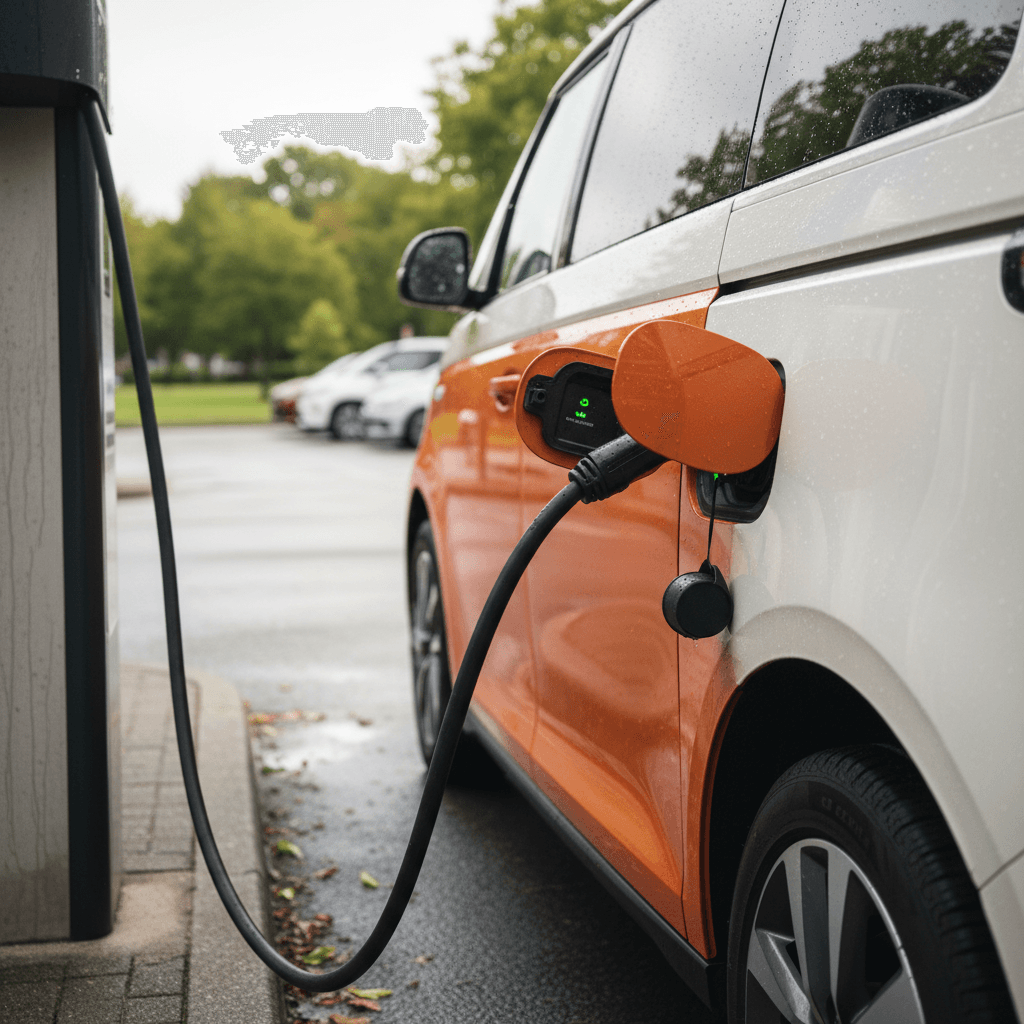
The ID. Buzz is sized like a minivan but its range is closer to many midsize EV SUVs. Every 2025 U.S. model uses a 91 kWh battery. EPA estimates land around 231–234 miles per charge, depending on rear‑wheel drive vs. all‑wheel drive. That’s fine for most daily driving; it just means you need to be realistic about road‑trip cadence and winter range loss.
VW ID. Buzz Powertrain Snapshot
Range & charging questions to answer before you buy
1. Map your typical weekly driving
Add up your commute, errands and weekend trips. If you usually drive under 150 miles between charges, the ID. Buzz’s rated range will feel comfortable, especially with home charging.
2. Consider winter and heavy‑load driving
Cold weather, highway speeds, roof boxes and full passenger loads can cut effective range by 20–30% or more. If you regularly pack the van and drive in freezing conditions, build in that buffer.
3. Confirm your home charging plan
Ideally you’ll install a 240V Level 2 charger on a 40–60A circuit. If you rent or can’t add a circuit, verify access to reliable workplace or public Level 2 charging before you commit.
4. Inspect your local fast‑charge network
Use apps like PlugShare, Chargeway or your utility’s map to see how many 150–200 kW stations exist on your regular routes. Fewer stations mean more careful trip planning with a big EV van.
5. Understand battery warranty
VW’s high‑voltage battery coverage typically spans 8 years or 100,000 miles with a capacity retention guarantee. If you’re shopping used later, ask for documentation on any battery repairs or capacity concerns.
Why battery health matters more on used EVs
Step 3: Seating, Cargo and How You’ll Actually Use It
The ID. Buzz promises microbus charm with modern minivan utility. The reality is somewhere in between: generous passenger space, smart storage and sliding doors, but not quite the cavernous cargo of a long‑wheelbase minivan with all seats folded. Your buying checklist should get very specific about how you’ll pack it.
Key interior choices to lock in
Small configuration decisions can make the Buzz feel like a family shuttle, a gear hauler, or a rolling lounge.
Bench vs. captain’s chairs
Some ID. Buzz trims offer an optional second‑row bench, while others (like many AWD builds and 1st Edition models) use captain’s chairs.
- Bench: More seating flexibility, better for big families.
- Captain’s chairs: Easier kid access, more comfort for adults but one less belt in row two.
Flexboard cargo system
On Pro S Plus and 1st Edition, the Flexboard creates a flat load floor when the third row is folded.
- Great for camping or sleeping in the van.
- Makes loading bikes, strollers and luggage simpler.
Sliding doors & tailgate
Power sliding side doors and an Easy Open tailgate make daily use smoother, especially in tight parking lots.
If you haul kids or mobility equipment, test these features in real‑world parking‑lot scenarios during your test drive.
Third‑row safety recall note
- Bring the whole family, or your usual passengers, to the test drive and rotate through every row.
- Try loading the stroller, bikes, musical instruments or work gear you actually carry.
- Fold the second and third rows in multiple configurations; check how flat the floor is and how easy it is to reach anchor points.
- If you’re thinking about sleeping in the van, bring a tape measure and test your layout ideas.
Step 4: Safety, Recalls and Warranty Coverage
Beyond crash scores, every ID. Buzz comes packed with driver‑assist tech: adaptive cruise, lane‑keeping, automated emergency braking and parking aids. Your checklist here is less about whether those systems exist and more about how they behave, plus making sure any open recalls are handled before you sign paperwork.
Safety & warranty items to verify
1. Open recall status
Ask the dealer for a printout from VW’s system or run the VIN through NHTSA’s recall lookup. Confirm that third‑row bench and brake‑warning‑light recalls (if applicable) are completed and documented.
2. ADAS behavior on your roads
Use your test drive to try adaptive cruise, lane‑keeping and parking assist on the exact highways and urban streets you’ll drive most. If anything feels intrusive or inconsistent, that’s not likely to change after you buy.
3. Basic & battery warranties
Note in writing when bumper‑to‑bumper and powertrain coverage expire by date and mileage, plus high‑voltage battery coverage. If you’re buying used, this tells you exactly how much factory support is left.
4. Rust and corrosion coverage
The ID. Buzz has large body panels and intricate trim. Understand rust‑through and cosmetic‑corrosion coverage, especially if you live in a road‑salt or coastal environment.
Don’t skip the fine print on software coverage
Step 5: Total Cost, Incentives and Resale Value
On paper, the ID. Buzz competes with loaded three‑row SUVs and luxury crossovers. But EV incentives, used‑market depreciation and charging costs can tilt the equation. This part of your checklist is about seeing the full picture, not just the dealership’s monthly payment quote.
Upfront & ongoing costs
- Purchase price: Compare MSRP to actual transaction prices for similar builds, including any dealer add‑ons.
- Charging vs. fuel: Estimate your annual kWh use based on miles driven and local electricity rates; compare that to your current gas spend.
- Insurance: Call your insurer for an ID. Buzz quote; EVs and vans can sometimes carry higher premiums.
- Maintenance: Fewer moving parts than a gas van, but tire wear, brake service and potential out‑of‑warranty electronics repairs still matter.
Incentives & resale
- Tax credits & state incentives: Federal rules and state programs have shifted frequently. Before you sign, confirm what, if anything, still applies to new or used ID. Buzz purchases where you live.
- Resale value: First‑year models often depreciate faster, especially if the next model year brings improvements. The announced pause after 2025 might keep used values firmer, or it could push discounts if inventory stacks up.
- Lease vs. buy: If you’re worried about future range or tech obsolescence, compare leasing to buying a used model that’s already taken the biggest depreciation hit.
Consider a used EV with verified battery health
Step 6: Test-Drive and Inspection Checklist (New & Used)
By the time you schedule a test drive, you should know which trim and price range make sense. Now you’re validating comfort, build quality and how the ID. Buzz fits your daily life. Don’t rush this step, especially if you’re new to EVs or three‑row vehicles.
On‑site checklist for any ID. Buzz
1. Cabin ergonomics and visibility
Adjust the seat and wheel, then check visibility in all directions. The Buzz sits tall with a big windshield; make sure the pillars and mirrors don’t hide cyclists or pedestrians in your typical driving environments.
2. Interface and controls
Spend time with the 12.9" touchscreen and steering‑wheel controls. Pair your phone, test CarPlay or Android Auto, try climate and drive‑mode adjustments, and see if the interface feels intuitive or frustrating.
3. Ride quality and noise
Drive the same mix of city streets and highway you’d use in real life, at the speeds you typically drive. Listen for wind noise, rattles and suspension thumps over rough pavement.
4. Power and one‑pedal feel
Try normal and eco modes (and sport if available). Pay attention to how strong the regenerative braking feels and whether acceleration feels adequate with passengers onboard.
5. Charging demo
If possible, plug into a Level 2 or nearby DC fast charger during your visit. Confirm that the charging flap, screens and app all behave as expected and that you understand how to start/stop a session.
6. Panel gaps and interior fit
Walk the exterior and check for uneven panel gaps, paint mismatches or trim that doesn’t sit flush. Inside, look for loose panels, squeaks or misaligned seat hardware, especially on the sliding doors and third row.
Step 7: Extra Checks for a Used VW ID. Buzz
The earliest U.S. ID. Buzz examples will quickly move into used‑EV territory. A thorough checklist here looks a little different than for a traditional gas minivan because you’re adding battery health, software history and charging‑pattern questions on top of normal used‑car due diligence.
Used ID. Buzz: what to ask and what to inspect
You’re buying a vehicle and a battery history at the same time.
Battery & charging history
- Ask how the previous owner charged: mostly home Level 2 or frequent DC fast charging.
- Have them show typical state of charge; living mostly at 100% or near 0% isn’t ideal long‑term.
- Use any available battery‑health report or diagnostic to quantify capacity, not just the dash estimate.
Service, software and recalls
- Review service records for any high‑voltage or drive‑unit repairs.
- Confirm infotainment and drive‑assist software are up to date.
- Verify all recalls and technical service bulletins (TSBs) have been addressed.
Suspension, brakes and tires
- The ID. Buzz is heavy; check tires for uneven wear and ensure they’re EV‑rated replacements.
- Test brakes for smooth, consistent feel between regen and friction braking.
- Listen for suspension clunks over bumps, especially with the third row in use.
Title, mileage and warranty transfer
- Match VIN on paperwork to the vehicle; confirm there are no salvage or lemon‑law brands.
- Verify odometer against digital service records.
- Ask the selling dealer or VW how remaining warranties transfer to the next owner, and get that answer in writing.
Why a standardized EV report helps
How Recharged Helps With Used EVs Like the ID. Buzz
Recharged is built around one idea: buying a used EV should feel transparent, not like a science experiment. As early ID. Buzz vans and other three‑row EVs hit the secondary market, our tools and specialists are designed to answer the exact questions most shoppers struggle with.
- Every vehicle includes a Recharged Score Report with verified battery health, pricing context and key condition notes.
- If you’re trading out of a gas SUV or minivan, Recharged can provide an instant offer or consignment option so you’re not juggling multiple dealers.
- You can finance online, arrange nationwide delivery and handle paperwork digitally, or visit the Recharged Experience Center in Richmond, VA if you prefer to see vehicles in person.
- EV‑specialist support can help you compare an ID. Buzz with other used EV options, large SUVs, crossovers or smaller vans, based on how you actually drive and charge.
VW ID. Buzz Buying FAQ
Frequently Asked Questions: VW ID. Buzz Buying Checklist
Bottom Line: Is the VW ID. Buzz Right for You?
The VW ID. Buzz isn’t the rational choice for every buyer, but that’s exactly why it’s so appealing to the right ones. If you’ve walked through this VW ID. Buzz buying checklist and the van still checks your boxes on range, charging, seating, safety and total cost, you’re in a good position to negotiate confidently, whether new or used. If you found too many "maybes" or "no" answers, take that seriously before you stretch your budget just for nostalgia.
As more ID. Buzz vans and other three‑row EVs show up on the used market, tools like the Recharged Score Report, EV‑savvy financing and expert support can help you compare options without guessing about battery health or resale. However you decide, the best move is a deliberate one: use a checklist, run the numbers, and choose the EV that fits your life, not just your social feed.