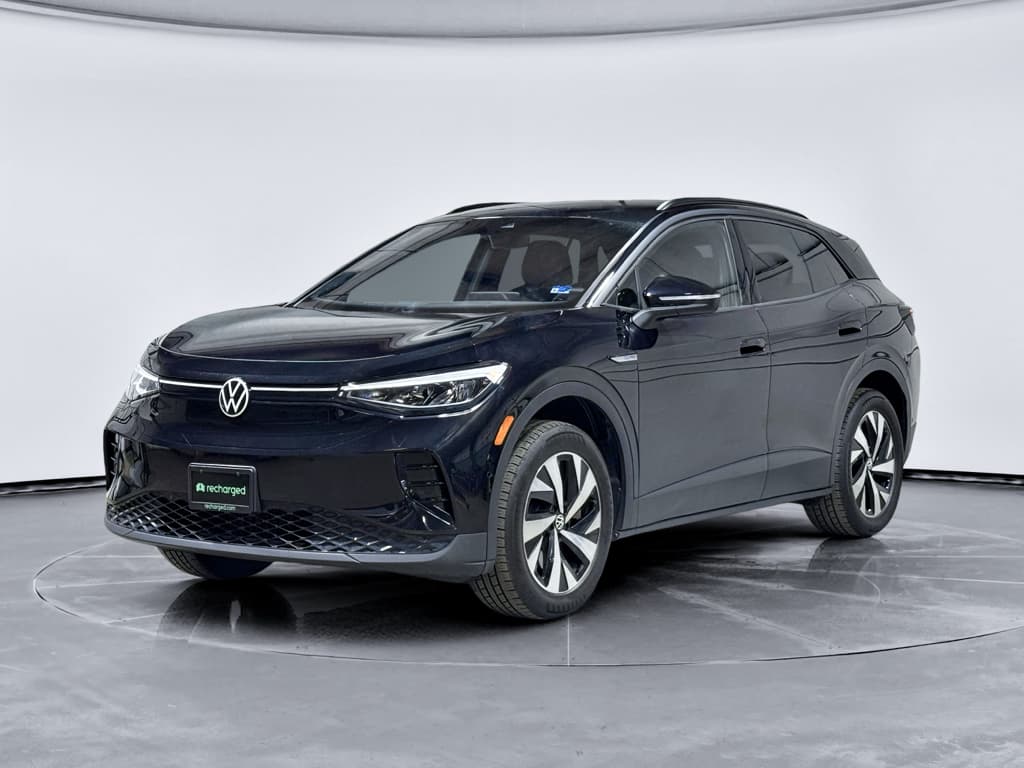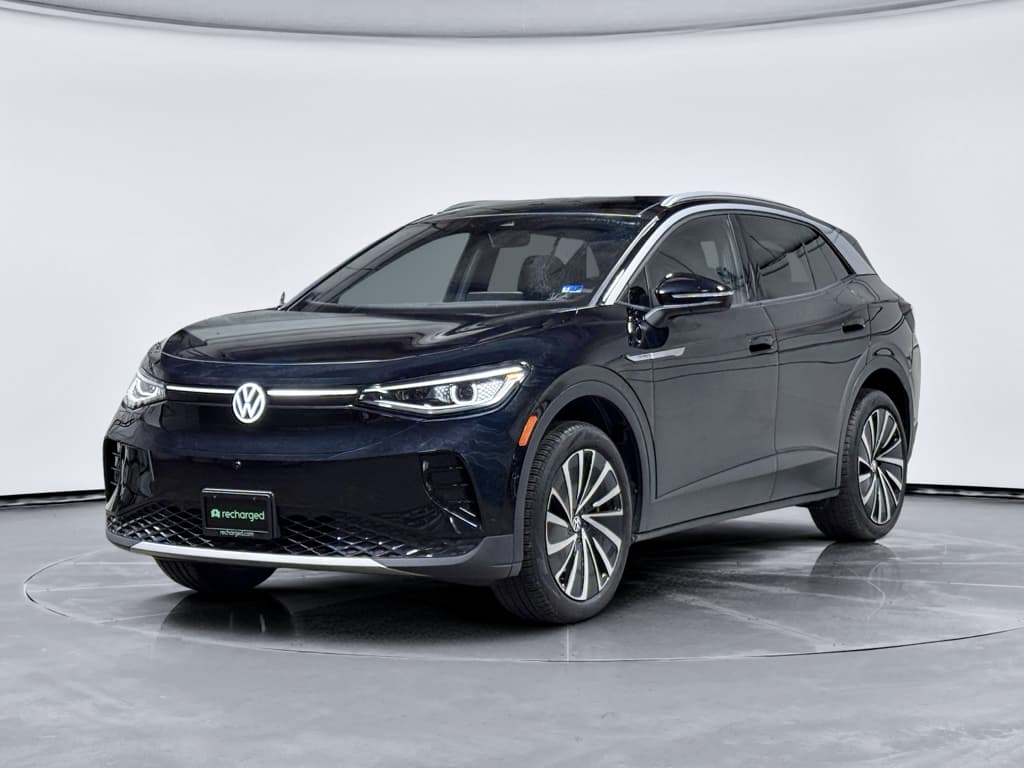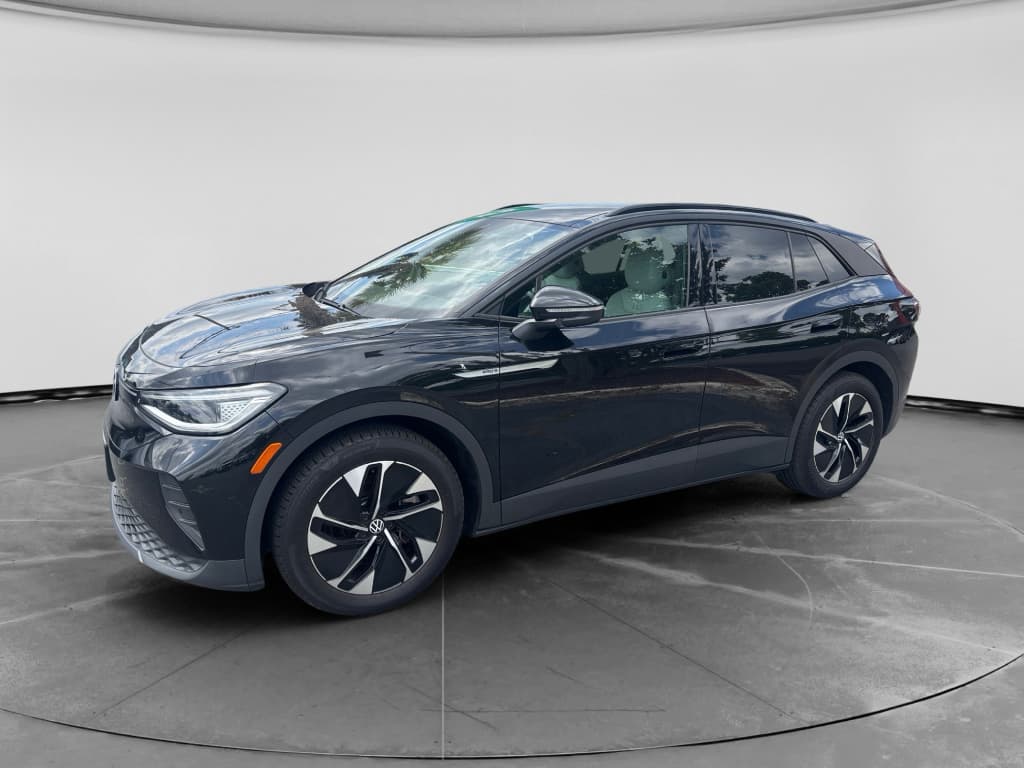
If you’ve been eyeing a Volkswagen EV, you’re probably asking one big question first: what does a VW electric car cost right now? Between the ID.4 electric SUV, the long-awaited ID.Buzz electric van, and future budget-friendly models on the horizon, VW’s pricing can look confusing from the outside. This guide walks you through current VW electric car prices in the U.S., what actually ends up on a buyer’s contract, and how a used VW EV can dramatically lower your cost of entry.
Before we dive into the numbers
VW electric car lineup in the U.S. for 2025
- ID.4 – Compact electric SUV, built in Chattanooga, TN. This is VW’s volume EV and the one you’ll see most often on dealer lots and used-car sites.
- ID.Buzz – Retro-inspired three-row electric van, finally arriving stateside. It’s positioned as a premium, lifestyle vehicle rather than a budget family hauler.
At-a-glance VW electric car price range (new, 2025)
VW ID.4 price breakdown: trims and equipment
The ID.4 is the centerpiece of VW’s electric effort in the U.S., so it’s the model most shoppers mean when they search for VW electric car price. For 2025, Volkswagen has focused initial pricing around the larger 77 kWh battery pack, with the smaller pack returning later in the model year.
2025 VW ID.4 pricing (U.S., larger battery pack)
Approximate starting MSRPs based on early 2025 pricing announcements for models equipped with the 77 kWh battery. Destination charge (around $1,300–$1,600) is typically additional.
| Trim | Drivetrain | Battery | Approx. starting MSRP* |
|---|---|---|---|
| ID.4 Pro | RWD | 77 kWh | ≈$46,500 |
| ID.4 Pro S | RWD | 77 kWh | ≈$51,000 |
| ID.4 Pro | AWD | 77 kWh | ≈$50,500 |
| ID.4 Pro S | AWD | 77 kWh | ≈$54,500 |
| ID.4 Pro S Plus | AWD | 77 kWh | ≈$58,700 |
Expect actual transaction prices to vary with incentives, local inventory, and dealer discounts or markups.
About that missing base model
In practical terms, most new ID.4s you’ll find on a dealer lot in late 2025 will sticker in the high-$40,000s to mid-$50,000s before fees, depending on options like all-wheel drive, panoramic roof, premium audio, and appearance packages.
Key things that move the ID.4 price up or down
Same model, very different window sticker
Battery & drivetrain
The bigger 77 kWh pack and dual‑motor AWD can add several thousand dollars over the smaller battery and RWD setup. You’re paying for quicker acceleration and more range.
Trim level & packages
Stepping from Pro to Pro S and then Pro S Plus layers in larger wheels, leatherette, HUD, premium audio, and more. Each trim bump is a noticeable price jump.
Incentives & dealer cash
Manufacturer incentives, dealer cash, and regional rebates can swing pricing by several thousand dollars. Always compare the final selling price, not just MSRP.
VW ID.Buzz price: the premium electric van
If the ID.4 is Volkswagen’s practical EV, the ID.Buzz is its halo: a three‑row electric van that leans hard into nostalgia and design. That shows up in the sticker price. In the U.S., the ID.Buzz is currently VW’s most expensive model.
2025 VW ID.Buzz U.S. pricing
Official MSRP ranges published for U.S.‑spec long‑wheelbase ID.Buzz models. These figures generally exclude the mandatory destination charge of about $1,550.
| Trim | Drivetrain | Approx. base MSRP* |
|---|---|---|
| Pro S | RWD | ≈$60,000 |
| Pro S Plus | RWD | ≈$63,500 |
| Pro S Plus | AWD | ≈$68,000 |
| 1st Edition | RWD | mid‑$60,000s |
| 1st Edition | AWD | upper‑$60,000s to ≈$70,000 |
The ID.Buzz launches well above the ID.4, with pricing closer to a Kia EV9 or an entry‑level luxury SUV than a traditional minivan.
Charging & recall side notes
Because the ID.Buzz is just arriving in volume and aimed at a niche audience, discounts are typically smaller than what you’ll see on an ID.4. Many buyers will be shopping this van more with their hearts than their spreadsheets, and VW knows it.
Future VW electric car prices: what’s coming next
Volkswagen has been vocal about its plans for more affordable EVs. In Europe, you’ll see names like ID.2 and talk of a roughly €20,000 entry‑level model later in the decade. In the U.S., those vehicles are unlikely to appear before the late 2020s, and pricing will depend heavily on battery costs and federal policy.
Short‑term reality (2025–2027)
- VW’s practical U.S. EV choice continues to be the ID.4.
- ID.Buzz stays a premium, lower‑volume lifestyle product.
- Expect incremental range, charging, and infotainment updates rather than all‑new budget models.
Longer‑term possibilities
- Sub‑$30,000 VW EVs are possible once lower‑cost platforms mature.
- We may see a smaller crossover or hatch slotting under the ID.4 in price and size.
- Used VW EVs will become the true "affordable" path well before new budget models arrive.
If you’re waiting for a $25k VW EV
From MSRP to driveway: factors that change what you pay
The advertised VW electric car price, that tidy MSRP you see in ads, rarely matches the figure on your final paperwork. Here are the big levers that move your out‑the‑door price up or down.
Four big levers that move VW EV pricing
These matter as much as the window sticker
Federal & state incentives
Depending on where you live and how the vehicle is built, you may qualify for a federal clean vehicle credit, state rebates, or local utility incentives. These can reduce the effective price by thousands, or by nothing at all if your situation doesn’t qualify.
Dealer discounts & fees
Dealers can discount inventory to move slow‑selling trims, especially on the ID.4, but they also add documentation, advertising, and accessory fees. Always compare total drive‑off cost, not just the discount.
Trade‑in value
Your current vehicle’s trade‑in value directly offsets the price of your VW EV. Getting multiple offers, ideally including an instant online offer, gives you leverage and can shave thousands off your effective cost.
Financing terms
Interest rate, loan length, and down payment transform a $50,000 MSRP into a monthly payment that either fits comfortably or feels tight. A slightly cheaper model with a high rate may cost more per month than a better‑priced loan on a pricier trim.
Quick checklist for the real VW EV price
1. Start with the specific trim
Nail down the exact ID.4 or ID.Buzz trim, battery, and drivetrain you want. Without that, it’s impossible to compare pricing apples‑to‑apples between dealers or against used options.
2. Ask for an itemized buyer’s order
Request a written breakdown showing MSRP, dealer discount, all fees, and taxes. That’s the only way to compare offers or decide whether a used VW EV is the better deal.
3. Line up outside financing
Before you visit the showroom, get pre‑approval from a bank or credit union. Dealer financing might still win, but now you can judge it against a real benchmark.
4. Get a real trade-in number
Use an instant online offer or a few dealer bids to understand what your current vehicle is truly worth. That number is part of the price conversation, not an afterthought.
What a VW electric car really costs to own
Sticker price is only half the story. Over a typical five‑to‑seven‑year ownership period, a VW EV’s total cost of ownership looks different from a comparable gasoline Tiguan or Atlas.
Where VW EVs save you money
- Fuel costs: Many owners pay the equivalent of $0.04–$0.06 per mile on home charging, versus three to four times that for gasoline.
- Maintenance: No oil changes, fewer moving parts, and less brake wear (thanks to regen) mean lower routine service bills.
- Stop‑and‑go efficiency: EVs are at their best in city traffic, where traditional SUVs drink fuel.
Where costs can surprise you
- Insurance: Some carriers price EVs higher due to repair costs. Always quote before you buy.
- Public fast charging: Per‑kWh rates can be significantly higher than home electricity, especially on road trips.
- Home charging setup: Installing a 240V circuit or Level 2 charger isn’t free, budget hundreds to a few thousand dollars depending on your home.
A note on battery life
New vs. used VW electric cars: where the value is
Because EV technology has moved quickly and early demand was patchy, used VW ID.4s often sell for thousands less than comparable new models, even when they’re just two or three years old. For many shoppers, especially those focused more on value than the latest infotainment update, that’s where the sweet spot lies.
Compare your options: new vs. used VW EV
Both paths can make sense, depending on your priorities
Advantages of buying new
- Full factory warranty and the latest software.
- Ability to spec the exact color and options you want.
- Potential eligibility for federal and state incentives.
Advantages of buying used
- Lower upfront price and slower future depreciation.
- Plenty of lightly‑used ID.4s now that leases are maturing.
- You can see how the specific car’s battery has actually aged.
Used‑EV watchouts
- Unknown battery health if you’re just guessing from the range display.
- Remaining warranty may be short or expired on older models.
- Early‑build vehicles may have more recalls or software quirks.
With EVs, the right buying decision isn’t just about the lowest sticker, it’s about understanding battery health, incentives, and total cost of ownership over time.
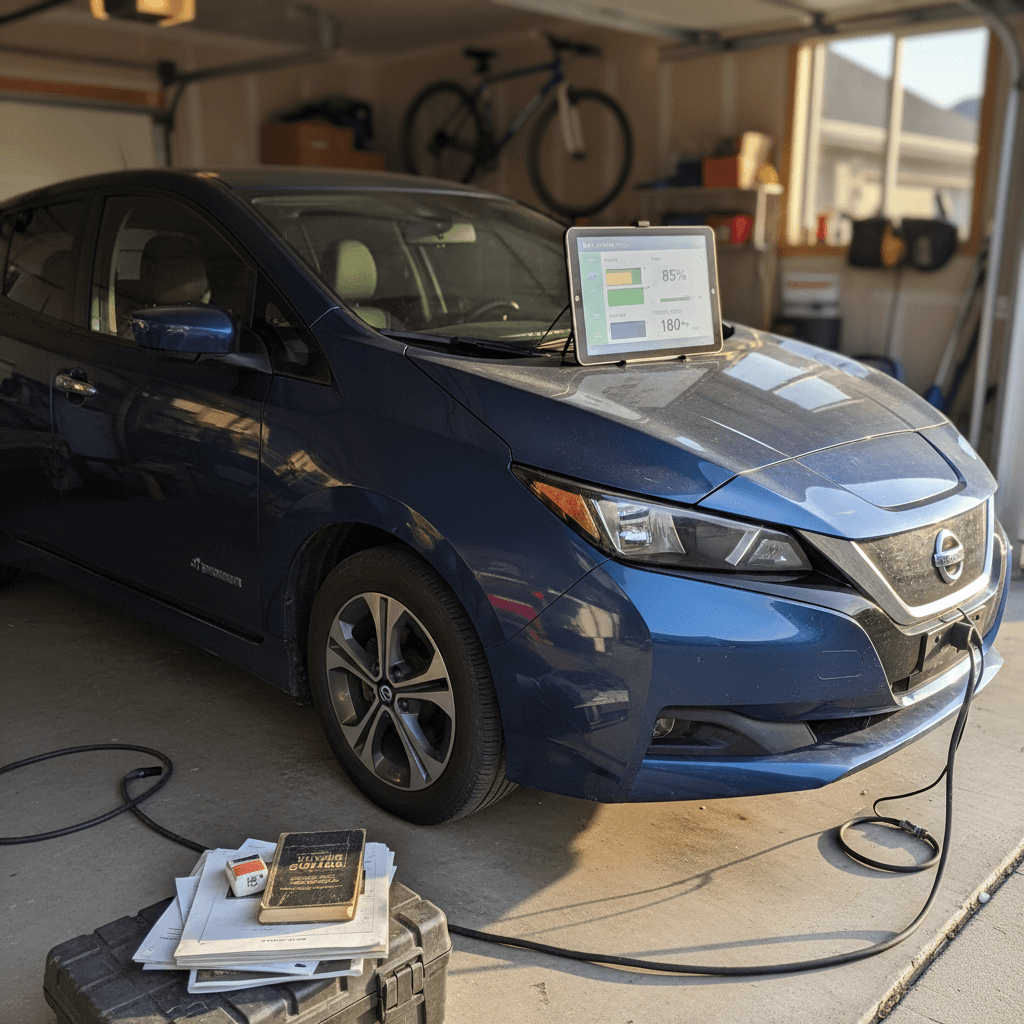
Don’t skip a real battery health check
How Recharged fits into your VW EV shopping
If you decide a used VW EV is the smarter play, the question becomes how to buy one with confidence. That’s where Recharged is designed to help.
Why consider a used VW EV through Recharged
Designed to take the guesswork out of used EV pricing
Verified battery health with the Recharged Score
Every vehicle listed on Recharged includes a Recharged Score Report with verified battery diagnostics, so you can see how a VW ID.4’s pack has aged compared with similar vehicles. That’s critical context for judging whether the price actually makes sense.
Streamlined EV‑specific buying experience
Recharged focuses on EVs from end to end: expert guidance, digital paperwork, financing options, trade‑in or instant offer, and nationwide delivery. You can shop for a VW EV online and still feel like you’ve got an in‑house EV specialist on your side.
Ready to find your next EV?
Browse VehiclesBecause Recharged is a marketplace as well as a retailer, you can cross‑shop VW EVs against other used electric SUVs and vans in the same price band. That makes it easier to see whether a particular ID.4 or ID.Buzz is priced fairly versus, say, a Hyundai Ioniq 5 or Kia EV9 with similar mileage and equipment.
FAQ: VW electric car price questions, answered
Frequently asked questions about VW electric car prices
When you strip away the marketing noise, the VW electric car price story in 2025 is straightforward: the ID.4 is the attainable, mass‑market EV, the ID.Buzz is the emotional, premium choice, and used VW EVs are where the hidden bargains live. If you take the time to understand how incentives, financing, and battery health play into the equation, you can make a decision that fits both your budget and your lifestyle, and that’s where the real value lies.