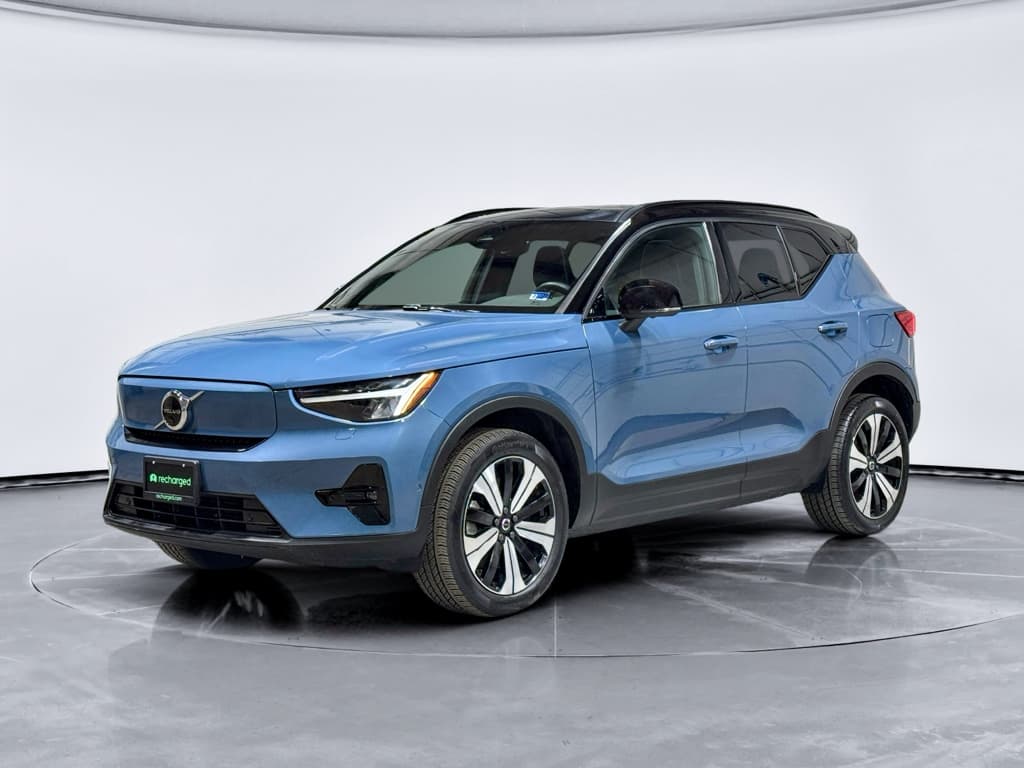
If you’re cross‑shopping the **Volvo EX90 vs Volvo XC90** right now, you’re really deciding between two different futures: going fully electric with Volvo’s new tech flagship, or choosing the proven plug‑in hybrid XC90 that still burns gas when you need it. Both are handsome three‑row SUVs with Scandinavian calm baked in, but they deliver very different ownership experiences, and costs.
Two flagships, two philosophies
Volvo EX90 vs XC90: quick overview
EX90 vs XC90 at a glance
Key specs and traits to frame your decision
Volvo EX90 (all‑electric)
What it is: A three‑row, all‑electric luxury SUV on Volvo’s new SPA2 platform.
- Powertrain: Dual‑motor AWD, large battery (around mid‑90s kWh usable)
- Range: Roughly 270–300 miles EPA equivalent depending on trim and wheels
- Energy source: DC fast charging and Level 2 home charging only
- Best for: Home chargers, shorter daily routes, and buyers who want the latest EV tech
Volvo XC90 Recharge (plug‑in hybrid)
What it is: A refined, three‑row SUV with a sizable battery plus turbocharged gas engine.
- Powertrain: T8 plug‑in hybrid AWD, around 455 hp combined
- Electric range: ~30–35 miles electric, then operates like a standard hybrid
- Energy source: Level 2 charging plus regular gasoline
- Best for: Mixed driving, long trips, and buyers nervous about charging infrastructure
Model‑year nuance matters
Pricing, incentives, and value
Typical 2026 pricing: Volvo EX90 vs XC90 (U.S.)
Ballpark new‑MSRP and used‑market ranges to set expectations. Exact numbers vary by options, region, and incentives.
| Model / trim (approx) | New MSRP (2025–2026) | Typical used pricing (lightly used) | Federal tax credit potential* |
|---|---|---|---|
| Volvo EX90 Twin Motor | High $70Ks–low $80Ks | High $60Ks–low $70Ks | +/- EV credit depending on build and rules when purchased |
| Volvo EX90 Twin Motor Performance | High $80Ks–$90K+ | Low–mid $70Ks | Same as above |
| Volvo XC90 Recharge T8 Core | Low–mid $70Ks | High $50Ks–low $60Ks | PHEV credit rules have tightened; assume little or no federal help |
| Volvo XC90 Recharge T8 Plus / Ultimate | Mid–high $70Ks to low $80Ks | Low–mid $60Ks | Same caveat: check current PHEV incentives locally |
Expect the EX90 to carry a notable price premium over a comparable XC90 Recharge, especially on the used market for the next few years.
Think in “total cost to own,” not just sticker
- If you’re **price‑sensitive up front**, a used XC90 Recharge T8 is almost always cheaper than a comparable EX90 for the next few years.
- If you’re **optimizing long‑term fuel and maintenance costs**, the EX90 pulls ahead, especially if your daily miles are high and gas prices stay volatile.
- Both vehicles sit in the same luxury bracket; the real value question is whether you’ll actually use the EX90’s electric advantages.
Powertrain, range, and efficiency
Volvo EX90: fully electric performance
- Architecture: All‑electric SPA2 platform with dual‑motor AWD.
- Power: Twin Motor versions sit around 400+ hp; Performance models push into the 500+ hp range.
- Battery: Large pack in the mid‑90s kWh usable, designed for long‑range family use.
- Range: In real U.S. use, think high‑200‑mile range when driven reasonably, less in cold climates or at 75+ mph.
- Driving feel: Quiet, instant torque, heavy but planted, very "electric Volvo" rather than sports SUV.
Volvo XC90 Recharge: plug‑in hybrid compromise
- Architecture: Existing XC90 platform with a big battery and electric rear motor.
- Power: Around 455 hp combined from a turbocharged gas engine plus electric motor.
- Electric range: Roughly 30–35 miles of usable EV range when charged, enough for many commutes.
- Hybrid mode: After the battery is depleted, it behaves like a regular hybrid using gasoline.
- Driving feel: Smooth and quiet when fully charged; more traditional SUV vibes once the engine is running often.
How much range do you really need?
Typical real‑world range snapshots
Charging the EX90 vs fueling the XC90
The biggest practical difference between the Volvo EX90 and Volvo XC90 is how you keep them moving. The EX90 lives and dies by your charging access; the XC90 can be treated like an EV during the week and a regular gas SUV on road trips.
Living with each drivetrain day to day
What owning each looks like once the novelty wears off
EX90 ownership pattern
- Home charging is non‑negotiable: A 240V Level 2 charger in your garage or driveway turns the EX90 into an easy daily appliance.
- Public DC fast charging: Great for road trips on popular corridors; less convenient if you live in rural areas with sparse infrastructure.
- Energy cost: Often equivalent to paying $1–$2 per gallon vs today’s pump prices, depending on your electric rates.
XC90 Recharge ownership pattern
- Optional home charging: Great to have, but you can still use the XC90 like a conventional SUV if you forget to plug in.
- Fuel flexibility: Road trips are simple, refuel at any gas station, no route planning around chargers.
- Running cost: Cheaper than a pure gas SUV if you plug in regularly, but generally more expensive per mile than the EX90 for high‑mileage drivers.
When you probably shouldn’t choose the EX90

Space, comfort, and ride quality
Both SUVs seat up to seven and feel unmistakably Volvo inside, calm, airy, and safety‑first. But there are important differences in packaging and daily comfort that you’ll notice once you start hauling family and gear.
Interior and cargo: Volvo EX90 vs XC90
High‑level comfort and practicality differences that matter for families.
| Feature | Volvo EX90 | Volvo XC90 Recharge |
|---|---|---|
| Seating | Up to 7 seats, EV‑specific floor, slightly higher step‑in | Up to 7 seats, more traditional SUV seating position |
| Cabin vibe | Ultra‑minimalist, big touchscreen, fewer physical controls | More buttons and knobs, still clean but more conventional |
| Third row | OK for kids and short adults; flat floor helps | Similar story, fine for kids, tight for larger adults |
| Cargo with all rows up | Usable but modest; battery packaging eats some space | Comparable in volume; depends on exact trim and spare tire |
| Ride quality | Heavier, more planted, serene at speed; some models get air suspension | Comfort‑oriented, especially on smaller wheels; feels lighter and a bit more traditional |
On paper they’re close; in practice, the EX90 feels more modern and EV‑optimized, while the XC90 feels familiar and slightly more conventional.
Both are strong family haulers
Tech, safety, and software maturity
Volvo built the EX90 to showcase its latest sensors, computing hardware, and software platform. That means cutting‑edge safety and driver‑assist features, but also the usual first‑generation software growing pains. The XC90 rides on a much more mature electronics and infotainment stack.
EX90: bleeding‑edge Volvo tech
- Lidar and advanced sensing: The EX90 is designed around high‑resolution sensors intended to enable more advanced driver‑assist features over time.
- New software platform: Upside is fast hardware and future over‑the‑air improvements; downside is early bugs and feature rollouts that can slip.
- Missing/late features: Early EX90 builds shipped with some promised software features delayed, with upgrades arriving via OTA later.
XC90: mature, known quantity
- Proven driver‑assist: Pilot Assist, adaptive cruise, and safety systems that have been iterated for years.
- Infotainment stability: Still Google‑based and modern, but on a platform Volvo’s been refining across several models.
- Fewer surprises: You’re unlikely to wake up to a radically different UI after a software update, and that’s a feature for a lot of buyers.
Early‑adopter vs late‑adopter risk
Towing, utility, and real-world versatility
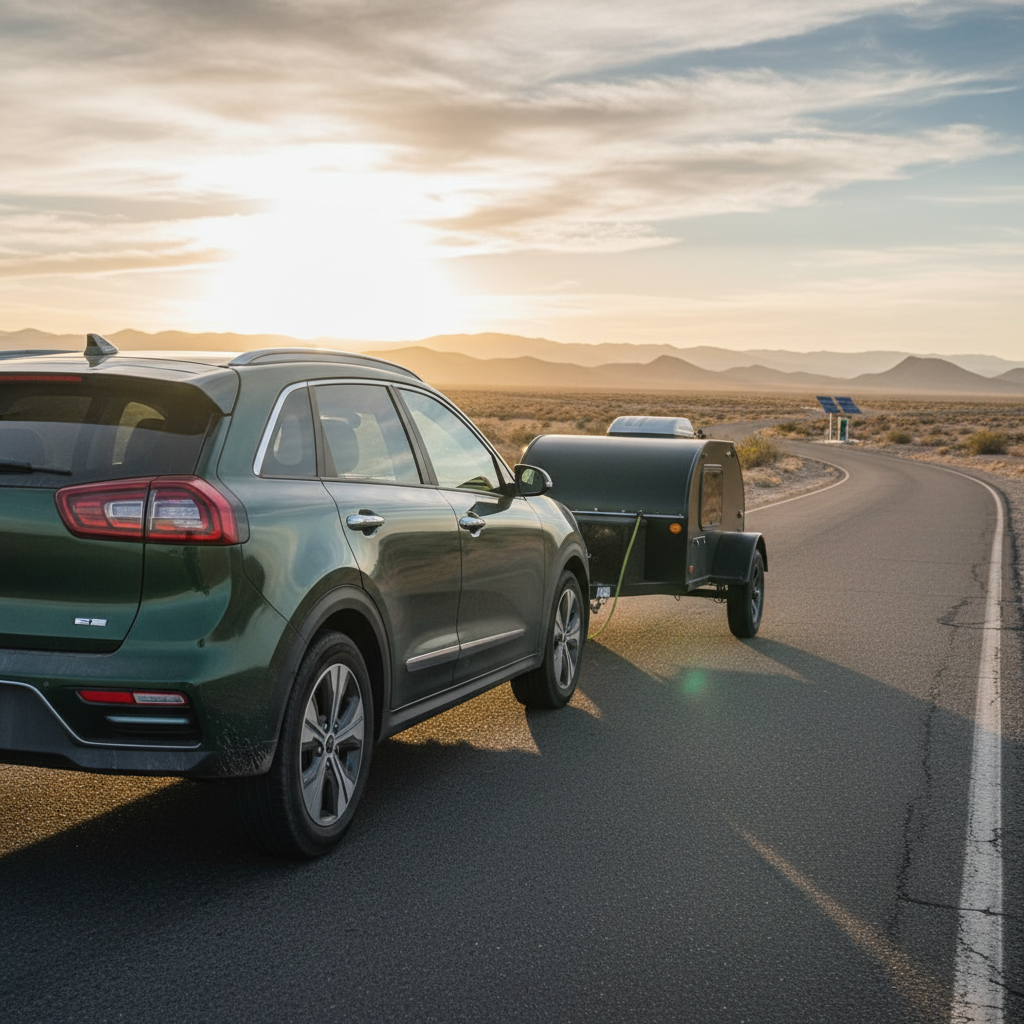
Both SUVs are tow‑rated and capable of handling family road trips, trailers, and outdoor gear. But the way they tow, and the compromises, are very different.
Towing and utility comparison
What happens when you hitch up a trailer or load everyone’s gear
Volvo EX90 towing
- Tow rating: Up to 4,850–5,000 lb depending on trim, wheels, and market.
- Range impact: Expect your usable range to drop dramatically when towing, often to half or less, as with most EVs.
- Best case: Fantastic for shorter, predictable towing (boats to the lake, local campers) when you know your charging options.
Volvo XC90 Recharge towing
- Tow rating: Also comfortably in the 5,000 lb neighborhood, enough for small campers, boats, and trailers.
- Fuel impact: You’ll burn more gas while towing, but you won’t be hunting for DC fast chargers, the fuel network is everywhere.
- Best case: Superior for long‑range, multi‑day towing where charging stops would add real stress.
If you tow often, be honest about your routes
Reliability, early-ownership risk, and depreciation
The XC90 has been around in its current basic form for years, and plug‑in T8 versions have had time to work through early kinks. The EX90 is new, complex, and, like most first‑generation EV flagships, will likely see more change between early and late build years than most buyers expect.
- **EX90 reliability picture is still forming.** Early owner reports talk about software bugs, sensor quirks, and missing features at launch that get patched later. Hardware fundamentals (battery, motors) should be robust, but the sample size is still small.
- **XC90 has a longer track record.** Plug‑in T8 models had their own early teething issues, but by the 2024–2025.5 builds Volvo had ironed out many of the rough spots, and dealers know this product inside and out.
- **Depreciation risk tilts against the EX90 in the short term.** Expensive new EVs have been dropping in value quickly as tech improves and incentives shift. Buying new, you should assume the EX90 will lose value faster in its first 3–4 years than a comparable XC90.
- **Used XC90 sweet spot.** For many buyers, a 2–4‑year‑old XC90 Recharge T8 hits the best balance of price, equipment, and known reliability.
Battery health on used EVs
Which should you buy? Recommendations by driver type
So, **Volvo EX90 vs Volvo XC90, which should you buy?** The right answer depends less on logo loyalty and more on where you live, how you drive, and how much uncertainty you’re willing to tolerate in exchange for cutting‑edge tech.
Pick your path: who each Volvo SUV is best for
Daily urban & suburban commuter (home charging, rare road trips)
You mostly drive under 60–80 miles per day.
You have or can install a reliable Level 2 home charger.
Most of your road trips follow major Interstates with growing fast‑charging coverage.
You value quiet, zero‑emission driving and low running costs.
→ <strong>Recommendation:</strong> Lean strongly toward the <strong>Volvo EX90</strong>. You’ll actually leverage its strengths every day.
Mixed driving, frequent long trips, or rural living
You split time between city driving and long highway stints.
Your routes include areas with thin fast‑charging infrastructure.
Gas stations are always closer than Chargers in your world.
You like the idea of EV driving but don’t want to rely on it 100%.
→ <strong>Recommendation:</strong> The <strong>Volvo XC90 Recharge</strong> is the lower‑stress choice. Plug in when you can, but never worry if you can’t.
Tech‑forward early adopters
You enjoy new tech and don’t mind living through some software updates and growing pains.
You’re attracted to the EX90’s lidar, new platform, and future‑proof hardware.
You plan to keep the car long enough to benefit from over‑the‑air improvements.
You’re okay with potentially higher short‑term depreciation.
→ <strong>Recommendation:</strong> The <strong>EX90</strong> is the one that will feel exciting, not frustrating, assuming your expectations are realistic.
Risk‑averse, value‑focused luxury buyer
You prioritize predictability and dealer familiarity over bleeding‑edge features.
You’d rather buy something that’s been in production for years and is thoroughly debugged.
You’re shopping used to avoid the steepest part of the depreciation curve.
You want a Volvo experience with as few surprises as possible.
→ <strong>Recommendation:</strong> A well‑specced, low‑mileage <strong>XC90 Recharge T8</strong> is your best bet.
5 things to test‑drive carefully on both models
1. Cold‑start and startup behavior
In the EX90, pay attention to any warnings, sensor issues, or infotainment lag right after startup. In the XC90, listen for engine noise and feel for any shuddering as it transitions between EV and gas modes.
2. Driver‑assist confidence
Try adaptive cruise and lane‑centering on a familiar highway. Do they feel smooth and predictable? Any false alarms or odd behavior will get old quickly on long drives.
3. Ride comfort on bad pavement
Find a rough section of road. The EX90’s extra weight and potential air suspension can translate into a calmer ride, but some people prefer the XC90’s slightly lighter, more traditional feel.
4. Third‑row and cargo usability
Have adults or tall teens climb into the third row, fold different seat combinations, and try loading strollers or luggage. Spec sheets don’t tell you how easy this feels in real life.
5. Charging and fueling demo
If the dealer will accommodate it, plug both into a Level 2 charger and at least simulate a DC fast‑charge stop for the EX90. Understanding cables, apps, and connectors now will prevent surprises later.
Buying a used EX90 or XC90 with Recharged
If you’re leaning used, which, for expensive flagships like these, is often the smartest economic play, transparency on battery health, pricing, and prior usage becomes critical. That’s exactly the piece the traditional market tends to leave fuzzy.
How Recharged can simplify a used EX90 or XC90 purchase
Less guesswork, more data
Recharged Score battery diagnostics
Fair market pricing transparency
Digital‑first buying, EV‑savvy support
Ready to find your next EV?
Browse VehiclesVolvo EX90 vs XC90: FAQ
Frequently asked questions
Bottom line: EX90 vs XC90
Choosing between the **Volvo EX90 vs Volvo XC90** is less about which is “better” in the abstract and more about which fits your life without constant compromises. The EX90 is the right choice if you can charge at home, do most of your driving within its realistic range, and are comfortable living on the leading edge of Volvo’s tech roadmap. The XC90 Recharge is the better fit if you prioritize predictability, road‑trip simplicity, and a more mature platform with fewer unknowns.
If you’re still on the fence, start by being brutally honest about your charging options and road‑trip patterns, then look at your budget and how long you tend to keep vehicles. From there, shopping **used** with transparent battery‑health data, whether that’s an EX90 or XC90, can turn an expensive question mark into a confident long‑term decision. And if you want that decision backed by diagnostics rather than guesswork, exploring EX90 and XC90 listings with a Recharged Score Report is a smart next step.