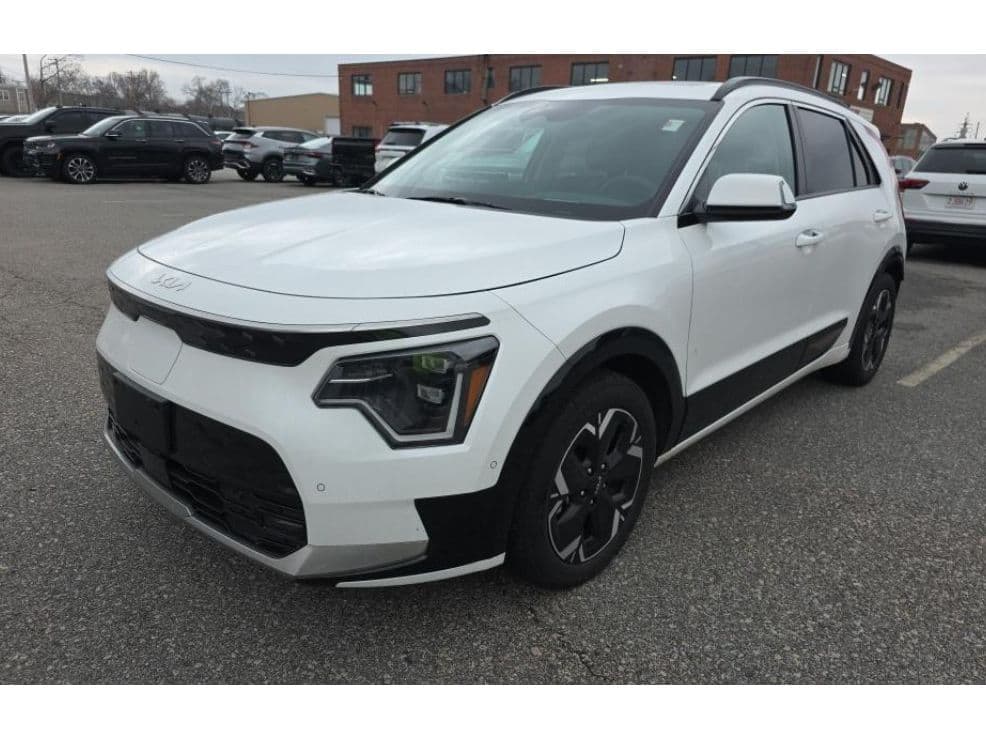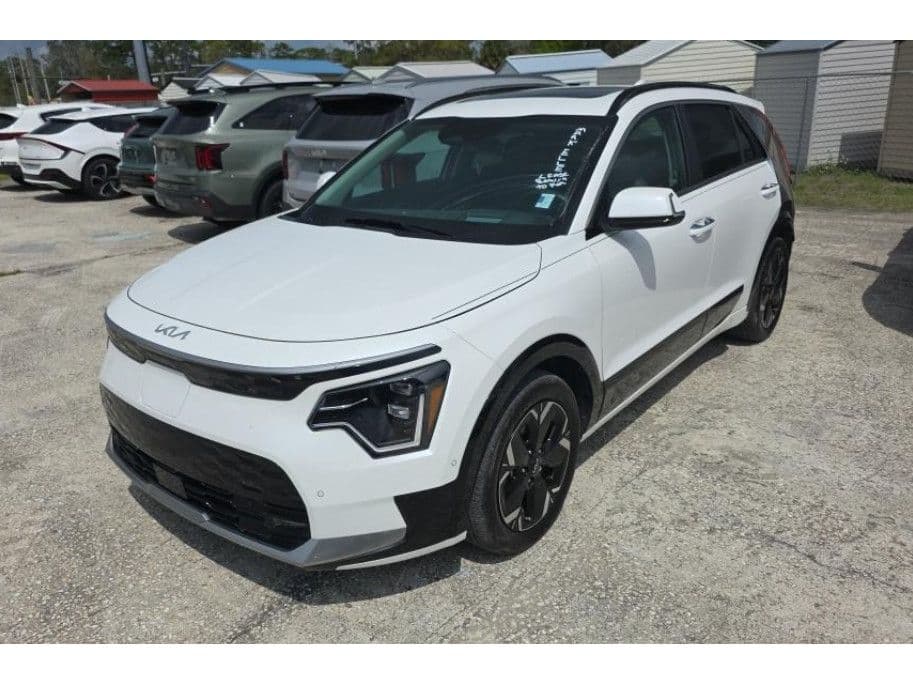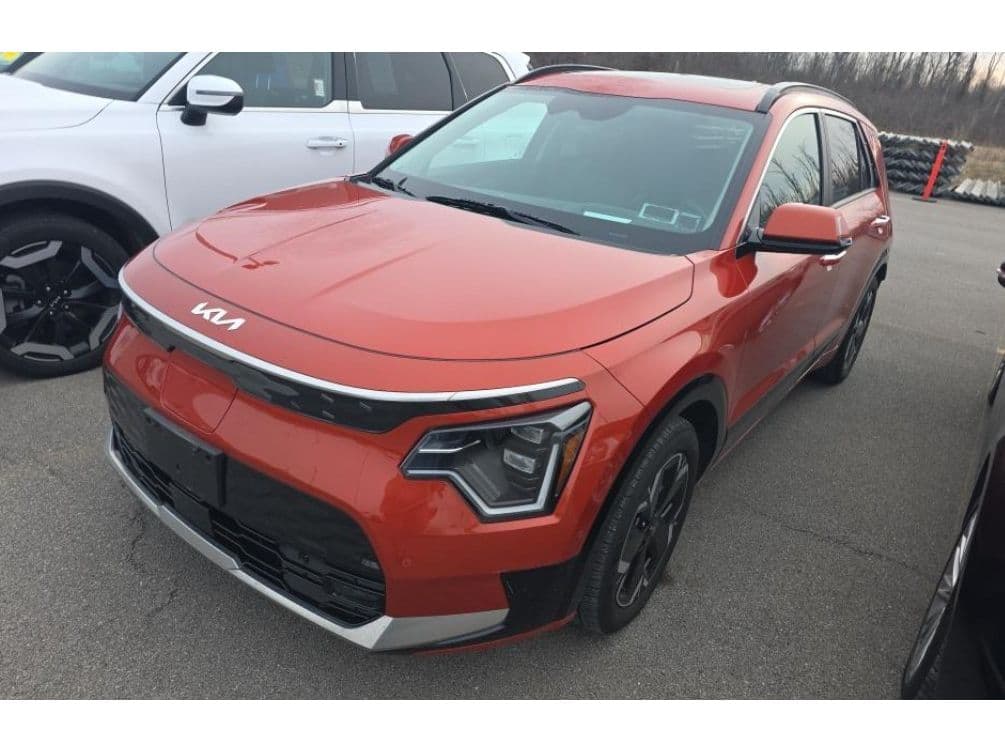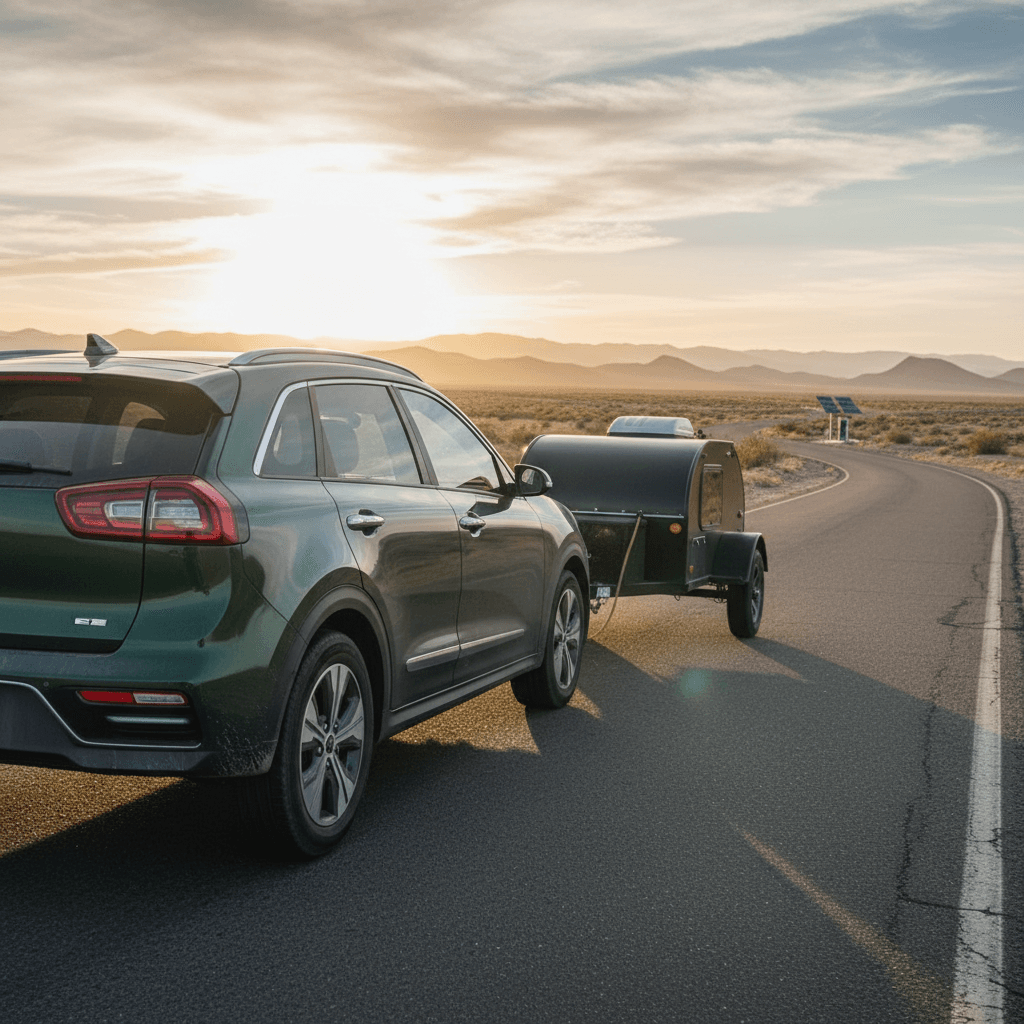
If you own a Kia Niro EV and you’re eyeing a small trailer for yard work, camping, or a lightweight teardrop, you’ve probably run into a mess of conflicting answers online. Some sites list a towing capacity for the Niro EV, others say **“towing not recommended,”** and hitch makers happily sell hardware for it. So can a Kia Niro EV actually tow a trailer, and if so, how much, and should you?
Short answer
Quick answer: can a Kia Niro EV tow a trailer?
- From a **legal/official** perspective in the U.S.: Kia generally says towing is *not recommended* for the Niro EV in the owner’s manual, which effectively means **no factory backing** for trailer towing.
- From a **hardware** perspective: The Niro EV’s structure can accept **Class 2–3 hitches** and there are aftermarket hitches rated around **2,000 lbs gross trailer weight and ~200 lbs tongue weight**, which is plenty for a small utility trailer.
- From a **real‑world** perspective: Owners do tow small trailers (yard waste, tiny utility trailers, lightweight boats) but usually **well under 1,500–1,650 lbs** and with the understanding that they’re outside Kia’s comfort zone.
- From a **battery and range** perspective: Even a light trailer can chop your range by **30–50%**, especially at highway speeds, in cold weather, or with a boxy trailer.
Important disclaimer
Why the Niro EV towing answer is so confusing
Part of the confusion around whether the Kia Niro EV can tow a trailer comes from the fact that **different powertrains and regions get different answers.** You’ll find one site listing a 1,653‑lb towing capacity, another saying zero, and an owner’s manual that avoids giving a number at all.
Where the mixed messages come from
Same body style, different drivetrains and rules
Niro Hybrid / PHEV
Gas and plug‑in hybrid Niro models often **do have** a published tow rating (around 1,500–2,000 lbs in some markets) when properly equipped.
Niro EV / e‑Niro
Full EV versions sometimes show **0 lbs** in spec tables, or "towing not recommended" in manuals, while aftermarket and overseas documents list ~750 kg (1,653 lbs).
Regional rules
In Europe and Australia, regulators **require** explicit towing data. In the U.S., an automaker can simply decline to rate an EV for towing and say it’s not recommended.
So when you ask “can my Kia Niro EV tow a trailer,” you’re really bumping into not just engineering limits, but **liability choices and regional regulations.** That’s why you’ll see owners in Nordic countries legally towing small trailers with their e‑Niro while your U.S. manual shrugs and changes the subject.
Official towing ratings: U.S. vs. Europe and Australia
Kia Niro EV trailer towing by region (big‑picture view)
Always verify for your exact model year, trim, and market using your VIN and owner’s manual.
| Region / Market | Typical wording for Niro EV | Indicative trailer limit | Notes |
|---|---|---|---|
| United States | "Towing not recommended" or no rating | 0 lbs (officially) | Some third‑party spec sheets list ~1,653 lbs, but Kia documentation often avoids an official number for EVs. |
| Canada | Frequently listed as 0 towing | 0 lbs (officially) | Similar approach to the U.S.; some Canadian spec sites show 0 lb tow rating across Niro trims. |
| Europe (e‑Niro) | May list light towing rating | Up to ~750 kg braked (~1,653 lbs) | Common for small utility trailers with brakes; specs vary by country and model year. |
| Australia | Brochures show "None" for EV towing | 0 kg | As of recent brochures, HEV trims can tow; 64.8 kWh EV listed with no trailer capacity and no towball download. |
Use this as a directional guide, not a replacement for your specific manual.
Why Recharged leans on the manual first
Hitches, hardware, and what they really mean
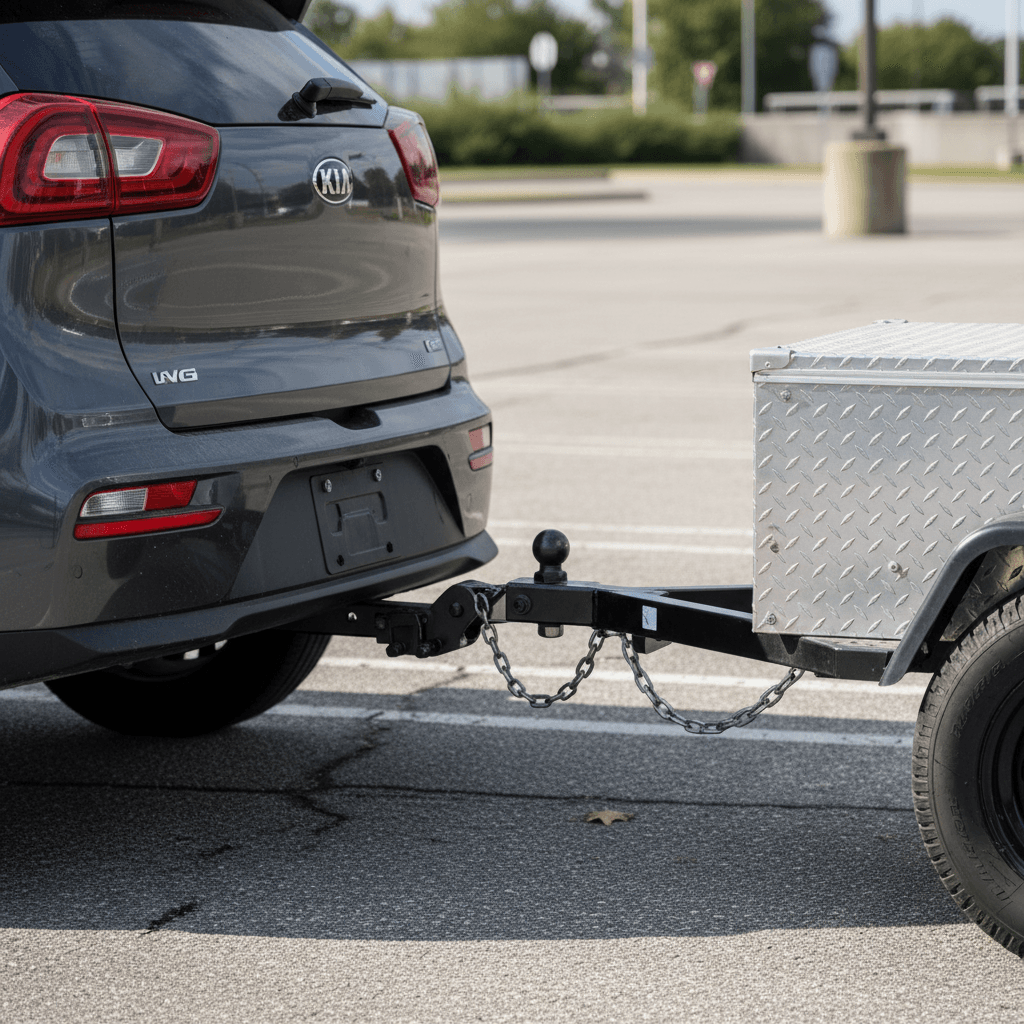
Scroll around online and you’ll find plenty of **Class 2 and Class 3 hitches advertised for the Kia Niro and Niro EV.** Some are rated to **2,000 lbs gross trailer weight and 200 lbs tongue weight**, which is more than enough for a small utility trailer or bike rack. It’s easy to assume that if the hitch is rated for 2,000 lbs, your Niro EV is too, but that’s not how it works.
- A **hitch rating** tells you what the hitch itself can handle, *if* it’s installed on a suitable vehicle.
- A **vehicle towing rating** tells you what the **car** is engineered and approved to tow, accounting for cooling, brakes, structure, and stability systems.
- You are always limited by the **lower** of the two numbers: the hitch rating *or* the vehicle’s rating (which might be zero).
Don’t let the hitch rating fool you
How much can a Kia Niro EV really tow?
Let’s put all this into practical terms. You’re probably not planning to tow a huge camper, you just want to know if a Niro EV can manage a **small trailer** without drama. Here’s a sensible way to think about it, especially for U.S. owners whose manuals say towing is not recommended.
Practical “bands” for Niro EV towing decisions
Assuming you choose to tow at your own risk
0–500 lbs trailer
Think: empty 4×8 utility trailer, lightweight kayak trailer. Hardware and brakes aren’t stressed much, but range still drops. This is the band many cautious owners stick to.
500–1,000 lbs trailer
Loaded yard trailer, small box trailer, light aluminum boat. Now weight and tongue load start to matter. **Trailer brakes strongly recommended** above ~750 lbs gross weight.
1,000–1,650 lbs trailer
You’re in the territory of what some overseas e‑Niro ratings and U.S. spec sheets show (~1,653 lbs). In a U.S. Niro EV with no official rating, you’re deep into **gray‑area territory**, think hard before going here.
A conservative rule of thumb
Whatever you tow, remember that tongue weight (the downward force on the hitch) should typically sit in the **10–15% of trailer weight** range. So if you’re at 1,000 lbs total, you’re aiming for roughly **100–150 lbs on the hitch**, and that tongue weight counts against the Niro’s payload along with passengers and cargo.
Range and driving impact when towing with a Niro EV
Regardless of what your manual says about towing, the physics are the same: **trailers are range killers.** The Niro EV’s battery sits around the mid‑60 kWh range, and it’s very efficient in normal driving, but strap a boxy trailer to the back, and you’re pushing a sail through the air.
How towing typically affects Niro EV range
Those are directional numbers, not guarantees, your actual results will vary with **speed, temperature, hills, trailer shape, and how hard you drive.** But they’re useful for planning. A Niro EV that gives you 240 miles of real‑world solo range might suddenly feel like a **120–160‑mile EV** with a trailer on a windy day.
Watch your temps and braking
Safer ways to haul gear with a Niro EV
For many Niro EV owners, the smartest move is **not to tow a traditional trailer at all**, but to use the hitch for bikes or extra cargo and keep the car within the envelope Kia is clearly comfortable with. That’s especially true if you’re in a region where the EV has no official tow rating.
Practical alternatives to trailer towing
Keep your Niro EV happy and still bring your stuff
Hitch‑mounted bike rack
A 2‑inch receiver with a quality rack is perfect for **e‑bikes and mountain bikes**. The added drag is minimal compared with a trailer, and you stay away from trailer‑brake complexity.
Hitch cargo carrier
A rear cargo basket or enclosed box lets you haul **camping gear, coolers, or totes** low and close to the bumper, which helps stability and keeps tongue weight manageable.
Roof box or rack
Roof solutions increase drag and cut range, but they’re still simpler than a trailer. Great for **light, bulky items** like tents, skis, and sleeping bags.
How Recharged looks at hitches on used Niro EVs
Ready to find your next EV?
Browse VehiclesShopping used: how towing affects a Niro EV purchase
If you’re considering a **used Kia Niro EV** and you care about battery life and long‑term reliability, towing history should absolutely be on your radar, especially if the car wasn’t officially approved for towing in your region.
Red flags to investigate
- Heavy corrosion or deformation around the hitch mount points.
- Trailer wiring hack‑jobs spliced into the harness instead of a proper module.
- Evidence of regularly towing **large or tall trailers** (scrapes on the tongue area, heavy wear on the ball, etc.).
- Owner stories about towing **near or above 1,500 lbs** frequently in hot or mountainous regions.
Reassuring signs
- A clean Class 2 or 3 hitch with **no signs of overload** and a history of bike‑rack use only.
- Trailer wiring installed with a **proper module and fuse taps**, not random splices.
- Battery health that matches mileage and age, as shown in a Recharged Score report.
- Seller who is transparent about how they used the hitch, with photos or receipts.
Every Niro EV listed on Recharged includes a Recharged Score report with **battery health diagnostics, charge‑cycle patterns, and usage clues** that help you understand how hard the car’s life has been. If prior heavy towing is suspected, that’s the kind of thing our reviewers call out so you’re not guessing.
Step‑by‑step checklist before you tow
Pre‑tow checklist for Niro EV owners
1. Read your exact owner’s manual
Look up the section on **trailer towing**. If it says "towing not recommended" or gives a 0‑lb capacity, understand that you’ll be towing at your own risk, outside Kia’s official blessing.
2. Confirm your regional rating
A U.S.‑market Niro EV may differ from a European e‑Niro. Check the VIN sticker, local brochures, and dealer documentation; don’t assume overseas tow ratings apply to your car.
3. Choose a properly rated hitch
If you proceed, use a hitch **designed specifically for the Niro / Niro EV** with a rating at least equal to your intended trailer weight. Have it installed professionally, including a proper trailer‑wiring module if you’ll run lights.
4. Weigh the trailer loaded, not empty
Visit a public scale or use portable scales to confirm the **actual gross trailer weight** with all your gear onboard. Estimate **10–15%** of that as tongue weight and make sure it doesn’t overload the hatch area.
5. Start well under theoretical limits
Even if you’ve seen a 1,653‑lb number online, start with something much lighter, **500–800 lbs**, and do short local shakedown drives before attempting highway runs or hills.
6. Plan your route and charging stops
Assume a **30–50% range hit**. Choose routes with plenty of charging options, avoid extreme heat or cold when possible, and keep speeds moderate to protect range and components.
Frequently asked questions about Kia Niro EV towing
Kia Niro EV towing FAQ
Bottom line: should you tow a trailer with a Kia Niro EV?
So, can a Kia Niro EV tow a trailer? **Physically, yes, with a proper hitch and a small, well‑set‑up trailer, the car is capable of pulling light loads.** But in many regions, Kia has chosen not to give the Niro EV an official tow rating, and that decision shifts risk and responsibility onto you if something goes wrong.
If you’re in a market where the Niro EV is **explicitly rated** to tow, stay well under that limit, respect tongue‑weight guidelines, and factor in the range hit. If you’re in the U.S. or Canada and your manual says “towing not recommended,” the safer move is to treat the hitch as a **bike‑rack and cargo‑carrier mount only** and leave trailers to vehicles that were designed and certified for the job.
Either way, understanding the fine print before you hook up a trailer will save you stress, and possibly money, down the road. And if you decide you really do need an EV that can tow with confidence, Recharged can help you find a **used EV with a factory tow rating and verified battery health**, so you’re not guessing about what your next vehicle can safely handle.