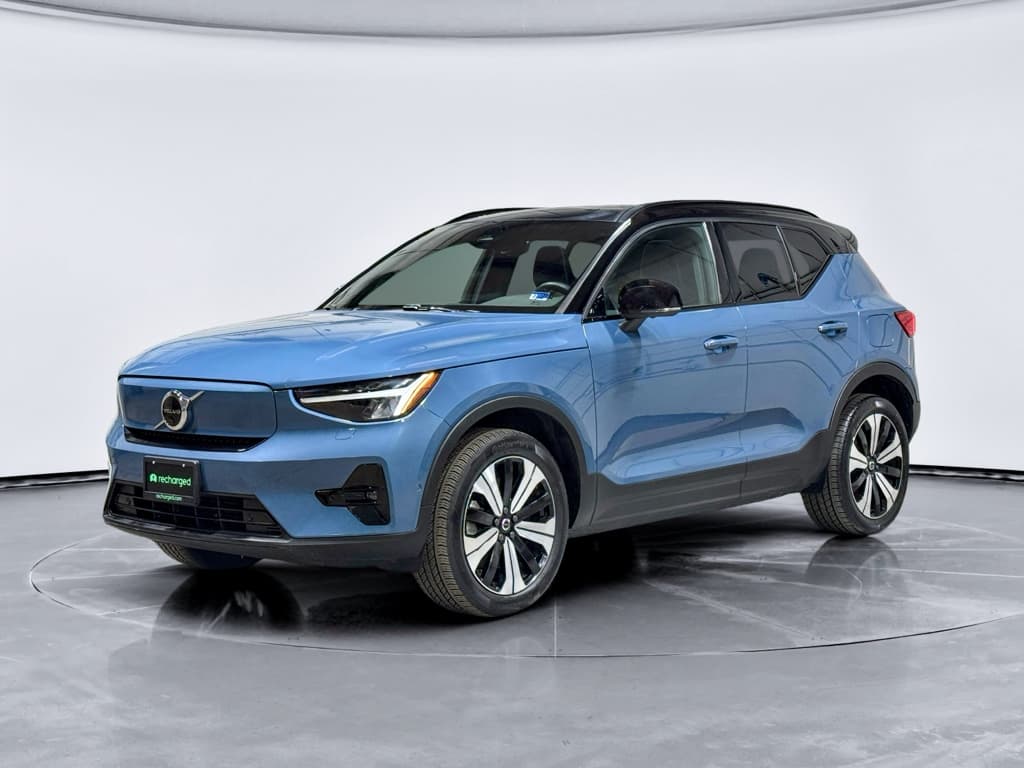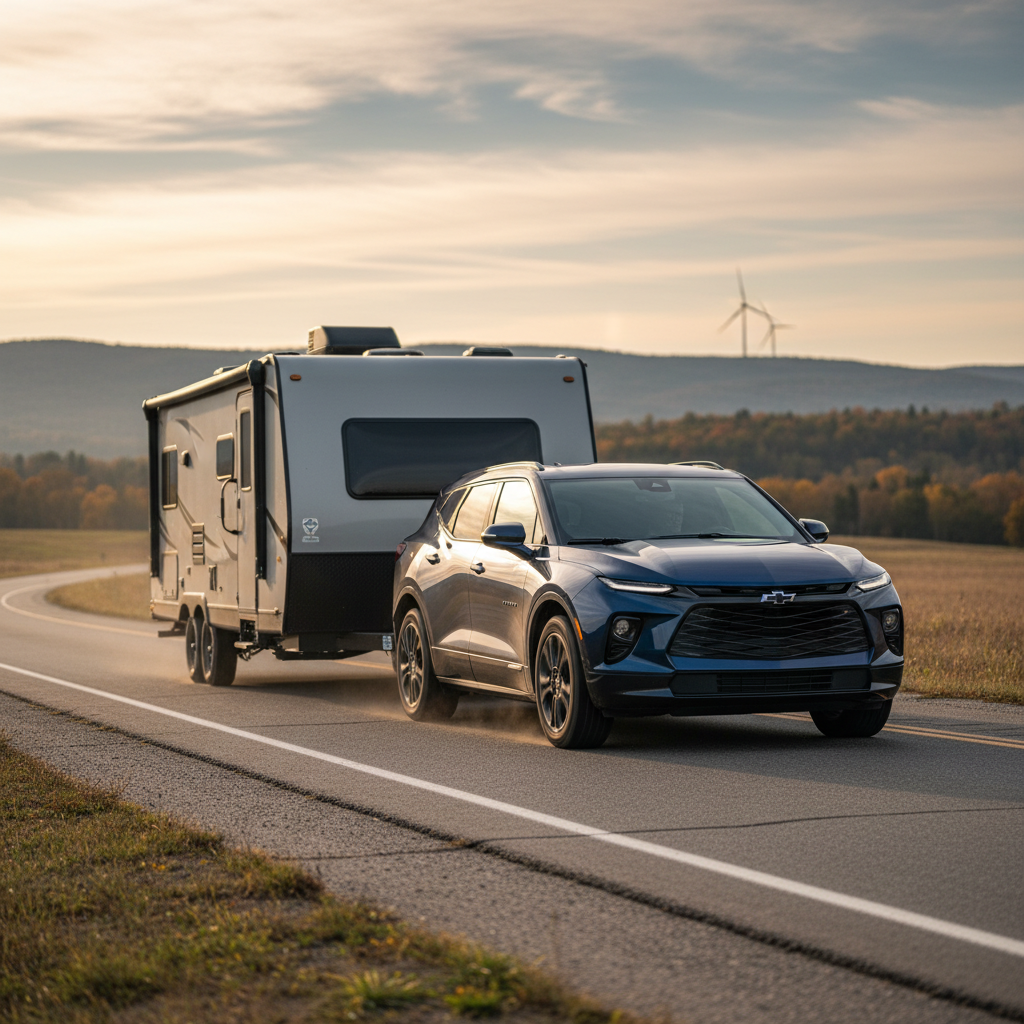
If you’re considering a Volvo EX30, you’re probably wondering what the real‑world highway range looks like, not just the glossy brochure numbers. Official ratings assume a gentle mix of city and highway driving, but cruising at 70–75 mph on an American interstate is a very different story. This guide breaks down how far an EX30 can actually go on the highway, how different trims compare, and what that means if you’re buying, especially if you’re eyeing a used EX30 from a marketplace like Recharged.
Lab tests vs the way you really drive
Volvo EX30 range basics: official vs real world
Volvo positions the EX30 as its most compact and efficient SUV, with competitive range for its size. But like nearly every EV, the EX30’s highway range is lower than its combined rating because aerodynamic drag rises sharply with speed. In practical terms, that means an EX30 that’s quoted at 275+ miles on paper might deliver closer to 210–230 miles on a fast highway run in mild conditions, and less in winter.
Volvo EX30 range at a glance
Those real‑world highway numbers may look conservative next to official figures, but they’re much closer to what you’ll actually see on a road trip, especially if you’re running with traffic at 70–75 mph. The upside: the EX30 charges quickly and is small and efficient, so planning around that realistic range is very manageable.
Battery sizes, trims and official range ratings
To understand Volvo EX30 real‑world highway range, you first need to know which battery and drivetrain you’re dealing with. There are two main battery sizes and two powertrain layouts available, with slightly different range ratings depending on market and wheel size.
Volvo EX30 trims, batteries and official range
Approximate figures for core EX30 variants. Exact numbers vary by market, wheel size and test cycle.
| Trim | Battery (usable approx.) | Drivetrain | Power | Official combined range* |
|---|---|---|---|---|
| Single Motor Standard Range | ~51 kWh | RWD | ~268 hp | ~200–215 mi |
| Single Motor Extended Range | ~69 kWh | RWD | ~268 hp | ~260–275 mi |
| Twin Motor Performance (Extended) | ~69 kWh | AWD | ~422 hp | ~250–260 mi |
Use this as a directional guide; always confirm the exact spec of the EX30 you’re looking at.
Why your window sticker range may differ
If you drive mostly highway miles, the Single Motor Extended Range trim is the sweet spot. It combines the larger battery with rear‑wheel drive, which is more efficient than the high‑power Twin Motor AWD, particularly at steady speeds.
Real‑world highway range at 65–75 mph
So what does all this mean when you pull onto the interstate, set the cruise control, and go? Below are realistic Volvo EX30 real‑world highway range estimates at typical U.S. speeds with mild weather (around 65–70°F), light cargo, and climate control set to a comfortable temperature.
Estimated real‑world highway range by EX30 trim
These assume continuous 65–75 mph cruising on relatively flat highway.
Single Motor Standard Range
Battery: ~51 kWh usable
Typical highway efficiency: ~2.7–3.0 mi/kWh
Real‑world 65–70 mph: ~150–185 miles
Real‑world 70–75 mph: ~135–170 miles
Plan around the low end of these ranges in winter or with higher speeds.
Single Motor Extended Range
Battery: ~69 kWh usable
Typical highway efficiency: ~2.7–3.1 mi/kWh
Real‑world 65–70 mph: ~190–215 miles
Real‑world 70–75 mph: ~175–205 miles
This is the best highway cruiser in the EX30 lineup.
Twin Motor Performance (Extended)
Battery: ~69 kWh usable
Typical highway efficiency: ~2.4–2.7 mi/kWh
Real‑world 65–70 mph: ~170–190 miles
Real‑world 70–75 mph: ~155–180 miles
Extra power and AWD cost some range at speed, especially in cold weather.
A simple rule of thumb
You’ll notice those ranges aren’t single magic numbers but bands. That’s deliberate. Even on the same route, a stiff headwind, heavy rain, or a 5 mph change in average speed can swing your consumption enough to move you from the high to the low end of the range band.
7 factors that cut Volvo EX30 highway range
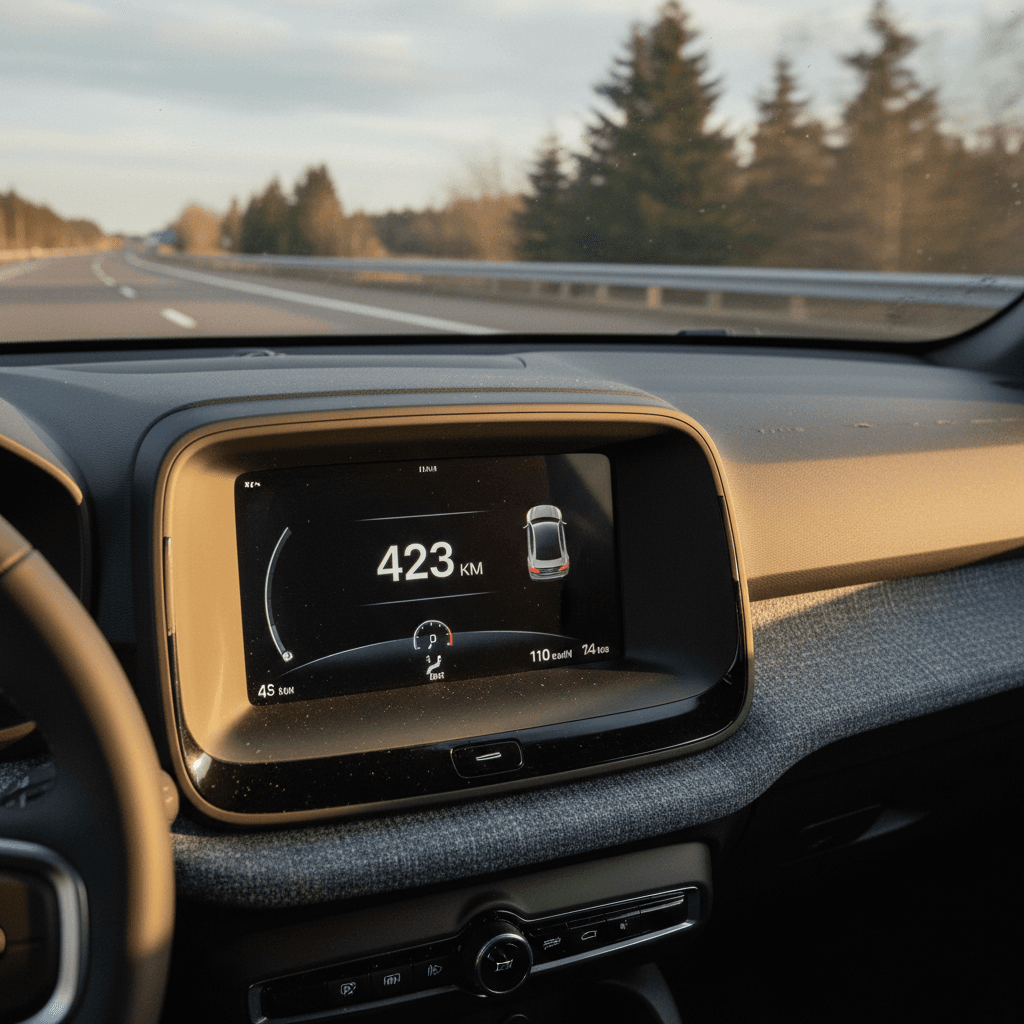
If you’ve ever wondered why your EX30 sometimes seems to sip energy and other times guzzles it, these are the main culprits. Understanding them will help you predict your Volvo EX30 real‑world highway range far better than any single spec sheet number.
Main highway range killers in the EX30
1. Speed above 70 mph
Aerodynamic drag rises with the square of speed. In a compact SUV like the EX30, going from 65 to 75 mph can easily cost you 10–15% of your range. If you ever want to stretch to the next charger, dropping a few mph is your quickest lever.
2. Cold weather and battery temperature
Lithium‑ion batteries are less efficient when cold, and you’ll use more energy to heat the cabin. Expect noticeably lower range in temperatures below freezing and especially on short hops where the battery never fully warms up.
3. Strong headwinds or heavy rain
A 20 mph headwind is like driving 20 mph faster in aerodynamic terms. Heavy rain and standing water also increase rolling resistance. On a blustery, wet day you can lose 10–20% of your expected highway range.
4. Big wheels and aggressive tires
Larger wheels and stickier tires look great and help grip, but they cost efficiency. An EX30 on 20‑inch wheels will usually do worse at highway speeds than one on more modest wheels with low‑rolling‑resistance tires.
5. HVAC and comfort features
Heat pumps help, but heating the cabin and especially using seat or steering‑wheel heaters draws energy. At 70 mph, climate control isn’t the biggest consumer, but in very hot or very cold conditions it can trim a few precious miles.
6. Elevation gain
Climbing long grades demands extra energy, and while you recover some on the way down via regen, you never get it all back. Planning mountain drives? Assume lower effective range and more frequent charging stops.
7. Extra weight and roof loads
Passengers, cargo, and roof boxes all add weight and aerodynamic drag. A fully loaded EX30 with a rooftop cargo box can see significantly reduced highway range compared to a lightly loaded car with a clean roofline.
Don’t ignore low‑state‑of‑charge behavior
How to improve your EX30’s highway range
You can’t change physics, but you can work with it. A few small habits can add 20–40 miles of effective highway range to a Volvo EX30 over the course of a long trip, often with little sacrifice in comfort or arrival time.
Drive a little slower, arrive just as relaxed
Dropping your cruising speed from 75 to 68–70 mph can pay big dividends in efficiency. Over a 200‑mile leg, that might add 15–25 miles of range, often enough to skip a charging stop or arrive with a more comfortable buffer.
- Use adaptive cruise to keep your speed consistent.
- Let faster traffic go; focus on your own consumption.
- In strong headwinds, be especially conservative.
Use the EX30’s built‑in tools
The EX30’s navigation and energy screens aren’t just eye candy. Use them.
- Energy graph: Watch how speed and terrain change consumption.
- Route planning: Many EX30s can suggest charging stops automatically.
- Preconditioning: If supported, pre‑heat or pre‑cool while plugged in to save battery energy.
Range and comfort can coexist
Charging and trip planning for long drives
Because the EX30’s battery is modest in size, fast, predictable charging is just as important as raw range. On a road trip, you’ll typically drive in 120–180‑mile chunks, then fast charge from around 10–20% up to 70–80%, where the charge curve is quickest.
Sample EX30 highway leg planning in mild weather
How you might structure a full day’s drive in a Single Motor Extended Range EX30.
| Leg | Start / End SOC | Distance | Notes |
|---|---|---|---|
| 1 | 100% → 35% | ~170 mi | Start the day full from home or hotel AC charging. |
| 2 | 35% → 75% | Fast charge ~20–25 min | Grab coffee and a restroom break. |
| 3 | 75% → 20% | ~150 mi | Cruise at 70 mph; adjust speed if headwinds or rain. |
| 4 | 20% → 70% | Fast charge ~20–25 min | Lunch stop; battery warms fully, speeding charging. |
| 5 | 70% → 15% | ~150 mi | Finish the day or do one more short top‑up if needed. |
Real trip plans will depend on charger spacing, weather and your personal preferences.
Use multiple charging apps
If you’re new to EVs, it’s natural to fixate on range. But once you get a few highway trips under your belt, you’ll realize what matters most is a predictable rhythm: drive 2–3 hours, stop for 20–30 minutes, repeat. The EX30 slots neatly into that pattern, particularly in its Extended Range form.
Buying a used Volvo EX30: battery health & range
If you’re shopping the used market, you’re probably wondering whether a pre‑owned EX30 will still deliver the highway range we’ve been talking about. The good news: modern EV batteries, including Volvo’s, tend to age gradually. A healthy used EX30 might lose a modest slice of its original range, but it shouldn’t feel dramatically different on the highway if it’s been cared for.
Key range checks when buying a used EX30
Simple steps to make sure the car still has the highway legs you expect.
Check displayed range at 100%
Ask the seller to fully charge the EX30 and note the indicated range at 100%. It won’t match official ratings exactly, but if it seems unusually low compared to other EX30s with similar wheels and climate, ask why.
Review long‑term consumption
Look at the car’s average energy consumption readout over the past few thousand miles if available. Very high numbers might indicate lots of high‑speed or cold‑weather driving, or an efficiency issue such as under‑inflated tires.
Get a battery health report
When you buy through Recharged, every vehicle includes a Recharged Score battery health report. It uses advanced diagnostics to validate the pack’s condition so you aren’t guessing about how much real‑world range is left on the table.
Why a structured inspection matters
Because Recharged specializes in used EVs, our team looks beyond the odometer. We look at how the battery has aged, how it’s been charged, and how it performs under load. That gives you a much clearer window into the Volvo EX30’s real‑world highway range than a simple “one‑owner” claim ever could.
Volvo EX30 real‑world range FAQ
Common questions about Volvo EX30 highway range
Key takeaways on Volvo EX30 highway range
- The Volvo EX30’s official range numbers are optimistic for pure highway use; expect roughly 15–25% less at 70–75 mph in mild weather.
- Among trims, the Single Motor Extended Range offers the best balance of price, power and real‑world highway range.
- Speed, cold weather, wind, elevation, and wheels/tires have a big impact on how far you actually go on a charge.
- On road trips, think less about maximum range and more about a comfortable rhythm of 120–180‑mile legs with 20–30‑minute fast‑charge breaks.
- If you’re buying used, a structured battery health assessment, like the Recharged Score, takes the guesswork out of how much range your EX30 really has left.
The bottom line is that the Volvo EX30 is a capable highway companion when you understand what its numbers really mean. If you size your expectations to its realistic 65–75 mph range, use its charging tools wisely, and choose the right trim for your needs, it can handle everything from daily commuting to multi‑state road trips with ease. And if you’re considering a used EX30, buying through Recharged adds the confidence of verified battery health and transparent pricing, so the range you’re counting on is the range you’ll actually get out on the open road.