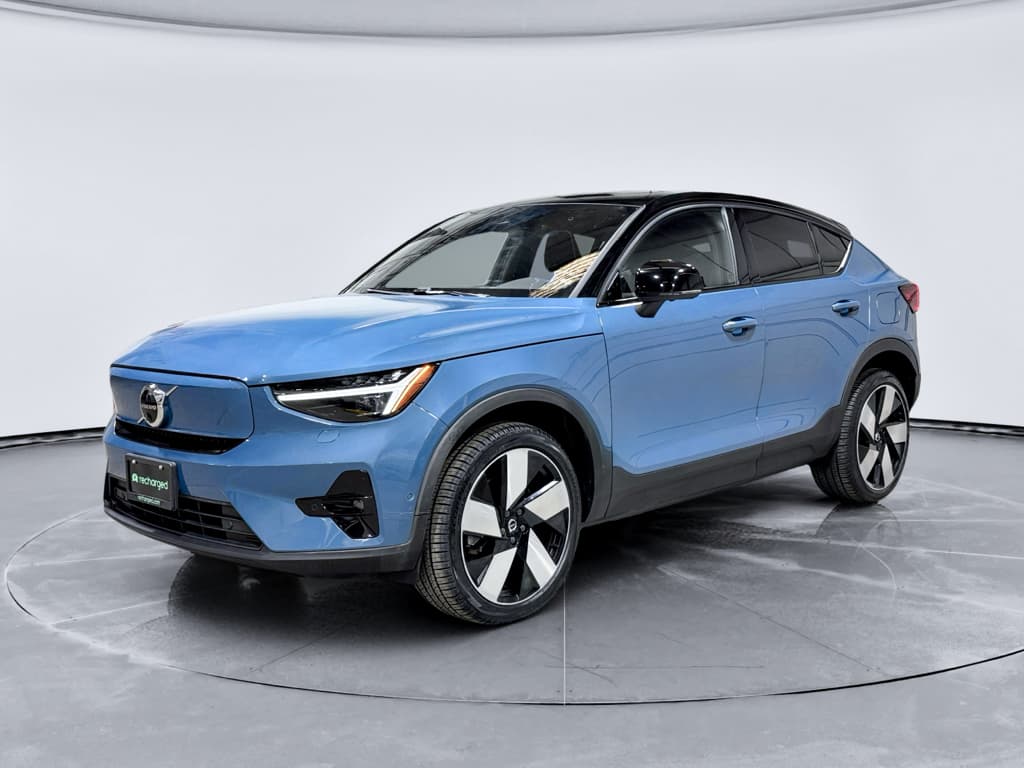
If you’re eyeing a Volvo EX30, you’re probably attracted to its size, Scandinavian design, and the promise of low running costs. But long-term ownership cost is where the real story lives: depreciation, charging, maintenance, insurance, and what happens once the warranty ends. This guide breaks down the true Volvo EX30 long term ownership cost over 5–10 years, and how buying used can tilt the math in your favor.
Key takeaway
Volvo EX30 ownership cost: big picture
Approximate 5-year cost snapshot (U.S., typical owner)
Those ranges are deliberately broad because your exact total cost of ownership (TCO) depends on how you buy (cash vs. finance vs. lease), how quickly you rack up miles, and how early EX30 depreciation shakes out in your region. Still, it’s clear that charging and maintenance are where EVs like the EX30 save you money; depreciation and insurance are where costs can surprise you.
Purchase price, incentives, and why U.S. pricing moved
When Volvo first announced the EX30 for the U.S., headlines fawned over a sub‑$35,000 MSRP. Reality turned out to be messier. After tariffs on Chinese‑built EVs and Volvo’s decision to shift production for U.S.-bound cars to Europe, effective pricing stepped up, and early U.S. availability was focused on higher trims and Twin Motor Performance variants rather than the bare-bones base model.
Recent Volvo EX30 U.S. pricing snapshot
Representative starting MSRPs (including destination) for early U.S.-market EX30s. Exact numbers will vary slightly by model year and equipment.
| Model / Trim | Drivetrain | Approx. starting MSRP* | Notes |
|---|---|---|---|
| Single Motor Core (early announcement) | RWD | ~$36,000 | Initially promised U.S. entry price; delayed and revised upward before wide delivery. |
| Single Motor Plus (2026 MY) | RWD | ~$40,000 | Real-world U.S. entry point; around 260 mi EPA range. |
| Twin Motor Performance Plus | AWD | ~$46,000 | 422 hp, quickest Volvo ever, shorter range in real use. |
| Twin Motor Performance Ultra | AWD | ~$48,000 | Loaded, highest depreciation risk due to price + niche spec. |
The EX30 launched with aggressive pricing on paper, but most U.S. buyers see higher out-the-door prices due to trim mix and destination fees.
No federal EV tax credit for the EX30
State and utility incentives can still help, rebates for home chargers, discounted off‑peak rates, or modest purchase incentives, but you should not build your ownership-cost math around a big federal rebate the EX30 doesn’t get. That’s one reason used EX30 pricing will matter so much for long-term affordability.
Depreciation & resale value: will the EX30 hold up?
The 4 biggest EX30 depreciation drivers
These factors matter more than any spreadsheet assumption.
Battery health & range perception
Small EV crossovers live or die on usable range. Early tests of the EX30 Twin Motor have shown weaker highway range than the spec sheet suggests, which can weigh on demand in the used market. A car that struggles to clear 200 miles at 75 mph will depreciate faster than one that comfortably does.
Build origin & tariffs
Initial U.S.-bound EX30s being rerouted away from China because of tariffs created delays and uncertainty. Any model associated with tariff headlines or production shuffles tends to see more pricing volatility, especially in its first few model years.
Performance vs. practicality
The Twin Motor EX30 is blazing quick, but you don’t get that performance for free: it costs more to buy and tends to return lower real-world range. Historically, high-performance trims of small EVs depreciate faster than the volume, efficiency-focused versions.
Lease residuals & fleet sales
As Volvo and its captive finance arm dial in lease residual values, they’re effectively predicting depreciation. If they err on the optimistic side, we’ll see discounted off-lease cars hitting the used market later, which is good if you’re buying used and bad if you paid top dollar new.
A realistic depreciation range
If you’re buying new and keeping the EX30 for 8–10 years, that depreciation may sting less; you’ll get more lifetime miles out of each dollar of upfront cost. If you’re the type to swap cars every 3–4 years, the EX30’s lack of federal incentives and uncertain brand-new resale performance means you’ll want to negotiate hard on the front end or seriously consider buying used once the first wave of leases hits the market.
Charging costs vs. gas: what powering an EX30 really costs
From a running-cost perspective, the EX30’s biggest strength is energy use. A rear‑drive Single Motor model should land in the ballpark of many other compact EVs on efficiency, comfortably under 30 kWh per 100 miles in mixed driving if you’re not hammering it. The Twin Motor will burn more electrons, especially at highway speeds, but both versions undercut a comparable gas SUV at the pump by a wide margin.
Home charging economics
- Electricity cost: At $0.15/kWh (rough U.S. average), an EX30 using ~28 kWh/100 miles costs about $4.20 per 100 miles.
- Annual fuel cost: Drive 12,000 miles/year and you’re spending roughly $500–$700 per year in electricity depending on region and efficiency.
- Off‑peak rates: Many utilities offer discounted overnight pricing that can knock another 20–40% off that bill if you schedule charging.
Compared with a gas small SUV
- Gas example: A 30 mpg compact SUV at $3.75/gallon costs about $12.50 per 100 miles.
- Annual fuel cost: The same 12,000 miles/year now costs about $1,500 in fuel.
- Net savings: Over 5 years, a typical EX30 driver might save $4,000–$6,000 on energy alone versus a comparable gas car, assuming stable prices.
Use public DC fast charging strategically
If you live in an apartment or rely heavily on public charging, your energy costs narrow the gap to gasoline, especially on pricey DC fast‑charging networks. That doesn’t erase the EX30’s efficiency advantage, but it does mean you should think carefully about your access to low‑cost home or workplace charging before you bank on big savings.
Maintenance, repairs, and battery health over 10 years
Like other modern Volvos, the EX30 comes with a fairly straightforward warranty package in the U.S.: a 4‑year/50,000‑mile new-vehicle warranty and an 8‑year/100,000‑mile high‑voltage battery warranty, plus roadside assistance and corrosion coverage. Scheduled maintenance is lighter than a gas Volvo, the EX30 has no oil changes and far fewer moving parts in its drivetrain.
What you’ll actually service on an EX30
Most costs are predictable, and lower than a gas Volvo.
Tires & alignment
Small SUVs are hard on tires, and EV torque doesn’t help. Expect to replace tires every 25,000–40,000 miles depending on driving style, alignment, and whether you’re on the grippier Twin Motor setup. Budget $800–$1,200 per set installed for quality rubber.
Brake fluid & coolant
Even with regenerative braking, fluid changes still matter. Volvo typically recommends brake fluid every 2–3 years and coolant inspections at scheduled intervals. These jobs are not expensive individually, but they’re part of long‑term safety and reliability.
Cabin filters & miscellany
Cabin air filters, wiper blades, and the occasional 12‑volt battery are minor but recurring costs. Over 5–8 years, these "little things" add up to a few hundred dollars, still well below what you’d spend maintaining a turbocharged gas SUV.
EV maintenance advantage
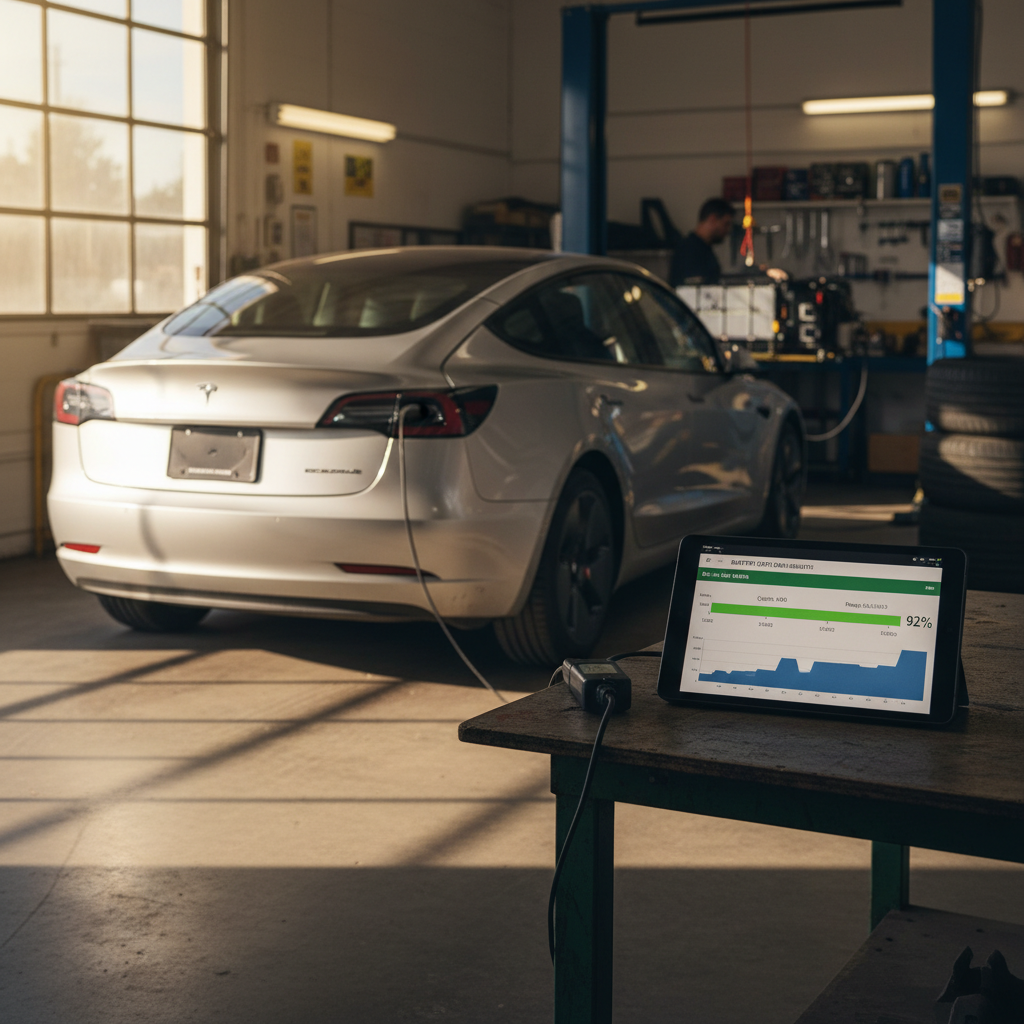
The wild card is what happens after year 8–10, when battery and high‑voltage components fall out of warranty. Full pack replacements on any modern EV are expensive; fortunately, outright failures are rare compared with gradual degradation. That’s why battery health, and documentation of how the car was charged and driven, matters so much when you’re evaluating long‑term ownership cost or shopping used.
Why battery health data matters
Insurance, registration & taxes
Insurance is one of the most overlooked components of long‑term EV ownership cost. The EX30 is a compact premium crossover with a lot of sensors, aluminum, and high‑voltage hardware packed into a small footprint. That combination tends to push insurance premiums above mainstream gas crossovers, although it may undercut pricier luxury EVs from Mercedes, BMW, and Audi.
Why EX30 insurance can be higher than you expect
- Repair complexity: Radar sensors, cameras, and structural battery integration raise repair costs after even minor collisions.
- New model effect: Insurers don’t have a long claims history for the EX30 yet, so they often price in a margin of caution.
- Performance trims: Twin Motor models with 400+ hp and stickier tires generally carry higher premiums than the more efficient Single Motor versions.
How to keep premiums in check
- Get quotes on both Single and Twin Motor before you choose a trim; the difference can be more than you think.
- Ask about EV discounts, telematics programs, and multi‑policy bundles.
- Factor in higher comprehensive/collision rates if you live in hail, theft, or flood‑prone regions.
Don’t forget registration and property tax
Taken together, insurance, registration, and taxes can easily run into the low four figures annually for a new EX30 in higher-tax states. Over a 5–10 year span, that becomes a material part of your total cost picture, especially if your purchase price and financing were already at the top of your budget.
New vs. used Volvo EX30: where the savings are
Because the EX30 arrived later than expected in the U.S. and pricing has yo‑yoed with tariffs and production shifts, the used market will take a little time to develop. But the basic EV playbook still applies: let someone else pay the steepest part of the depreciation curve, then you step in once pricing stabilizes and battery health can be verified.
Pros of buying new
- Full factory warranty on both vehicle and high‑voltage battery.
- Ability to spec exactly the trim, color, and options you want.
- Access to the most recent software and hardware revisions, which can matter on a first‑generation EV.
New makes the most sense if you’re planning to keep the EX30 8–10+ years and can negotiate a price that reflects the lack of federal tax credit.
Pros of buying used
- Let the first owner absorb the steepest 2–3 year depreciation hit.
- Real‑world range and reliability data for that specific VIN, especially with a trusted inspection and battery health report.
- Lower financing needs and, in many states, lower sales tax and registration costs.
A well‑priced used EX30 with documented charging habits can offer much lower cost per mile than a brand‑new one.
How Recharged can tilt the math in your favor
How the EX30’s ownership cost compares to other EVs
Viewed against the broader EV market, the EX30 sits in an interesting middle ground. It’s more affordable than many premium crossovers, both to buy and to run, but not as brutally cost‑optimized as some mainstream Korean and Chinese competitors. Its compact size and efficient Single Motor variant put it closer to a Hyundai Kona Electric than a Tesla Model Y in day‑to‑day energy use, but branding, safety tech, and interior quality push it toward the premium end of the spectrum.
Volvo EX30 vs. common alternatives (ownership‑cost lens)
Very high‑level comparison of how the EX30 stacks up against typical alternatives on key cost dimensions.
| Model | Powertrain | Energy / fuel cost | Estimated 5‑yr depreciation | Maintenance burden |
|---|---|---|---|---|
| Volvo EX30 Single Motor | EV | Low | Moderate–high (new model, no tax credit) | Low |
| Volvo EX30 Twin Motor | EV | Low–moderate (less efficient) | High (higher MSRP, niche spec) | Low |
| Hyundai Kona Electric | EV | Very low | Moderate | Low |
| Tesla Model Y RWD | EV | Low | Moderate (strong demand, but price cuts) | Low |
| Volvo XC40 B5 gas | Gas | High | Moderate | High (more complex ICE maintenance) |
The EX30 usually wins on efficiency and maintenance versus gas rivals, but faces tougher competition from efficient mainstream EVs.
Where the EX30 makes the most sense
Checklist: ways to lower your Volvo EX30 ownership cost
Practical steps to reduce EX30 total cost of ownership
1. Choose the right powertrain
If you don’t need all‑wheel drive or launch‑control thrills, the Single Motor EX30 is cheaper to buy, cheaper to insure, and more efficient to run. Over 5–10 years, that choice alone can save thousands.
2. Prioritize home or workplace charging
Set up Level 2 home charging or reliable workplace access so most of your miles are powered at residential electricity rates rather than costly public DC fast chargers.
3. Mind your tires and alignment
Aggressive driving and misalignment chew through tires on torque‑heavy EVs. Rotate tires on schedule and address alignment issues early to avoid premature replacements.
4. Keep software and service current
EVs live and die by their software. Keep your EX30 on the latest updates and follow the essential service items (brake fluid, coolant checks, cabin filters) without buying into unnecessary extras.
5. Shop insurance across multiple carriers
Don’t assume your existing insurer is cheapest for EVs. Get quotes from at least three companies, and compare Single vs. Twin Motor premiums before you commit to a trim.
6. Consider buying used with verified battery health
Once a used market develops, look for EX30s with independently verified battery health, such as those sold through Recharged with a Recharged Score Report, to sidestep the steepest depreciation and avoid cars with hidden range loss.
Volvo EX30 ownership cost: FAQ
Frequently asked questions about Volvo EX30 long-term costs
Bottom line: is the Volvo EX30 cheap to own?
If you strip EV ownership down to energy and maintenance, the Volvo EX30 looks excellent: it’s efficient, mechanically simple, and backed by solid warranties. Where things get more nuanced is on the capital side, purchase price, depreciation, and insurance, especially for a first‑generation, tariff‑buffeted model without a federal tax credit.
For a patient buyer who chooses the right spec (often the Single Motor), sets up inexpensive home charging, and either holds the car for 8–10 years or buys used with verified battery health, the EX30 can deliver genuinely low cost per mile wrapped in a premium-feeling package. For someone chasing the latest Twin Motor at full sticker and swapping out in three years, the long-term math looks much harsher.
If you’re considering an EX30, or any used EV, this is exactly where Recharged is designed to help. With transparent pricing, expert EV support, and Recharged Score battery diagnostics on every vehicle, you can shop for an EX30 based on its true long‑term cost, not just the window sticker.