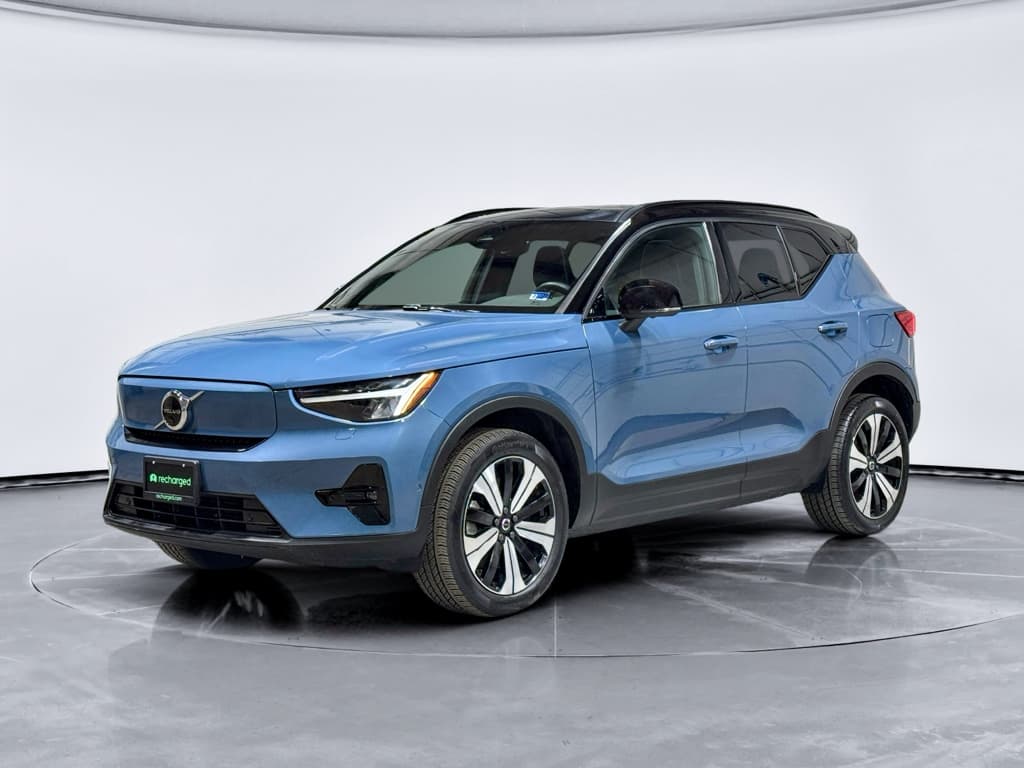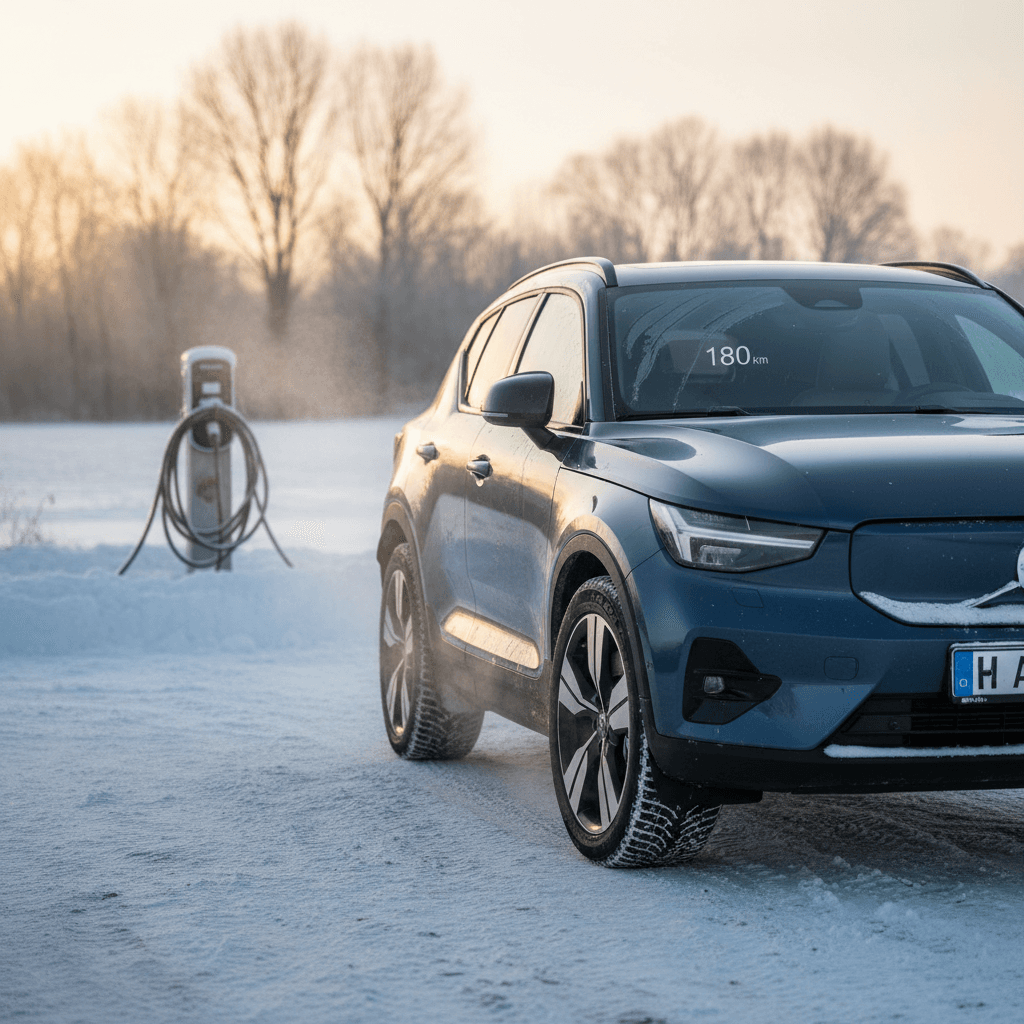
If you live where winter actually feels like winter, you’ve probably heard that EVs lose range in the cold. The same is true of the Volvo C40 Recharge, but the real question is: how much winter range loss should you expect, and is it still a practical daily driver when temps drop below freezing?
Quick take
Volvo C40 Recharge winter range loss: what’s normal?
Across modern EVs, real-world data shows that cold weather typically cuts range by about 15–30% in freezing temperatures, mostly because the battery and cabin have to be heated. The C40 Recharge falls right in that band. In mild cold (around 32°F / 0°C), many owners report only a modest hit; as you move toward the teens or single digits, losses closer to 30% become common, especially on short trips.
How winter affects EV range on average
You’ll see the biggest percentage loss on short, stop‑and‑go trips, because the car spends a lot of energy warming up the cabin and battery, then never gets to settle into a steady, efficient cruise. Long highway drives in cold weather can still be efficient, but sustained high speeds and headwinds will also eat into range.
Factory range numbers for the C40 Recharge
Before we talk about winter losses, it helps to know what you’re losing range *from*. Recent C40 Recharge models are significantly more efficient than early versions, and the rated range differs by drivetrain.
EPA-rated range for recent Volvo C40 Recharge models
Approximate U.S. EPA figures for 2024 C40 Recharge trims. Check the window sticker or VIN-specific data for an individual car.
| Model year & drivetrain | Driven wheels | EPA combined range (mi) | Battery size (usable kWh)* |
|---|---|---|---|
| 2024 C40 Recharge Single Motor | RWD | 297 | ≈79 |
| 2024 C40 Recharge Twin Motor | AWD | 257 | ≈79 |
| 2022–2023 C40 Recharge Twin Motor | AWD | 226–234 | ≈75 |
These are ideal-condition lab ratings. Real-world range varies with weather, speed, and terrain.
Note on numbers
Why EVs and the C40 Recharge lose range in winter
Cold weather doesn’t just make you shiver; it makes your battery and cabin work harder too. The basic physics are the same whether you’re driving a Volvo C40 Recharge, a Tesla Model Y, or a Hyundai Ioniq 5.
- Battery chemistry slows down: Lithium‑ion cells are less efficient when cold, so you lose some usable energy to internal resistance and heat generation.
- Cabin heating is energy‑hungry: In a gas car, you get “free” cabin heat from the engine’s waste heat. In an EV, the heater draws straight from the battery.
- Tire and drivetrain losses rise: Cold tires, thickened lubricants, snow and slush all increase rolling resistance.
- Short trips are worst: Each start from a cold soak forces the car to spend energy heating the pack and cabin again, even if you’re only going a few miles.
Heat pump advantage
How much winter range loss to expect in a C40
The C40 Recharge doesn’t top the winter‑range charts, but it’s also far from the worst. Thanks to an efficient drivetrain and Volvo’s focus on thermal management, it generally behaves like a “typical” modern EV with a heat pump. Here’s a practical way to set expectations.
Rule-of-thumb winter range loss for a healthy C40 Recharge
Your actual numbers will depend on speed, elevation, wind, and how warm you keep the cabin.
Cool (40–50°F)
Expected loss: 5–10%
Think fall or early spring. You might barely notice any drop in range on longer drives, especially if you precondition while plugged in.
Typical winter (20–35°F)
Expected loss: 15–25%
This is what many C40 Recharge drivers in the northern U.S. and Canada see on commutes and weekend trips.
Deep cold (0–20°F)
Expected loss: 25–35%+
Short trips, heavy heater use, high speeds, snow tires, and roof boxes can all push you toward the higher end.
If your C40 Recharge is consistently losing 40% or more of its rated range in moderate winter temps, and you’re not doing a lot of short or very fast driving, it’s worth digging deeper into tire choice, driving style, software updates, or a battery‑health check.
Realistic winter range examples for typical trips
Let’s translate the percentages into something more concrete. We’ll assume a 2024 C40 Recharge Single Motor (RWD) with a 297‑mile EPA rating and a healthy battery. If you drive an earlier twin‑motor car with ~230–250 miles of rated range, just scale the numbers down a bit.
Urban/suburban commuting
Scenario: 18‑mile each way commute, temps around 25°F, mix of city and highway, car parked outside at work.
- Morning: precondition while plugged in at home.
- Heater on normal, heated seats and wheel in use.
- A few errands on the way home.
What you’re likely to see: effective winter range around 210–235 miles on the dash. That’s roughly 20–30% loss, but you’re only using about 40–60 miles per day, so you’re still comfortably within the car’s capabilities.
Highway visit to family
Scenario: 160‑mile round trip in a day, mostly highway at 70–75 mph, temps around 30°F, car garaged at both ends.
- Start at 100% after overnight charge.
- Cabin preheated before departure.
- Heater set reasonably, ECO climate on.
What you’re likely to see: ending the trip with 20–30% battery remaining if conditions are calm. In stronger headwinds, or at very high speeds, you might arrive closer to 10–15% and would be wise to plan one quick DC fast charge stop.
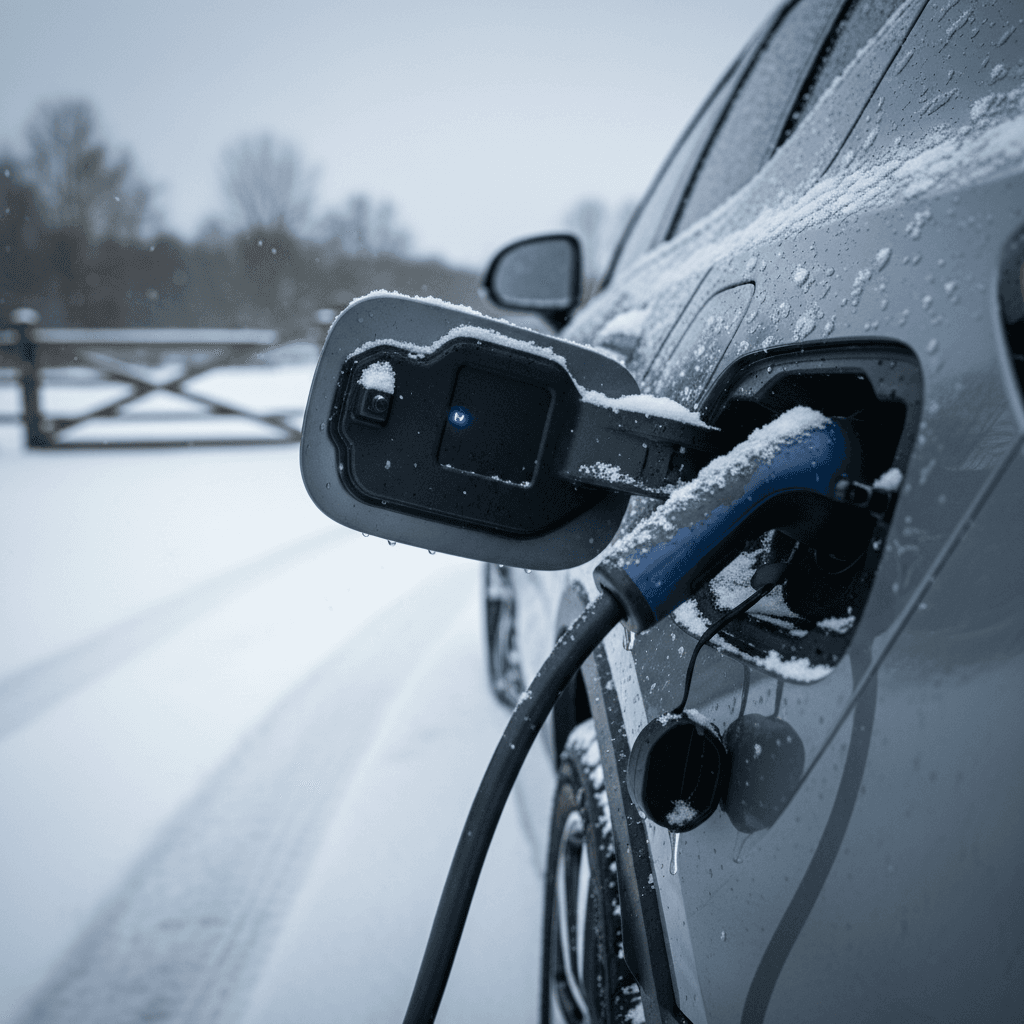
C40 Recharge features that help in cold weather
Volvo didn’t design the C40 Recharge as a fair‑weather toy. It comes with several features specifically meant to keep winter range loss under control and make cold‑climate ownership easier.
Cold‑weather tech baked into the C40 Recharge
Use these tools and settings to stretch your winter range.
App-based preconditioning
Using the Volvo Cars app, you can preheat the cabin and warm the battery while the car is still plugged in. That means much less energy drawn from the battery once you hit the road.
Efficient climate control
Eco or reduced climate modes temper how aggressively the car heats the cabin, while heated seats and steering wheel keep you comfortable using far less energy than blasting hot air.
Winter driving modes & traction aids
On AWD models, drive modes and electronic traction control help the car pull away smoothly on snow and ice, avoiding wheelspin that can waste energy and hurt confidence.
Energy graph & range prediction
The C40’s trip computer and energy use screens help you see the impact of speed, temperature, and climate settings so you can adjust in real time.
Small settings, big impact
10 ways to cut winter range loss in your C40
You can’t defeat physics, but you can work with them. These practical steps can easily be worth 10–30% more usable range in winter, especially if you stack several together.
Winter range optimization checklist for Volvo C40 owners
1. Always precondition while plugged in
Use the Volvo Cars app or in‑car settings to warm the cabin and battery before you depart. This shifts the biggest heating load off the battery and gives you a more accurate range estimate.
2. Rely on seat and wheel heaters
Heated surfaces warm you directly and use much less energy than raising the entire cabin temperature. You’ll be comfortable at a slightly cooler cabin setting.
3. Avoid repeated short, cold starts
If possible, chain errands into one longer outing instead of several tiny trips from a cold soak. That way, the battery and cabin stay warm and efficient.
4. Moderate your speed on the highway
Aerodynamic drag climbs quickly above 65 mph, and cold air is denser. Dropping from 75 to 65 mph can make a surprising difference in winter range.
5. Use Eco or reduced climate modes
These modes tone down climate output and gently guide your right foot. They’re especially helpful for new EV drivers still learning how speed and heat affect range.
6. Check tire pressures regularly
Cold air drops tire pressure, which increases rolling resistance and can trim range. Set pressures to the door‑jamb spec when tires are cold, then recheck when temperatures swing.
7. Shed unnecessary weight and drag
Roof boxes, ski racks, and heavy cargo all eat into range. Remove what you don’t need and consider a more aero‑friendly box if you regularly drive long winter highway stretches.
8. Top off at home when you can
Because winter range is more variable, it’s smart to start the day with a healthy state of charge. Even a couple of extra hours on a Level 2 charger overnight adds meaningful buffer.
9. Learn your local fast chargers
For longer winter trips, know which DC fast chargers are reliable along your route. That way, extra headwinds or a blizzard are an inconvenience, not a crisis.
10. Keep software up to date
Volvo periodically updates thermal management and range prediction. Make sure your C40 Recharge has the latest software so you’re benefiting from efficiency tweaks.
Good news for winter drivers
Winter range loss vs. long‑term battery health
A lot of owners, and especially used‑EV shoppers, worry that big winter drops in estimated range mean the battery is permanently damaged. Most of the time, that’s not the case.
Temporary winter effects
- Colder battery = lower available energy. Once the pack warms up, much of that efficiency comes back.
- Aggressive heater use simply consumes more energy in real time, turn it down, and your projected range improves.
- State-of-charge estimate swings are common when the pack temperature changes quickly.
Signs of real degradation
- Noticeably reduced range year‑round, even in mild weather.
- Big differences vs. similar C40s of the same model year and mileage.
- Diagnostic tools or professional tests showing reduced usable capacity.
If you’re evaluating a used C40 Recharge, this is where an objective battery‑health report is worth its weight in gold.
Don’t guess on battery health
Shopping for a used Volvo C40 Recharge in a cold climate
If you’re eyeing a used C40 Recharge in places like Minnesota, Colorado, or upstate New York, winter range isn’t an abstract concern, it’s part of your daily life. The good news is that with the right information, you can buy confidently and avoid surprises after the first cold snap.
Key questions to ask when buying a used C40 Recharge
These points matter more if the car has lived through several winters.
Where and how was it driven?
Ask which climate the car has lived in and whether it was typically garaged or street‑parked. Constant outdoor storage in sub‑zero temps can slightly accelerate wear versus a garaged lifestyle.
What’s the charging pattern?
Daily DC fast charging isn’t a dealbreaker, but a history of balanced Level 2 home charging with only occasional fast charging is ideal for long‑term battery health.
Any range or battery complaints?
Look for documentation of software updates, warranty repairs, or customer concerns about range. A well‑maintained C40 with up‑to‑date software is the safer bet.
How Recharged helps here
Because Recharged specializes in used EVs, including models like the C40 Recharge, you also get expert guidance on cold‑weather range expectations, home charging setup, and whether a particular car’s history looks compatible with your climate and driving pattern. Nationwide delivery and digital paperwork mean you don’t have to live near a big coastal EV market to find a well‑vetted car.
FAQ: Volvo C40 Recharge winter range loss
Common questions about C40 Recharge winter range
Bottom line: Is the Volvo C40 Recharge a good winter EV?
If you’re worried about Volvo C40 Recharge winter range loss, the reality is more reassuring than the headlines. In most real‑world scenarios, you’ll see a 15–30% reduction from the EPA number when the temperature drops, which is right in line with other modern EVs. With preconditioning, sensible climate settings, and realistic trip planning, the C40 is entirely at home in snowbelt states.
Where things get tricky is when you’re stretching any EV to the edge of its rated range or buying used without clear insight into battery health. That’s where objective diagnostics and expert guidance matter. Whether you’re comparing a C40 Recharge to other compact crossovers or evaluating a specific used example, working with an EV‑focused retailer like Recharged, with its Recharged Score battery report, financing support, trade‑in options, and nationwide delivery, can turn winter range from a source of anxiety into just another part of living comfortably with an electric car.