If you own a Volvo C40 Recharge or you’re shopping for a used one, battery life is the whole ballgame. Range, resale value, and peace of mind all come down to how that big lithium‑ion pack has been treated. The good news: with a few smart habits, you can maximize battery life in your C40 Recharge without turning every drive into a science project.
Good news for C40 owners
Why battery care matters on the C40 Recharge
The C40 Recharge uses a large high‑voltage lithium‑ion battery. Like every modern EV, it slowly loses usable capacity over time. Volvo backs that pack with a long high‑voltage battery warranty, but warranty coverage is your safety net, not your primary plan. Thoughtful day‑to‑day use can keep degradation modest, protect your real‑world range, and help preserve value when it’s time to sell or trade.
C40 Recharge battery: key facts for longevity
Volvo has also built in safeguards, thermal management, conservative buffers, and app‑based charge limits, to make battery care easier. Your job is to work with those systems instead of against them.
Volvo’s own guidance on C40 battery health
Volvo’s official support material for the C40 Recharge comes back to a few simple themes: favor AC charging for everyday use, avoid parking for long stretches at 0% or 100%, and keep the car updated on software. They also give specific recommendations for long‑term parking, typically suggesting a mid‑pack state of charge, roughly 40–60%, if the car will sit for more than a month.
- Use AC (Level 2) charging as your default for daily charging.
- Reserve DC fast charging for trips and occasional top‑ups, not daily commuting.
- Avoid letting the car sit near 0% or at 100% for days at a time.
- Target a mid‑range state of charge for long‑term storage (around 40–60%).
- Keep the car’s software current so you benefit from Volvo’s latest battery management refinements.
Check your in‑car recommendations
Dialing in daily charging habits
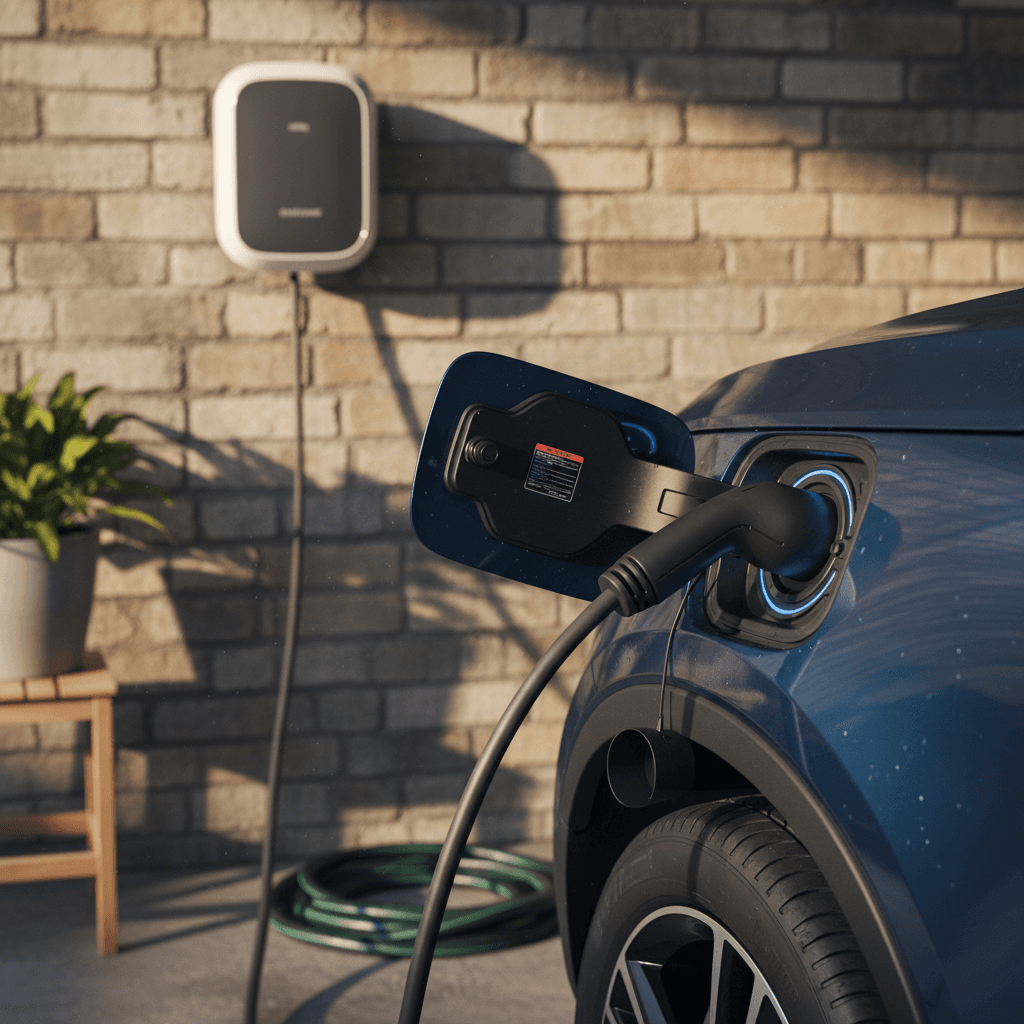
Your everyday charging routine has more impact on long‑term battery life than the occasional road trip blast. The goal is simple: keep the pack mostly in the middle of its charge range, and let the car sit fully charged or nearly empty as little as possible.
Daily C40 charging: three realistic setups
Pick the pattern that best matches your life, then fine‑tune it for your battery
Home Level 2 hero
Best for: Garage or driveway parking with a 240V charger.
- Set a charge limit around 80–90% for daily use.
- Use departure timers so charging finishes near the time you leave.
- Overnight charging at 11 kW easily covers most commutes.
120V or shared power
Best for: Renters or street parkers using 120V or shared Level 2.
- Top up more often instead of giant swings from 10–100%.
- Even 3–5 miles of range per hour adds up overnight.
- Try to keep battery roughly in the 30–80% window.
Public charger commuter
Best for: No home charging, relying on public AC stations.
- Plan 1–3 AC sessions per week instead of daily DC fast charging.
- Use the Volvo app or in‑car settings to cap charge at ~80–90%.
- Park and walk; let the car charge slowly while you’re at work or shopping.
Don’t obsess over perfection
As a rule of thumb, think in ranges, not exact numbers. If your C40 is usually living between roughly 20–90%, with most charging done on Level 2, you’re already doing better than a large slice of EV owners.
How to use DC fast charging without killing the battery
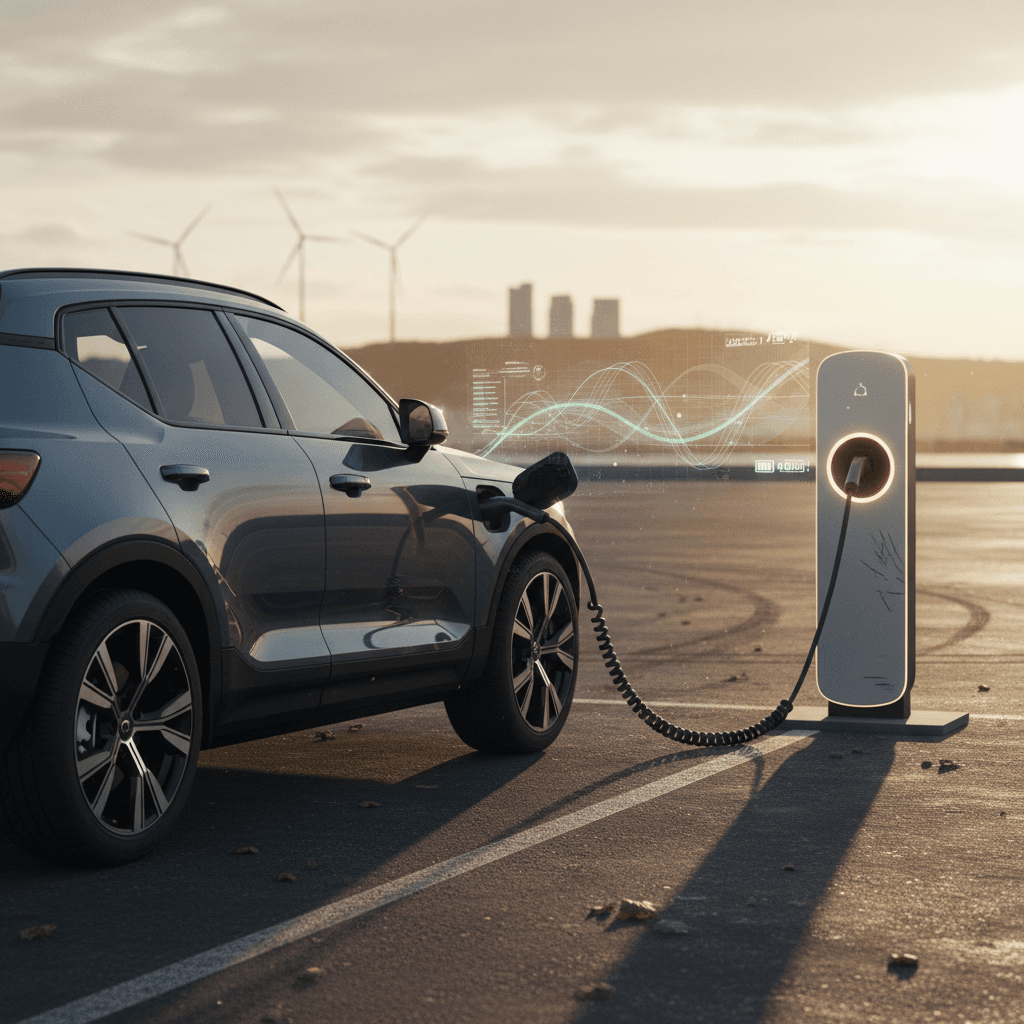
The C40 Recharge can pull serious power from a DC fast charger, especially on newer model years. That’s fantastic for road trips, but high‑power DC charging is also the most stressful scenario for any lithium‑ion battery. The goal isn’t to avoid it, it’s to use it strategically.
Road‑trip fast charging playbook
1. Start your session in the middle
Rolling into a fast charger with 10–40% state of charge lets the car charge quickest while cells are in their comfort zone. Repeatedly fast‑charging from near‑empty to 100% is much harder on the pack than topping up in the middle.
2. Target 70–80% on DC
The C40’s charge curve tapers off at higher states of charge. Stopping your DC session around 70–80% cuts time at max stress and usually gets you back on the road faster overall.
3. Use battery preconditioning when available
If your C40 supports battery preconditioning, set the fast charger as your destination in Google Maps 20–30 minutes before arrival. Warming or cooling the pack into its ideal zone reduces stress and improves charge speed.
4. Let AC finish the job
If you need a full battery for the next morning, use DC fast charging to get home comfortably, then top off the last few percent on a Level 2 charger overnight.
5. Watch temperature on hot days
In extreme heat, back off repeated 150–200 kW blasts. A furious string of fast‑charge sessions on a scorching day is rough on any battery, Volvo’s included.
6. Treat DC as your exception, not your fuel pump
Using a DC fast charger a few times a month for trips is fine. Using it like a daily gas station is where you’ll start to pay in long‑term battery wear.
The worst‑case scenario for battery life
Smart settings for storage and long parking
Life happens. Maybe you’re flying out for a month, or the C40 becomes the spare car in a multi‑vehicle household. Long‑term parking is one of the few situations where a little planning makes a big difference to battery health.
How to set up your C40 Recharge for downtime
Match your settings to how long the car will sit and what the weather looks like.
| Parking duration | Ideal charge target | What to do before you leave | Extra tips |
|---|---|---|---|
| Overnight to a long weekend | 50–80% | Set your usual charge limit and let the car sit. No special prep required. | Okay to leave plugged in; the car will sip power for thermal management if needed. |
| 1–4 weeks | 40–70% | Adjust charge limit down slightly and unplug once it reaches target. | Avoid parking at 0% or 100%. If you’re in extreme heat, seek shade or covered parking. |
| More than a month | 40–60% | Charge to mid‑pack, then unplug and disable any energy‑hungry features like frequent cabin preconditioning. | If temps are extremely cold, try not to leave the car completely unplugged at very low state of charge. |
You don’t need a lab coat, just a plan for charge level and climate when your C40 isn’t moving for a while.
Extreme cold footnote
Driving habits that protect battery life and range
Charging gets all the attention, but your driving style matters too. Every harsh acceleration, heavy brake application, and long high‑speed blast is a small stressor. The C40’s pack is designed for that, but thousands of those cycles add up over years.
Three C40 driving tweaks that quietly help your battery
They also happen to make the car more relaxing to drive.
Ease into the power
The twin‑motor C40 is genuinely quick. Use that torque as a reserve, not a reflex.
- Smooth launches reduce current spikes from the pack.
- Use one‑pedal or strong regen in traffic instead of late heavy braking.
- You’ll see better efficiency and less tire wear, too.
Moderate highway speeds
Above about 65–70 mph, drag piles on. That hurts range and makes the battery work harder.
- Set cruise control a few mph lower than usual.
- Plan charging stops around efficiency, not just top speed.
Use eco/efficient modes
When conditions allow, use drive modes that soften throttle response and optimize climate use.
- Less spiky current draw from the pack.
- Cabin heating/cooling tuned to sip energy instead of guzzle it.
Most C40 Recharge owners reporting gentle degradation over the first 25,000–40,000 miles have one thing in common: they drive them like cars, not like dragsters, and they don’t live on fast chargers.
Heat, cold and climate: what your C40’s battery likes
Your C40 Recharge has a sophisticated thermal management system that heats and cools the pack, but physics still wins. Heat accelerates chemical aging; deep cold temporarily limits power and slows charging. Your job is to give the car reasonable conditions when you can, and let its software handle the rest.
In hot weather
- Whenever possible, park in shade or a garage rather than baking in direct sun.
- If you can, leave the car plugged in above about 30°C (mid‑80s °F) so it can manage pack temperature without draining itself.
- Pre‑cool the cabin and battery while plugged in using the Volvo Cars app or in‑car climate timers.
- Avoid stacking repeated max‑power DC fast‑charge sessions on a 100°F day if you don’t absolutely need them.
In cold weather
- Pre‑heat the cabin and battery while plugged in before you drive; that saves range and reduces stress when you ask for power.
- Don’t panic if range drops, cold temporarily reduces usable capacity, but it returns in warmer weather.
- Try not to leave the car unplugged for long periods at very low state of charge during deep freezes.
- Use seat and steering‑wheel heaters instead of cranking cabin heat; they’re more energy‑efficient.
Let the car do the hard work
Software updates and battery management
Modern Volvos are as much software as hardware. Over‑the‑air and dealer‑installed updates can tweak charging behavior, refine thermal management, and even adjust how the car estimates range. Skipping software updates is like skipping oil changes on an old‑school wagon, it may not break the car today, but it’s not doing your battery any favors.
- Accept over‑the‑air updates promptly when your schedule allows.
- If your car is older and hasn’t seen a dealer in a while, ask them to check for battery‑related technical bulletins or software campaigns.
- Review your charging preferences after major updates; defaults sometimes change.
- If charging speeds suddenly feel slower with no obvious reason, a dealer can check for battery or software issues rather than leaving you to guess.
Why this matters for warranty claims
How to check battery health on a used C40 Recharge
If you’re shopping for a used Volvo C40 Recharge, you’re really shopping for a specific car’s battery history. Two identical‑looking C40s can have very different stories depending on charging habits, climate, and mileage. The trick is separating healthy packs from the ones that have seen harder lives.
Used C40 battery health checklist
1. Don’t judge by one range number
A single low range estimate on the dash isn’t proof of degradation. It may just reflect recent high‑speed or cold‑weather driving. Look at range at a known state of charge and ask how the car has mostly been used.
2. Ask directly about charging habits
How often did they use DC fast charging? Was home charging on Level 2 the norm, or did they live on highway chargers? Frequent 0–100% DC sessions are a yellow flag.
3. Take a mixed‑route test drive
Drive highway and city, then look at energy use (mi/kWh or kWh/100 mi). Wildly poor efficiency versus other C40s can hint at abnormal drag, alignment issues, or occasionally a stressed pack.
4. Look for software and service history
A stack of ignored software campaigns or skipped services isn’t ideal. Regular Volvo visits mean more chances for the car to receive battery‑related updates and checks.
5. Get an independent battery health report
When possible, use a marketplace or dealer that can provide a <strong>battery health report</strong>, not just a Carfax. At <strong>Recharged</strong>, every C40 Recharge listing includes a <strong>Recharged Score Report</strong> with verified battery health, so you’re not guessing about pack condition.
6. Compare price to battery confidence
A cheap C40 with an unknown battery story may not be a deal. A fairly priced car with documented gentle use, clean charging habits, and a strong health report is usually the smarter buy.
Leverage specialists when you can
Volvo C40 Recharge battery life FAQ
Frequently asked questions about C40 Recharge battery life
Bottom line: simple habits, long battery life
Maximizing battery life in your Volvo C40 Recharge doesn’t require a chemistry degree. It comes down to a handful of repeatable habits: charge mostly on Level 2, keep everyday use in the middle of the pack, treat DC fast charging as an occasional tool instead of a lifestyle, and give the car reasonable conditions when it’s very hot or very cold. Combine that with up‑to‑date software and a little common sense, and you’re stacking the deck in favor of a long, useful battery life.
If you’re hunting for a used C40, those same rules apply, only now you’re judging someone else’s habits. That’s where tools like a Recharged Score Report and EV‑savvy support team earn their keep, putting hard numbers and expert context behind the battery that makes a C40 Recharge worth owning in the first place.