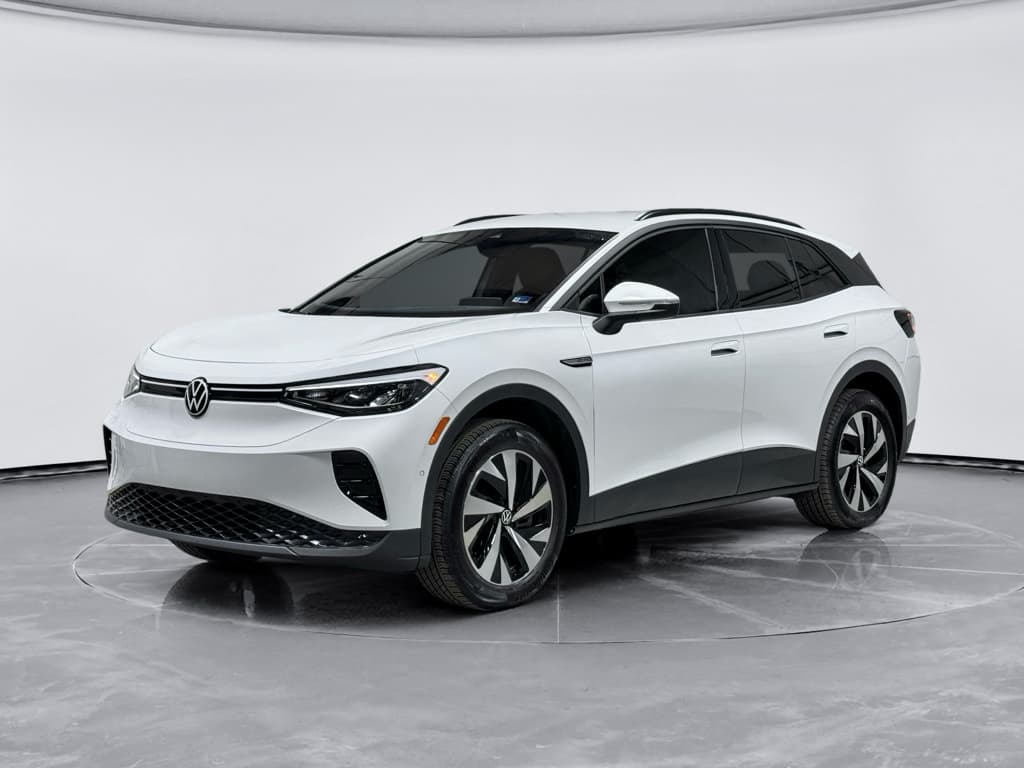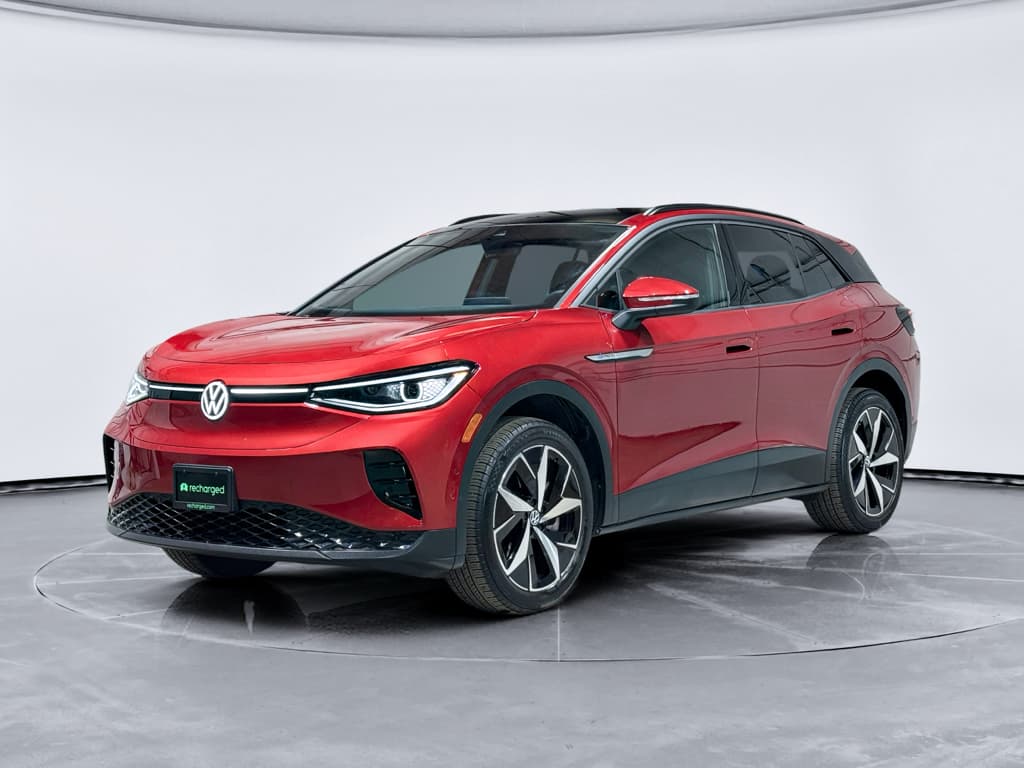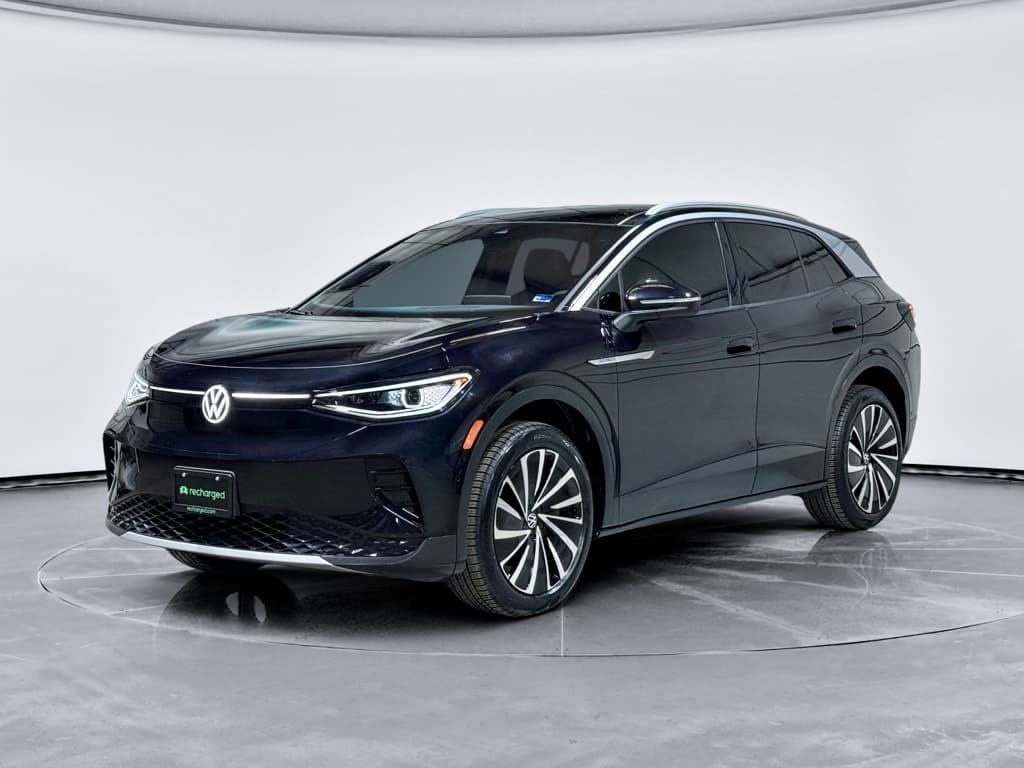
If you’re considering a Volkswagen ID.4, you’re probably not just asking, “What’s the price?” You want to know the true cost of ownership over 5 years, payments, charging, maintenance, insurance, and what the SUV will be worth when you’re ready to move on. That’s exactly what we’ll unpack here, with realistic numbers and practical tips, especially if you’re open to buying a used ID.4.
What “true cost of ownership” really means
Volkswagen ID.4 basics and key cost assumptions
Before we run numbers, it helps to ground things in a typical Volkswagen ID.4 ownership scenario. The ID.4 is a compact electric SUV with battery sizes around the mid‑60s to mid‑70s kWh, EPA range typically in the 240–290‑mile neighborhood depending on trim and wheel size, and DC fast‑charging capability that makes road trips feasible. Costs can vary widely depending on where you live and how you drive, but we can build a solid “typical owner” picture.
- Annual mileage: 12,000 miles (U.S. average commuter with some weekend driving)
- Ownership period: 5 years
- Electricity price: $0.15 per kWh at home, with occasional public DC fast charging
- Gas comparison vehicle: similar compact SUV getting 28 mpg on regular fuel at $3.50 per gallon
- Financing: 60‑month loan, modest down payment, average credit
- Location: typical U.S. state with average insurance and registration costs (your local numbers may be higher or lower).
Your local numbers will differ
5‑year cost breakdown for a Volkswagen ID.4
Volkswagen ID.4: 5‑year cost snapshot (typical owner)
To make this more concrete, let’s look at a simplified 5‑year cost picture for a new Volkswagen ID.4 and then for a comparable used one. These are directional averages, not quotations, but they’ll help you understand where the money really goes.
Illustrative 5‑year cost breakdown: new vs used Volkswagen ID.4
Approximate 5‑year ownership costs for a typical driver in the U.S. Numbers are rounded and will vary with your local conditions and how you buy or finance.
| Category | New ID.4 (5 years) | Used ID.4 (3‑year‑old, then 5 years) |
|---|---|---|
| Depreciation | $18,000–$22,000 | $9,000–$13,000 |
| Financing interest | $3,000–$4,000 | $2,000–$3,000 |
| Electricity/charging | $3,500–$4,500 | $3,500–$4,500 |
| Insurance | $6,000–$7,500 | $5,000–$6,500 |
| Maintenance & repairs | $2,000–$3,000 | $3,000–$4,000 |
| Taxes & fees | $3,000–$4,000 | $1,500–$2,500 |
| Estimated 5‑year total | ≈ $45,500–$52,000 | ≈ $33,000–$38,500 |
Financial estimate only. Always run your own numbers with current prices and incentives.
Why used often wins on total cost
Charging costs: what you’ll really spend vs gas
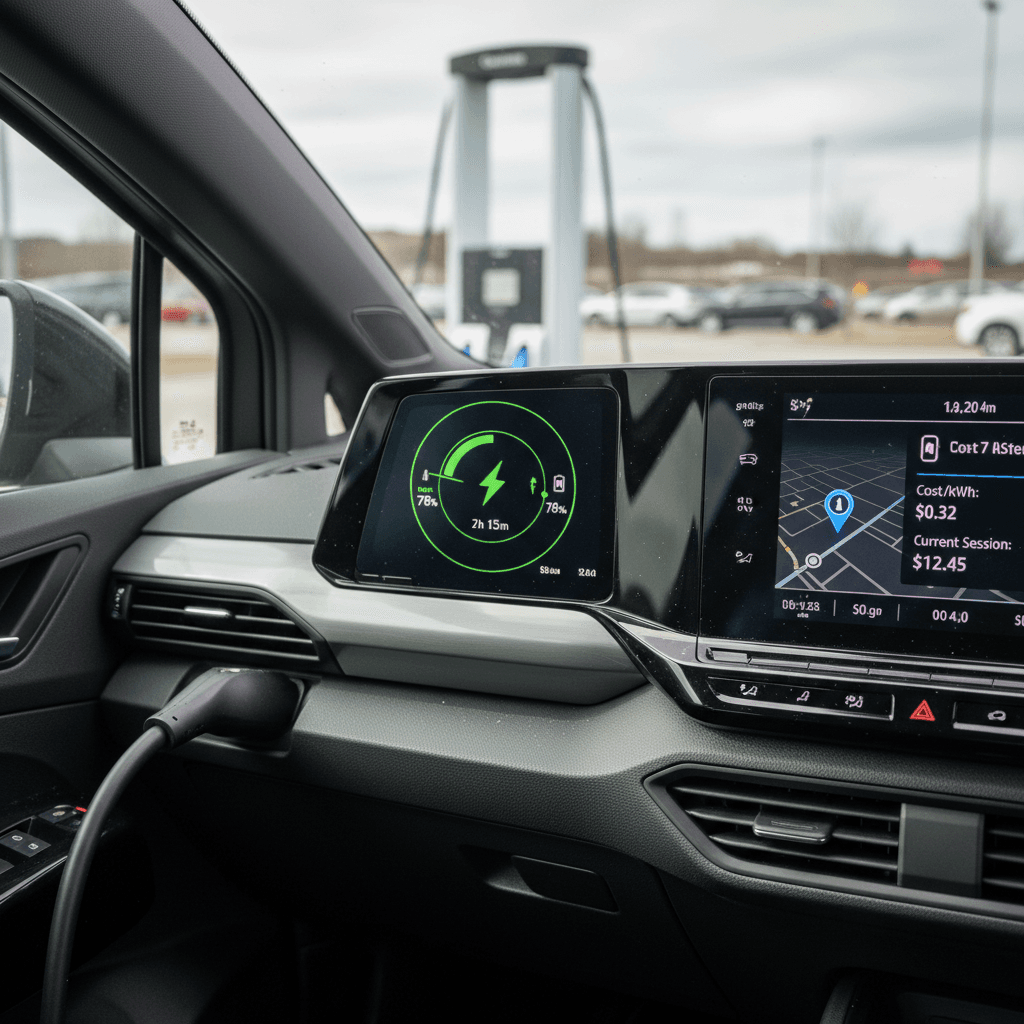
Charging is where the Volkswagen ID.4 quietly makes up ground every month. For most owners who primarily charge at home, electricity costs are dramatically lower than gasoline. The key variables are your local kilowatt‑hour rate and how often you rely on DC fast charging.
Home charging: the workhorse
Assume your ID.4 averages 3.0 miles per kWh. Driving 12,000 miles a year, you’ll use about 4,000 kWh annually. At $0.15/kWh, that’s roughly $600 per year, or $3,000 over 5 years if rates stay similar.
Even if your electricity is pricier, say $0.20/kWh, you’re still looking at around $800 per year, or $4,000 over 5 years.
Public fast charging: convenient, but pricier
If you road‑trip often and rely heavily on DC fast charging, your average kWh price can rise into the $0.35–$0.50 range, especially at peak times. Many owners mix in public charging but keep it under 20–30% of their total energy use.
Plan on adding $100–$300 per year if you fast charge regularly, and build that into your 5‑year forecast.
How the ID.4 compares to gas
Insurance, taxes, and fees for an ID.4
Drivers often focus on fuel savings and forget that insurance and taxes are major pieces of the 5‑year cost puzzle. The Volkswagen ID.4 sits in a similar insurance band to other compact crossovers, but local EV surcharges and purchase taxes can tilt the equation.
What to expect beyond your payment and charging
Three cost buckets you shouldn’t ignore when you pencil out ID.4 ownership.
Insurance
Many ID.4 owners see slightly higher premiums than an equivalent gas crossover, largely due to higher repair costs and the relatively new tech. For an average driver with clean history, think roughly $1,200–$1,500 per year, varying widely by ZIP code.
Sales tax & registration
Up‑front state and local taxes, title, and registration can add several thousand dollars on a new ID.4. On a used ID.4 at a lower purchase price, that bite shrinks meaningfully.
EV fees & incentives
Some states tack on extra EV registration fees to offset lost gas-tax revenue, but others offer rebates or HOV lane access. These can nudge your 5‑year picture up or down, so check your state’s EV policies before you buy.
How Recharged can help on insurance and fees
Maintenance, repairs, and battery health
One of the big promises of EVs like the Volkswagen ID.4 is lower maintenance. There’s no oil to change, no exhaust system, no timing belt, and regenerative braking can extend brake pad life. But repairs, when they happen, can be more expensive, and battery health is central to long‑term value.
- Routine maintenance: Cabin air filters, tire rotations, brake fluid, and occasional alignment still add up. Many ID.4 owners see $300–$500 per year in routine service and wear items.
- Tires: EVs are heavy and torquey. Expect to replace tires a bit more often, especially if you opt for big wheels. Budget $800–$1,200 for a full set during your 5‑year window.
- Repairs and warranty: Early build years of any new model can see more software updates and occasional hardware fixes. The good news: the high‑voltage battery and major EV components are typically covered by a long warranty window.
- Battery health: Modern ID.4 packs tend to hold up well, but capacity loss over time, especially with lots of DC fast‑charging, can trim usable range. That’s where knowing the battery’s actual condition matters, especially on a used purchase.
Why battery health matters more than odometer miles
Depreciation and resale value after 5 years
Depreciation is the silent heavyweight in any 5‑year cost calculation. For the Volkswagen ID.4, as with most new EVs, that first three years is where the bulk of the value drop happens, especially as new trims, longer‑range versions, and fresh incentives enter the market.
Illustrative Volkswagen ID.4 depreciation over time
A simplified look at how a new ID.4’s value might decline over a 7‑year span in typical market conditions.
| Vehicle age | Estimated value vs original MSRP | Notes |
|---|---|---|
| Year 1 | ≈ 75%–80% | Early drop from new price as incentives and discounts hit |
| Year 3 | ≈ 60%–65% | The steepest depreciation typically behind you |
| Year 5 | ≈ 45%–55% | Well‑kept ID.4 still commands solid value, especially with strong battery health |
| Year 7 | ≈ 35%–45% | Battery health, range, and software support become critical to resale |
For illustration only. Actual values depend on market, mileage, condition, and incentives.
Why incentives can distort depreciation
New vs used Volkswagen ID.4: who wins over 5 years?
Whether a new or used Volkswagen ID.4 offers the better 5‑year value depends on your priorities: warranty coverage and latest tech versus lower up‑front cost and gentler depreciation. From a strictly financial angle, a late‑model used ID.4 usually has the edge.
Case for buying new
- Full warranty coverage from day one, which helps contain repair surprises in those first 5 years.
- Access to the latest software, driver‑assist tech, and range improvements.
- Ability to spec your ideal trim, color, and options.
- Potential eligibility for federal and state incentives, depending on how you purchase.
If you keep the ID.4 for a long time (7–10 years), those early years of depreciation spread out and the new‑car premium can make more sense.
Case for buying used
- Let the first owner absorb the steepest 3‑year depreciation curve.
- Lower purchase price means smaller loan, less interest, and lower taxes and fees.
- You can cherry‑pick good examples with documented service and strong battery health.
- When you buy a used ID.4 through Recharged, you get a Recharged Score with verified battery diagnostics and fair‑market pricing, taking a lot of the guesswork out.
For many cost‑conscious buyers planning a 5‑year hold, a well‑vetted used ID.4 offers the best blend of modern tech and manageable total cost.
7 ways to lower your Volkswagen ID.4 ownership costs
Practical moves to trim your 5‑year ID.4 costs
1. Prioritize home charging
The single biggest lever on energy cost is charging at home on a reasonably priced residential rate plan. If your utility offers time‑of‑use pricing, schedule charging for off‑peak hours to get your cost per mile as low as possible.
2. Keep DC fast charging occasional
Use DC fast charging for trips and true convenience, not as your daily habit. Slower AC charging is easier on both your wallet and your battery’s long‑term health.
3. Shop insurance aggressively
Quote your Volkswagen ID.4 with multiple insurers before you buy, and ask how usage‑based or low‑mileage programs might lower your premium if you don’t drive far.
4. Choose wheels and tires wisely
Big, aggressive tires can hurt both efficiency and tread life. A more modest wheel/tire setup can improve range and reduce how often you’re buying new rubber.
5. Stay on top of software updates
Over‑the‑air updates often improve efficiency, add features, or refine driver‑assist systems. Keeping your ID.4 current can help range, safety, and future resale.
6. Consider a lightly used ID.4 with verified battery health
A 2‑ to 3‑year‑old ID.4 that’s passed a <strong>Recharged Score battery health diagnostic</strong> can deliver most of the new‑car experience at a much lower 5‑year cost.
7. Think about how long you’ll keep it
If you know you’ll move on in 3–4 years, lean toward purchasing used or ensuring you bought right on a new one. If you’ll hang onto it 8–10 years, buying new can still pencil out nicely.
Where Recharged fits into your 5‑year plan
Ready to find your next EV?
Browse VehiclesFAQ: Volkswagen ID.4 true cost of ownership
Common questions about 5‑year Volkswagen ID.4 ownership costs
Bottom line: is a Volkswagen ID.4 a good 5‑year bet?
Viewed over a 5‑year span, the Volkswagen ID.4’s true cost of ownership is shaped less by what’s on the Monroney sticker and more by how you charge, how far you drive, and whether you let someone else eat the early depreciation. For many drivers, a well‑bought ID.4, especially a late‑model used one with documented battery health, delivers fuel savings, simpler maintenance, and a driving experience that feels more modern than the gas crossover it replaces.
If you like the idea of an electric SUV but want a clear picture of your 5‑year costs before you commit, start with the framework here, then look at EV charging basics and browse used Volkswagen ID.4 listings on Recharged. With transparent Recharged Score reports, EV‑savvy support, and financing and trade‑in help, you can choose an ID.4 that fits both your life and your long‑term budget.