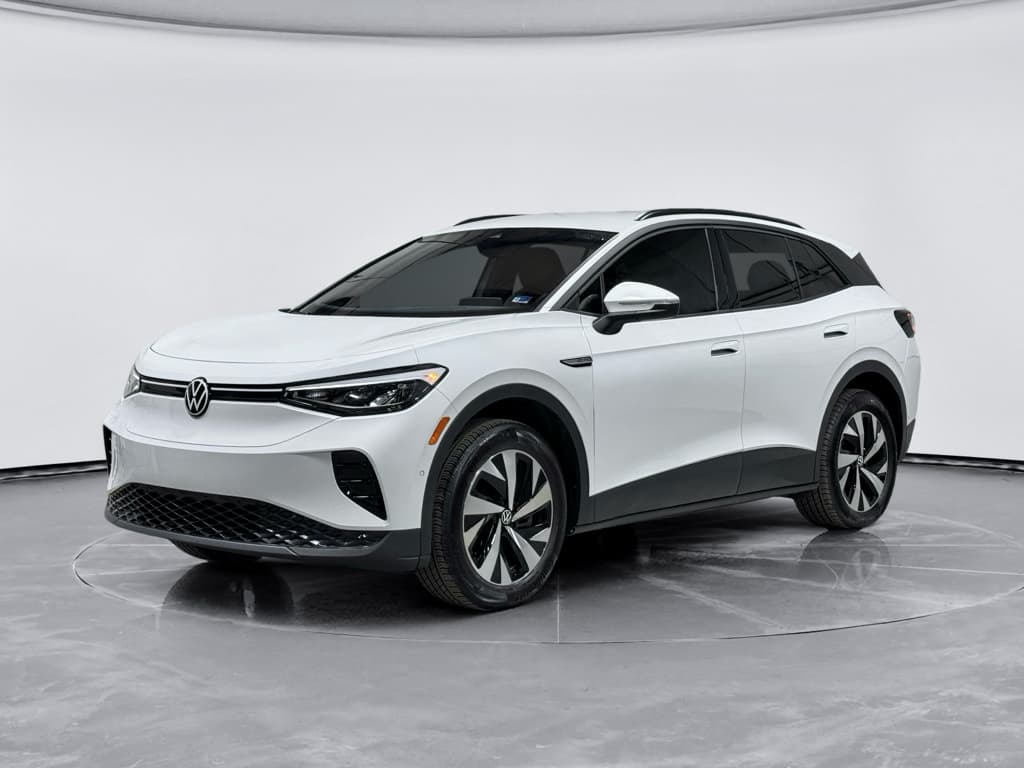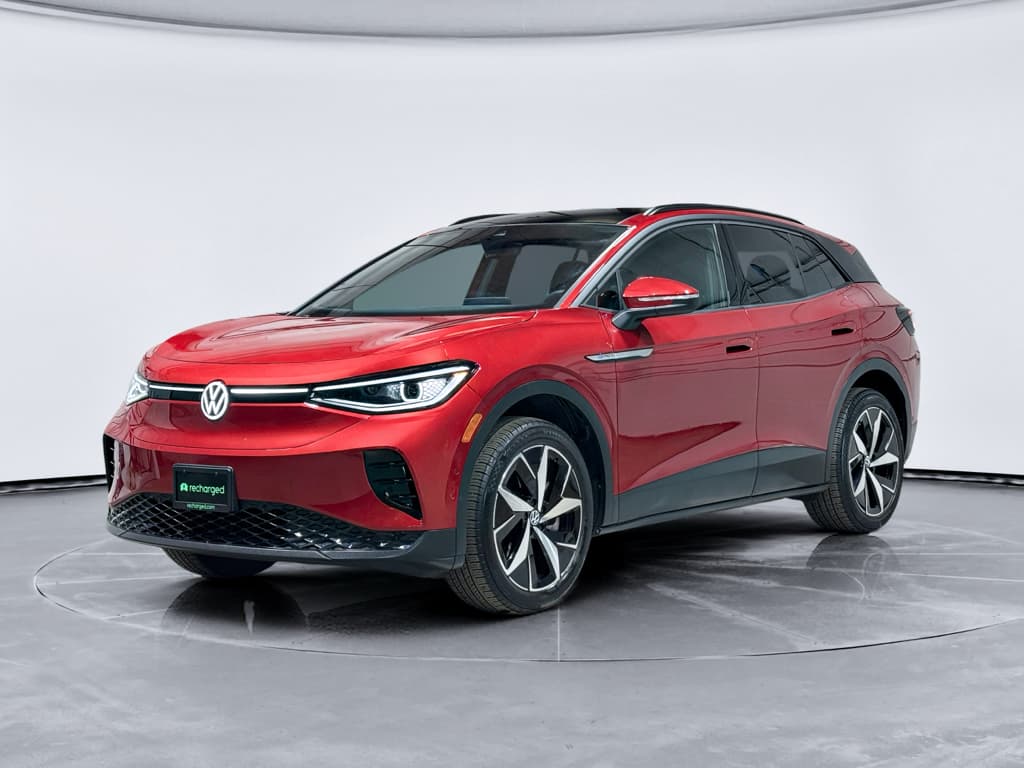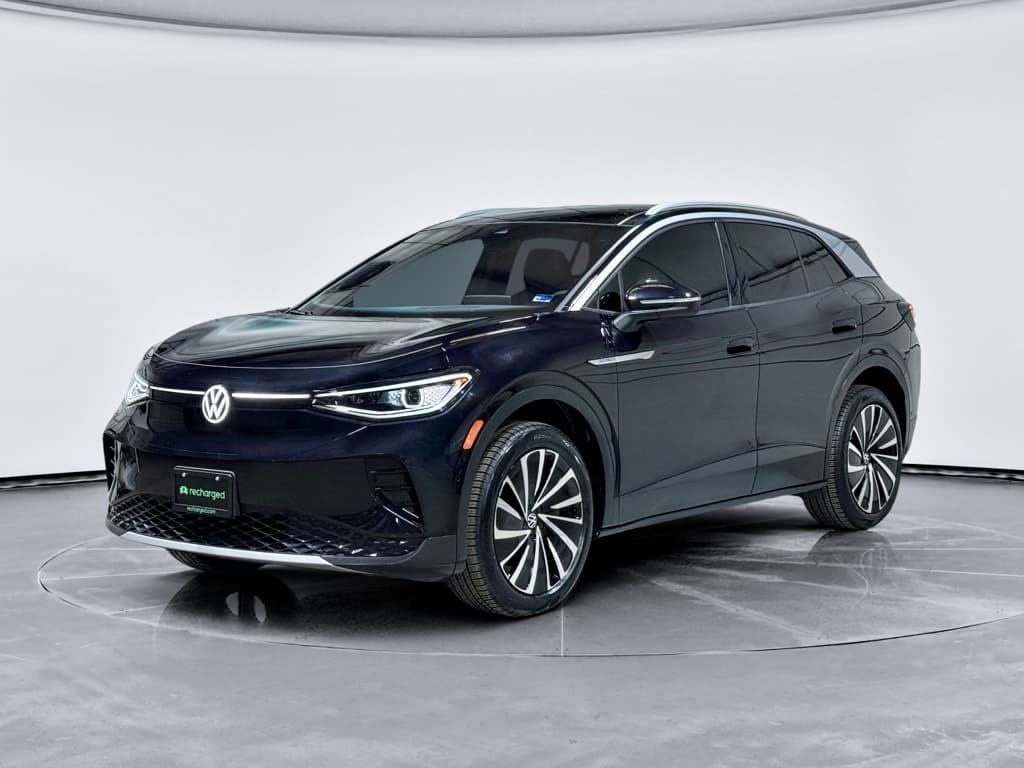
If you’re cross‑shopping electric SUVs, you’ll eventually ask a very practical question: how much does Volkswagen ID.4 service cost over a normal ownership cycle? The good news is that routine ID.4 maintenance is generally simpler and cheaper than a comparable gas SUV, but Volkswagen’s service schedule isn’t as sparse as some other EVs, so it pays to know what you’re signing up for.
Big picture
Volkswagen ID.4 service cost: the short answer
ID.4 maintenance cost at a glance (typical U.S. owner)
- Early visits (years 1–2) are often free if your ID.4 qualifies for Volkswagen’s Carefree Maintenance program, which typically covers the first two scheduled services.
- Once you’re paying out of pocket, most owners report routine services in the $180–$300 range at a dealer, with more involved visits (like brake fluid changes) occasionally running higher.
- Spread over time, many ID.4 drivers end up around $250–$400 per year in maintenance during the first several years, assuming you follow Volkswagen’s schedule and stick with the dealer.
These are typical, not guaranteed prices
Volkswagen ID.4 maintenance schedule in the U.S.
Volkswagen’s printed maintenance schedules for the ID.4 vary slightly by model year and market, but in the U.S. they generally revolve around a 20,000‑mile or 2‑year cadence for core service items, with some checks recommended more often based on time or mileage.
Typical Volkswagen ID.4 maintenance rhythm (U.S.)
This summarizes common U.S. Volkswagen dealer schedules for ID.4 models. Always confirm the exact schedule in your owner’s manual for your model year.
| Odometer / Time | What VW usually calls it | Key items |
|---|---|---|
| 10,000 miles / 1 year | Inspection (checkup) | Basic inspection, tire rotation where required, software checks; sometimes bundled with 20k if low miles. |
| 20,000 miles / 2 years | Scheduled maintenance | More thorough inspection, cabin (pollen) filter, brake inspection, fluids inspection, software/recall updates. |
| 40,000 miles / 4 years | Major scheduled service | All 20k items + brake fluid change and additional checks. Often the priciest routine visit early on. |
| 60,000 miles / 6 years | Scheduled maintenance | Similar to 20k service (inspection, cabin filter, checks). |
| Every 2 years regardless of miles | Brake fluid service | Moisture‑sensitive fluid is replaced on time, not just mileage, on many VW schedules. |
| As needed | Tires, wipers, alignment, 12V battery | Wear‑and‑tear items outside the official schedule but very real in your budget. |
ID.4 maintenance intervals are more like a modern gas car than a "no‑service" EV, but there’s still no oil changes or spark plugs to worry about.
Carefree Maintenance & prepaid plans
Typical Volkswagen ID.4 service prices by visit
Because VW dealers set their own pricing, there is no single "official" ID.4 service cost. But from dealer menus and owner reports, we can outline reasonable ballparks for out‑of‑pocket costs once you’re past any free coverage.
What you’re likely to pay for common ID.4 services
Actual prices vary by dealer, region, and how aggressively the service advisor upsells.
Basic inspection or 10k‑mile visit
Typical range: about $120–$200 at a U.S. VW dealer once free maintenance ends.
- Vehicle health check and road test
- Tire rotation (where recommended)
- Software diagnostics and updates
Some owners report paying little or nothing when this is combined with covered 20k service.
20k / 60k scheduled maintenance
Typical range: about $180–$300.
- All inspection items
- Cabin (pollen) filter replacement
- Brake system and steering checks
This is the ID.4’s core routine service visit; many U.S. owners land in the low‑to‑mid $200s.
Brake fluid & 40k / 80k services
Typical range: about $250–$450, sometimes more at high‑cost dealers.
- Brake fluid flush (time‑based)
- More detailed suspension, steering and underbody checks
- Software and recall campaigns
Because of the fluid change and extra labor, this tends to be the priciest "routine" service in the early years.
Wear items & "surprises"
Highly variable: $600–$1,200+ over several years, depending on tires and alignment.
- New tires every ~25k–40k miles, depending on driving style
- Wiper blades, cabin filters in between official services
- 12V battery replacement later in life
These are not unique to ID.4, but they are big parts of your real‑world maintenance budget.
Call two dealers before you book

How ID.4 maintenance compares with a gas SUV
Even if a particular ID.4 service visit looks pricey, it helps to compare the full picture. Modern gas crossovers still need oil changes, spark plugs, transmission service, exhaust work, and more frequent brake jobs. National data from 2024–2025 puts EVs’ maintenance and repair costs roughly 30–50% lower than comparable gas vehicles over the life of the car.
Typical gas compact SUV
- Oil and filter changes 2–3 times per year.
- More frequent brake pad and rotor replacements.
- Periodic transmission fluid and coolant flushes.
- More moving parts, more potential repairs.
Over 5 years, national studies routinely show gas SUVs consuming thousands of dollars more in routine maintenance and repairs than similar EVs.
Volkswagen ID.4
- No engine, no oil, no spark plugs, no tailpipe.
- Fewer fluid services and no timing belts.
- Regenerative braking helps pads and rotors last longer.
- Most visits are inspections and software updates.
You’ll still pay for tires, brake fluid, and dealer labor, but most ID.4 owners spend hundreds less per year on maintenance versus a similar gas SUV.
Think in cost‑per‑mile, not just per visit
What dealers actually do at each ID.4 service
Service invoices can be confusing, especially when a quick inspection costs a couple hundred dollars. Here’s what’s typically on the work order at each type of ID.4 visit so you can understand what you’re paying for, and push back on extras you don’t need.
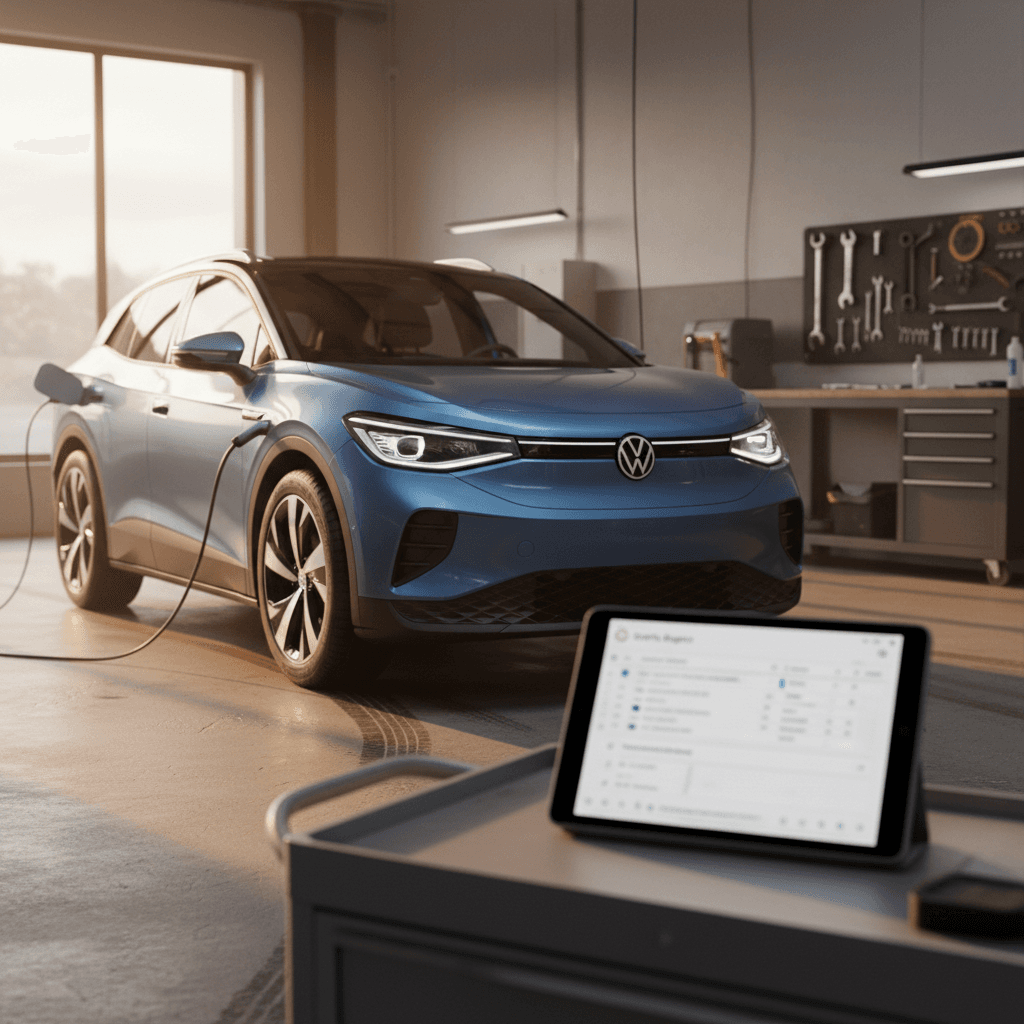
Inside a typical Volkswagen ID.4 service visit
1. Electronic diagnostics & software checks
The technician connects factory diagnostic tools to check for fault codes, control‑unit updates, and open recalls. On a modern EV like the ID.4, this can be one of the most important steps.
2. Brakes and tires
Even with regenerative braking, the shop should inspect pad thickness, rotor condition, tire wear, and pressures. Many dealers include a tire rotation; some charge separately.
3. Suspension, steering, and underbody
Especially at 20k, 40k and higher, technicians inspect bushings, ball joints, steering components, and the high‑voltage underbody panels for damage or corrosion.
4. Fluids and filters
Beyond brake fluid changes at longer intervals, techs inspect coolant for the battery and power electronics, top up washer fluid, and replace the cabin (pollen) filter when scheduled.
5. High‑voltage safety checks
They visually inspect orange high‑voltage cabling, connectors and shielding, make sure warning labels are intact, and verify there are no leaks or damage near the battery or drive units.
6. Road test and documentation
Finally, the technician drives the car to check for noises, vibrations or software quirks, then documents all checks for warranty and service records, a plus when you go to sell or trade in.
Be cautious about "flush" packages
Smart ways to lower your ID.4 service bill
You can’t change Volkswagen’s recommended schedule, but you do have levers you can pull to keep real‑world maintenance costs in check without cutting corners on safety or warranty coverage.
Four practical strategies to keep ID.4 maintenance affordable
None of these involve skipping critical safety checks.
Confirm what’s required vs. optional
Before every visit, open your owner’s manual or VW’s online schedule and highlight the items actually required for your mileage and model year.
If the estimate includes extra line items, ask the advisor which are required, which are "VW recommended," and which are pure dealer upsell.
Compare dealer and independent EV shops
Volkswagen doesn’t require you to use their dealers for routine maintenance to keep warranty coverage, as long as the work follows the schedule and is documented.
In some markets, reputable independent EV shops can handle inspections, brakes, and cabin filters for less than dealer labor rates.
Use Carefree Maintenance and prepaid plans wisely
If your ID.4 has free Carefree Maintenance or a prepaid plan, note the expiration date and mileage cap. Those benefits often start from the original in‑service date, not when you bought the car.
Don’t leave a covered 20k or 40k service unused because you missed the window.
Protect tires and alignment
Tires are one of the biggest line items for any EV. Keep them properly inflated, rotate them on schedule, and address any pull or vibration early.
Catching an alignment issue at 10k miles is far cheaper than replacing a cupped tire at 25k.
Think ahead to resale value
What ID.4 service costs mean if you’re buying used
If you’re shopping a used ID.4, the service schedule isn’t just a cost question, it’s a negotiation tool. A 3‑year‑old ID.4 with spotty records may need a big catch‑up visit on your dime, while one that just had its 40k service is stepping into a relatively quiet period.
Questions to ask the seller or dealer
- Has the car had its 20k and/or 40k services? Can I see the invoices?
- Was any warranty work or recalls done at the same time?
- Have brakes, tires, and the 12V battery been replaced yet?
- Is any Carefree Maintenance or prepaid plan still active, and does it transfer?
How Recharged helps simplify this
Every EV on Recharged comes with a Recharged Score Report, which includes verified battery health diagnostics, fair‑market pricing, and a clear view of maintenance history where available.
Our EV specialists can walk you through where a particular ID.4 sits in its service schedule and what you should budget over the next few years.
Budgeting rule of thumb for a used ID.4
Volkswagen ID.4 service cost FAQs
Frequently asked questions about Volkswagen ID.4 service costs
Bottom line: what to budget for ID.4 service
When you zoom out, the Volkswagen ID.4’s maintenance story is straightforward: no oil changes, fewer wear items, and generally lower lifetime costs than a comparable gas SUV, but a service schedule that’s a bit more traditional than some rival EVs. In everyday terms, most owners who follow the book and use a dealer can expect to spend roughly $250–$400 per year on routine service after any free coverage runs out, plus the usual tires and incidentals.
If you’re shopping for an ID.4, especially a used one, treat the service history the same way you’d treat the battery report. Make sure key 20k/40k services have been done, ask what’s coming next, and factor that into your offer. And if you’d like help running the numbers, Recharged can pair you with EV‑savvy specialists, transparent pricing, and a Recharged Score battery health report so you understand both the up‑front price and the long‑term ownership costs before you buy.