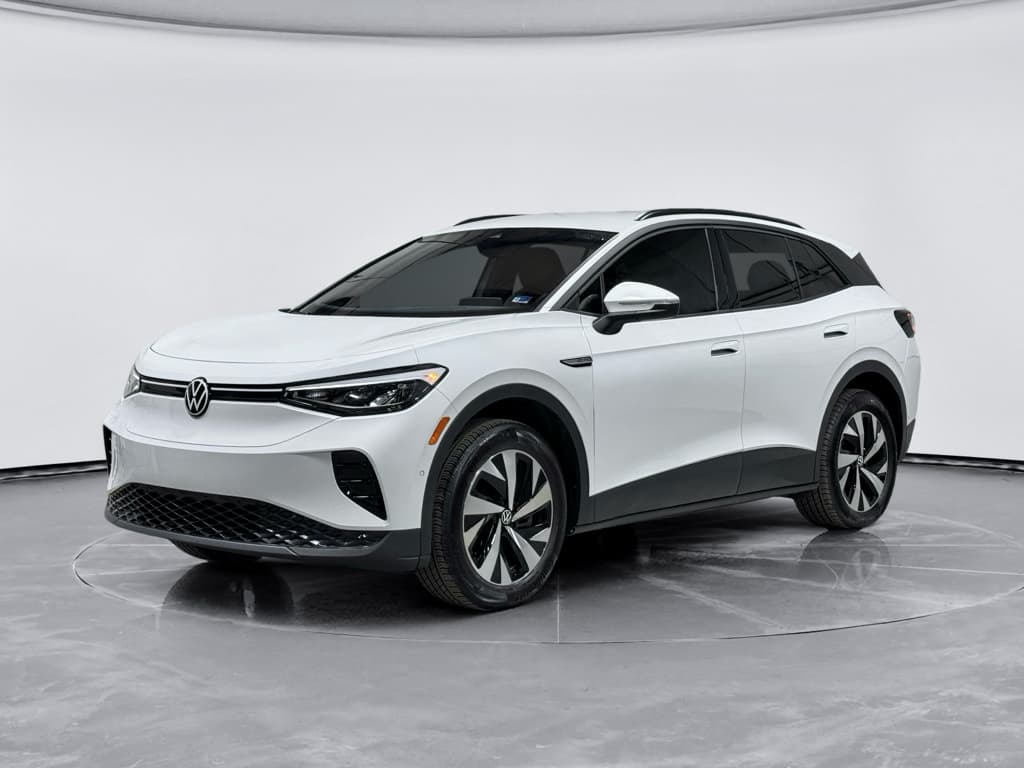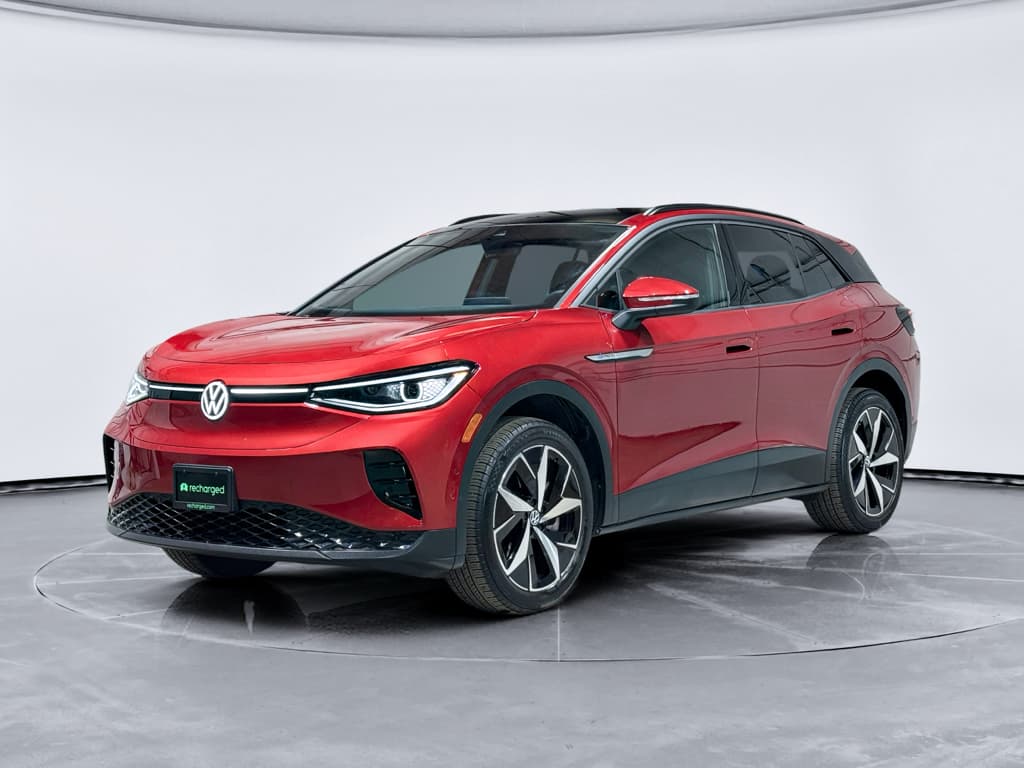
If you’re searching for a Volkswagen ID.4 long term review 2026, you’re not just EV-curious anymore, you’re wondering whether this compact electric SUV will actually hold up as a daily driver and, increasingly, as a used buy. After several model years on U.S. roads, the ID.4 has traded its shiny-new halo for something more revealing: a real reputation.
Snapshot: the ID.4 in 2026
Why a Volkswagen ID.4 long-term review matters in 2026
When the ID.4 landed, Volkswagen pitched it as the people’s EV: friendly styling, a comfortable ride, and a sticker price that undercut a Tesla Model Y. In 2026, the conversation has shifted. You want to know: Is it reliable? How’s the battery? What’s it worth used? And, bluntly, is this the smart alternative to a Model Y or Hyundai Ioniq 5, or a problem child wearing a VW badge?
Volkswagen ID.4 by the numbers in 2026 (big picture)
Those numbers tell you two competing stories: decent long-term running costs and value, plus below-average reliability reputation, especially around software and charging. Long-term ID.4 ownership is a bit like living in a very nice apartment with quirky plumbing: most days are great, but the day the water stops, you remember the landlord by name.
What the ID.4 still does well after years of ownership
Long-term strengths of the Volkswagen ID.4
The reasons many owners would still buy one again, warts and all
Calm, comfortable ride
The ID.4 is tuned like a German family car, not a drag-strip toy. Over years of commuting, that matters more than 0–60 times. Owners consistently praise its quiet cabin and relaxed highway manners.
Genuinely useful space
Unlike some swoopy EV crossovers, the ID.4’s shape is practical. There’s generous rear legroom, a flat floor, and a big, square cargo area. Long-term, it just works as a kid-hauler, Costco shuttle, or Uber for your dog.
Solid crash safety & features
Standard driver-assistance features (IQ.Drive) and strong crash-test performance make the ID.4 feel reassuring. In day-to-day life, that matters more than another ten kilowatts of power.
Live with an ID.4 for a few years and its character comes into focus: unflashy but pleasant. It doesn’t have the instant drama of a Tesla Performance model, but if you’re cross‑shopping used CR‑V Hybrids and RAV4s, the ID.4 feels grown-up, quiet, and surprisingly premium at neighborhood speeds.
The part everyone asks about: ID.4 reliability
Here’s the blunt truth: in reliability rankings, the ID.4 has not been the EV teacher’s pet. Consumer Reports’ 2024 reliability data put the ID.4 at the bottom of the pack for EVs, largely due to complaints around charging, electronics, and in some cases battery and drive motor issues. That’s the headline. The subhead is more nuanced.
Patterns we see in long-term ownership
- Early-build 2021–2022 models show the most software drama: screen blackouts, random warnings, glitchy driver-assistance.
- 2023+ U.S.-built models benefit from updated software and hardware, but still see charging and 12V battery gremlins in some cases.
- Many owners report mostly trouble-free experiences; others have repeated dealer visits for modules, inverters, or battery-related recalls.
How serious are the issues?
- Most problems are inconvenient rather than catastrophic: warning lights, infotainment freezes, failed DC fast charge sessions.
- A smaller slice of owners report loss-of-power events or high-voltage battery concerns, sometimes tied to recalls or technical service bulletins.
- Volkswagen has issued multiple software updates and service actions for early cars, which helps, but doesn’t erase the ownership anxiety.
A note on warranty reality
From a long-term perspective, the ID.4 isn’t a disaster, but it isn’t a set‑and‑forget Toyota either. Think of it as an early‑generation German EV: terrific when it works, intermittently exasperating when it doesn’t. The trick in 2026 is to find the right example, not just the right color.
Battery health and real-world range over time
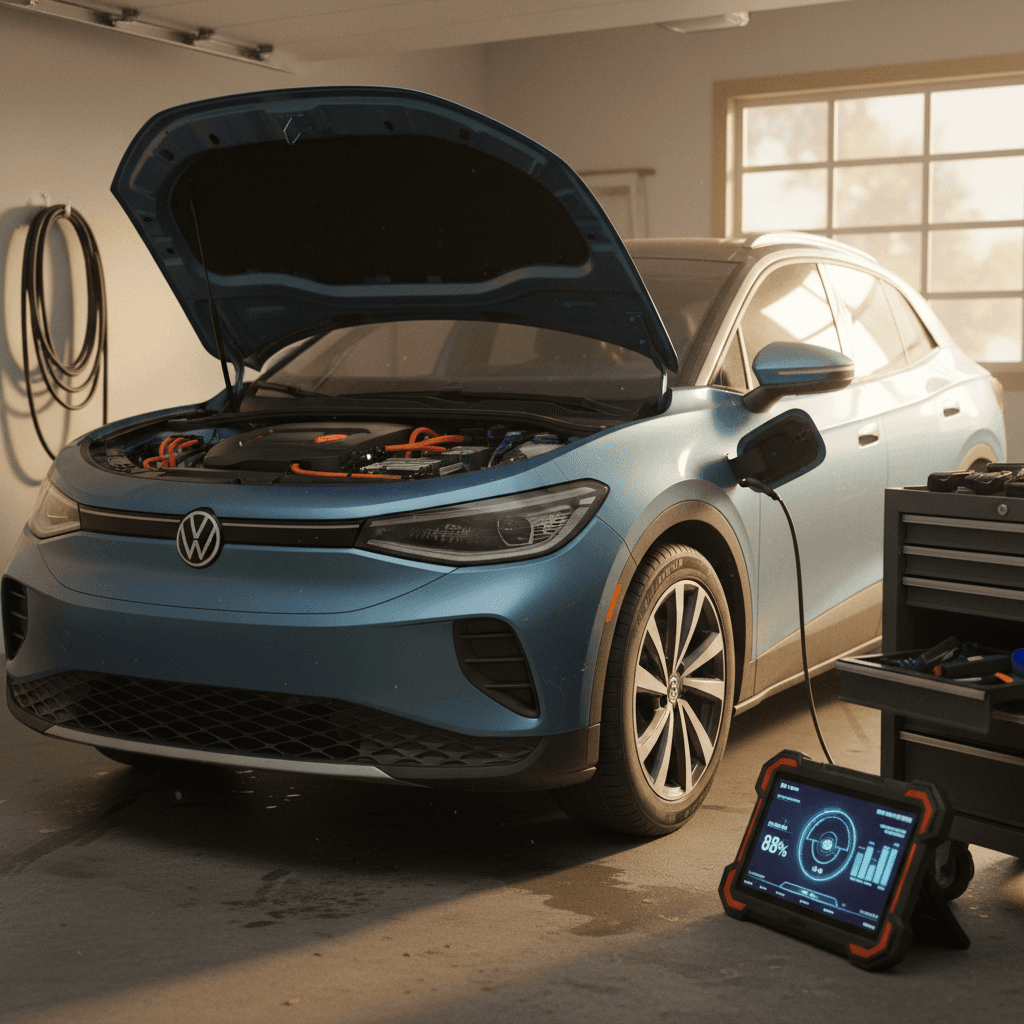
Battery life is the whole ballgame for any long-term EV review. The ID.4’s pack has drawn scrutiny, especially for early cars using LG-sourced cells, but broad owner data suggests a pattern you can plan around rather than fear outright.
Typical long-term battery behavior in the ID.4
What owners and independent testers tend to report by year
Years 1–2: Initial drop
Most ID.4s see an early dip, often 5–8% capacity loss vs. brand‑new. That’s common across EVs as batteries settle. Range might feel 10–20 miles lower than window‑sticker numbers.
Years 3–5: Slower decline
Once past the initial drop, real‑world reports often show a gentler slope. Many owners still see roughly 80–90% of original usable capacity after 4–5 years with normal use and mixed charging.
Outliers: accelerated loss
A minority of owners report unusually rapid degradation or charging faults, sometimes tied to specific cell batches or repeated DC fast charging in hot climates. These are the cases that end up in dealer escalations and, occasionally, battery-module replacements.
How to protect an ID.4 battery long term
From Recharged’s perspective on the used market, the key isn’t guessing from guess‑o‑meters and apps. Every ID.4 we list comes with a Recharged Score battery health report based on diagnostics, not vibes, so you can compare a 2021 Pro S and a 2023 Standard on more than color and Carfax.
Charging life with the ID.4 in the real world
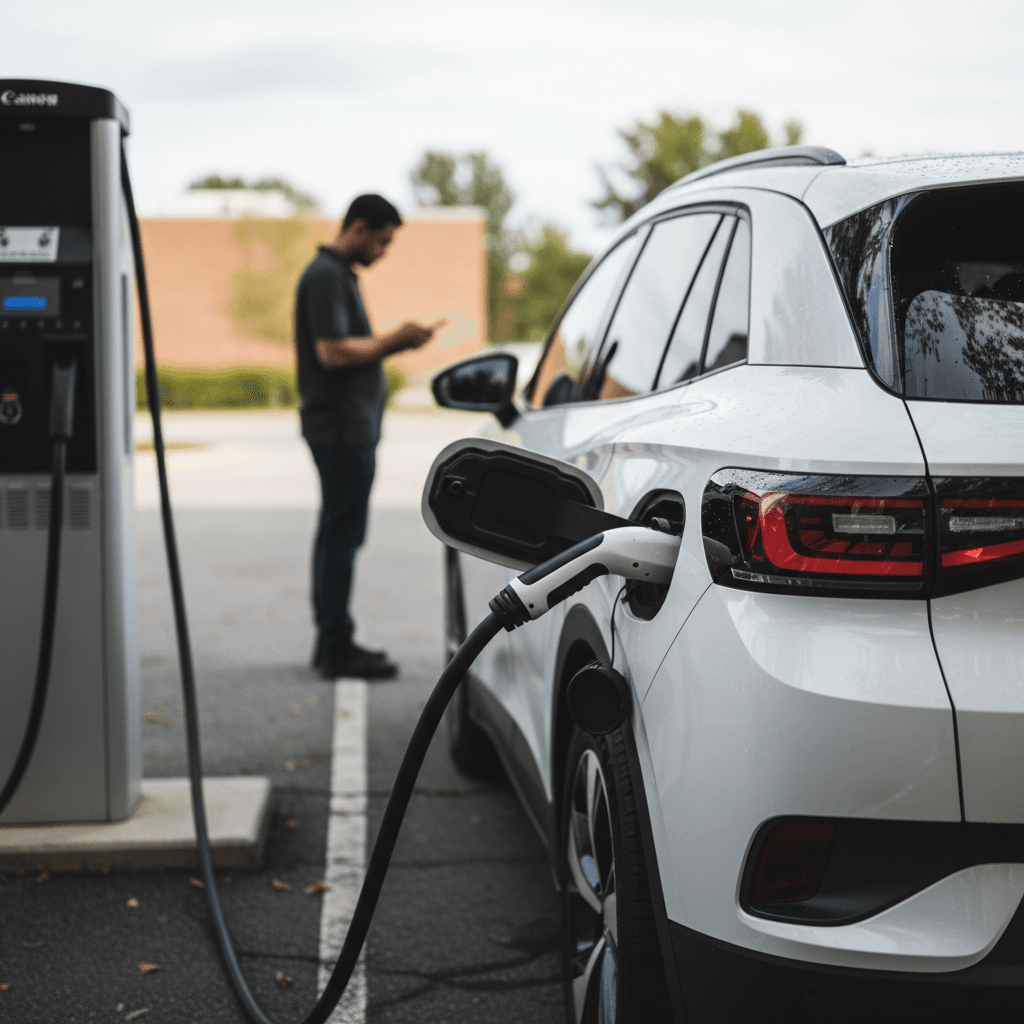
On paper, the ID.4’s charging story is solid: DC fast charging up to around 125–175 kW depending on pack and model year, and competitive AC charging at home. Long-term, owners discover that the quality of the charging network and software handshake matters more than the headline kilowatts.
Long-term charging experience: where the ID.4 shines and stumbles
How charging plays out over years of ownership, especially if you’re doing road trips or relying on public DC fast charging.
| Scenario | Long-term experience | Owner takeaway |
|---|---|---|
| Daily Level 2 home charging | Generally excellent. A 40A–48A Level 2 charger usually refills overnight, even from low state of charge. | If you can charge at home, the ID.4 is an easy keeper. |
| Public DC fast charging (Electrify America, etc.) | Mixed. Many owners enjoy fast, cheap charging; others encounter station outages or sessions that suddenly throttle or fail to start. | Expect some road-trip friction, carry a Plan B charging stop. |
| Cold weather | Like most EVs, winter drains range and slows charging. The ID.4’s thermal management helps, but expect meaningful range loss below freezing. | In northern climates, size your battery and route planning with winter in mind. |
| Software updates over the years | Updates have improved charge curves and stability, but some owners see new bugs arrive with fixes. | Before buying used, confirm the car is on the latest stable software and recall work is done. |
In 2026, charging life with an ID.4 is less about raw speed and more about consistency and software maturity.
Good news if you charge at home
If you’ll be heavily reliant on DC fast charging, say, apartment living with spotty infrastructure, Tesla’s Supercharger access or a Hyundai/Kia with stronger public-network compatibility might age more gracefully. The ID.4 is happiest when home charging is its bread and public charging is its occasional dessert.
Depreciation and used values in 2026
Depreciation is where the ID.4 quietly redeems itself. The same things that scare some first owners, EV uncertainty, reliability headlines, changing incentives, can make the ID.4 a very sharp used buy by years three to five.
Volkswagen ID.4 value story
Depreciation = your opportunity
Recharged’s own VW ID.4 depreciation guide and trade‑in value breakdown both point to the same conclusion: if you’re shopping used, the ID.4 can offer excellent cost‑per‑mile, especially when you pair a fair market price with verified battery health.
Living with the interior, tech, and infotainment
Forget the battery for a moment. The thing you actually touch every day is the interface. Early ID.4s became infamous for capacitive sliders, laggy infotainment, and menu‑buried functions. Volkswagen has quietly improved a lot of this over the years, especially with the 2024–2025 software and screen changes, but long-term impressions still split the room.
The good
- Seat comfort is excellent for the class; many owners praise the driving position and long-trip comfort.
- The cabin design is airy and minimalist, with good outward visibility and plenty of storage for family clutter.
- Later models add larger, faster infotainment screens and more physical controls, addressing early complaints about unlit sliders and buried climate settings.
The not-so-good
- Even with updates, the infotainment system can feel slower and less intuitive than Tesla, Hyundai, or Kia rivals.
- Capacitive steering‑wheel buttons and touch sliders still annoy some owners years into ownership.
- Software glitches, random reboots, slow boot‑ups on cold mornings, remain part of some owners’ long-term stories.
Test the tech like you mean it
Common owner complaints and how to avoid a bad one
- Intermittent loss-of-power warnings or limp‑home events, sometimes tied to software or high-voltage component issues.
- Infotainment freezes, black screens, or frequent reboots, especially on early software versions.
- Charging failures at specific DC stations, handshake starts, then stalls or errors out.
- 12V battery failures that can brick the car until jump‑started or replaced.
- Rattles and squeaks from trim as the car ages, more common on rough‑road commuters.
How to shop around the ID.4’s long-term trouble spots
1. Prioritize later build years or updated software
All else equal, a 2023–2024 ID.4 with proof of current software and completed recalls is a safer long-term bet than a very early 2021 that’s missed updates.
2. Demand full service and recall records
Ask for dealer service printouts showing recall campaigns and software updates. Skipped or partial recall work is a red flag, especially on battery and powertrain items.
3. Get objective battery health data
Don’t rely solely on the dash range estimate. A <strong>Recharged Score battery report</strong> or equivalent diagnostic tells you how much usable capacity the pack still has.
4. Test DC fast charging before you buy
If you plan to road-trip, arrange at least one DC fast charge session during your test period to see how the car and your local network get along.
5. Listen for rattles and drive on mixed roads
A short, smooth-city test drive can hide noise and vibration issues. Include highway and rough pavement to get a better long-term picture.
6. Evaluate the infotainment in real use
Pair your phone, run navigation, and toggle driver-assistance on and off. If the interface drives you nuts in 20 minutes, imagine five years.
Who the Volkswagen ID.4 suits best in 2026
Best long-term fits for a used ID.4
If you see yourself here, the ID.4 may be a strong choice
Suburban home chargers
You have a driveway or garage and can install Level 2 charging. Most of your driving is commuting, errands, and occasional highway trips. The ID.4’s comfort and space shine in this life.
Young families
You need car seats, stroller space, and a calm ride for naps, not Nürburgring lap times. The ID.4’s roomy rear seat and quiet cabin make family duty a strong suit.
Value-focused EV adopters
You like the idea of an EV but are allergic to six‑figure MSRPs. A well‑chosen used ID.4 lets you step into electric life with more equipment and space for the money than many new gas SUVs.
Who should think twice
How to shop a used ID.4 smartly with Recharged
By 2026, the Volkswagen ID.4 has fully entered its second life as a used EV. That’s where Recharged focuses: making EV ownership simple and transparent so you’re not gambling on a battery pack or mystery warning lights.
What you get with a used ID.4 from Recharged
Because "used EV" shouldn’t mean "cross your fingers"
Recharged Score battery diagnostics
Every ID.4 comes with a Recharged Score Report that includes verified battery health and charging performance, so you’re not buying blind on the most expensive component.
Fair market pricing & financing
Recharged benchmarks ID.4 prices against current depreciation data and the broader EV market. You can also finance, trade in, or get an instant offer fully online.
Nationwide delivery & EV specialists
From virtual walk‑throughs to paperwork to nationwide delivery, Recharged’s EV specialists help you understand how an ID.4 fits your life, not just your driveway.
Ready to find your next EV?
Browse VehiclesPrefer to touch before you click? You can explore vehicles in person at the Recharged Experience Center in Richmond, VA, then complete the purchase digitally if you like. Either way, the goal is the same: the right ID.4, with the right battery, at the right price.
Volkswagen ID.4 long-term review 2026: FAQ
Frequently asked questions about long-term Volkswagen ID.4 ownership
Final verdict: Is the ID.4 a good long-term bet?
The 2026 long-term verdict on the Volkswagen ID.4 is complicated in all the right ways. This is not the flawless, drive‑and‑forget appliance some buyers hoped for, nor the unmanageable disaster its harshest critics describe. Instead, it’s a comfortable, efficient, practical EV SUV with above-average value as a used buy and below-average reliability scores that demand you shop carefully.
If you’re willing to do that homework, or let a platform like Recharged do it for you, the ID.4 can be a terrific long-term companion: quiet, roomy, inexpensive to run, and now often very well priced. If you need every road trip to go perfectly and never want to see a warning light, there are safer but pricier bets. For many drivers in 2026, though, a well-chosen used ID.4 may be the sweet spot where EV practicality, comfort, and cost finally intersect.