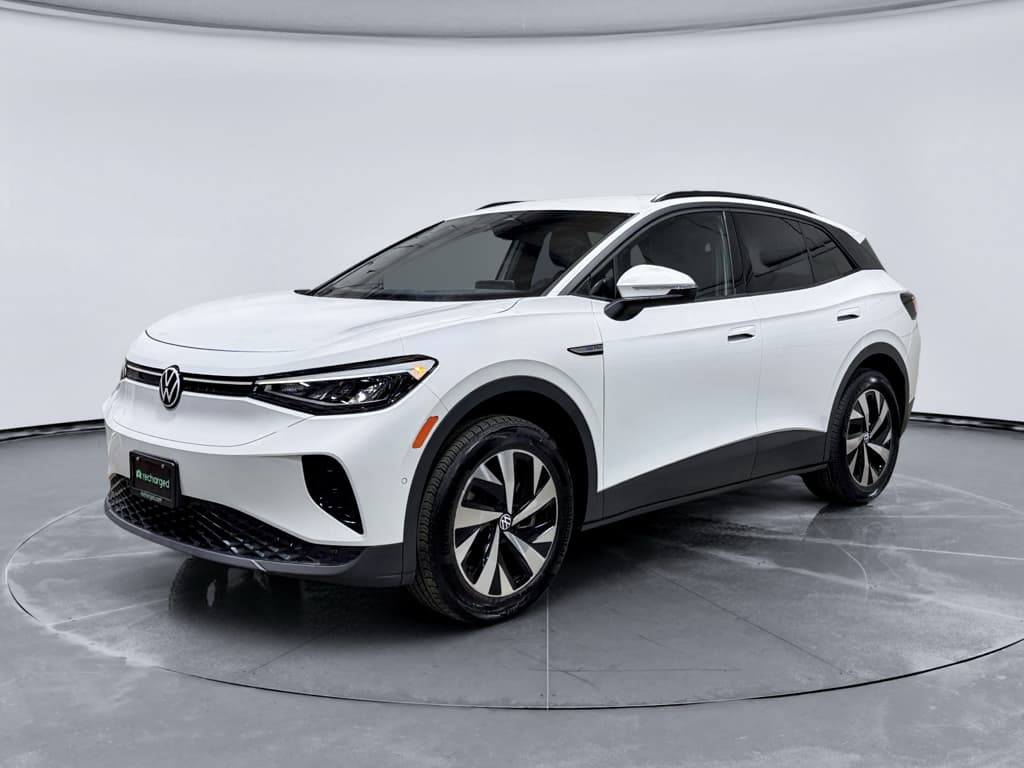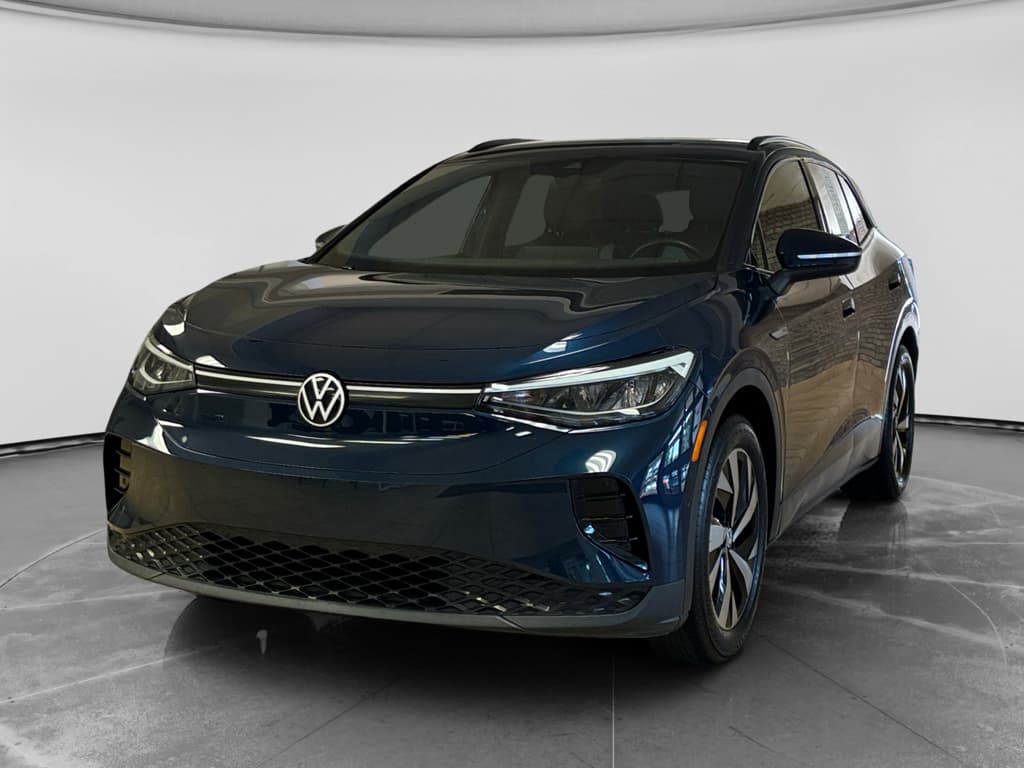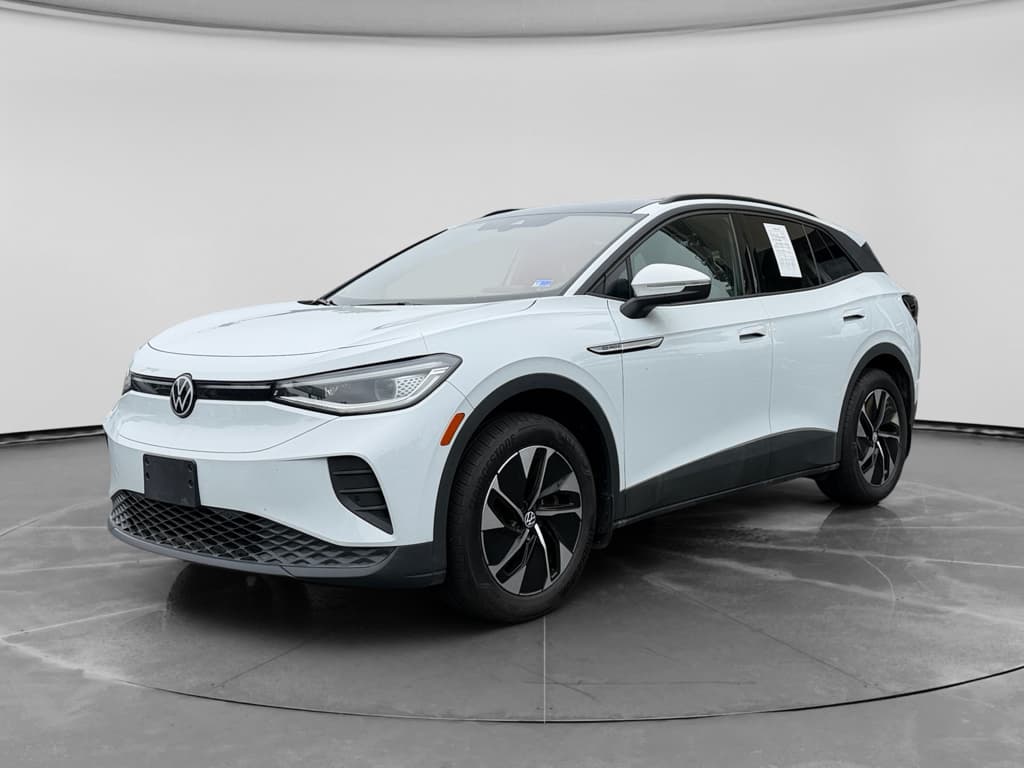
If you’re looking at a used electric SUV, the question of Volkswagen ID.4 long‑term reliability in 2026 is impossible to avoid. Early ID.4s mixed solid fundamentals and strong crash safety with a frustrating run of software bugs, 12‑volt failures and high‑profile recalls. The upside: VW has quietly fixed a lot over the last few years, and the core battery and motor hardware have aged better than the headlines suggest.
What this guide covers
Volkswagen ID.4 reliability in 2026: the short version
VW ID.4 long-term reliability snapshot (2021–2025)
Taken as a whole, the ID.4’s long‑term reliability is mixed but improving by 2026. The early 2021–2022 builds carry the heaviest baggage: door latches that could open unexpectedly, infotainment crashes, and a cluster of high‑voltage battery fire‑risk and software recalls. The 2023 model year was dinged so hard by Consumer Reports that it landed on some "used cars to avoid" lists, largely because of battery, charging and electrical complaints.
By contrast, late‑2023, 2024 and 2025 ID.4s built in Chattanooga benefit from updated software, revised modules and more refined production. Owner reports for these newer models still mention glitches, particularly 12‑volt issues and infotainment quirks, but catastrophic battery or motor failures remain rare. If you shop carefully, a used ID.4 can be a solid value, especially with a strong battery warranty still in force.
Big picture for shoppers
How the Volkswagen ID.4 has aged since launch
2021–2022: Launch pains
- Built primarily in Germany for the U.S. market.
- Multiple recalls for door latches opening while driving and rear‑view camera/screen failures.
- Frequent owner complaints about sluggish, buggy infotainment and warning lights that required dealer visits.
- Some early high‑voltage battery and charging behavior issues addressed by software updates or module replacement.
2023–2025: U.S. production and refinement
- Production shifted to Chattanooga, TN for North America, with running hardware and software changes.
- 2023 models still drew criticism for electrical and charging problems, but later builds improved.
- 2024–2025 updates targeted software stability, charging logic, and driver‑assist behavior.
- Battery chemistry and warranty remained largely unchanged, but recalls narrowed to specific VIN ranges.
Under the skin, the ID.4 uses the same MEB platform and battery tech family as the ID.3. Long‑term testing of the ID.3 in Europe over four years and more than 100,000 miles showed just single‑digit percentage battery capacity loss, suggesting the underlying pack design is robust when supported by healthy software and thermal management.
Common Volkswagen ID.4 problems by model year
When you’re evaluating long‑term reliability, it helps to separate issues by model year. The ID.4’s trouble spots cluster more by build period than by mileage alone.
VW ID.4 common issues by model year (U.S., through 2025)
Highlights of the most frequently reported reliability concerns. Individual vehicles may differ, always run a VIN recall and service history check.
| Model years | Typical mileage window | Key problems reported | Risk level | What fixes look like |
|---|---|---|---|---|
| 2021 | 10k–60k | Door latches opening, rear camera/screen failures, early software bugs, occasional charging faults | High | Door latch replacements, software updates, replacement camera/control modules |
| 2022 | 10k–60k | Similar to 2021 plus more infotainment glitches and occasional high‑voltage/battery‑cooling recalls | High | Multiple software campaigns, module swaps, recall work on battery and electronics |
| Early 2023 | 0–40k | High rate of electrical warnings, charging failures, some packs under fire‑risk recall; 12V battery complaints | High | Software patches, high‑voltage modules or pack segments replaced on affected VINs, 12V battery swaps |
| Late 2023 | 0–40k | Fewer mechanical issues, but some owners still report intermittent charging and infotainment lag | Medium | Updated firmware, revised control units, more one‑off repairs than systemic fixes |
| 2024–2025 | 0–30k | Mostly software/infotainment quirks, sporadic 12V failures, small subset in ongoing battery safety campaigns | Medium–Low | Over‑the‑air and dealer updates, 12V replacement, limited hardware swaps on recalled vehicles |
Use this table as a triage tool, not a verdict. A well‑maintained 2021 ID.4 with all recalls handled can be a safer bet than a neglected 2024.
Why 2023 ID.4s get singled out
ID.4 battery life, degradation and fire-risk recalls
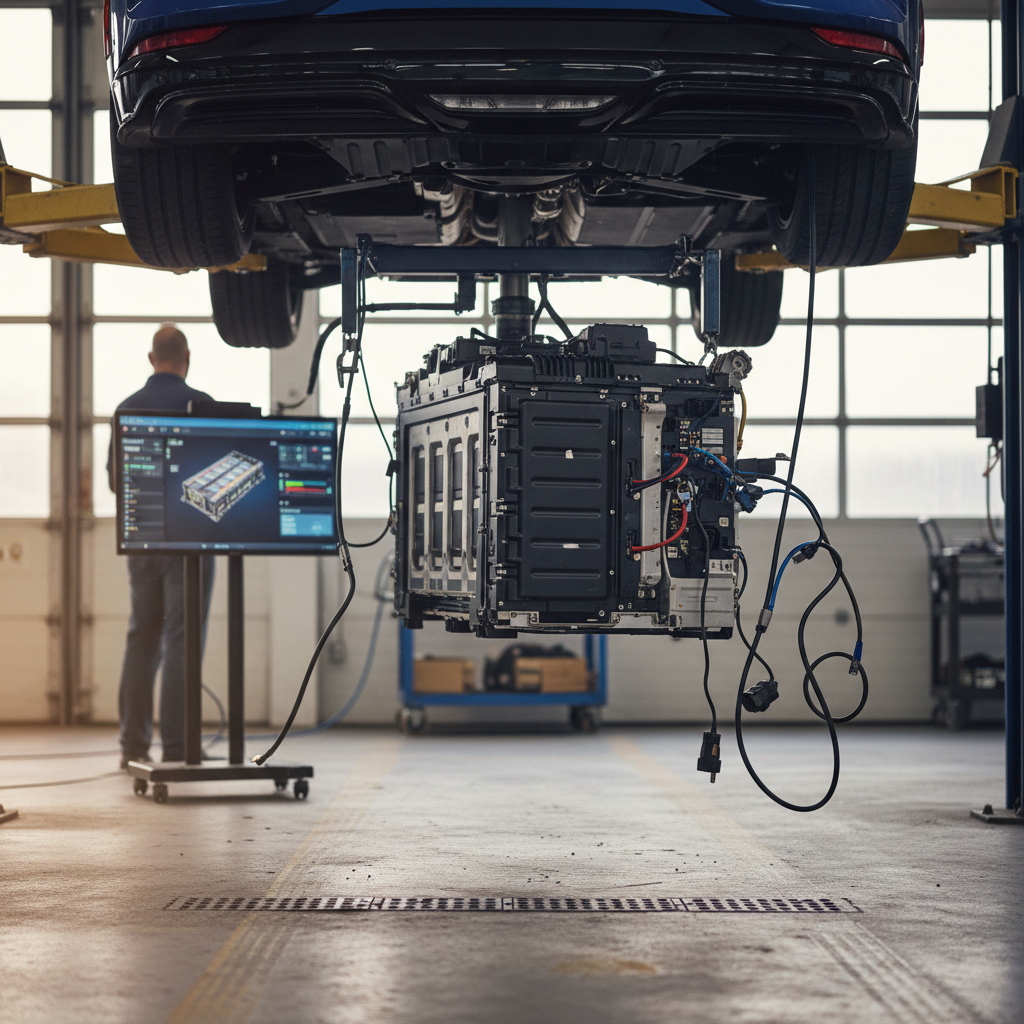
Volkswagen backs the ID.4’s high‑voltage pack with an 8‑year/100,000‑mile battery warranty, promising at least around 70% usable capacity within that window. In practice, early data from VW’s related ID‑family batteries, plus independent testing, points to relatively modest degradation when the pack is managed properly.
- Most U.S. ID.4s use 62–82 kWh gross battery packs with conservative buffers to protect long‑term health.
- Real‑world owners often report only small range loss, on the order of a few percentage points, over the first 3–5 years, assuming mostly AC charging and 80–90% daily charge limits.
- Volkswagen’s own testing of a similar 77 kWh pack in the ID.3 showed roughly 9% capacity loss after about four years and more than 100,000 miles, well inside the warranty threshold.
Battery fire‑risk campaigns
The bottom line on long‑term ID.4 battery reliability is that day‑to‑day degradation looks competitive with other mainstream EVs, but software and manufacturing hiccups have created spikes of risk for certain VIN ranges. That’s exactly where a detailed battery‑health report can help you separate a strong pack from a problem child.
How Recharged helps on battery health
Ready to find your next EV?
Browse VehiclesSoftware, electronics and 12V issues
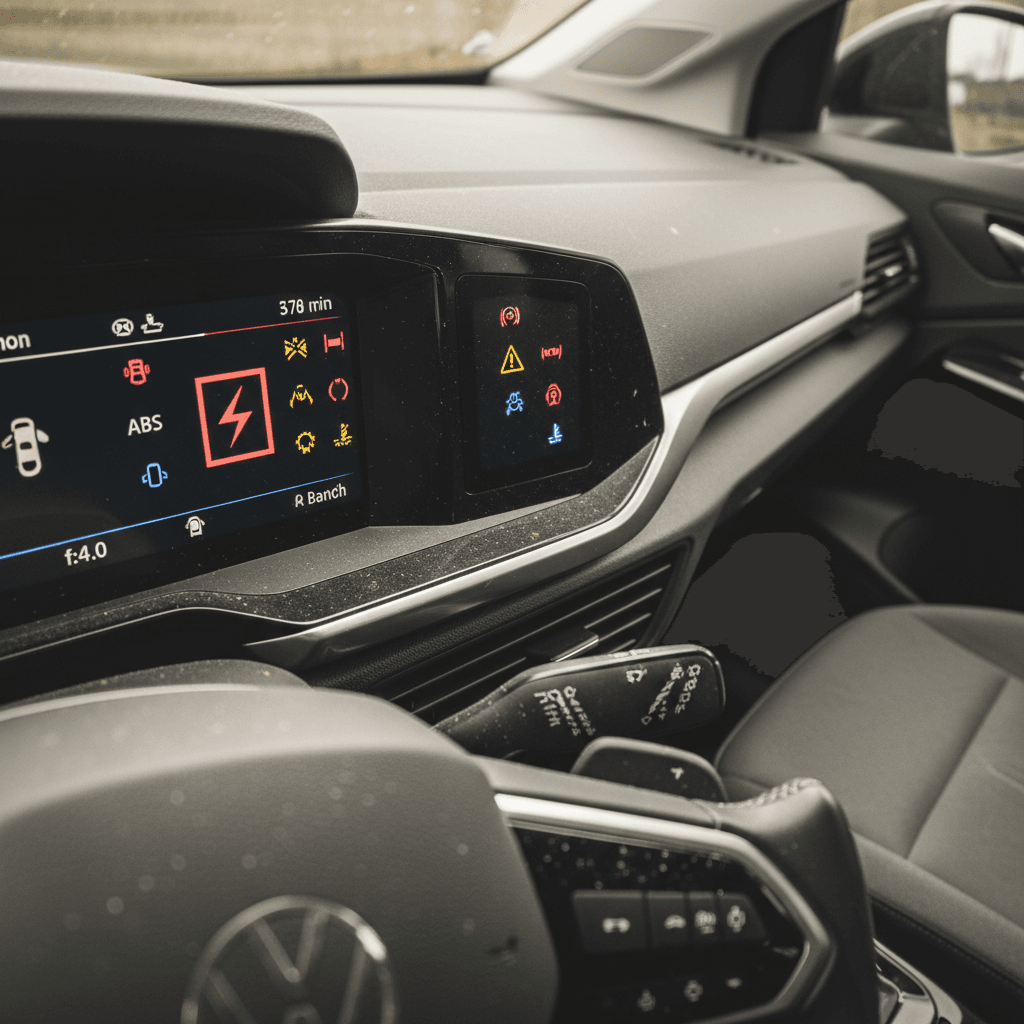
If the ID.4 has an Achilles’ heel for long‑term reliability, it’s not the big battery or the motors, it’s software, control modules and the humble 12‑volt battery. A disproportionate share of owner complaints fall into three buckets:
Three big reliability buckets for VW ID.4 electronics
Most long‑term complaints trace back to these systems.
Infotainment & screens
- Laggy or frozen center screen.
- Random reboots, black screens.
- Lost camera or driver‑assist view until restart.
12‑volt battery & charging
- Car won’t start; "12V battery too low" warnings.
- Multiple 12V replacements within a few years.
- Failures after short trips or long parking stretches.
Control modules & sensors
- Spurious motor or drivetrain warnings.
- AC and heat modules acting up.
- Door, window and seat‑control quirks.
Why the 12V matters on an EV
The good news is that most of these issues are fixable with updated software, revised modules or a healthy replacement 12‑volt battery. The bad news is that repeat visits and inconsistent dealer EV expertise can sour the ownership experience. When you’re shopping used, pay attention not just to what was fixed, but whether the fixes seem to have stuck over the last 12–18 months.
Charging reliability: public networks vs the car itself
Owners sometimes lump all charging headaches under "ID.4 problems," but you need to separate network issues from vehicle‑side faults. That distinction matters for long‑term peace of mind.
Network-side issues (not unique to ID.4)
- Broken DC fast chargers, blocked stalls, or flaky payment systems.
- Congested stations, especially on busy highway corridors.
- Electrify America uptime and speed variability that affects many non‑Tesla EVs.
These problems are frustrating, but they aren’t unique to Volkswagen and don’t say much about the ID.4’s long‑term durability.
Vehicle-side issues (ID.4-specific)
- Car refuses to start a charging session despite a healthy charger.
- Charging cuts off early or bounces between start/stop.
- Incorrect charge limits (for example, charging to 100% despite an 80% setting) tied to software bugs.
These issues do reflect on ID.4 reliability and often require firmware updates or, in rare cases, high‑voltage component replacement.
Smart pre‑purchase test
Long-term cost of ownership and warranty coverage
On paper, the ID.4 looks relatively friendly on running costs. Analyses of projected maintenance and repair spending suggest that a VW ID.4 may cost several thousand dollars less to maintain over 10 years than the average compact SUV, thanks largely to EV‑typical savings on oil changes, exhaust work and routine engine service.
Key Volkswagen ID.4 warranty coverage in the U.S.
Most coverage is transferable when you buy used, within limits.
New Vehicle Limited Warranty
- 4 years / 50,000 miles bumper‑to‑bumper on new VW models, including ID.4.
- Transfers to subsequent owners within time and mileage limits.
- Covers most major components but not wear items.
High‑voltage battery warranty
- 8 years / 100,000 miles on the traction battery.
- VW guarantees minimum usable capacity threshold (around 70%) during the term.
- Applies to defects and abnormal degradation; excludes abuse and improper modifications.
By 2026, many 2021 ID.4s are already out of their basic 4‑year warranty, but still have several years of battery coverage left. Newer 2023–2025 models retain more comprehensive coverage and, in some cases, certified‑pre‑owned extensions if sold through VW channels.
Where Recharged fits in
How VW ID.4 reliability compares to other used EVs
To make sense of "good" or "bad" reliability, you have to compare the ID.4 against its peer set: Tesla Model Y and Model 3, Hyundai Ioniq 5, Kia EV6, Ford Mustang Mach‑E, Chevrolet Bolt EUV and others.
VW ID.4 vs other used EVs on reliability
Generalized trends as of 2026, individual vehicles can vary widely.
VW ID.4
- Strengths: Solid crash safety, comfortable ride, decent real‑world range.
- Weaknesses: Software, 12V and recall history weigh down early years.
- Sweet spot: Late‑2023 to 2025 models with clean histories.
Tesla Model 3/Y
- Strengths: Efficient drivetrains, robust fast‑charging ecosystem.
- Weaknesses: Fit‑and‑finish issues, frequent recalls handled by OTA updates.
- Ownership feel: Fewer dealer visits, but more minor annoyances.
Hyundai/Kia & others
- Strengths: Strong warranties, rapid 800‑V fast charging on some models.
- Weaknesses: Past battery recalls (e.g., Bolt, Kona), charging‑network pain similar to ID.4.
- Takeaway: Reliability picture is "patchy" across the whole segment, not just VW.
"The ID.4’s fundamentals are competitive, the headaches mostly live in software and support. If you find a car with its recalls closed, healthy battery data and stable charging behavior, it doesn’t deserve its worst‑in‑class reputation."
Shopping a used ID.4 in 2026: inspection checklist
If you’re serious about a used VW ID.4, you need a game plan that goes beyond a quick test drive. Use this checklist to separate a reliable long‑term partner from someone else’s problem child.
Nine things to verify before you buy a used ID.4
1. Run the full VIN recall check
Use NHTSA’s recall lookup or a VW dealer to confirm all open campaigns, especially battery‑safety, door‑latch, rear‑camera and software recalls, are fully completed. Ask for paperwork.
2. Confirm remaining factory and battery warranty
Have the seller or a dealer print a warranty summary showing in‑service date and mileage. You want to know exactly how much of the 4‑year/50,000‑mile and 8‑year/100,000‑mile coverage is left.
3. Get a real battery‑health report
Don’t rely on the dash’s range estimate alone. A diagnostic battery scan, like the Recharged Score report, can reveal usable capacity, charge‑cycle counts and any imbalance across modules.
4. Test DC fast and Level 2 charging
Plug into both kinds of chargers, watch how quickly sessions start, whether they hold steady, and whether they stop at the configured charge limit. Walk away if charging is flaky or full of errors.
5. Stress‑test the infotainment system
Boot the car cold, switch between menus, use navigation, and enable driver‑assist features. Look for freezing, black screens, missing camera views or repeated error messages.
6. Check for 12‑volt battery history
Ask for service records documenting past 12V replacements or electrical work. A single replacement isn’t a red flag; repeated failures or long waits for parts can be.
7. Listen for noises and feel for vibrations
On the test drive, pay attention to motor whine, drivetrain shudder, or suspension clunks over bumps. Quiet, smooth operation is the EV standard, any harshness deserves an inspection.
8. Inspect tires and brakes for uneven wear
Uneven wear can hint at alignment, suspension or regenerative‑braking calibration issues. Replacing all four tires on an EV can be costly, so factor that into your numbers.
9. Evaluate dealer or service ecosystem locally
Ask current owners or online communities how your local VW store handles EV repairs. A competent, EV‑familiar service department can make or break your long‑term experience.
Leaning on an EV‑focused retailer
Is a used Volkswagen ID.4 a good buy in 2026?
In 2026, the honest answer is: it depends which ID.4 you’re looking at and how it’s been cared for.
When a used ID.4 makes strong sense
- It’s a late‑build 2023, 2024 or 2025 with low to moderate miles.
- All recalls are closed, with paperwork to prove it.
- A recent battery‑health report shows healthy usable capacity and balanced cells.
- Charging tests at Level 2 and DC fast chargers are uneventful.
- You value ride comfort, practicality and safety over razor‑edge efficiency.
When you should probably walk away
- It’s an early 2021–early 2023 example with a thick stack of electrical and charging invoices.
- Open battery‑safety or critical electrical recalls haven’t been completed.
- The car has a history of repeated 12V failures, random stalls or unexplained shutdowns.
- The seller can’t or won’t provide diagnostics or service records.
Viewed through a 2026 lens, the Volkswagen ID.4 is neither a slam‑dunk nor a write‑off. It’s an EV with solid safety scores and decent battery durability that’s been tripped up by software complexity, supplier issues and uneven dealer support. If you approach it like a journalist, ask hard questions, demand documentation, and pay attention to how the specific vehicle behaves, you can land an ID.4 that delivers quiet, low‑emission miles without inheriting its early‑adopter drama.