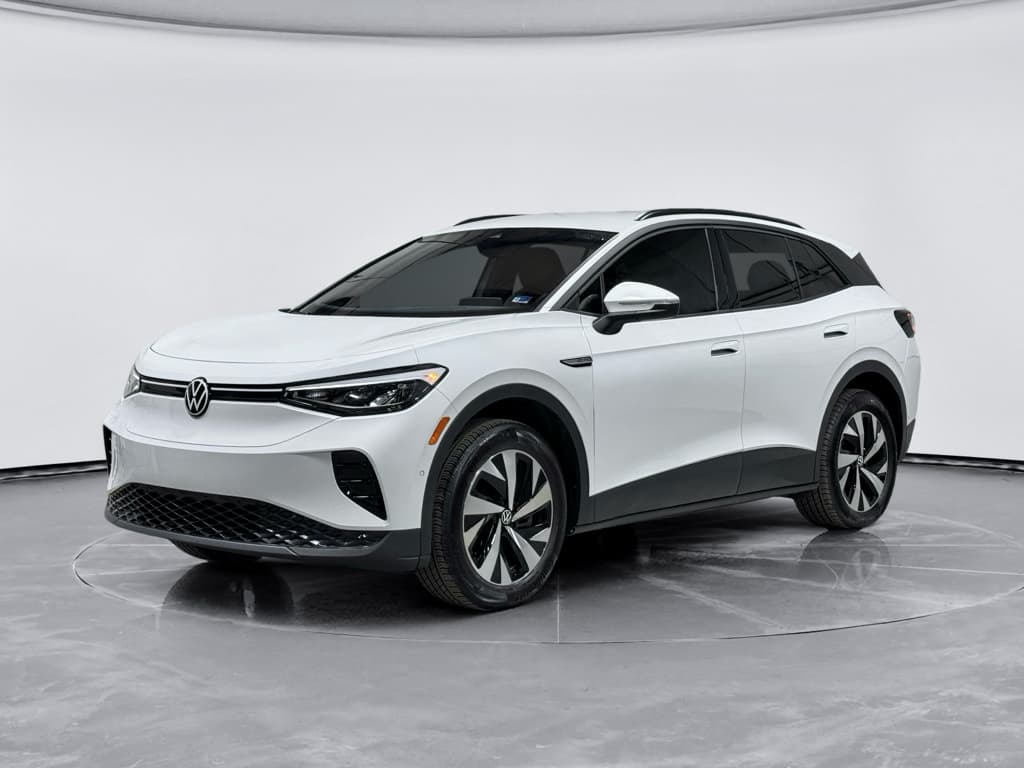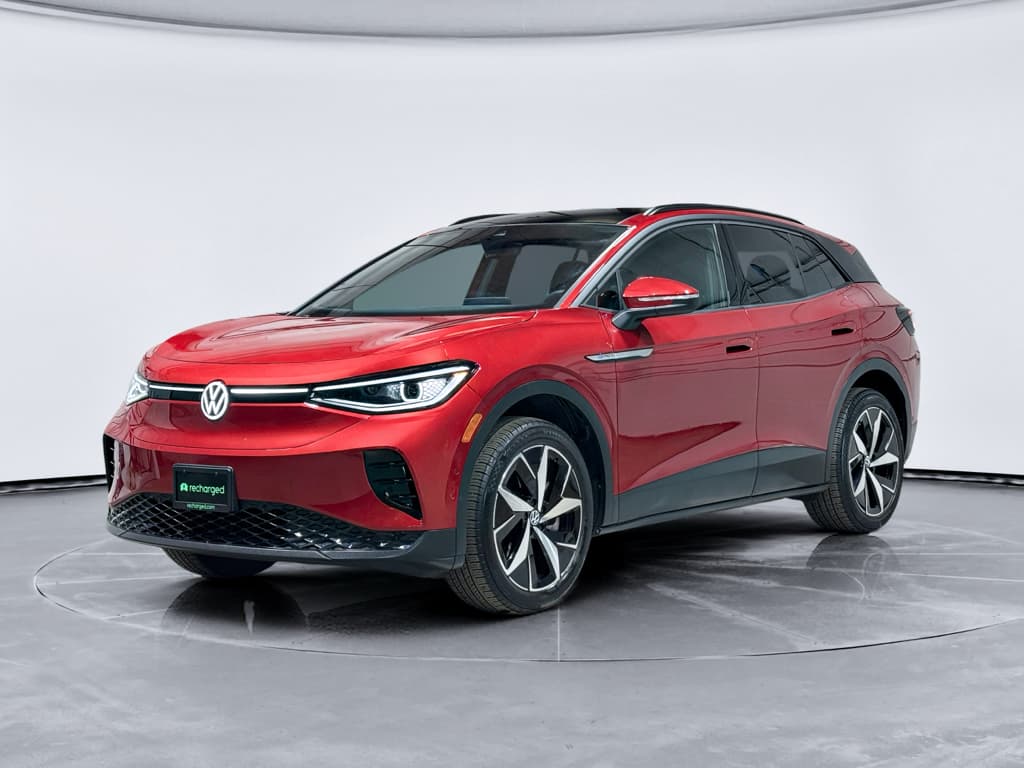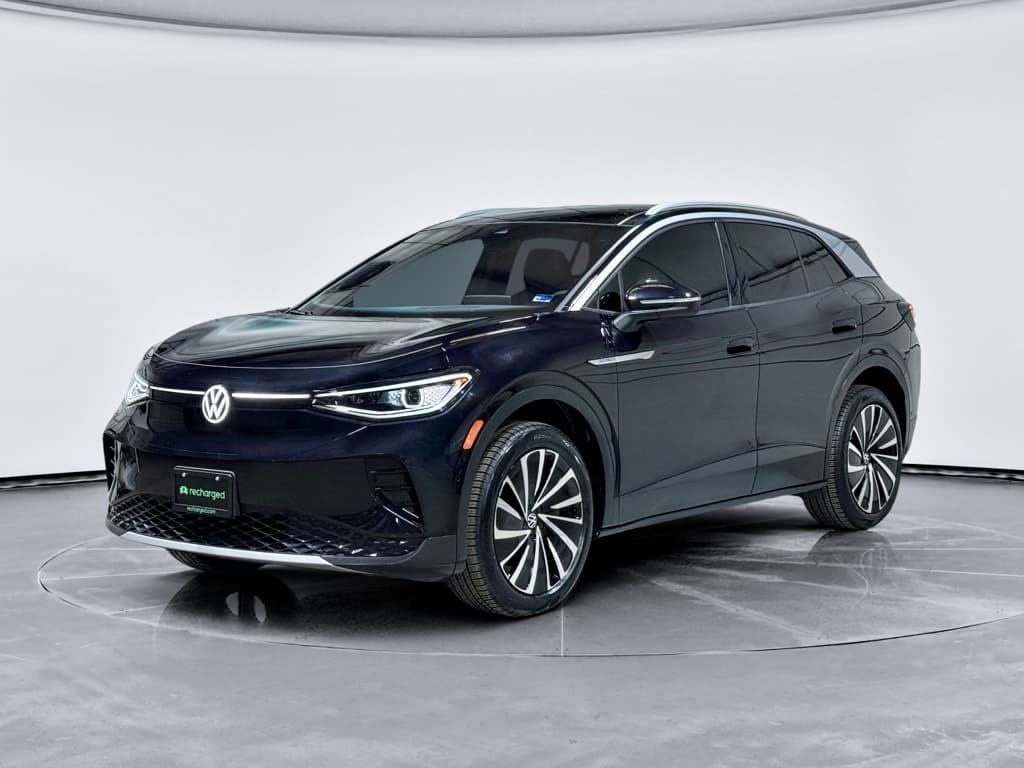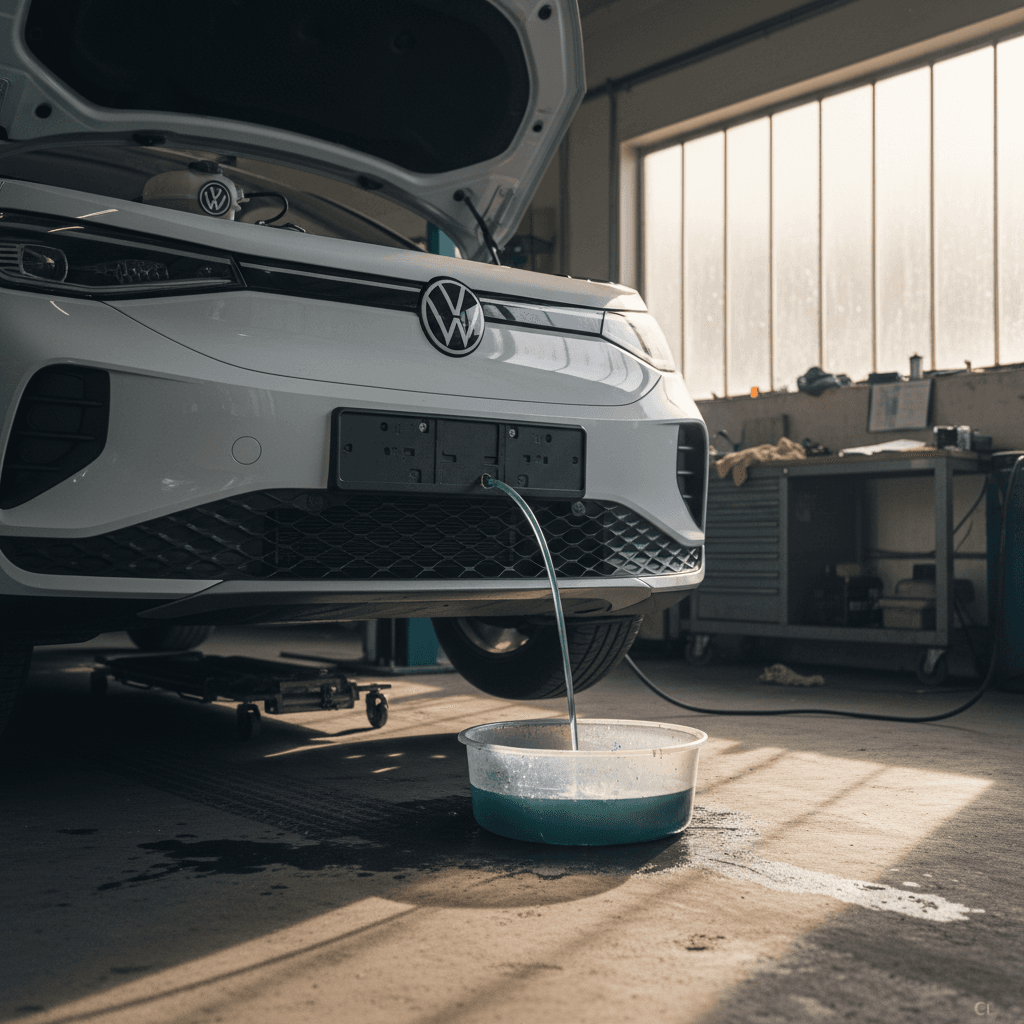
If you’ve called a shop asking about Volkswagen ID.4 coolant flush cost, you’ve probably heard everything from “you don’t need that” to $400-plus quotes. Part of the confusion is that the ID.4 is an EV, not a gas SUV, and its coolant system plays a different role. This guide breaks down when coolant service actually makes sense, what it really costs in the U.S., and how it fits into your total ID.4 ownership costs, especially if you’re shopping the used market.
Quick answer
Overview: ID.4 coolant and why costs are confusing
On a traditional gasoline car, a coolant flush is a familiar line item every 60,000–100,000 miles. With the Volkswagen ID.4, the picture is different. The official U.S. maintenance schedules focus on checking coolant level and frost protection, not flushing the system on a set mileage interval. At the same time, many dealers and general repair shops still sell coolant flushes from old templates, which can leave ID.4 owners wondering what’s necessary and what’s upsell.
- Coolant is still critical, it cools the drive unit, power electronics and, depending on variant, supports the battery’s thermal management.
- The factory schedule in the U.S. doesn’t list a fixed coolant replacement interval for the ID.4; some overseas schedules do.
- EV coolant service is more specialized, so labor rates and time estimates can swing your final bill by over $200.
Does a Volkswagen ID.4 actually need a coolant flush?
Strictly speaking, the U.S. Volkswagen maintenance schedule for the ID.4 focuses on inspection and top-off of coolant rather than a mandatory flush at a specific mileage. Some dealer and owner resources describe the factory interval as effectively “lifetime” unless the system is opened for repair or contamination, while other markets list long intervals (for example, 8–10 years or high mileage) for coolant replacement.
- Recommended only after repairs to the cooling system, drive unit, or heater.
- Suggested by a dealer based on local policy, not a global VW mandate.
- Sold as part of a generic “EV service package” that doesn’t actually match the ID.4’s maintenance chart.
Check your manual first
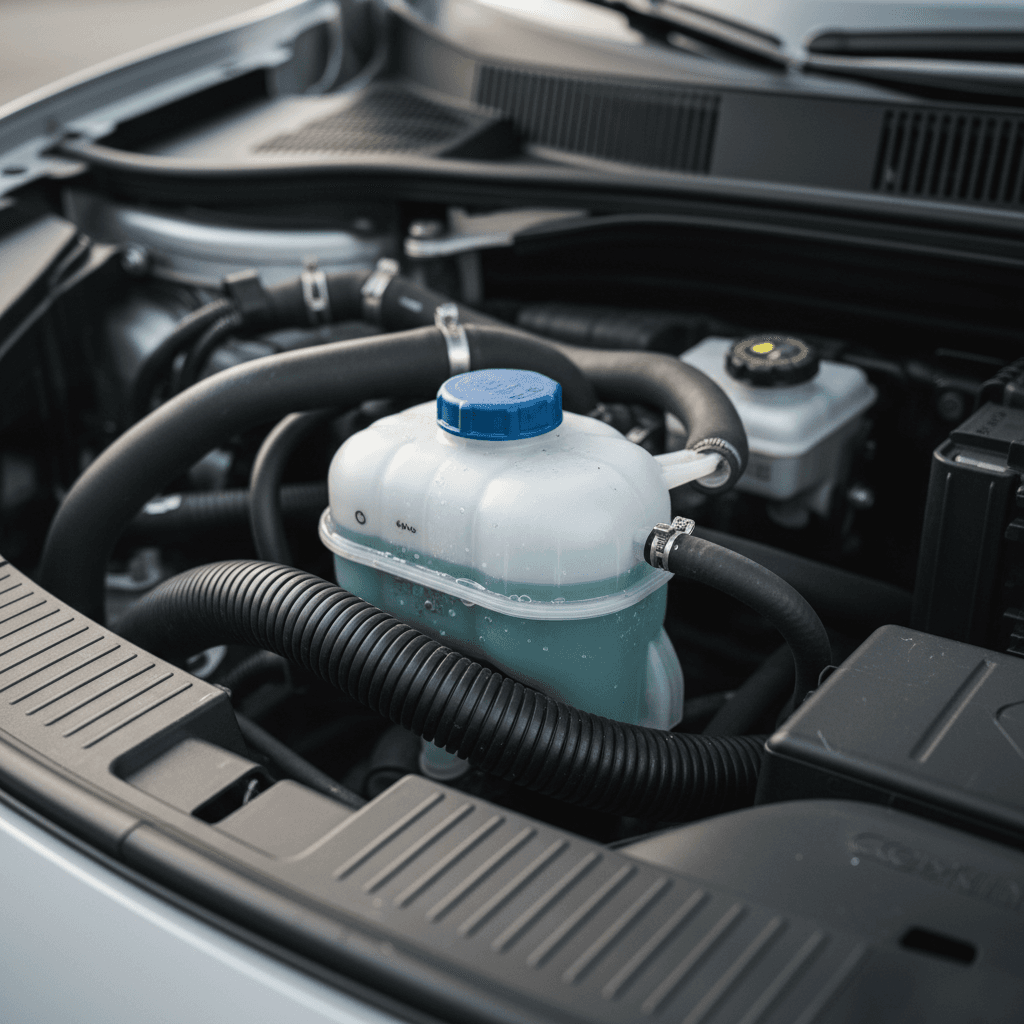
How the ID.4 cooling system works
- Cooling the high-voltage battery pack during fast charging or heavy driving.
- Managing temperature for the power electronics and drive motor.
- Feeding a heat pump or electric heater to warm the cabin efficiently.
Why EV coolant is a bit different
Typical Volkswagen ID.4 coolant flush cost
What ID.4 owners are seeing for coolant service
Because ID.4 coolant service isn’t a frequent, standardized job, shops price it more like a one‑off repair than a menu item. Here’s how those cost ranges usually break down in the U.S. today:
Volkswagen ID.4 coolant service cost breakdown
Typical price ranges owners report for coolant-related work on the Volkswagen ID.4 in the U.S. These are ballpark figures, not quotes.
| Service scenario | What’s done | Typical price range | Where you’ll see it |
|---|---|---|---|
| Coolant check & top-off | Visual inspection, freeze-point check, add small amount of fluid | $0–$60 | Included with scheduled service or quick checks |
| Single-circuit drain & fill | Drain and refill a single ID.4 coolant loop (for a component replacement, minor contamination) | $180–$300 | Independent VW/EV specialist shops |
| Multi-circuit flush | Drain and refill multiple coolant circuits, vacuum bleed, leak test | $220–$450 | VW dealers or high-end independents |
| Diagnostic & repair with coolant | Coolant service bundled with replacing a leaking hose, heater core, or pump | $400+ | Dealer or specialist after a failure |
Actual cost depends on model year, which circuits are serviced, and local labor rates.
Factor 1: Where you service your ID.4
Volkswagen dealers tend to quote higher coolant flush costs than independents for two reasons: higher hourly labor rates and more conservative book times for EV work. A dealer in a major metro might quote $350–$450 for a thorough multi-circuit service, while a well-equipped independent VW shop could land closer to $220–$320 for similar work.
Factor 2: What the shop is really doing
- Simply topping off and testing freeze protection, which is inexpensive.
- Draining one loop that was opened during a repair.
- Vacuum‑filling multiple interconnected loops after major work.
Factor 3: Regional labor rates and fees
In high-cost regions, think coastal metro areas, labor rates of $180+ per hour aren’t unusual for EV work. That alone can add $80–$150 to an ID.4 coolant service compared with the same job at a smaller-market shop. Environmental fees and shop supplies, often 5–10% of the bill, also creep into your final coolant flush cost.
Be wary of one‑size‑fits‑all coupons
Dealer “menu services” vs. the factory ID.4 maintenance schedule
Factory schedule focus
- Regular inspections every 10,000 miles or 2 years (depending on market and model year).
- Items like cabin filter, brake fluid, tire rotation and visual checks.
- Coolant: check level and frost protection, top up if needed.
- No explicit, short-interval coolant flush requirement in most U.S. maintenance booklets.
Dealer menu add‑ons
- Pre‑printed packages that may include coolant flushes at 30k, 60k, or 90k miles.
- Often copied from combustion‑engine VW models.
- Useful in some climates and use cases, but not always required to maintain warranty.
- Good candidates for pushback or negotiation if they’re not in your owner’s manual.
How to push back politely
Signs your ID.4 coolant needs attention
Common coolant-related warning signs in an ID.4
You rarely need a flush on a timer, but you should act fast if the system complains.
Dashboard warnings
If you see coolant level or temperature warnings, don’t ignore them, especially anything in red.
Visible leaks or stains
Puddles under the front or rear, pinkish residue near hoses, or a sweet smell can point to a coolant leak.
Weak cabin heat or defrost
In cold weather, poor heater performance or defrost issues can be linked to low coolant or air in the system.
Any of those signs justify a prompt inspection and likely some level of coolant service. That could be as minor as a top‑off and bleed, or as involved as a full flush tied to a component replacement.
How often should you service ID.4 coolant?
Because Volkswagen’s U.S. guidance emphasizes inspection over fixed replacement, there isn’t a universal “every 60,000 miles” rule for ID.4 coolant. Instead, a practical approach for most owners looks like this:
A practical interval strategy for ID.4 coolant
Follow the factory inspections
Let your scheduled 10,000‑mile or 2‑year services guide you. Have coolant level and freeze protection checked as VW specifies for your model year.
Treat repairs as reset points
Any time a component in the coolant loop is replaced, expect the shop to drain, refill and bleed that portion of the system. That’s normal and usually included in the repair cost.
Re‑evaluate around 8–10 years
If you plan to keep the ID.4 long‑term in a harsh climate, it’s reasonable to <strong>ask</strong> about preventive coolant replacement in the 8–10 year / high‑mileage window, even if it’s not explicitly listed.
Avoid mixing fluids
Never top off with generic coolant. Mixing types can shorten coolant life and force an earlier, more expensive flush to clean out the system.
Why timing varies by market
Saving money on ID.4 coolant service without risking your warranty
- Get a written estimate that separates mandatory maintenance from optional flushes.
- Ask which specific VW coolant part number they’re using and confirm it matches your manual.
- Compare a Volkswagen dealer quote with at least one independent VW/EV specialist.
- Schedule coolant work together with other maintenance to avoid duplicate shop fees.
- Keep invoices showing date, mileage, and what was done in case of future warranty questions.
Leverage EV specialists
Where coolant flush cost fits into overall ID.4 ownership costs
Compared with gasoline SUVs, the Volkswagen ID.4’s maintenance picture is light: no oil changes, spark plugs, timing belts, or exhaust repairs. Coolant service is one of the few fluid items that can still generate a chunky line item, especially if it’s bundled with repairs. The good news is that most owners won’t see a full, standalone coolant flush more than once, if at all, during typical ownership.
For current ID.4 owners
- Expect routine service visits to center on inspections, tire rotations, cabin filters, and the occasional brake fluid change.
- Coolant costs usually show up only after a repair or at higher age/mileage.
- Keeping documentation of all coolant work helps future buyers and can support resale value.
If you’re shopping a used ID.4
- Ask for service records showing coolant checks and any repairs to the thermal system.
- Look for warning lights or messages in the test drive that hint at thermal issues.
- At Recharged, every used EV comes with a Recharged Score battery health report, which looks at real battery performance, not just whether coolant was changed.
How Recharged helps
Ready to find your next EV?
Browse VehiclesFAQ: Volkswagen ID.4 coolant flush cost and service
Volkswagen ID.4 coolant flush: common questions
Bottom line on Volkswagen ID.4 coolant flush costs
When you hear the phrase Volkswagen ID.4 coolant flush cost, remember that this isn’t a routine, every‑few‑years expense the way it is on many gas vehicles. For most owners, coolant shows up on invoices only when there’s a repair, a genuine concern about age or contamination, or a dealer’s optional service package. If and when you do need it, budgeting around $220–$450 at a dealer or a bit less at a good independent shop will usually cover a proper drain, refill and bleed with genuine VW coolant.
If you’re already in an ID.4, focus on following the inspection schedule and responding quickly to any coolant warnings rather than chasing calendar‑based flushes. And if you’re shopping a used ID.4, pair service records with an objective view of the battery and thermal performance. That’s exactly what Recharged’s Recharged Score is built to do, so you can buy a used EV with clarity around both day‑one costs and long‑term ownership.