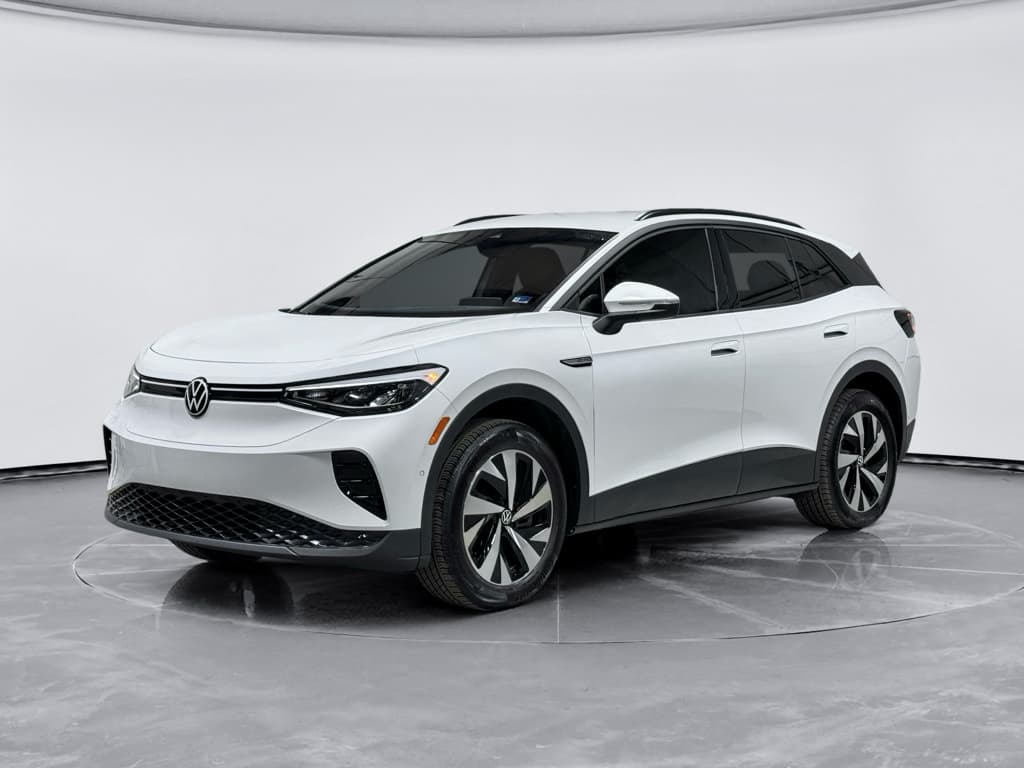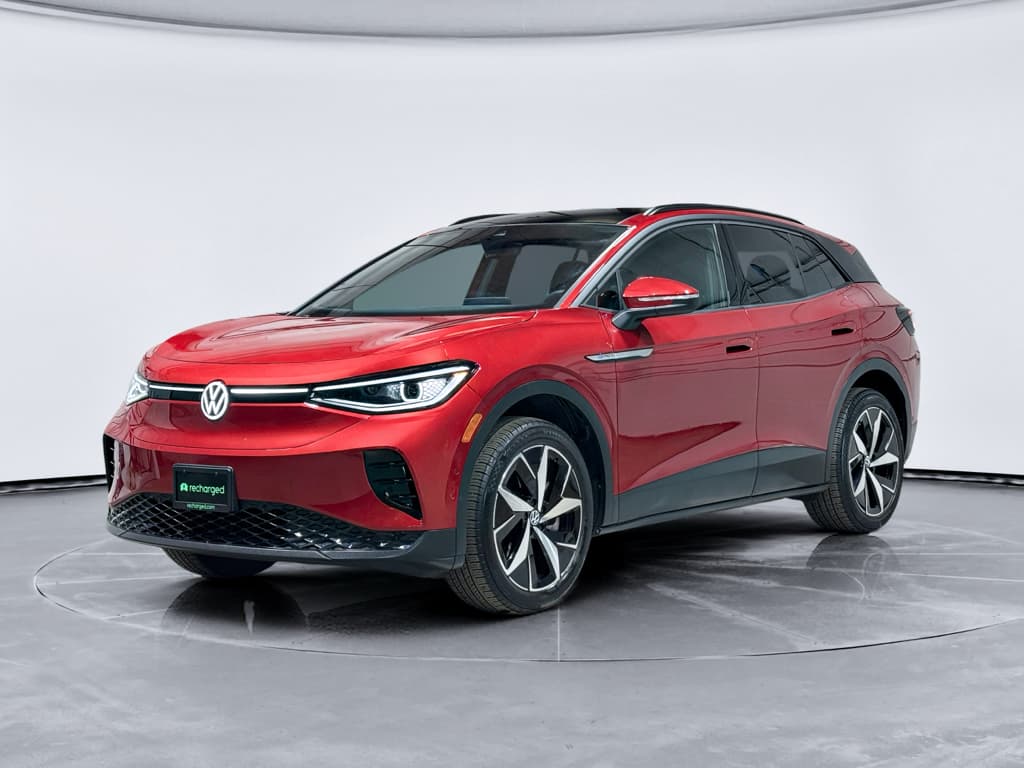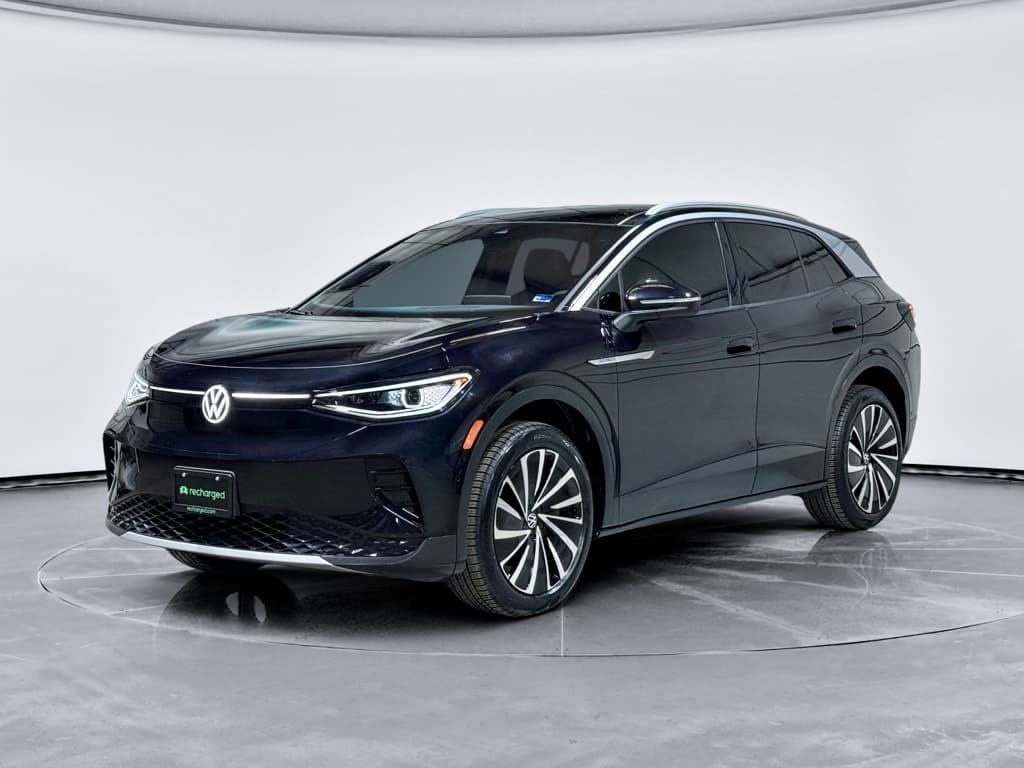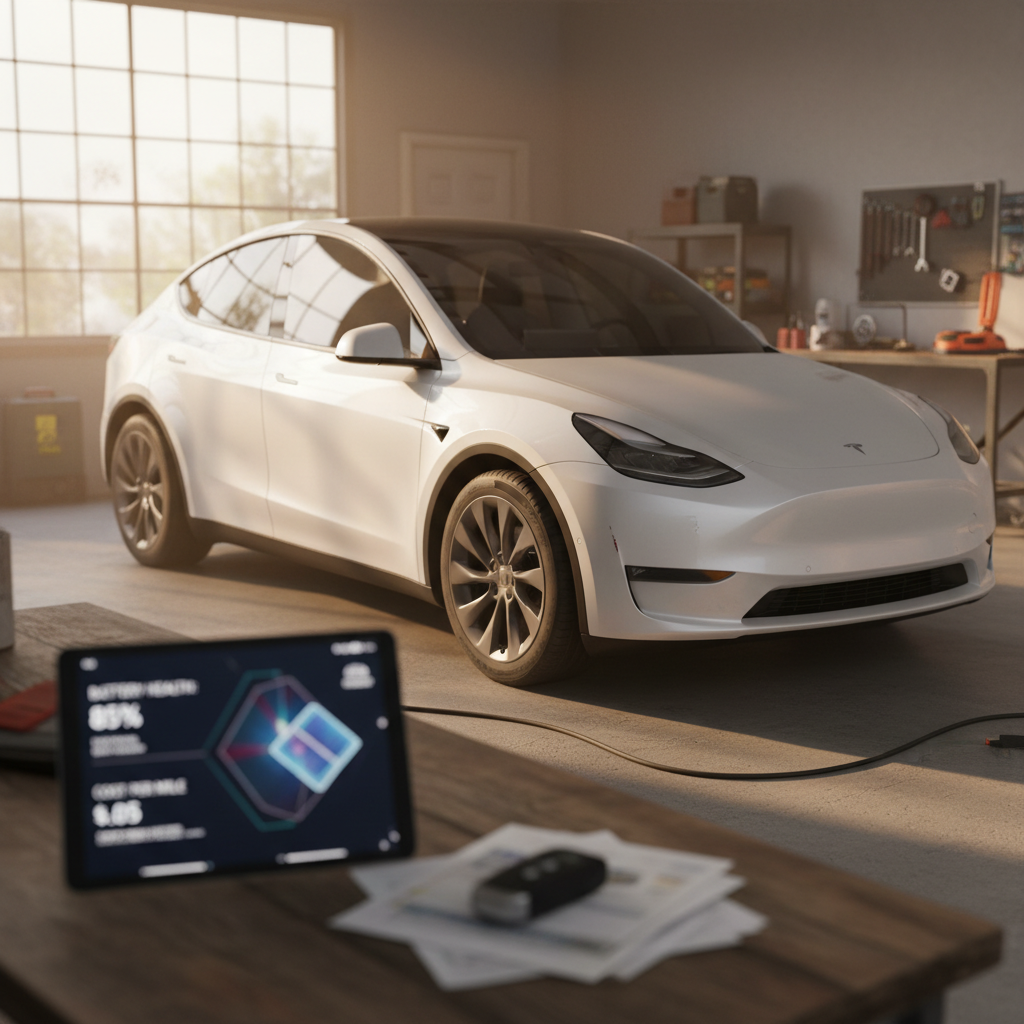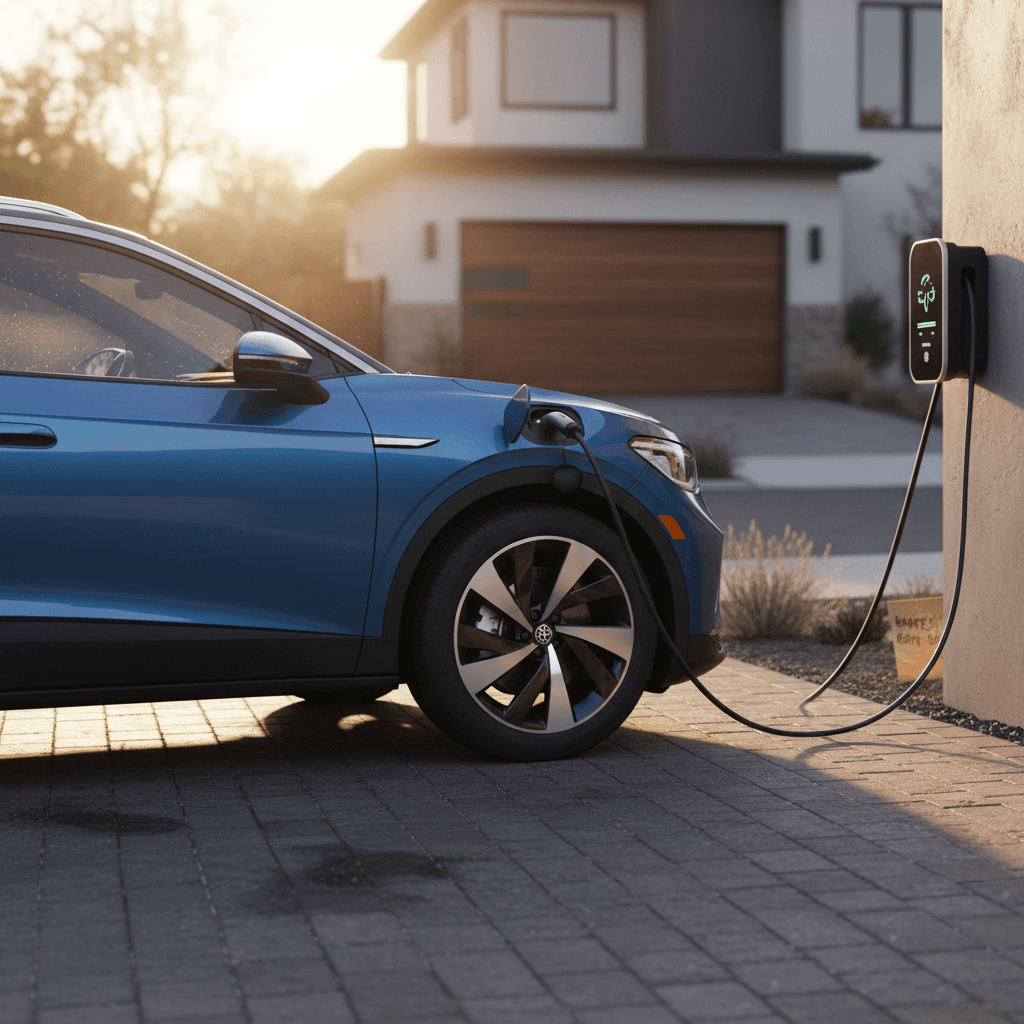
When you’re considering a Volkswagen ID.4, or already own one, the question that actually hits your wallet is simple: how much does it cost per mile to charge? In this guide, we’ll break down the Volkswagen ID.4 charging cost per mile at home and on the road, using realistic efficiency numbers and today’s electricity prices so you can budget with confidence.
Quick answer
Why Volkswagen ID.4 charging cost per mile matters
Manufacturers love to talk about range and charging speed, but cost per mile is the metric that ties your ID.4’s efficiency to your monthly budget. It lets you: (1) compare your ID.4 directly to a gas SUV, (2) understand the impact of home vs public charging, and (3) see whether a used ID.4 you’re eyeing will stay cheap to run as the battery ages.
- Translate kWh and cents per kWh into dollars per mile you actually pay.
- Compare the ID.4’s running costs with a Tiguan, RAV4, CR‑V, or other gasoline SUV.
- Estimate road‑trip costs when you’ll rely on DC fast charging.
- Spot when something’s wrong (e.g., sudden efficiency drop that raises cost per mile).
Key formula to remember
Volkswagen ID.4 efficiency: kWh per 100 miles explained
To understand Volkswagen ID.4 charging cost per mile, you need a realistic handle on its efficiency. The EPA and independent testers express this as kWh per 100 miles, how many kilowatt‑hours of energy the ID.4 uses to drive 100 miles.
Typical Volkswagen ID.4 efficiency numbers
Approximate energy use for common U.S. ID.4 configurations in mixed driving.
| Model / use case | Approx. kWh per 100 miles | Miles per kWh (inverse) | Notes |
|---|---|---|---|
| RWD, 77–79 kWh pack, mixed driving | 30–32 | 3.1–3.3 | Common for many owners in normal weather |
| AWD, 77–79 kWh pack, mixed driving | 31–34 | 2.9–3.2 | Extra motor adds weight and drag |
| Highway, big‑battery ID.4 | 29–31 | 3.2–3.4 | Modern 2024–2025 powertrain is more efficient than early years |
| Urban / eco driving | 26–29 | 3.4–3.8 | Stop‑and‑go plus regen braking helps |
| Cold‑weather highway | 34–38 | 2.6–2.9 | Cabin heat and dense air increase consumption |
Real‑world ID.4 drivers typically see energy use in the low‑30s kWh/100 miles range in mixed driving, slightly higher at highway speed.
Weather matters
For the rest of this article, we’ll use 31 kWh/100 miles as a realistic mixed‑driving efficiency for a typical ID.4 with the larger battery. If your driving is mostly city and mild‑climate, you may do a bit better; mostly 75‑mph highway or deep‑winter commuting, you’ll see the high end of the range.
The other half of the equation: electricity prices in 2026
The second piece in Volkswagen ID.4 charging cost per mile is what you pay for electricity. In the U.S., average residential prices in late 2025 were in the mid‑teens to high‑teens cents per kWh, with some sources citing around $0.17–$0.19 per kWh nationwide. Individual states range from under $0.12 to well over $0.30 per kWh, so your local reality may be very different from the national average.
Home electricity
- Most ID.4 miles come from home charging.
- Typical range in 2026: roughly $0.13–$0.22 per kWh depending on state.
- Time‑of‑use (TOU) plans can drop off‑peak rates significantly overnight.
Public charging
- Level 2 public: often similar to or slightly higher than home rates.
- DC fast charging: commonly around $0.35–$0.50 per kWh in 2025–2026 on big networks.
- Some networks use per‑minute pricing, but the effective cost per kWh usually falls into that band for an ID.4.
Use your own numbers
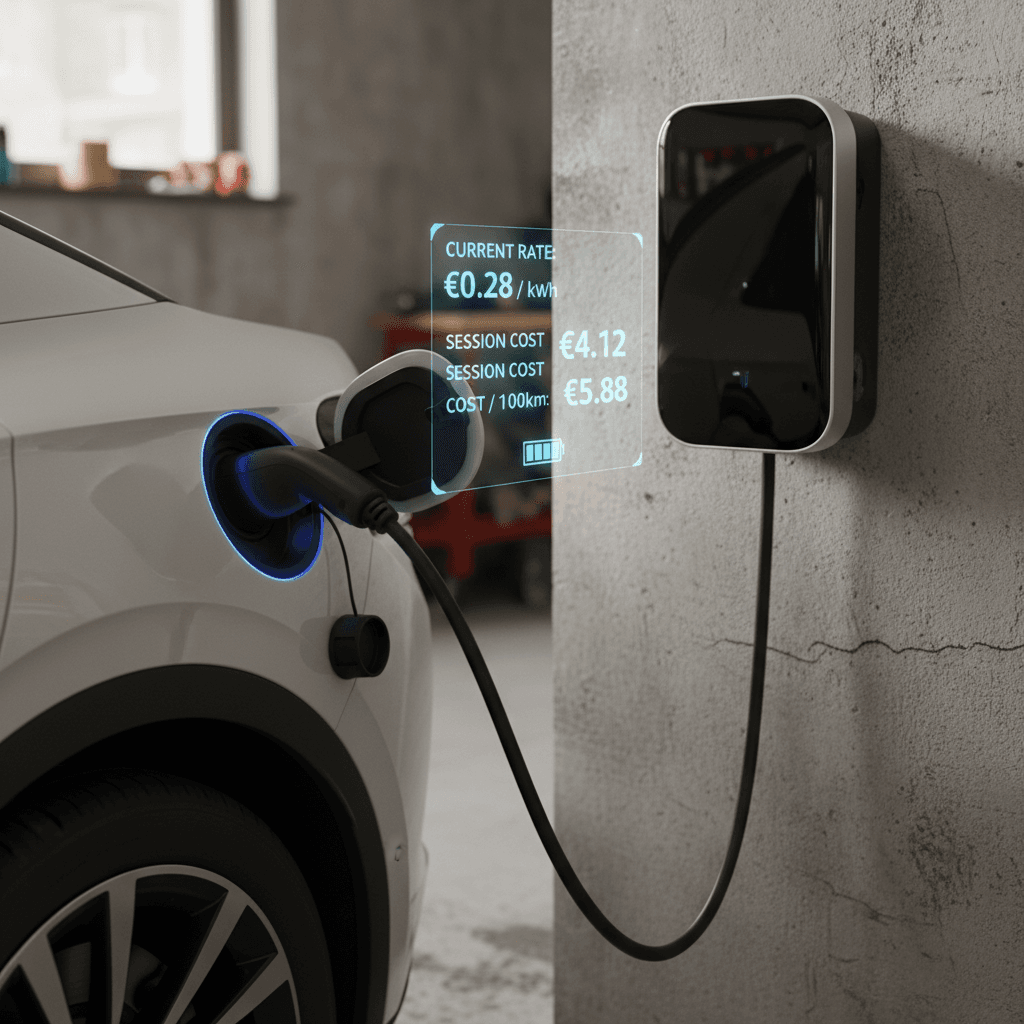
Volkswagen ID.4 home charging cost per mile
Let’s start with what most owners care about: what it costs per mile to charge a Volkswagen ID.4 at home. We’ll plug our example efficiency (31 kWh/100 miles) into a few realistic electricity prices.
Sample Volkswagen ID.4 home charging cost per mile
Here’s the math using the middle case (31 kWh/100 miles and $0.17/kWh):
Cost per mile = (31 ÷ 100) × $0.17 = 0.31 × $0.17 ≈ $0.053 per mile.
That means a 1,000‑mile month costs around $53 in home charging, and if your electricity is cheaper, your bill shrinks accordingly.
Rule of thumb for home charging
Public fast‑charging cost per mile for the ID.4
Road trips and apartment living shift more of your miles to public infrastructure, especially DC fast charging. That convenience comes at a premium, and it has a noticeable impact on Volkswagen ID.4 charging cost per mile.
Sample Volkswagen ID.4 DC fast‑charging cost per mile
Using 31 kWh/100 miles and typical 2025–2026 DC fast‑charging prices.
| Scenario | Price per kWh | Cost per 100 miles | Cost per mile |
|---|---|---|---|
| Discounted member rate on a big network | $0.35 | 31 × $0.35 = $10.85 | ≈ $0.11/mi |
| Typical highway DC fast price | $0.45 | 31 × $0.45 = $13.95 | ≈ $0.14/mi |
| Expensive urban DC fast charger | $0.55 | 31 × $0.55 = $17.05 | ≈ $0.17/mi |
Your effective cost per mile on DC fast chargers is often double (or more) your home‑charging rate.
Beware of per‑minute pricing
This is why many owners aim to do 80–90% of their annual miles at home and reserve DC fast charging for road trips. It keeps your overall Volkswagen ID.4 cost per mile closer to the cheap home‑charging number rather than the highway‑charger number.
Comparing Volkswagen ID.4 cost per mile to a gas SUV
Most shoppers don’t just ask, “What does an ID.4 cost per mile?” They really want to know, “How does that compare to what I’m paying for gas now?” Let’s put numbers side‑by‑side using a typical compact SUV.
ID.4 vs gasoline SUV: cost per mile
Comparison using broadly realistic 2026 prices.
| Vehicle | Assumptions | Energy cost per mile |
|---|---|---|
| Volkswagen ID.4 (home charging) | 31 kWh/100 mi, $0.17/kWh | ≈ $0.05/mi |
| Volkswagen ID.4 (mostly DC fast) | 31 kWh/100 mi, blended $0.40/kWh | ≈ $0.12/mi |
| Gas SUV (e.g., Tiguan) | 29 mpg, $3.25/gal | $3.25 ÷ 29 ≈ $0.11/mi |
| Gas SUV, higher fuel price | 29 mpg, $4.00/gal | $4.00 ÷ 29 ≈ $0.14/mi |
Even with higher electricity prices and some fast charging, the ID.4 usually undercuts a similar gasoline SUV on energy cost per mile.
Energy isn’t the whole story
Real‑world ID.4 cost per mile scenarios
To make Volkswagen ID.4 charging cost per mile a bit less abstract, here are three realistic profiles that mirror how many owners actually use their cars. You can adjust the numbers to your own situation.
Three common ID.4 driver profiles
See how driving style and charging mix change your effective cost per mile.
Urban commuter
Profile: 800 miles/month, mostly city streets, home overnight charging.
- Efficiency: 28 kWh/100 miles (3.6 mi/kWh)
- Home electricity: $0.18/kWh
- Cost per mile: (28 ÷ 100) × $0.18 ≈ $0.050
- Monthly energy cost: ≈ $40
Highway road‑tripper
Profile: 1,500 miles/month, many highway miles, frequent DC fast charging.
- Efficiency: 32 kWh/100 miles
- Charging mix: 40% home at $0.16, 60% DC fast at $0.42
- Blended price per kWh: ≈ $0.32
- Cost per mile: (32 ÷ 100) × $0.32 ≈ $0.10
- Monthly energy cost: ≈ $150
Suburban family driver
Profile: 1,000 miles/month, mixed suburban driving, almost all home charging.
- Efficiency: 31 kWh/100 miles
- Home electricity: $0.15/kWh (off‑peak TOU)
- Cost per mile: (31 ÷ 100) × $0.15 ≈ $0.047
- Monthly energy cost: ≈ $47
Track your own data
How to calculate your own Volkswagen ID.4 charging cost per mile
You don’t need to accept generic numbers. With a couple of readings from your ID.4 and a look at your electric bill, you can calculate your personal Volkswagen ID.4 charging cost per mile in a few minutes.
Step‑by‑step: Calculate your ID.4 cost per mile
1. Find your efficiency in kWh per 100 miles
In the ID.4’s driver display or infotainment menus, switch the consumption view to kWh/100 mi and reset a trip meter. After at least a few hundred miles of normal use, note the value.
2. Grab your home electric rate
Look at your latest utility bill for your total price per kWh, including taxes and fees. If you have a time‑of‑use plan, use the overnight/off‑peak rate if that’s when you charge.
3. Note public charging prices
If you regularly use public chargers, record the posted price per kWh for those sessions (or calculate it from the session summary if the network only shows total cost and kWh delivered).
4. Compute home cost per mile
Use the formula: (kWh per 100 miles ÷ 100) × home price per kWh. That’s your home‑only cost per mile.
5. Compute public cost per mile
Repeat the same formula with your typical DC fast‑charging or public Level 2 price per kWh to understand your road‑trip or apartment‑living cost per mile.
6. Blend based on your actual mix
Estimate what share of your miles are home vs public. Multiply each cost per mile by its share, then add them together to get your overall average cost per mile.
Don’t forget charging losses
7 ways to lower your ID.4 charging cost per mile
Once you understand Volkswagen ID.4 charging cost per mile, the natural next question is how to bring it down. You can attack both sides of the equation: use less energy per mile and pay less per kWh.
Practical ways to cut your cost per mile
Most owners can combine several of these and see a real difference.
Charge on off‑peak rates
If your utility offers a time‑of‑use plan, schedule your ID.4 to charge overnight when rates are lowest. Dropping from $0.22 to $0.14 per kWh can shave 30–40% off your cost per mile.
Keep highway speeds reasonable
Above ~70 mph, aerodynamic drag rises steeply. Slowing from 78 to 70 mph can noticeably improve efficiency, often cutting 2–4 kWh/100 miles on the highway.
Use pre‑conditioning in winter
Pre‑heat the cabin while plugged in so energy comes from the grid, not the battery. Your kWh/100 miles drops, improving cost per mile during cold months.
Watch tire pressure and wheel choices
Under‑inflated tires and aggressive wheel/tire packages hurt efficiency. Keeping tires properly inflated and avoiding unnecessarily sticky tires will improve your kWh/100‑mile number.
Favor Level 2 over DC fast
For everything but long trips, stick to home or workplace Level 2. Public DC fast charging can easily cost 2–3× as much per kWh as your home outlet.
Plan efficient routes
Use navigation that factors in traffic and elevation. A slightly shorter or smoother route can trim energy use, especially in hilly areas.
Buying a used ID.4? How battery health affects cost per mile
If you’re shopping for a used Volkswagen ID.4, the battery’s state of health plays a quiet but important role in your real‑world charging cost per mile. As usable capacity shrinks with age and miles, the car may need to charge a bit more often to cover the same distance, and in some cases efficiency can shift slightly as well.
The good news: modern ID.4 packs have generally shown modest, gradual degradation when cared for reasonably well. But not every used example has lived the same life. That’s where objective battery data becomes valuable.
How Recharged helps on used ID.4s
If you already own an ID.4 and are thinking about selling or trading up, Recharged also offers instant offers, consignment options, and EV‑savvy support so you can capture the value you’ve built while the battery is still in good shape.
Volkswagen ID.4 charging cost per mile: FAQ
Frequently asked questions about ID.4 charging cost per mile
Bottom line: What you should expect to pay per mile
If you distill all the numbers down, most U.S. owners can expect a Volkswagen ID.4 charging cost per mile of roughly 5–7 cents at home and 10–14 cents on typical DC fast chargers, with your personal average determined by how and where you drive. That usually beats or at least matches a comparable gasoline SUV on energy cost, especially if you have access to reasonably priced residential electricity.
When you’re shopping for an ID.4, especially used, digging into efficiency, electricity prices, and battery health turns vague promises of “cheap to run” into real numbers you can plan around. Marketplaces like Recharged make that process easier by pairing each used EV with a Recharged Score Report, fair pricing, financing options, trade‑in support, and even nationwide delivery. That way, the cost‑per‑mile story that looks good in spreadsheets actually matches your day‑to‑day experience once the car is in your driveway.