If you bought a Volkswagen ID. Buzz, you didn’t choose it to sit in the driveway, you chose it to haul kids, friends, and gear. To keep doing that comfortably for years, you’ll want to know how to maximize battery life in your Volkswagen ID. Buzz. The good news is that you don’t need to baby it, but a few smart habits today can preserve thousands of dollars of battery value tomorrow.
Battery life vs. range
Why Volkswagen ID. Buzz battery care really matters
EV batteries are engineered to last, and the ID. Buzz is no exception. But this is still the most expensive component in the vehicle. Preserving it can mean the difference between owning a minivan‑sized EV that feels fresh in 10 years, or one that’s noticeably lost range and value. That’s doubly important if you plan to keep the ID. Buzz for a long time or buy one used.
Big‑picture EV battery longevity (and what it means for your ID. Buzz)
Why habits matter
Volkswagen ID. Buzz battery basics: what you’re working with
Battery size and architecture
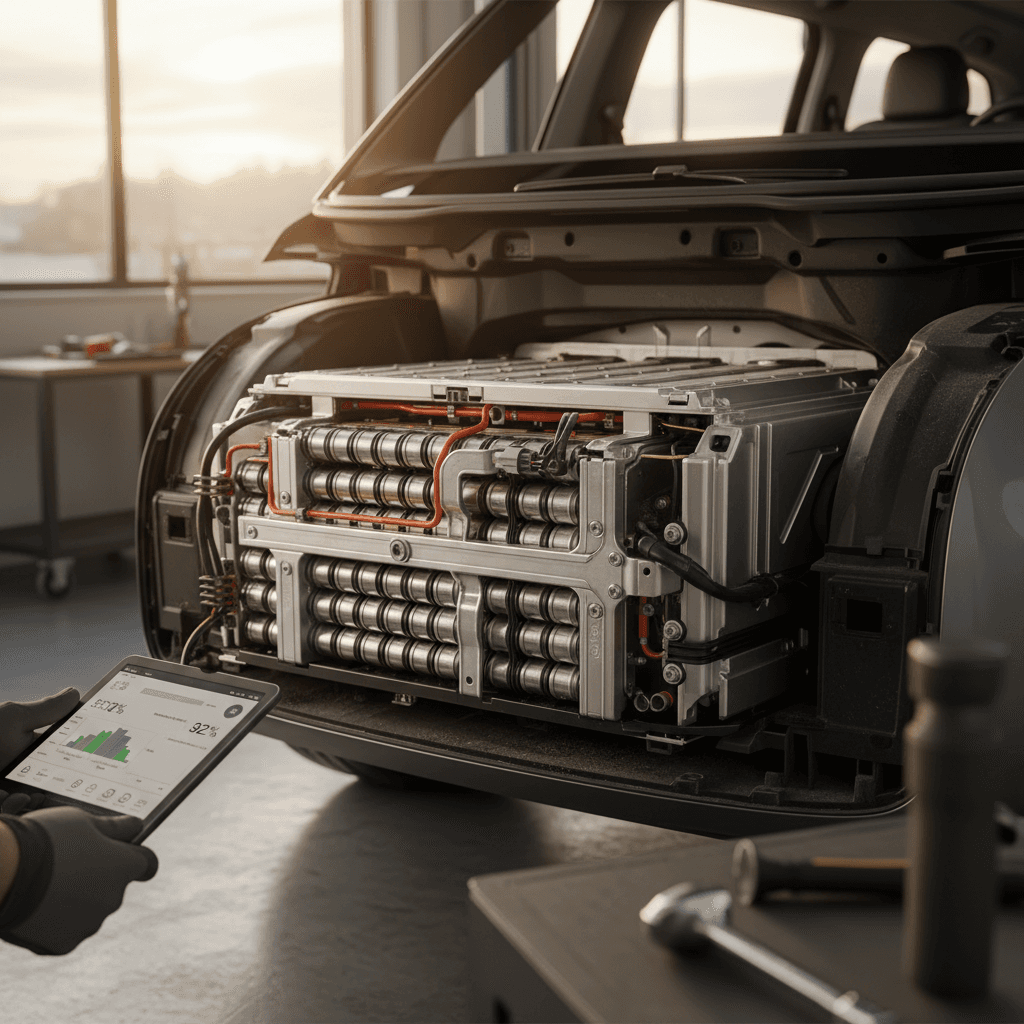
The ID. Buzz uses a large lithium‑ion battery pack mounted under the floor. That means:
- Big energy capacity to move a boxy, family‑sized van.
- A low center of gravity for stability.
- Plenty of thermal management to keep the pack in its comfort zone.
What actually ages the battery?
For ID. Buzz, or any modern EV, three main things drive long‑term battery wear:
- High state of charge (living at 100% too often).
- High temperatures plus fast charging or heavy loads.
- Time at extremes, sitting full or nearly empty for days.
Most of this is under your control with better routines.
Daily charging habits that maximize ID. Buzz battery life
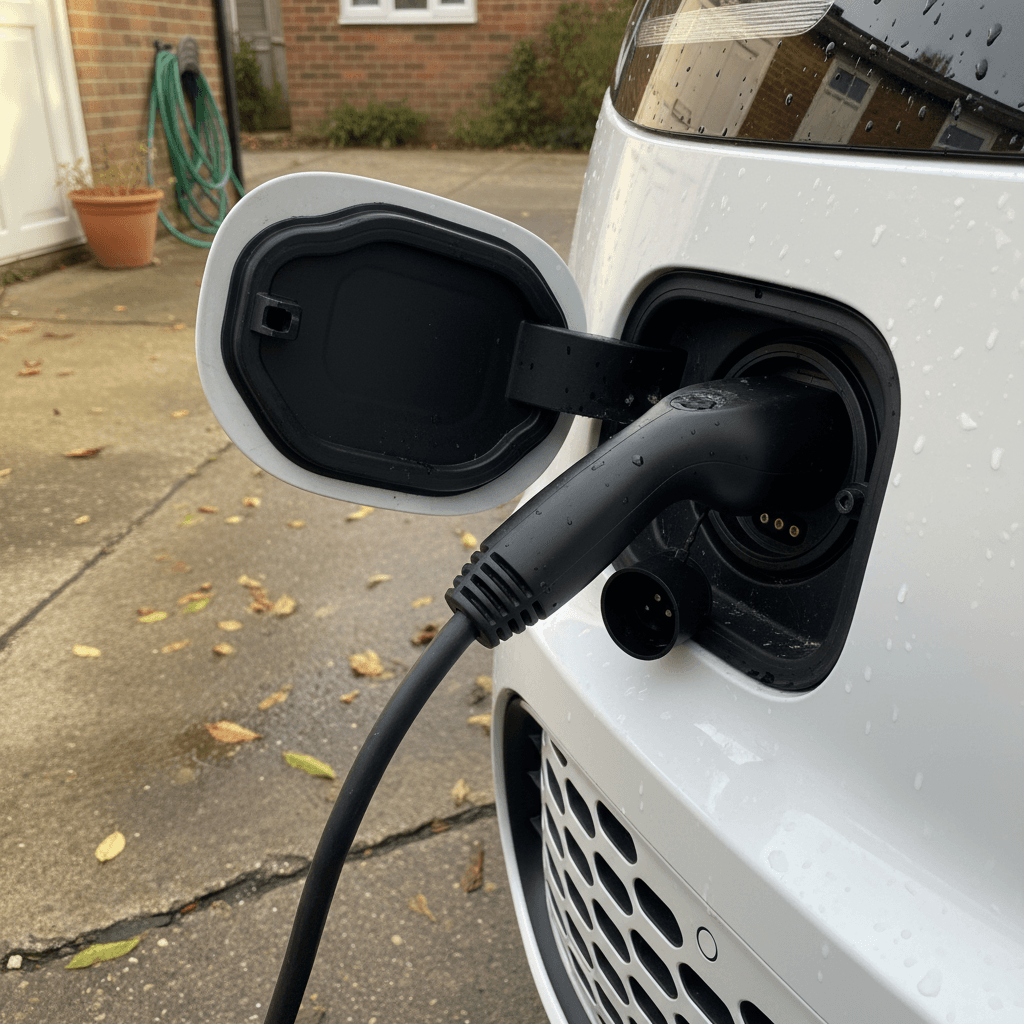
- Aim to keep the battery mostly between about 20% and 80% for everyday driving.
- Use a home Level 2 charger whenever possible instead of relying on DC fast charging.
- Avoid leaving the ID. Buzz sitting at 100% overnight unless you’re leaving early the next morning.
- Don’t routinely run the pack down into the single digits; plug in around 10–15% when practical.
- If you don’t drive much, schedule charging so it finishes close to your departure time.
Don’t obsess over perfection
Set up smarter home charging for your ID. Buzz
1. Use Level 2 when you can
A 240‑volt Level 2 charger at home lets you refill overnight at moderate speeds, which is easier on the pack than frequent DC fast charging and more convenient than slow Level 1.
2. Set a daily charge limit
In the ID. Buzz charging menu, set an everyday charging target, often around 70–80% is a good balance between convenience and battery health.
3. Schedule off‑peak charging
If your utility offers cheaper overnight rates, use the in‑car or wall‑box timer so the Buzz charges mostly when energy is less expensive and often cooler.
4. Match range to your routine
If you only drive 40–60 miles most days, there’s no need to start at 100% every morning. Lower your daily limit and only charge higher when you know you’ll need it.
Driving techniques that protect range and reduce stress on the pack
How you drive your Volkswagen ID. Buzz matters almost as much as how you charge it. Aggressive throttle inputs, high speeds, and constant heavy loads can all increase battery temperature and accelerate wear. The payoff for gentler habits is twofold: more miles per charge today and less degradation over time.
Four everyday habits that help your ID. Buzz battery
Simple adjustments that preserve range without turning you into a hypermiler
Smooth acceleration and braking
Electric torque makes it tempting to mash the pedal. Instead, roll into the throttle and look ahead so you can coast more and brake less. You’ll:
- Keep battery temps lower on hot days.
- Use more regenerative braking and less friction brake.
- See noticeably better efficiency on the highway.
Watch your speed
The ID. Buzz has the aerodynamics of a small brick. Above highway speeds, drag climbs fast and range drops. Try:
- Cruising a little below the fastest lane.
- Using adaptive cruise where it makes sense.
- Accepting that 70 mph is kinder than 80+ mph.
Plan around wind and hills
Headwinds and long climbs pull energy from the pack quickly. When possible:
- Build in extra buffer on windy days.
- Use regen modes on descents to recapture energy.
- Charge a bit higher before mountain drives.
Mind the weight on board
Fill the ID. Buzz with people, pets, and cargo, that’s why you bought it. But know:
- Roof boxes and bike racks increase drag.
- Permanent overloading stresses suspension and tires.
- Removing unused accessories helps efficiency.
Good news for city drivers
How to use DC fast charging in your ID. Buzz without hurting the battery
DC fast charging is one of the biggest perks of modern EV ownership. It’s also the one most likely to worry battery‑conscious drivers. Used thoughtfully, fast charging in the ID. Buzz is a valuable tool, not a liability.
Fast‑charging your ID. Buzz: do’s and don’ts
Use this quick comparison to build better habits on road trips or rare emergency charges.
| Situation | Better approach | What to avoid |
|---|---|---|
| Routine daily driving | Rely on home or workplace Level 2 | Fast‑charging multiple times per week just to save a few minutes |
| Road trip charging | Arrive around 10–20% and unplug around 60–80% | Sitting at a fast charger nursing the pack from 90–100% |
| Very hot days | Precondition the battery if available and don’t push back‑to‑back fast charges | Repeated high‑power sessions while towing or fully loaded |
| Very cold days | Expect slower charging and plan more time | Forcing maximum power when the battery is still near freezing |
| Long‑term storage | Store around 40–60% on AC power | Parking for weeks at very high or very low state of charge |
You don’t have to avoid fast charging, just use it where it makes sense.
Stacked stress is what hurts
Managing heat and cold in your ID. Buzz battery
Lithium‑ion batteries are like people: happiest in moderate temperatures. The ID. Buzz uses liquid cooling and heating to help, but your choices still matter, especially in very hot or very cold climates.
Protecting your ID. Buzz battery in extreme weather
Hot and cold strategies that don’t require a science degree
In hot weather
- Whenever possible, park in the shade or a garage.
- Avoid leaving the van at 100% in direct sun for hours.
- Use scheduled charging so it finishes near departure, not at midnight.
- Pre‑cool the cabin while plugged in so the battery system works on shore power, not the pack.
In cold weather
- Keep the Buzz plugged in when parked overnight.
- Pre‑heat the cabin while connected to power.
- Expect temporary range loss; this is different from permanent degradation.
- Avoid high‑speed, high‑power driving immediately after a cold soak if you can help it.
Thermal management is your ally
Smart ID. Buzz settings and features that help your battery
Volkswagen built several software tools into the ID. Buzz to help you charge more intelligently and keep the battery in its comfort zone. Taking a few minutes to configure them pays off every single day.
- Charging limits: Set a default maximum state of charge for daily use and only raise it before longer trips.
- Departure timers: Schedule when you plan to leave so the van finishes charging close to that time and can pre‑condition the cabin and battery while still plugged in.
- Location‑based profiles: If available, let the ID. Buzz remember different settings for home, work, or frequent chargers (limits, schedules, etc.).
- Range and efficiency displays: Keep an eye on your average consumption. If it spikes, look for causes, speed, roof boxes, tire pressure, or unusually heavy loads.
Pair settings with your charger
Long‑trip strategies: road‑tripping without roasting the pack
The ID. Buzz is tailor‑made for family road trips. Long days on the road do push the battery harder, but you can structure your stops so you’re spending more time stretching your legs and less time worrying about degradation.
Two road‑trip playbooks for your ID. Buzz
Family road trip with kids on board
Plan charging stops near food, bathrooms, and play areas so 20–40 minutes feels natural, not painful.
Aim to arrive at chargers with 10–25% remaining and unplug somewhere between 60–80% for the best balance of speed and battery care.
Use cabin pre‑conditioning while plugged in so the AC or heat doesn’t hammer the battery as soon as you leave.
Pack reasonably and keep the roof free of unused boxes or racks during highway legs to save energy.
Solo or business travel, longer daily mileage
Target steady, moderate highway speeds rather than racing between chargers.
If you must fast‑charge several times in a day, try to vary the state of charge window (for example, 15–70% first stop, 25–80% later).
If the pack or outside air is very hot, accept slightly slower charging instead of hunting for the absolute fastest power level.
Use the car’s navigation to route to compatible fast‑charging stations and monitor predicted arrival state of charge.
Think in stages, not full charges
Signs your ID. Buzz battery is degrading, and what to do
Some loss of usable capacity over the years is normal and expected. What you’re watching for is unusual or sudden changes in range or charging behavior that might hint at a problem.
- You’re routinely seeing much less estimated range at 100% than when the van was newer, even in similar temperatures and driving conditions.
- Fast‑charging curves have changed dramatically, for example, power now falls off very early in the session at relatively low state of charge.
- The ID. Buzz shows battery or high‑voltage system warning messages in the cluster or infotainment screen.
- Range has dropped noticeably even though your driving routes, speeds, and temperatures haven’t changed much.
When to get it checked
Buying a used ID. Buzz: how to check battery health
If you’re shopping for a used Volkswagen ID. Buzz, battery condition is one of the biggest unknowns, and one of the most important to understand up front. The right tools and questions can turn that unknown into a clear picture.
Battery‑smart checklist for a used ID. Buzz
1. Compare displayed range to original
Charge the van close to full and note the estimated range. Compare that to period road tests and EPA figures, adjusting for weather and driving style. A modest reduction is normal; an extreme drop deserves questions.
2. Review charging history if possible
Ask how the previous owner charged the van: mostly home Level 2, or constant DC fast charging? Regular fast‑charging and high‑mileage commercial use can add wear more quickly.
3. Look for warning lights or derating
During the test drive, check for any error messages, reduced‑power modes, or unusual behavior when accelerating or braking. These can be clues to deeper issues.
4. Get a professional battery health report
Whenever possible, have the battery evaluated with a specialized diagnostic like the <strong>Recharged Score</strong>, which measures real battery health instead of guessing from the dash readout.
How Recharged helps de‑risk a used ID. Buzz
Volkswagen ID. Buzz battery life FAQ
Frequently asked questions about ID. Buzz battery life
Key takeaways: building good habits for your ID. Buzz
You don’t need to turn battery care into a part‑time job to keep your Volkswagen ID. Buzz healthy. If you charge mostly on Level 2, avoid living at the extremes of 0% and 100%, keep speeds reasonable, and work with the van’s built‑in charging tools, you’re already ahead of the curve. Those habits will preserve both everyday range and long‑term value.
If you’re still shopping, or considering a used ID. Buzz, getting clear, verified battery data is just as important as checking tires and paint. That’s where tools like the Recharged Score Report, expert EV‑specialist support, and flexible financing come in. They’re designed to help you choose an electric van that fits your life today and still feels like a smart decision years down the road.