If you’re trying to figure out the **Virginia EV tax credit in 2026**, you’re not alone. Between federal clean-vehicle rules changing in late 2025 and Virginia lawmakers reshuffling state priorities, the landscape looks very different from the first wave of big EV incentives. The good news: you can still unlock meaningful savings on both new and used electric vehicles, especially if you understand how federal credits, utility rebates, and used-EV pricing all fit together.
First, a reality check for 2026
Virginia EV Tax Credit 2026: The Quick Overview
Virginia EV incentives and market in 2026 at a glance
- Virginia does **not** have an ongoing, statewide EV purchase tax credit in 2026. A previously authorized rebate program was never fully funded at scale and is effectively dormant.
- The big **federal new and used EV tax credits largely ended for purchases after September 30, 2025**, as part of broader federal tax changes, though some niche clean-vehicle provisions and legacy situations still exist.
- A separate **federal credit for EV charging equipment remains available through June 30, 2026**, which is especially important if you’re planning a home Level 2 charger.
- Practical savings for Virginians in 2026 now come from: competitive used‑EV pricing, remaining federal charger credits, **utility incentives** (such as Dominion Energy’s programs), and a patchwork of local grants and rebates.
Watch out for outdated advice
How We Got Here: Federal and Virginia EV Policy Timeline
To understand **Virginia EV incentives in 2026**, it helps to zoom out. Over the past few years, federal policy, state budgets and even lane‑access rules have all shifted, sometimes in opposite directions.
What this means for 2026 shoppers
Federal EV Tax Credits In 2026: What Still Exists
The federal landscape matters just as much in Richmond as it does in Denver or Dallas. Even though Congress pulled back on some clean‑vehicle subsidies, there are still a few moving pieces you should understand in 2026.
Federal clean‑vehicle incentives relevant to Virginians in 2026
What’s effectively gone, what lingers, and what to double‑check with a tax pro
New EV credits (Section 30D)
Most mainstream new‑EV credits ended for vehicles placed in service after September 30, 2025. If you ordered a car earlier and took delivery late, there are narrow transition rules, worth asking a tax professional about if you’re in that gray zone.
For vehicles first placed in service in 2026, you generally shouldn’t assume a federal purchase credit on a new EV unless a dealer or manufacturer can clearly document that a specific transitional rule applies.
Used EV credits (Section 25E)
The high‑profile federal used clean‑vehicle credit, up to $4,000 on qualifying used EVs, also **phased down sharply after September 30, 2025** as part of the broader tax package.
Some edge‑case transactions (for example, vehicles ordered or contracted earlier, or returns/amended filings for 2024–2025 purchases) may still touch Section 25E in 2026 filings, but you should not assume a fresh, full used‑EV credit on a 2026 purchase without professional advice.
Tax rules still matter
Even where credits still exist, household income caps, vehicle price caps, and documentation rules are tight. For 2026 purchases, think of federal EV credits as special‑case wins, not everyday discounts.
If a dealer promises you a credit, ask to see the IRS form they expect to use and make sure your purchase contract and delivery dates match those rules.
Bring your tax preparer into the conversation
Virginia State EV Incentives in 2026
At the state level, the story is simpler, if a bit disappointing for would‑be EV buyers. Virginia does not offer a major, active statewide EV purchase tax credit in 2026. But there are still a few points to understand.
Virginia statewide EV incentives, 2026 status
Where the commonwealth stands on direct EV tax relief this year.
| Program / Policy | Type | 2026 Status | What it means for you |
|---|---|---|---|
| State EV purchase rebate | Point-of-sale rebate or tax credit | Authorized several years ago but never funded at scale; effectively inactive by 2026. | Don’t expect a state‑issued rebate check or automatic dealer discount tied to a live Virginia EV rebate program. |
| State income-tax EV credit | Personal income tax credit for buying an EV | No broad, active statewide EV purchase income‑tax credit for 2026 returns. | Your Virginia Form 760 likely won’t show a dedicated EV purchase line the way some Western states do. |
| HOV lane access for EVs | Non-cash "perk" for solo EV drivers | Phased out for most solo EV drivers in Virginia as of October 2025. | Buying an EV now won’t earn you special lane access on I‑95 or other congested corridors. |
| Broad 2024–2026 tax relief | One-time rebates, higher standard deduction, EITC changes | The 2024–2026 budget leans on general tax relief rather than EV-specific incentives. | You may save on taxes overall, but there’s no separate, evergreen EV line item. |
Virginia’s focus has shifted from direct EV purchase rebates toward broader tax relief and utility‑driven programs.
State support is shifting upstream
Utility and Local EV Programs Virginians Can Use
With federal and state purchase credits pared back, utilities and local governments are filling some of the gap. These programs aren’t technically “tax credits,” but they put dollars back in your pocket, and they’re available to many Virginia drivers in 2026.
Where Virginians actually save on EVs in 2026
From Dominion Energy to county‑level grants
Dominion Energy EV Charger Rewards
Dominion Energy Virginia continues to run EV Charger Rewards and related off‑peak charging programs. Enroll an eligible Level 2 charger, agree to managed charging during peak events, and you may receive a one‑time enrollment incentive (historically around $125) plus small ongoing bill credits when Dominion briefly throttles or shifts your charging.
These aren’t tax credits, you’ll see the benefit on your power bill, but they can easily cover a few months of home charging costs.
Dominion Residential Charger Program
Launched in late 2024, Dominion’s turnkey Residential Charger Program helps homeowners get a Level 2 charger installed with simplified financing and on‑bill payments. It’s effectively a make‑ready and equipment‑financing program wrapped into your electric bill.
You won’t get a separate tax credit from the state, but you may be able to pair this with the federal **home‑charger tax credit** that runs through June 30, 2026.
Local grants and pilots
Several localities, Fairfax County is a prominent example, offer grants or technical help to HOAs, multifamily properties and workplaces through programs like Charge Up Fairfax. These can cover part of the cost to install shared Level 2 chargers.
If you live in a condo or townhouse community, check with your HOA or property manager; the incentive often flows through the property, not directly to individual drivers.
Don’t overlook “small” incentives
EV Charger Tax Credits Through June 2026
One of the most important, and most overlooked, pieces of the 2026 puzzle is the EV charger credit. While Congress moved quickly to wind down many vehicle purchase subsidies, it left more runway for charging infrastructure.
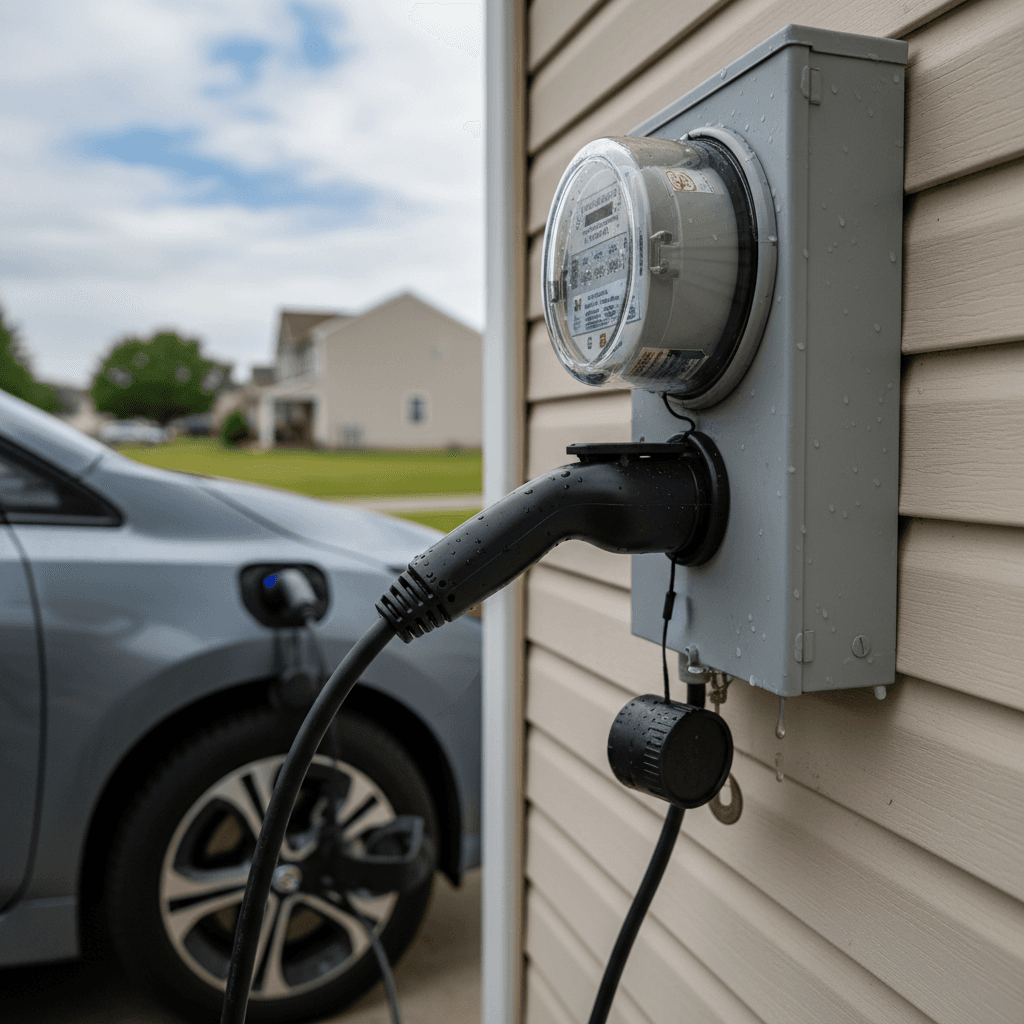
Federal EV charger tax credit, as it applies in 2026
High‑level snapshot of how the remaining charger credit works going into its June 30, 2026 sunset.
| Topic | Homeowners (residential) | Commercial / multi-unit properties |
|---|---|---|
| What’s covered? | Qualified EV charging equipment (Level 2 or higher) and, in some cases, installation costs at your primary residence. | Charging stations and make‑ready work at businesses, apartment complexes and other eligible commercial sites. |
| Where is it available? | Nationwide, including Virginia, for property placed in service on or before June 30, 2026. | Nationwide, but often targeted to certain census tracts or non‑urban areas, check IRS and Treasury maps. |
| How it’s claimed | As a **federal income‑tax credit** on your personal return using the latest IRS form for alternative‑fuel refueling property. | As a business energy credit, usually on the entity’s federal tax return. |
| Sunset date | Applies to qualifying property placed in service through **June 30, 2026**. After that, the credit disappears unless Congress renews it. | Same June 30, 2026 sunset for qualifying commercial installations. |
Always confirm specific IRS forms and percentages with a tax professional, as details can shift with new guidance.
Timing matters for charger credits
How 2026 Tax Changes Affect Used EV Buyers
If you’re shopping the used market, 2026 is a very different game than 2023 or 2024. The now‑famous **used clean‑vehicle tax credit** helped fuel demand for certain models; with that credit mostly in the rear‑view mirror after September 30, 2025, pricing dynamics have shifted.
The upside: Softer used‑EV prices
When tax credits disappear, sellers lose some pricing power. In 2026, Virginia shoppers are seeing:
- Deeper discounts on 3–5‑year‑old EVs as off‑lease volume grows.
- More inventory from early adopters trading into newer, longer‑range models.
- Less of a price gap between EVs that once qualified for credits and those that never did.
For many households, that translates to real‑world savings that rival or beat the old tax credit, especially when you factor in lower fuel and maintenance costs.
The trade‑off: Fewer clean tax wins
On the flip side, you’re unlikely to get a fresh, federal used‑EV credit on a car you buy in 2026. That changes how you shop:
- There’s less benefit to chasing very specific VINs or trim levels just for tax reasons.
- You should focus more on battery health, history and price than on tax‑code nuances.
- If a dealer still advertises a federal used‑EV credit in 2026, ask exactly which rule they believe applies and have your tax professional verify it.
Why battery health matters more than tax codes now
How to Stack Incentives on a Used EV in Virginia
So what does a smart 2026 playbook look like for a Virginia driver who wants to go electric without overpaying? It’s less about chasing a single massive tax credit and more about assembling a stack of smaller, reliable savings.
Step-by-step: Building your 2026 Virginia EV savings stack
1. Start with the used‑EV price, not a hypothetical credit
Negotiate the vehicle as if no purchase credits exist. In 2026, market fundamentals, miles, model, battery health, and used‑EV supply, drive pricing far more than tax perks.
2. Verify any lingering federal eligibility
If a dealer or seller claims your 2026 purchase still qualifies for a federal new or used EV credit, ask for documentation: IRS form numbers, placement‑in‑service dates and where in the code they believe you qualify. Then run that past a tax professional before you sign.
3. Max out the home-charger opportunity before June 30, 2026
If you own your home and can install a Level 2 charger, plan the project so the equipment is placed in service by June 30, 2026. That’s your clearest remaining federal tax win.
4. Layer in Dominion Energy programs
Check Dominion’s EV programs page to see if you can enroll a home charger in EV Charger Rewards or use the Residential Charger Program for installation and financing. Those bill credits and streamlined installs lower your real operating cost.
5. Look for local help in Northern Virginia and Hampton Roads
Counties like Fairfax and regions such as Hampton Roads have been especially active with EV‑readiness and charger‑grant programs. Even if funds don’t flow directly to you, they can translate into better workplace or multifamily charging where you live.
6. Use tools that expose battery health and fair pricing
When you shop with Recharged, every used EV comes with a <strong>Recharged Score Report</strong> that verifies battery health and benchmarks pricing against the market. That transparency helps you lock in long‑term savings that dwarf any expiring credit.
Where Recharged fits in for Virginia shoppers
Ready to find your next EV?
Browse VehiclesCommon Pitfalls Virginians Hit With EV Tax Credits
- Relying on outdated 2022–2024 blog posts. If the guidance you’re reading doesn’t mention the 2025 tax package or the June 30, 2026 sunset for charger credits, assume it’s incomplete.
- Counting on a credit you can’t actually use. Even before the phase‑outs, many households ran into income caps or owed too little tax to use the full amount. That’s even more of a risk when credits are constrained or transitional.
- Missing the "placed in service" deadline. For the charger credit, signing a contract in May 2026 doesn’t help if the utility and electrician don’t energize the unit until July.
- Ignoring total cost of ownership. A slightly smaller purchase incentive on a very efficient, low‑maintenance EV often beats a bigger credit on a thirsty, expensive‑to‑insure hybrid or performance model.
- Not coordinating lender, dealer and tax prep. If you’re financing through a third party and buying from a dealer that still talks about credits, make sure everyone agrees on what, if anything, will show up on your tax return.
Never sign a contract based solely on a verbal tax promise
Virginia EV Tax Credit 2026: FAQ
Frequently asked questions about Virginia EV tax credits in 2026
Bottom Line for Virginia EV Shoppers in 2026
Virginia’s EV incentive story in 2026 is less about splashy tax credits and more about quiet, durable economics. The big federal new and used EV credits have mostly wound down, and the statewide rebate Virginia once envisioned never really materialized. But that doesn’t mean going electric stopped making financial sense. It just means your savings are coming from lower used‑EV prices, the last leg of the federal charger credit, and a patchwork of utility and local programs, especially if you plan ahead before June 30, 2026.
If you’re shopping for an EV in Virginia this year, focus on what you can control: **battery health, purchase price, home‑charging costs and ownership horizon**. Use trusted tools and marketplaces like Recharged to verify the condition and value of a used EV, and then stack whatever federal, utility and local incentives remain instead of chasing a single, disappearing tax credit. Done right, you can still end up with an EV that’s cheaper to own than a comparable gas car, no matter what happens in Richmond or Washington.