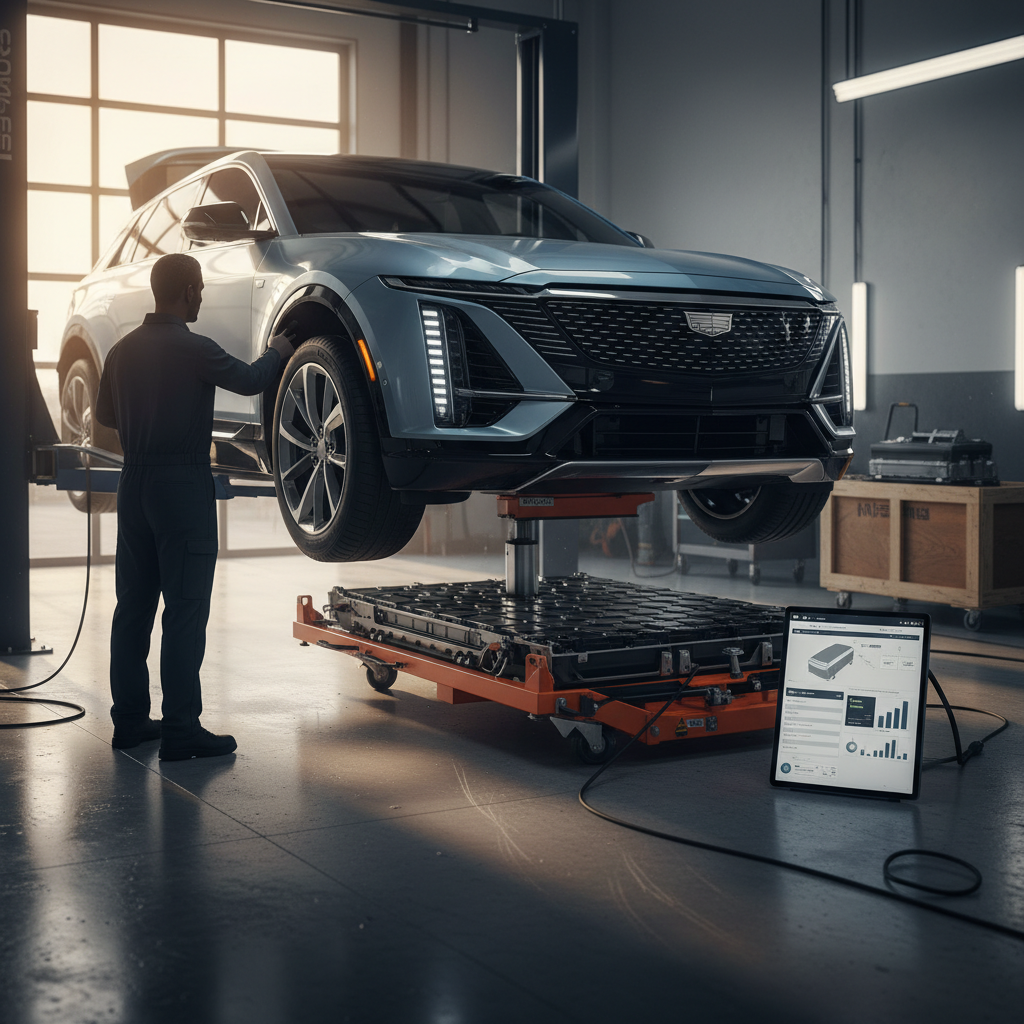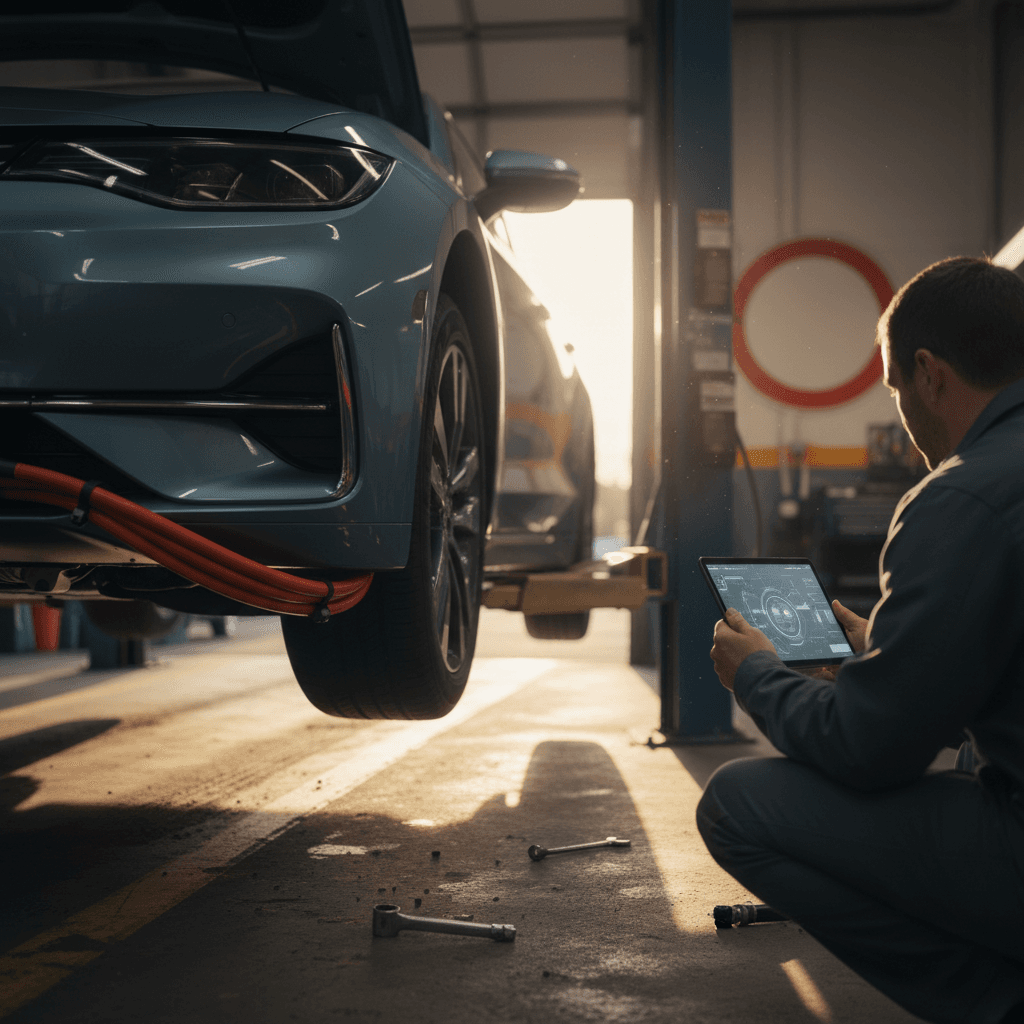
If you drive an electric car in Virginia, you still have to play by the state’s inspection rules, but not always in the way gas drivers do. Virginia’s electric car inspection requirements split into two buckets: the annual safety inspection that every car faces, and the regional emissions testing program that mostly skips pure EVs. Knowing which rules apply to your car, and your ZIP code, can save you money, hassle, and some nasty surprises at registration time.
Quick Answer
Overview: How Virginia Treats Electric Car Inspections
Virginia doesn’t give electric vehicles a free pass when it comes to basic road safety. An EV with bald tires or bad brakes is just as dangerous as a gas car. That’s why every passenger vehicle registered in Virginia, gas, hybrid, or electric, falls under the state’s annual safety inspection law. What does change for EVs is how Virginia handles emissions testing, especially in Northern Virginia’s smog-check counties.
Virginia EV Ownership & Inspection Landscape
Don’t Confuse Safety with Emissions
Do Electric Cars Need Safety Inspections in Virginia?
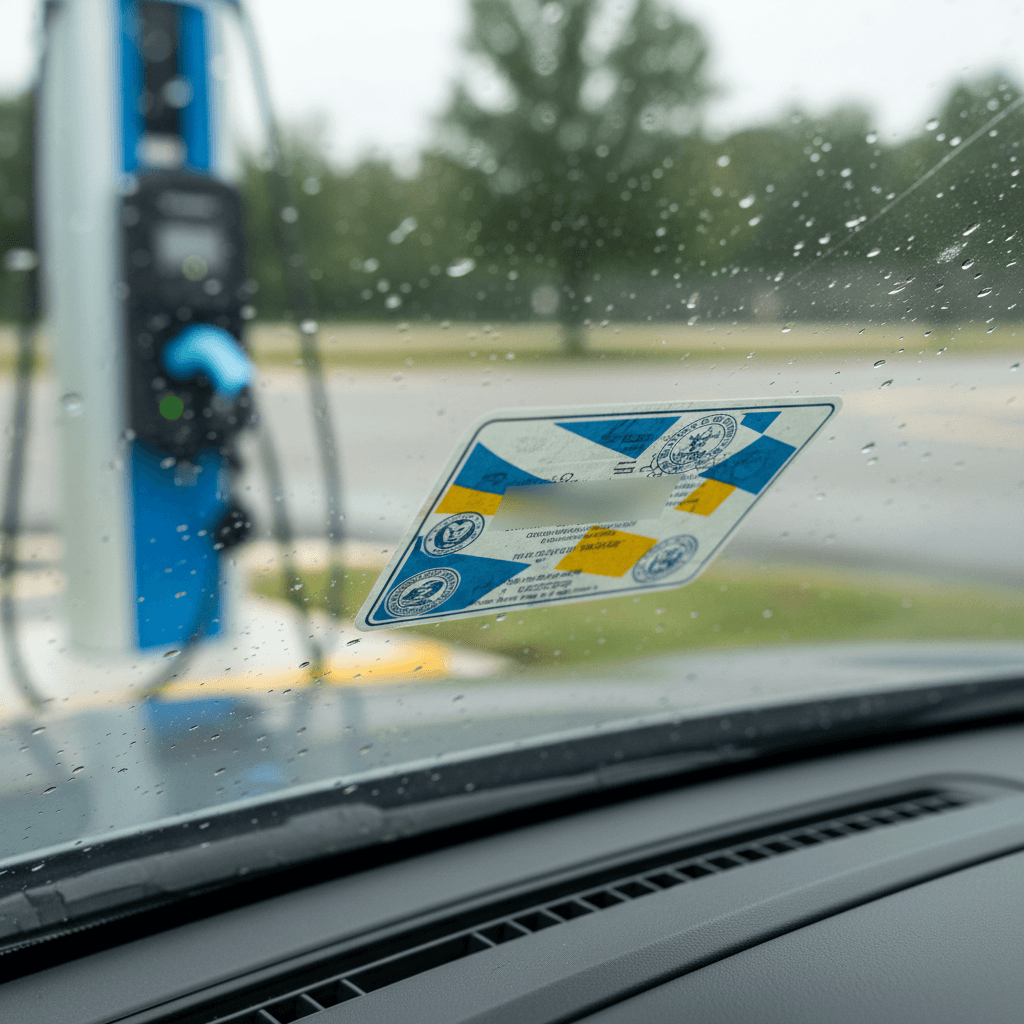
Yes. All standard passenger vehicles in Virginia must have a valid annual safety inspection, and that includes your Tesla, Chevy Bolt, Hyundai IONIQ 5, or any other electric car. The inspection is overseen by the Virginia State Police and is documented with a colored windshield sticker that changes year to year.
- Inspections are required once every 12 months for most vehicles, including EVs.
- You must display a current Virginia safety inspection sticker on the windshield (or follow alternative placement rules for vehicles without a traditional windshield area).
- New cars sold in Virginia are usually inspected by the dealer before delivery; that first inspection is valid for up to 12 months from purchase.
- Driving without a valid inspection sticker can lead to tickets, fines, and registration problems.
New EV? Don’t Panic if You Don’t See a Sticker Yet
Do Electric Cars Need Emissions Tests in Virginia?
This is where EVs get a break. Battery‑electric vehicles are exempt from Virginia’s tailpipe emissions inspections, even in Northern Virginia’s emissions zones. They simply don’t produce exhaust, so there’s nothing to test.
Electric Vehicles (Battery‑Electric)
- No emissions test required, anywhere in Virginia.
- Still may see a small annual emissions program fee on registration if you’re garaged in an emissions area.
- No need to line up at an emissions station or pass a roadside RAPIDPASS unit.
Gas & Diesel Vehicles
- In certain Northern Virginia localities, must pass an emissions test every two years.
- Can use either an emissions station or RAPIDPASS roadside testing where available.
- Failure can block your ability to renew registration until the issue is fixed or waived.
What About Hybrids and Plug‑In Hybrids?
Where You Live Matters: Northern Virginia vs. the Rest of the State
Virginia’s emissions program covers specific Northern Virginia localities, but the safety inspection requirement is statewide. Whether you’re in Roanoke, Richmond, or Reston, your EV needs that annual safety sticker. What changes in Northern Virginia is the added layer of emissions rules that apply primarily to gasoline and many diesel vehicles.
Inspection Rules by Region for EV Owners
Same safety expectations everywhere, different emissions landscape for gas cars
Most of Virginia (Outside Northern Virginia)
- Annual safety inspection required for your EV.
- No emissions testing for any vehicles, only safety.
- Registration renewals focus on safety compliance and taxes/fees.
Northern Virginia Emissions Localities
- Annual safety inspection still required for EVs.
- Most gas vehicles must also pass a biennial emissions test.
- Battery‑electric cars remain exempt from emissions testing, but you may see a small emissions‑program fee on your registration.
Garage Address Drives the Rules
What Gets Checked on a Virginia EV Safety Inspection
When you pull your electric car into a licensed inspection station, the technician isn’t just glancing at your tires and slapping on a sticker. Virginia’s safety inspection checklist is detailed, and while it doesn’t include an oil leak check for obvious reasons, it still scrutinizes the same core safety items your neighbors’ gas cars face.
Typical Items Checked During a Virginia EV Safety Inspection
Exact items can vary slightly by vehicle type, but this covers what most electric car owners can expect.
| System | Examples of What’s Inspected | Why It Matters |
|---|---|---|
| Brakes | Pads, rotors, parking brake operation, brake lights | EVs are heavy; healthy brakes are critical for stopping power. |
| Tires & Wheels | Tread depth, sidewall condition, wheel damage | Poor tires mean longer stopping distances, especially in rain. |
| Steering & Suspension | Steering play, shocks/struts, ball joints | Keeps the car stable and predictable at highway speeds. |
| Lights & Signals | Headlights, brake lights, turn signals, hazards | Lets you see, and be seen, day or night. |
| Glass & Wipers | Windshield cracks, wiper blades, defrosters | Clear visibility in bad weather is non‑negotiable. |
| Seat Belts & Airbags | Presence and basic function checks | Your last line of defense in a crash. |
| Horn & Mirrors | Audible horn, mirror condition and adjustment | Helps you communicate and maintain situational awareness. |
| Parking Brake | Engagement and holding ability | Essential on hills, especially with heavy EV curb weights. |
| Structural & Misc. | Frame rust, bumpers, fuel system (or high‑voltage labels), VIN tags | Ensures the car’s basic structure and identification are intact. |
Remember, inspectors are focused on safety systems, not your battery’s remaining range.
High Voltage = Hands Off for DIY Repairs
Inspection Costs and Timing for Virginia EV Owners
The good news is that inspection costs for electric cars are broadly similar to gasoline vehicles. You’re mainly paying for the technician’s time and the station’s certification, not for any special EV‑only procedures.
- Safety inspection: Stations can charge a regulated fee for the annual safety inspection. Many shops post the price near the service counter.
- Emissions inspection (gas/diesel only in Northern Virginia): There’s a maximum fee set by the state for emissions testing, whether you use a traditional station or a RAPIDPASS roadside test.
- Registration timing: It’s smart to get your safety inspection handled a few weeks before your registration expires so there’s time to fix any issues.
Line Up Your Inspection with Other Maintenance
Buying a Used EV in Virginia: Inspection and Battery Health
A valid inspection sticker tells you the car met Virginia’s minimum safety standards on the day it was inspected. It does not tell you whether the battery is healthy, whether the price is fair, or how the car was treated over its previous life. That gap is exactly where shoppers sometimes get burned on used EVs.
What the State Inspection Tells You
- Brakes and tires met minimum standards.
- Lights, wipers, horn, and basic safety systems functioned correctly.
- No glaring structural or safety issues were found that day.
- The car was legally cleared to be on Virginia roads for 12 months.
What the State Inspection Does Not Tell You
- How much usable range the battery has lost over time.
- Whether the vehicle was fast‑charged constantly or driven gently.
- If the asking price reflects its true battery health and market value.
- Whether hidden issues are waiting to surprise you six months after purchase.
How Recharged Fills the Gaps
Ready to find your next EV?
Browse VehiclesChecklist: Before You Buy or Register an EV in Virginia
Virginia EV Inspection & Ownership Checklist
1. Confirm the Safety Inspection Status
Look for a valid Virginia safety inspection sticker and note the expiration month and year. If the car was just purchased new, make sure you have purchase documents that show when the first inspection counts from.
2. Check for Obvious Safety Wear
Even if it has a sticker, inspect tires, brakes, windshield, and lights yourself. A car can pass with minimum tread; that doesn’t mean it’s ready for a long road trip.
3. Understand Your Local Rules
Find out whether your garage address is in a Northern Virginia emissions locality. Even though your EV is emissions‑exempt, this can affect fees and how DMV processes your registration.
4. Get a Real EV Health Report
For a used EV, look beyond the state inspection. Ask for battery health data, charging history, and any EV‑specific service records. Recharged’s Score Report packages this into one clear picture.
5. Plan for Annual Inspection Visits
Mark a reminder on your calendar roughly a month before the inspection sticker expires. That gives you time to schedule service and handle any repairs without scrambling.
6. Budget for Repairs, Not Just the Sticker
The inspection fee is the cheap part. If the technician finds worn tires or weak brakes, common on heavy EVs, you’ll want some money set aside to fix things properly.
Virginia EV Inspection FAQ
Frequently Asked Questions About Virginia EV Inspections
Key Takeaways for Virginia EV Drivers
Owning an electric car in Virginia doesn’t exempt you from inspection lines, it simply changes which lines you stand in. You’ll visit a licensed station once a year for a safety inspection just like everyone else, but you can skip the emissions bay if you drive a pure EV. Where you live influences emissions rules and fees, but not your basic obligation to keep the car mechanically safe.
If you’re shopping for a used electric car, don’t let a fresh inspection sticker lull you into thinking it’s automatically a great buy. Combine Virginia’s required safety inspection with independent battery health data, a fair‑market price review, and EV‑savvy guidance. That’s exactly what Recharged was built to deliver, so you can register your next EV in Virginia with confidence that it’s legal, safe, and ready to go the distance.