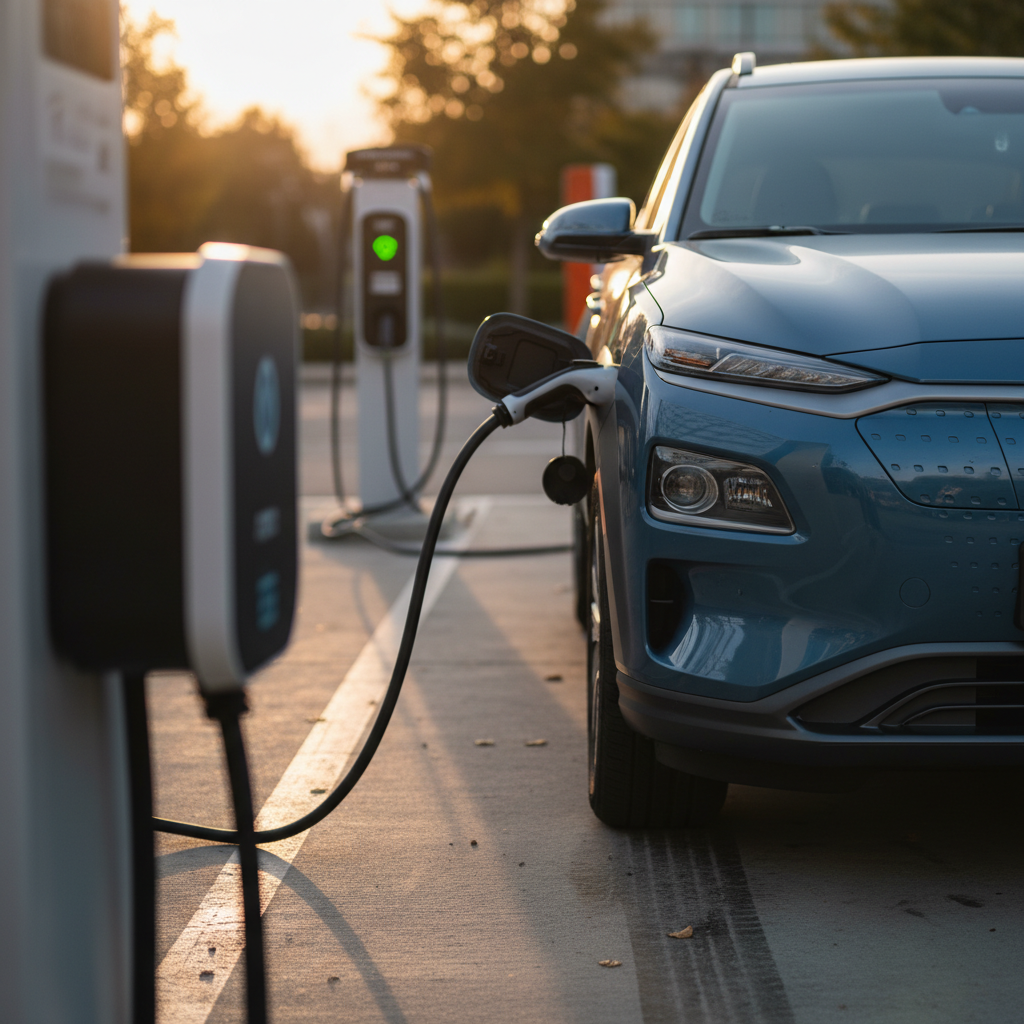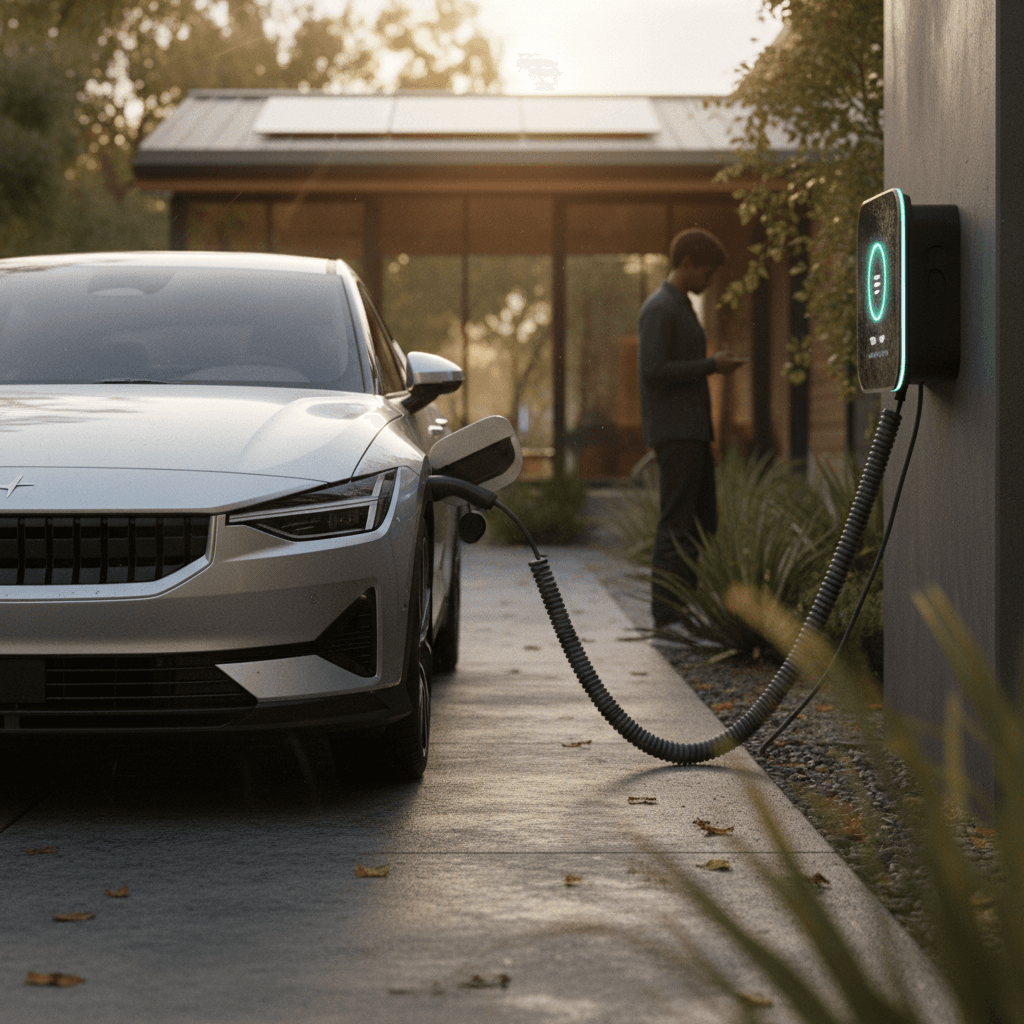
When people talk about “using electric”, they usually mean living with an electric vehicle (EV) day in, day out, commuting, running errands, road‑tripping, and charging without stress. If you’re trying to decide whether an EV fits your life, or you’ve just bought one, understanding how to use electric power smartly will make the difference between range anxiety and relaxed, low‑cost driving.
What this guide covers
How “using electric” changes daily driving
If you’re coming from a gas car, the biggest shift in using electric is mindset. You don’t wait until empty and then “fill up” once a week. Instead, you treat energy like your phone battery, top up often, mostly at home, and lean on fast charging only when you actually need it.
The biggest day‑to‑day differences with using electric
What changes, and what surprisingly stays the same
Refueling habits
You’ll plug in overnight instead of visiting gas stations. Most drivers wake up each morning with 60–90% charge, which easily covers typical daily miles.
Performance feel
Electric torque is instant. Around town, using an electric car feels smoother and quicker from a stop than many gas models, even if you’re not in a performance EV.
Noise & comfort
EVs are quiet. Less engine noise makes commuting and city driving more relaxed, but also means you’ll rely more on mirrors and cameras at low speeds to spot pedestrians and cyclists.
Set a daily charge limit
The real cost of using an electric car
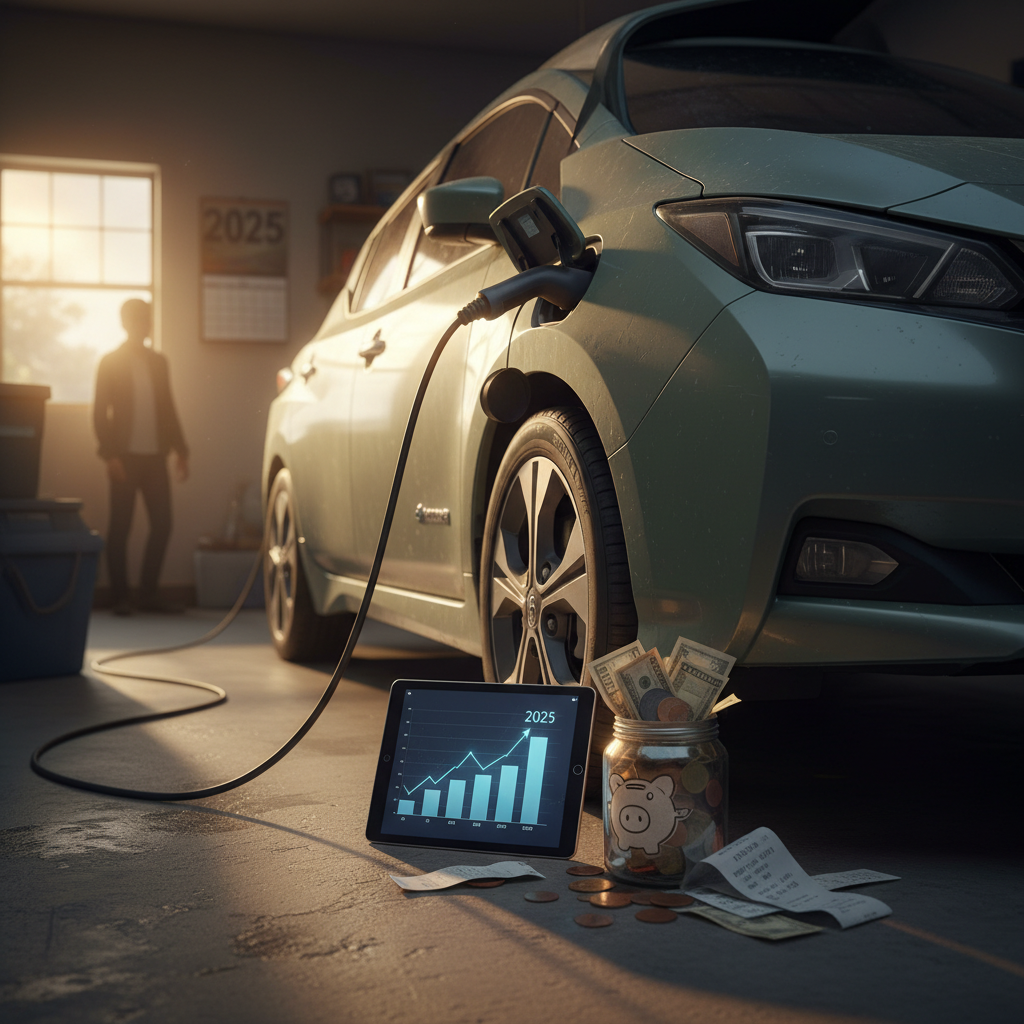
There’s a lot of noise about whether using electric is cheaper than gas. In 2025, the honest answer is: operating an EV is usually cheaper per mile, but total ownership cost can be higher for brand‑new models because of purchase price, insurance, and depreciation. Buying used can flip that equation in your favor.
Using electric vs gas: what it costs to drive
For most households, the math breaks down like this: you’ll likely spend less each month on energy and maintenance when using electric, while your monthly payment and insurance might be higher if you buy new. That’s why the used EV market is getting so interesting, lower purchase prices plus lower running costs can make the total monthly outlay very competitive.
Public fast charging can erase savings
Using electric at home: how to charge smart
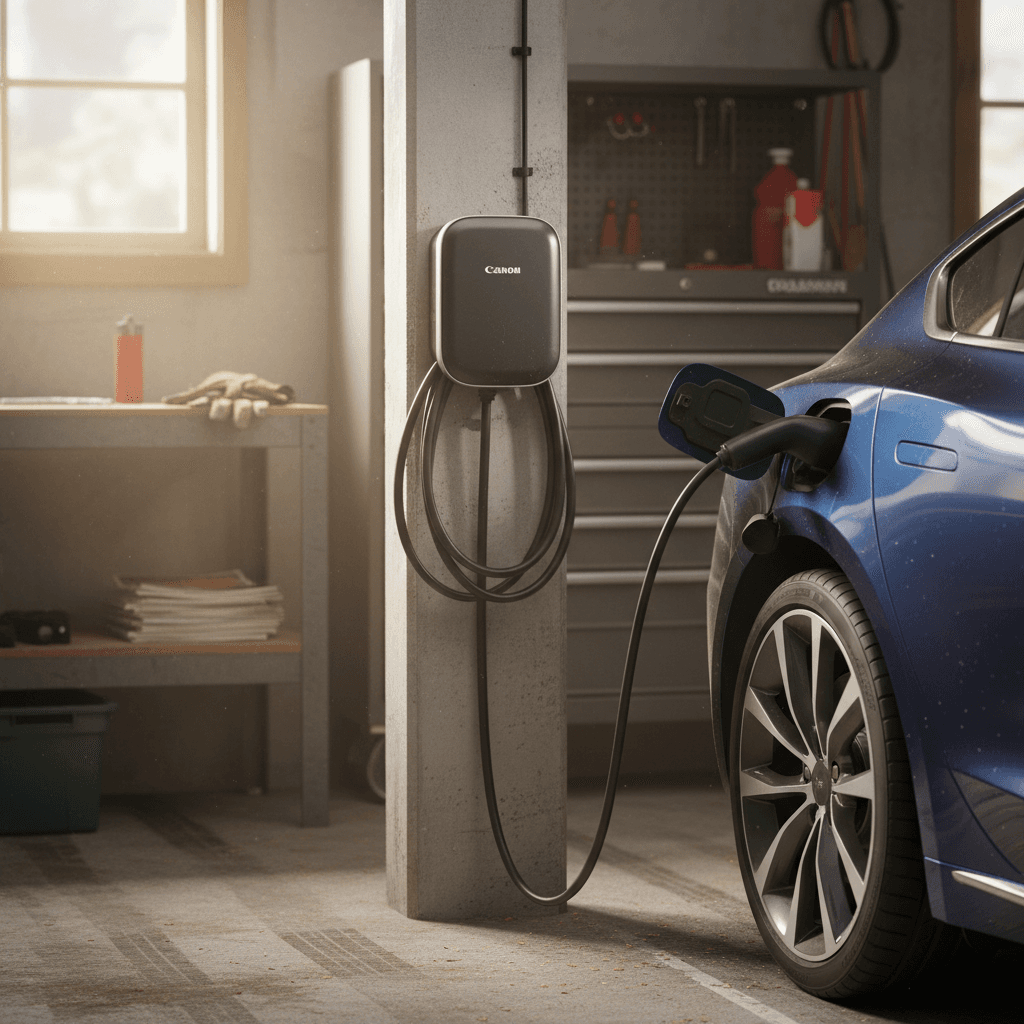
Home charging is the backbone of using electric vehicles comfortably. The simpler your home setup, the less you think about range, and the more your EV just feels like an appliance that always has energy when you need it.
Home charging checklist for new EV drivers
1. Confirm your outlet options
Level 1 (a standard 120V outlet) adds only a few miles of range per hour, fine for very short commutes. A 240V circuit (like a dryer outlet) enables Level 2 charging, adding 20–40+ miles of range per hour and is ideal for most drivers.
2. Decide between portable and wall‑mounted
Many owners start by using the portable charger included with the car on a 240V outlet. A dedicated wall‑mounted Level 2 station adds convenience, cable management, and often smarter scheduling features.
3. Use scheduled or off‑peak charging
Most EVs and smart chargers can delay charging to off‑peak utility hours. That’s usually the cheapest way to use electric at home and reduces strain on the grid.
4. Set a sensible daily limit
In your car or app, set a daily limit around 80%. That still covers typical daily miles with healthy buffer while easing long‑term battery stress.
5. Weather‑proof your setup
Outdoor‑rated chargers and proper cable routing reduce tripping hazards and weather-related wear. If you rent, talk to your landlord or HOA early about safe, code‑compliant options.
Installation cost reality check
Using public and fast charging without headaches
When people worry about using electric vehicles, they’re usually thinking about public charging. In practice, most charging still happens at home, but knowing how to use public and fast chargers makes longer days and road trips much easier.
Level 2 public charging
These are the chargers you’ll see at grocery stores, parking garages, and offices. They’re similar in speed to a home Level 2 setup.
- Best for: topping up while you’re parked anyway
- Typical session: 1–3 hours while you work, shop, or dine
- Cost: often cheaper than fast charging, sometimes free
DC fast charging
These high‑power chargers are the closest thing to a gas station experience, adding significant range in 20–40 minutes depending on your car.
- Best for: road trips and emergency top‑ups
- Typical session: 15–45 minutes, depending on how low you arrive
- Cost: per kWh or per minute; usually more expensive than home charging
Plan around what you’re already doing
Public charging etiquette when using electric
Good manners keep the limited public charging you share with other EV drivers running smoothly.
| Situation | Best practice | Why it matters |
|---|---|---|
| Arriving nearly full | Leave fast chargers for people who truly need them | Fast chargers are a limited resource; use them for real range needs. |
| Finished charging | Move your car promptly | Prevents idle fees and keeps chargers available. |
| Charging beyond 80% | Avoid sitting on a fast charger to 100% | Charging slows dramatically after ~80%, tying up the station. |
| Sharing a crowded station | Skip parking in EV spots if you aren’t charging | EV spaces are for active charging, not preferred parking. |
| Damaged equipment | Report issues via app or station phone number | Helps networks maintain reliability for everyone. |
Follow these basics and you’ll avoid most conflicts and idle fees.
Maximizing range in everyday use
Range anxiety usually fades once you see how predictably your car behaves. The key to using electric confidently is understanding what eats range and what barely moves the needle.
- Speed: Driving 75–80 mph on the highway can noticeably cut range compared with cruising at 60–70 mph.
- Temperature: Very hot or cold weather forces the battery and cabin to work harder. Preconditioning while plugged in helps a lot.
- Acceleration: Hard launches are fun but energy‑hungry. Smooth acceleration and using eco modes extend range.
- Tires & load: Under‑inflated tires and heavy cargo increase energy use, just like in a gas car.
Use your trip computer
Battery health: using your EV for the long haul
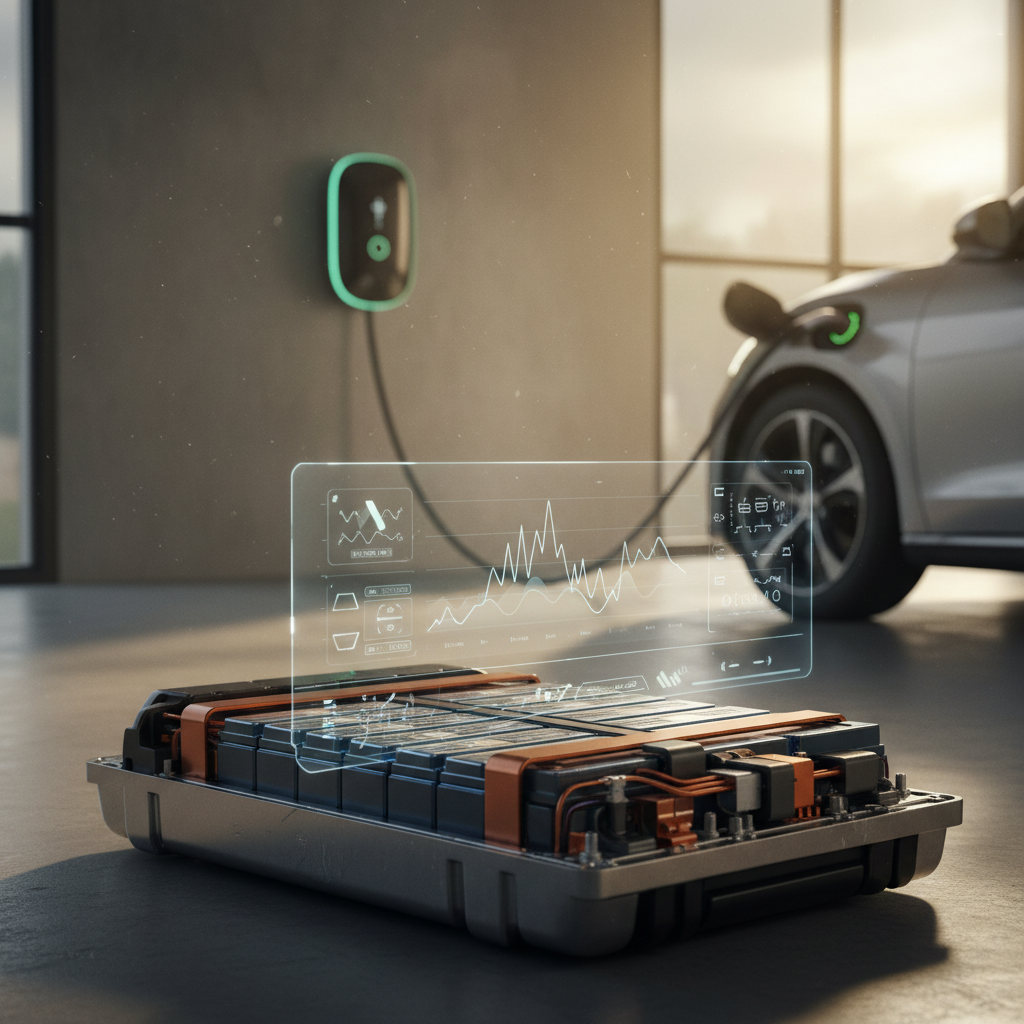
Using electric over many years is all about taking care of the battery. Good habits can keep degradation modest so your real‑world range stays close to what you had when the car was newer.
Everyday habits that protect EV battery health
Avoid living at 0% or 100%
Occasional deep discharges or full charges are fine, but don’t park the car at very low or very high state of charge for days at a time.
Use scheduled charging
If your EV lets you, finish charging shortly before departure instead of hitting 100% and then sitting full for hours, especially in hot weather.
Keep things cool when you can
Extreme heat is tough on batteries. Parking in the shade or a garage and avoiding repeated back‑to‑back fast charges in hot weather all help.
Fast‑charge when it makes sense
It’s okay to use DC fast charging when you need it. Over time, relying mostly on Level 2 and using fast charging strategically is a good compromise.
Monitor long‑term range
Every year or so, note how much range you get at a set state of charge. That’s a simple way to track battery health over time.
Used EVs and battery reports
Using electric on road trips
The biggest test of using electric is the first genuine road trip. With a little planning, it’s very doable, and often more relaxing because your breaks are built into the trip instead of being skipped or rushed.
Before you leave
- Plan your route in an EV‑aware app or your vehicle’s built‑in planner.
- Start the day at 90–100% if you’re leaving town.
- Identify 1–2 backup fast‑charge stops in case your first choice is busy or down.
On the road
- Arrive at fast chargers with 10–30% battery for the quickest charging.
- Charge mostly from ~10% to 60–80%; the last 20% is slow.
- Use charging breaks for meals and rest instead of “extra stops.”
Know your connectors and networks
Using electric and buying used: what to look for
If you’re primarily interested in using electric to lower your running costs, a used EV can be compelling: you avoid the steepest early depreciation while still benefiting from cheaper energy and maintenance. But you do need to pay closer attention to how the previous owner used the car.
Usage clues that matter on a used EV
What past owners’ habits can tell you
Battery health metrics
Look for state‑of‑health readings, typical range at a given charge level, and whether the car has had any battery‑related repairs or recalls.
Mileage vs age
High mileage isn’t always bad if most miles were highway and charging was mostly at home. Very low mileage can sometimes hide lots of short, cold trips that are harder on efficiency.
Charging pattern
Cars that lived mostly on gentle home charging usually fare better than those fast‑charged daily. Any professional battery report that captures this history is a big plus.
How Recharged helps
Ready to find your next EV?
Browse VehiclesQuick checklist for used EV shoppers
Confirm real‑world range
Take a long test drive or review data from recent trips to see whether the range fits your commute and worst‑case winter days.
Inspect charging hardware
Check that the home or portable charger is included, cables are in good shape, and the charge port operates smoothly.
Review software & service history
Look for completed recalls, battery‑related service bulletins, and whether key software updates (especially for charging and battery management) have been applied.
Ask about charging patterns
If possible, learn whether the car was mostly home‑charged, frequently fast‑charged, or sat unused for long stretches, these details matter more with EVs than with gas cars.
FAQ: common questions about using electric vehicles
Frequently asked questions about using electric
Key takeaways for using electric every day
Using electric doesn’t have to be complicated. When you build your routine around home charging, moderate daily charge levels, and thoughtful trip planning, an EV becomes one of the easiest kinds of vehicles to live with, quiet, quick, and cheap to run.
If you’re exploring a move to electric, especially in the used market, focus on how you plan to use the car: your commute, access to home or workplace charging, and your typical trips. Then match those needs to an EV whose range, charging speed, and battery health fit your life. Recharged is built to make that easier, from verified battery diagnostics and fair pricing to expert support that helps you understand exactly what using electric will look like for you.