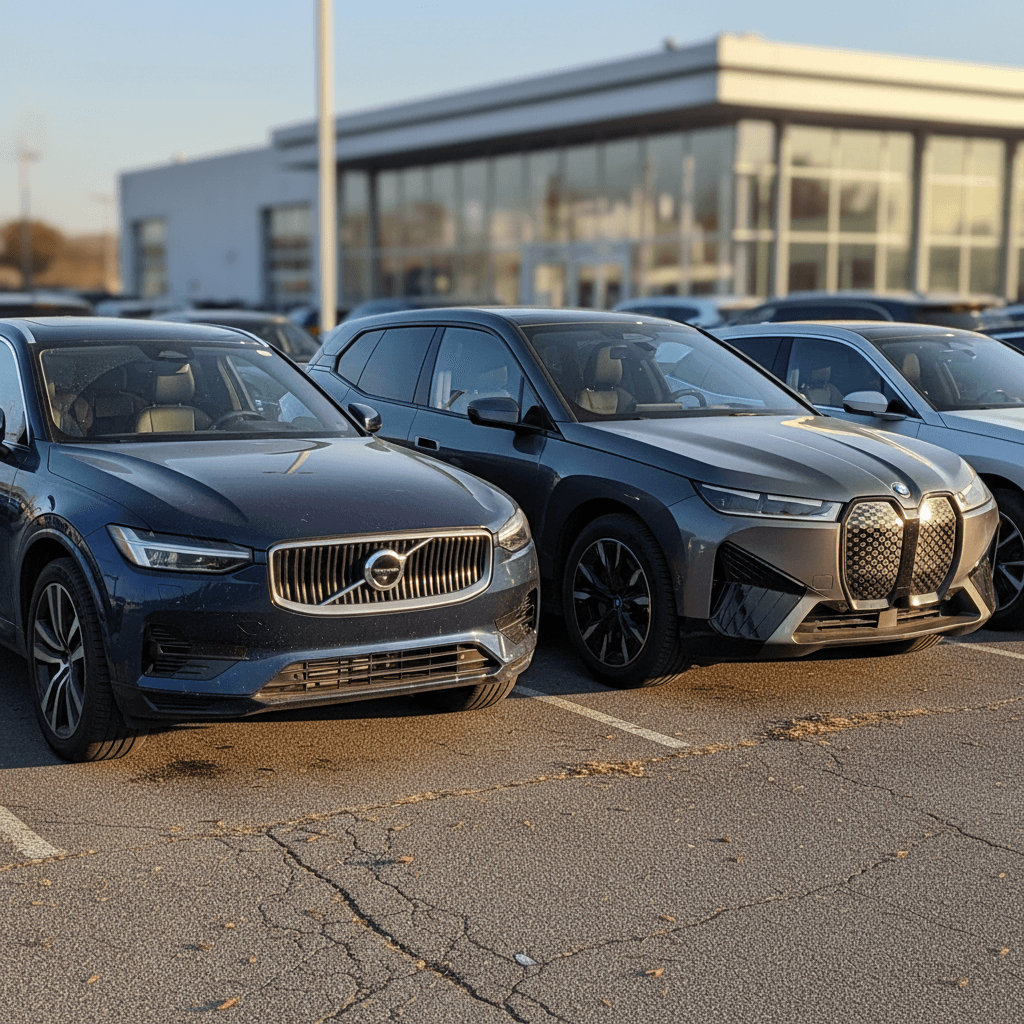
If you’re shopping the used market in 2026 for a **luxury electric SUV**, the two names that keep popping up are the Volvo EX90 and the BMW iX. This used Volvo EX90 vs BMW iX comparison focuses on what really matters now that early examples are hitting used lots: real-world range, charging speeds, comfort, safety tech, and long‑term ownership costs.
What this guide covers
Overview: Used Volvo EX90 vs BMW iX in 2026
Volvo EX90 (2025–2026)
- All‑electric, three-row luxury SUV replacing the XC90 Twin Engine.
- Dual‑motor AWD only, 402–510 hp depending on trim.
- ~300–310 miles estimated EPA range from a ~111 kWh pack on early U.S. models.
- For 2026, moves to a faster 800‑volt electrical architecture for improved DC fast charging.
- Safety‑first personality with heavy emphasis on driver assistance and lidar-based perception.
BMW iX (2022–2026, focusing on 2024–2026)
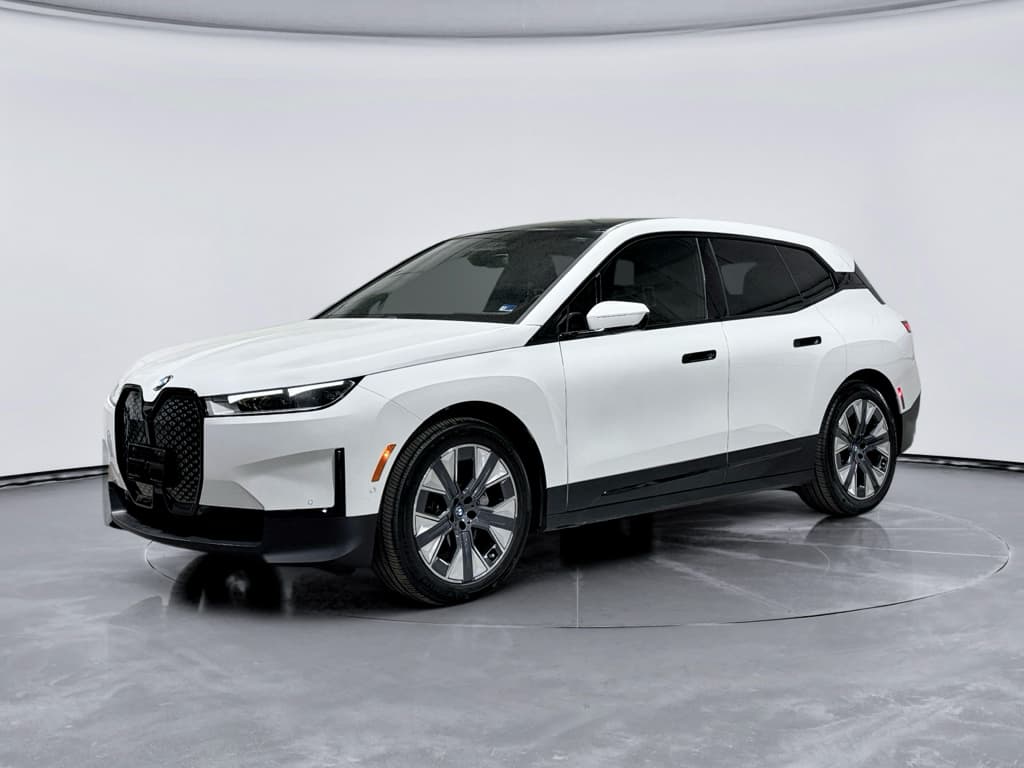
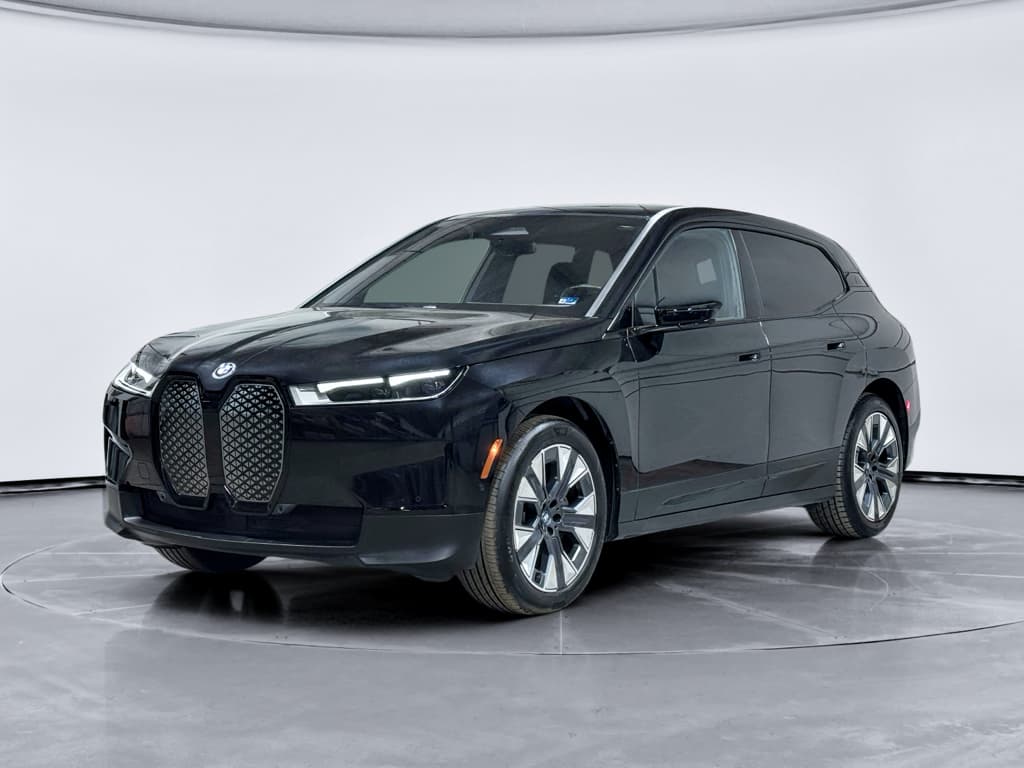
- Two‑row mid‑size luxury SUV roughly X5-sized, launched for 2022.
- Dual‑motor AWD in xDrive50 and high‑performance M70; 2026 brings updated trims and more range.
- EPA range generally around 300+ miles depending on wheel size and variant.
- 400‑volt architecture with robust DC fast‑charging and strong real‑world efficiency.
- Tech‑heavy, futuristic interior with big glass roof and BMW’s latest iDrive software.
Model years to target used
Quick Specs: Volvo EX90 vs BMW iX (2025–2026)
Core Specs Snapshot
Key powertrain and packaging specs for typical U.S. Volvo EX90 and BMW iX configurations you’re likely to see used in 2026.
| Spec | Volvo EX90 Twin Motor | Volvo EX90 Performance | BMW iX xDrive45 (2026) | BMW iX xDrive50 (2024–2026) |
|---|---|---|---|---|
| Drive layout | Dual‑motor AWD | Dual‑motor AWD | Dual‑motor AWD | Dual‑motor AWD |
| Horsepower (approx.) | ~402 hp | ~510 hp | ~300+ hp | ~515 hp |
| Battery capacity (gross) | ~111 kWh | ~111 kWh | ~95–100 kWh class | ~111.5 kWh |
| EPA‑style range* | ~300 mi est. | Slightly lower than Twin | ~300+ mi est. | ~300–320 mi depending on spec |
| Seating | 6 or 7 seats | 6 or 7 seats | 5 seats | 5 seats |
| Electrical architecture | 400 V (2025), 800 V (2026) | 400 V (2025), 800 V (2026) | 400 V | 400 V |
| DC fast‑charge peak | ~250–260 kW (800 V) | Similar | ~195–200 kW | ~195–200 kW |
| Body size focus | Family three‑row | Performance three‑row | Two‑row luxury | Two‑row luxury |
Exact figures vary by wheel size, trim, and test cycle. Always verify the window sticker or build sheet on any used vehicle.
About the numbers
Driving Range and Efficiency
On paper, the **BMW iX and Volvo EX90** land in similar range territory, but they get there differently. The iX benefits from strong efficiency and slightly smaller footprint, while the EX90 relies on a larger battery to move a heavier, three‑row body.
Range and Real-World Efficiency
How far you’re likely to go on a charge in 2026 conditions.
BMW iX Range
- Many xDrive50 builds deliver roughly ~300 EPA miles in U.S. spec, with some 20" wheel configurations edging higher.
- Real‑world reports show the iX often matching or beating its window‑sticker range at moderate highway speeds.
- 2026 facelifted trims improve efficiency slightly, so late‑model used examples can be strong road‑trip candidates.
Volvo EX90 Range
- Early EX90s in the U.S. target roughly ~300–310 miles from a ~111 kWh pack, depending on trim and wheels.
- The big, boxy body and standard AWD mean efficiency is good but not class‑leading; range is more about battery size than frugality.
- Performance versions sacrifice a bit of range for extra power.
Think in charging stops, not just miles
Battery Tech and Charging Speeds
Battery technology is where the 2026 used Volvo EX90 vs BMW iX comparison gets interesting. On 2025 EX90s, the two SUVs are broadly similar: big packs, 400‑volt systems, and respectable peak DC rates. Starting with the **2026 EX90**, Volvo moves to an **800‑volt architecture** that’s designed to cut your fast‑charging time significantly, especially from low state of charge.
Charging Highlights at a Glance
Volvo EX90 (2025 vs 2026)
- 2025 EX90: 400‑volt system, large ~111 kWh pack, DC peak around the mid‑200 kW range on paper but more modest average power as the state of charge rises.
- 2026 EX90: Upgraded to 800‑volt architecture. Volvo says it can add roughly 155 miles of range in about 10 minutes on a high‑power DC charger, making it one of the quicker‑charging three‑row SUVs.
- On lower‑power 400‑V stations, a DC/DC booster helps the 800‑V pack charge efficiently, but peak speeds can be lower versus the best 800‑V/800‑V pairings.
BMW iX DC and AC Charging
- Architecture: 400‑V system with a large pack (up to ~111.5 kWh gross on xDrive50) and a DC peak in the high‑100 kW range.
- Consistency: Owners report stable mid‑session charge rates and good performance in colder conditions once preconditioned.
- AC charging: 11 kW onboard charger is common, making overnight Level 2 charging straightforward if you have a 48‑amp circuit at home.
Don’t oversize your home charger
Interior Space, Comfort, and Practicality
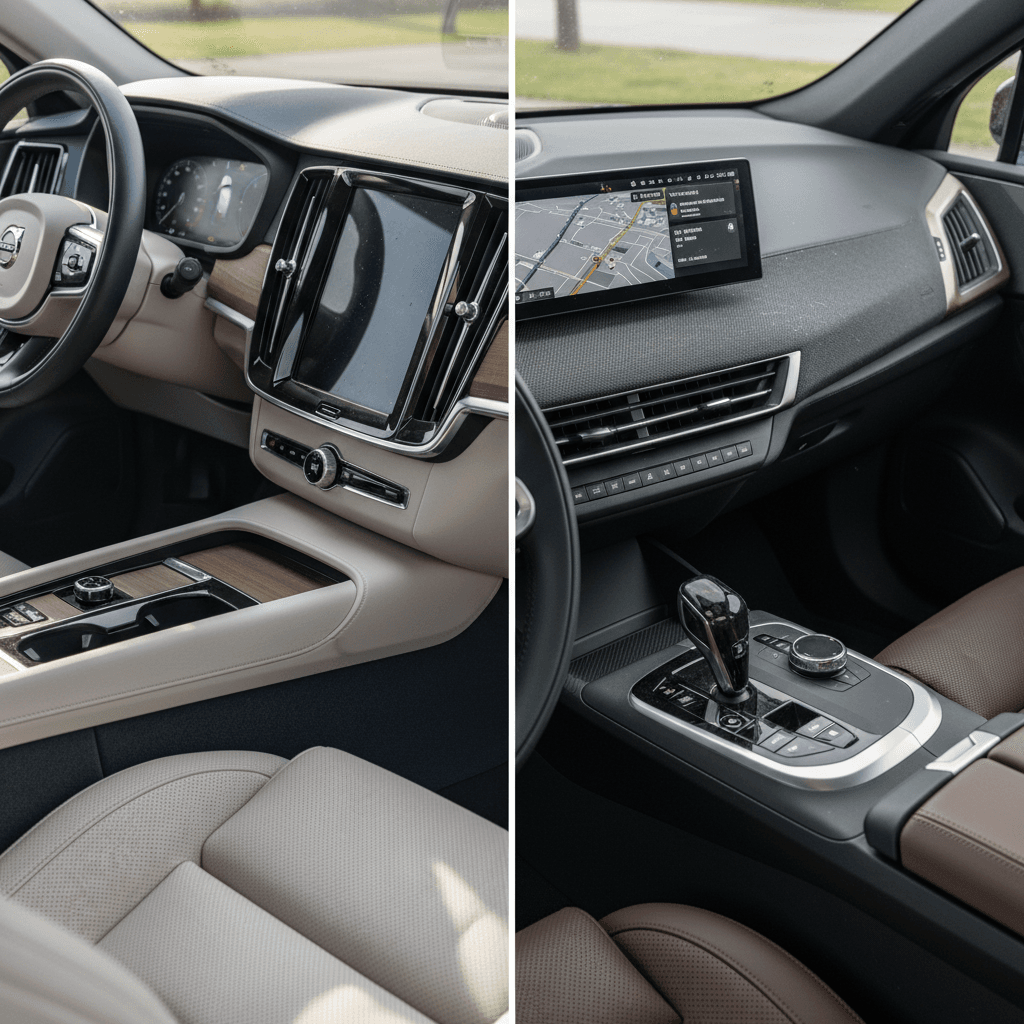
On the inside, the used Volvo EX90 vs BMW iX decision comes down to whether you need a genuinely usable third row, or you’d rather maximize comfort for five and cargo.
Cabin Strengths: Volvo EX90 vs BMW iX
Both are luxurious, but they serve different missions.
Volvo EX90: Family-first utility
- Three-row layout with 6- or 7-seat configurations, depending on captain’s chairs.
- Third row works for kids and shorter adults on shorter trips, giving it an edge for car‑pool duty.
- Scandinavian minimalist design with sustainable materials and a large portrait‑style center screen.
- Cargo space remains strong even with the third row folded, rivaling large ICE luxury SUVs.
BMW iX: Lounge for five
- Two-row, five-seat layout, but with generous legroom and headroom front and rear.
- Flat floor and wide rear bench make it great for adults or teens on long drives.
- Warm, lounge‑like vibe with expansive glass, optional electrochromic roof, and bold material choices.
- Cargo space is competitive with mid‑size luxury SUVs; less than an EX90 with all rows folded, but more than many EV crossovers.
Practical takeaway
Safety Tech and Driver Assistance
Both Volvo and BMW lean heavily on advanced driver‑assistance systems (ADAS), but they do so with different personalities. Volvo’s EX90 is almost a rolling tech demo for the brand’s safety ambitions, while the BMW iX balances assistance with an emphasis on driver engagement.
Volvo EX90 Safety Focus
- Standard suite includes adaptive cruise control, lane‑keeping assistance, blind‑spot monitoring, cross‑traffic alerts, and more.
- Roof‑mounted lidar sensor on many trims works with cameras and radar to build a detailed picture around the car, aiding collision avoidance.
- Volvo’s long‑standing reputation for conservative safety engineering may appeal if you prioritize crash performance and assistance over raw performance.
BMW iX Driver Assistance
- Offers adaptive cruise, lane‑centering, traffic‑jam assist, and automated parking features depending on package and model year.
- Highway assist systems can reduce fatigue on long interstate drives while still feeling more "BMW" than appliance.
- Some features live behind subscription or package paywalls, so equipment can vary widely across used examples.
Check what’s actually on the car
Ownership Costs and Reliability Signals
Neither the Volvo EX90 nor the BMW iX has been in the U.S. market long enough to generate 10‑year reliability data, but by 2026 we do have early signals, and they’re mostly encouraging for both, with caveats that matter to used buyers.
Key Ownership Cost Factors to Compare
1. Warranty coverage window
Both brands usually offer around <strong>4 years / 50,000 miles</strong> of basic coverage, with separate longer coverage for high‑voltage components. When buying used, note how much factory warranty time and mileage are left, and whether an extended service contract makes sense.
2. Battery health and degradation
Large packs often age gracefully, but fast‑charging habits, climate, and software all play a role. Look for a <strong>battery health report</strong> rather than just trusting the percentage on the gauge.
3. Brake, tire, and suspension wear
These are heavy SUVs with instant torque. Expect higher‑than‑average costs for <strong>tires, brakes, and suspension components</strong>, especially on iX models with large wheels or performance tires.
4. Software and feature updates
Both vehicles receive over‑the‑air software updates. On a used example, confirm whether previous owners kept up with them, and factor in any paid options or subscriptions you might want to activate.
5. Insurance and repair networks
Electric luxury SUVs can carry steeper insurance premiums and repair bills. Check local insurer quotes for both EX90 and iX, and make sure there’s a **qualified EV shop** nearby for structural or high‑voltage repairs.
How Recharged approaches battery health
Used-Market Pricing and Depreciation in 2026
Exact prices shift with incentives, regional demand, and inventory, but some patterns are already clear in the 2026 used luxury EV SUV market. Both the EX90 and iX start high when new and take a noticeable depreciation hit within the first three years, good news if you’re buying used.
Typical 2026 Used-Market Positioning (U.S.)
Generalized pricing tiers based on early U.S. resale patterns. Numbers are directional; always check live listings.
| Model/Trim (Typical) | New MSRP Range* | Early Used Asking (2026 ballpark) | Depreciation Character |
|---|---|---|---|
| Volvo EX90 Twin Motor (2025) | Low–mid $80Ks | Often in high $60Ks–$70Ks | Newer to market; early depreciation but fewer high‑mileage examples yet |
| Volvo EX90 Performance | Mid–high $80Ks+ | Typically upper $70Ks+ | Holds a bit more due to performance trims being scarcer |
| BMW iX xDrive45 (2026) | Around mid $70Ks | Likely high $50Ks–mid $60Ks | Lower starting MSRP makes used pricing more approachable |
| BMW iX xDrive50 (2024–2025) | Upper $80Ks–low $90Ks depending on spec | Often mid $60Ks–mid $70Ks | Big initial hit, then more gradual; earlier MYs can be relative bargains |
Assumes clean titles, average mileage for age, and no unusual options. Local markets can deviate significantly.
Watch effective cost, not just price
Which Is Better for You? Buyer Scenarios
Who Should Choose the Volvo EX90 vs BMW iX?
Family Hauler & Road-Trip Parent
You regularly carry 5–7 people and need a usable third row.
You prioritize crash safety, child‑seat flexibility, and driver‑assist tech over 0–60 times.
You’re attracted to Volvo’s safety reputation and minimalist, family‑friendly interior.
Verdict: <strong>Used Volvo EX90</strong> is usually the better fit.
Luxury Commuter & Empty Nester
You mainly carry 1–4 people and want a quiet, plush cabin.
You care about range and charging for regular highway trips but don’t need three rows.
You’re drawn to BMW’s driving dynamics and distinctive interior design.
Verdict: <strong>Used BMW iX</strong> likely feels more special day‑to‑day.
Tech Enthusiast & Charging Nerd
You value cutting‑edge charging tech and future‑proof architecture.
You’ll road‑trip often and want the shortest possible DC fast‑charge stops at 350‑kW stations.
You like the idea of lidar‑enhanced safety and Volvo’s software‑driven platform.
Verdict: A <strong>2026 Volvo EX90</strong> with 800‑V hardware is compelling.
Value Hunter in the Luxury EV Space
You want maximum luxury EV per dollar on the used market.
You’re open to a slightly older model year if it means serious savings.
You’re comfortable evaluating battery health and warranty status carefully.
Verdict: A <strong>2023–2025 BMW iX xDrive50</strong> can be a depreciation sweet spot.
How Recharged Helps with Used EX90 and iX
Shopping a used Volvo EX90 vs BMW iX is not just about specs, it’s about confidence. That’s where Recharged comes in. As a dedicated used‑EV retailer and marketplace, Recharged is built around making EV ownership simple and transparent.
What Recharged Brings to Used Volvo EX90 and BMW iX Buyers
Beyond listings: support for the full EV ownership journey.
Recharged Score battery health report
Financing and trade‑in support
Nationwide delivery & EV specialists
Ready to find your next EV?
Browse VehiclesFAQ: Used Volvo EX90 vs BMW iX
Frequently Asked Questions
Bottom Line: Volvo EX90 vs BMW iX
The **used Volvo EX90 vs BMW iX comparison in 2026** isn’t about right or wrong, it’s about matching the vehicle to your life. If you’re hauling kids, friends, and gear, and you like the idea of lidar‑backed safety and fast‑charging 800‑volt hardware, the EX90 is a standout three‑row choice. If you want a striking two‑row luxury EV with proven range, a lounge‑like interior, and strong used‑market value, the iX remains one of the most compelling options out there.
Whichever way you lean, buying used smartly comes down to **battery health, charging behavior, and fair pricing** on the individual vehicle, not just the badge. That’s exactly what Recharged is built to surface with its Recharged Score Report, EV‑savvy advisors, financing and trade‑in options, and nationwide delivery. When you’re ready to cross‑shop real examples of used Volvo EX90s and BMW iXs, starting your search with a transparent, EV‑only marketplace can turn a complicated decision into a confident one.