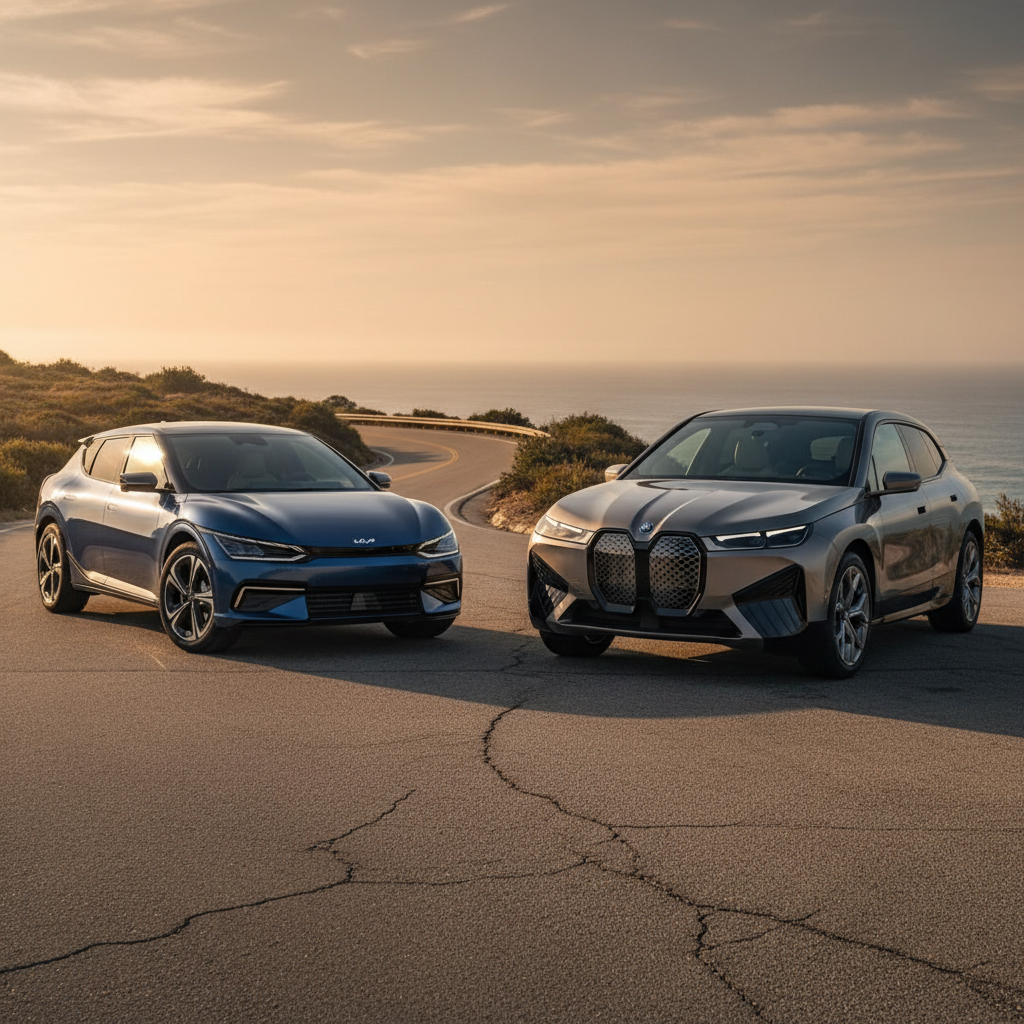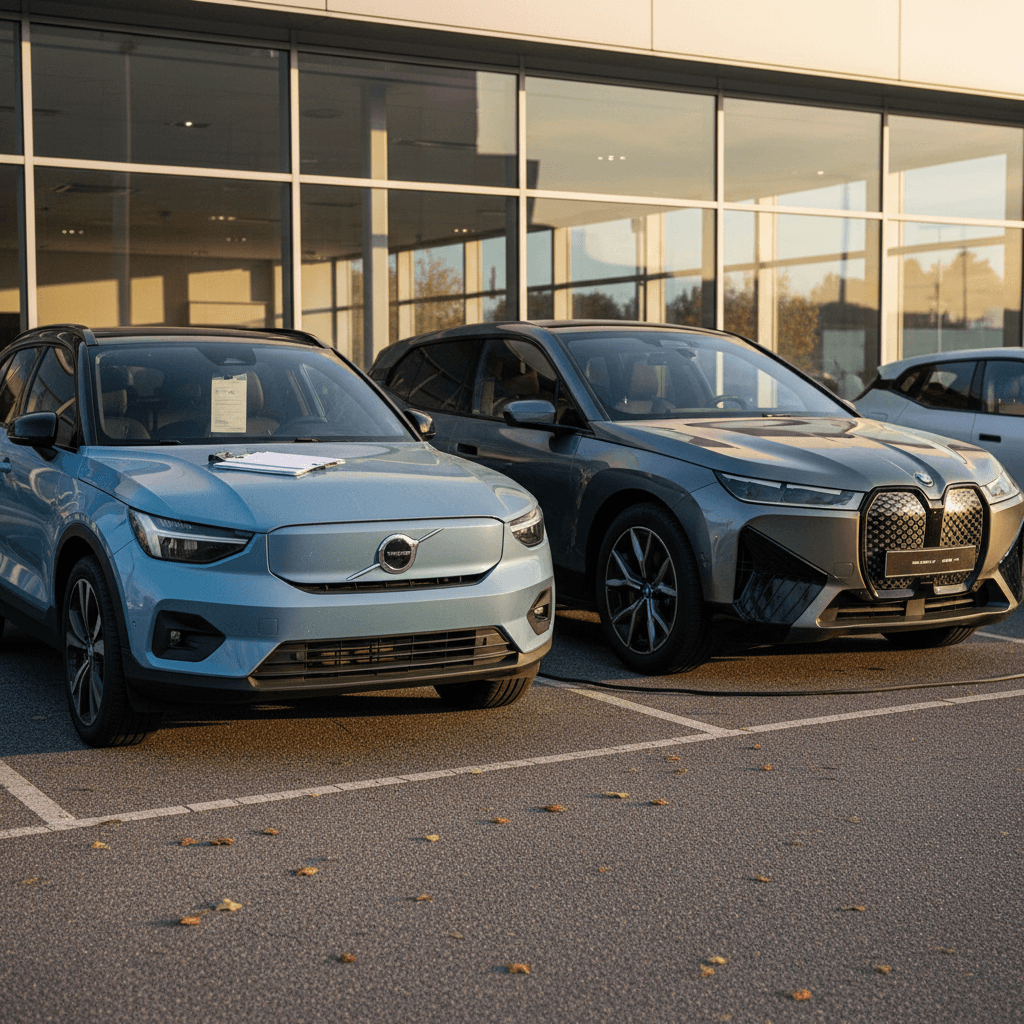
If you’re shopping the used EV market in 2026, a used Volvo EX30 vs BMW iX comparison might sound odd at first. One is a subcompact, value‑oriented EV that Volvo is already pulling from the U.S. after the 2026 model year, while the other is a full‑size, six‑figure German luxury SUV that’s just had a 2026 refresh and a cheaper xDrive45 base model. But on the used market, they overlap in an interesting way: both can land in the same monthly‑payment ballpark for very different trade‑offs.
Two very different EVs that now cross paths used
Why this used EX30 vs iX comparison matters in 2026
Volvo began delivering EX30s to U.S. customers in late 2024 as 2025 models, with starting MSRPs around the mid‑$30,000s for the Single Motor Extended Range trim and higher prices for the Twin Motor Performance. By early 2026, Volvo confirmed the EX30 will leave the U.S. market after the 2026 model year, making it a short‑run import that’s likely to show up in small but growing numbers on the used market.
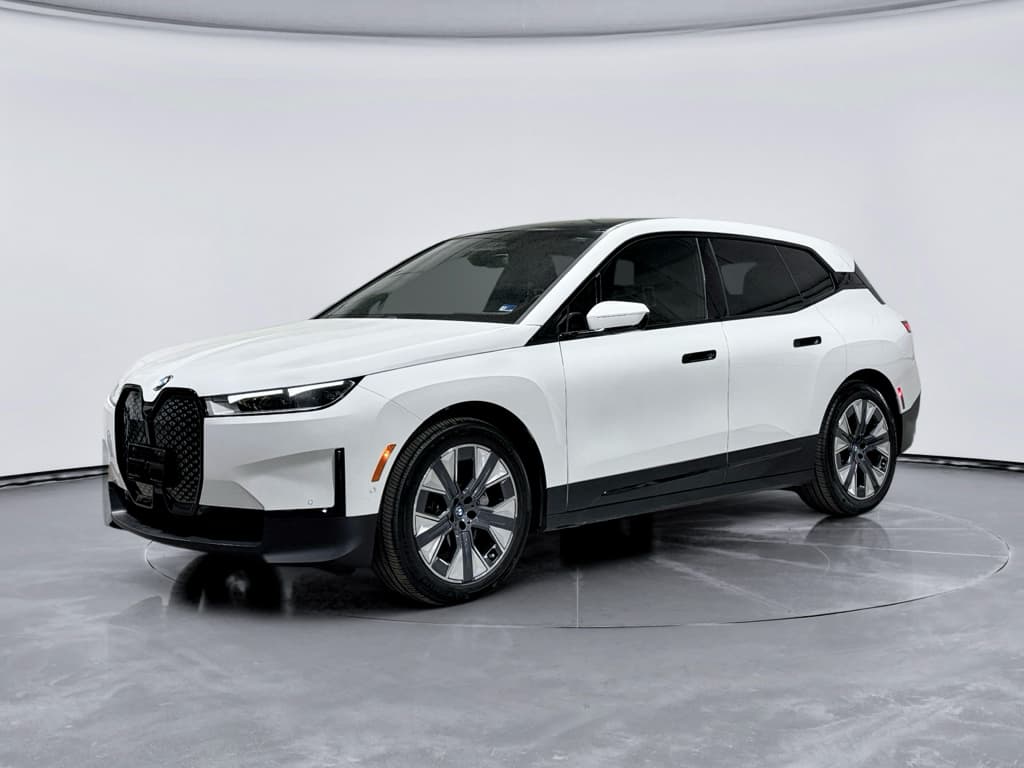
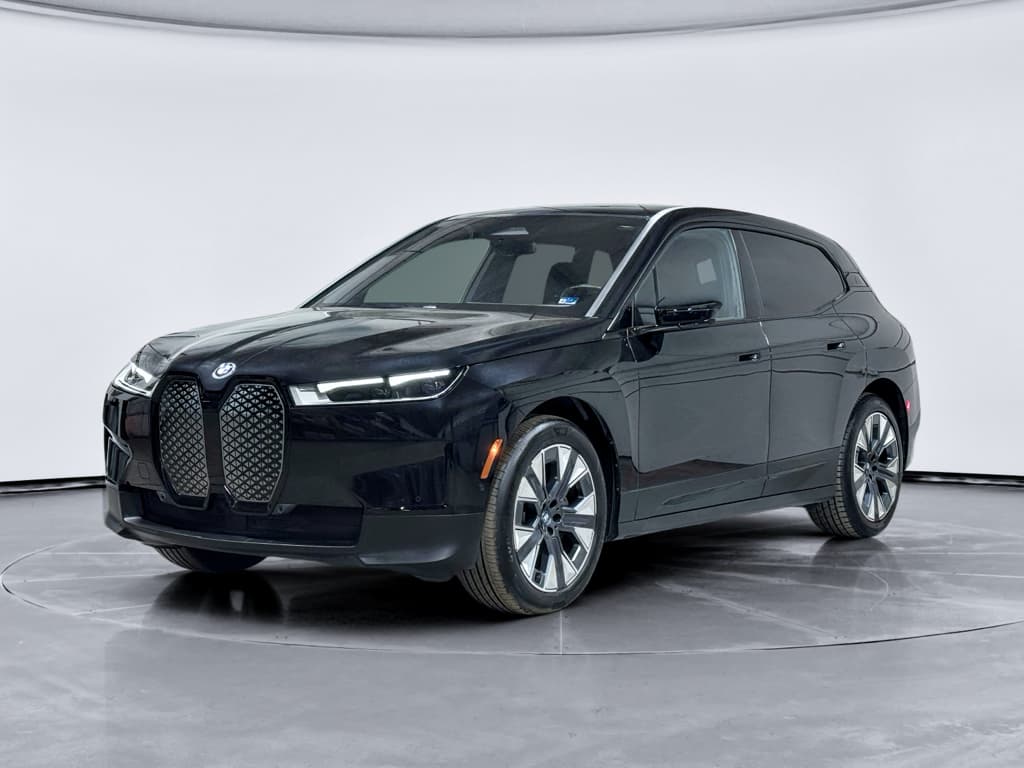
The BMW iX, by contrast, launched as a big, tech‑heavy luxury SUV with xDrive50 and M60 trims, then for the 2026 model year BMW introduced a lower‑priced xDrive45 base model and improved range estimates, with the lineup now topping out around the mid‑300‑mile EPA range depending on configuration. That means early‑build 2022–2024 iX models and even some 2025 xDrive50s are now entering used inventory with heavy depreciation, but still plenty of battery and warranty life left.
Think in monthly cost, not sticker price
Quick specs: Volvo EX30 vs BMW iX at a glance
Core specs: used Volvo EX30 vs BMW iX (U.S. context)
Approximate specs for the trims most likely to show up used in 2026. Exact numbers vary by model year, wheels, and options.
| Model (likely used trims) | Size class | Powertrain & output | Battery (usable kWh, approx.) | EPA range ballpark | DC fast‑charge peak | Original MSRP range |
|---|---|---|---|---|---|---|
| Volvo EX30 Single Motor Extended Range | Subcompact SUV | RWD, ~268 hp | ~64 kWh | Low‑ to mid‑200‑mile EPA range (trim‑dependent) | Up to ~153 kW | ≈$36,000–$45,000 |
| Volvo EX30 Twin Motor Performance | Subcompact SUV | AWD, ~422 hp | ~64 kWh | Lower than single‑motor (more power, less range) | Similar peak to SMER | ≈$46,000+ with options |
| BMW iX xDrive45 (2026+) | Mid/full‑size luxury SUV | AWD, ~450 hp (est.) | ~71–76 kWh usable (smaller pack) | Low‑300‑mile estimates | Fast DC, 195+ kW region | ≈$76,000+ new |
| BMW iX xDrive50 / xDrive60 (2022–2026) | Mid/full‑size luxury SUV | AWD, ~516–536 hp | ~100 kWh usable | Up to mid‑300‑mile EPA range | Up to 195 kW+ | ≈$85,000–$100,000+ new |
| BMW iX M60 / M70 | Mid/full‑size performance SUV | AWD, 600+ hp | ~100 kWh usable | Around 300 EPA miles or below | Similar peak to xDrive50/60 | $110,000+ new |
Don’t treat these as exact for every car, verify the specific VIN you’re considering.
How different are EX30 and iX, really?
Size and utility: Small EV crossover vs big luxury SUV
Volvo EX30: City‑friendly and easy to park
The EX30 is tiny by SUV standards. Think small hatchback or subcompact crossover, and you’re in the right ballpark. That makes it a joy in urban environments where tight parking garages, street parking, and narrow lanes punish bigger vehicles.
- Great for singles, couples, or small families with young kids.
- Cargo room is fine for groceries and weekend bags, but not a full family road‑trip setup.
- Short wheelbase and light weight give it a playful, tossable feel, more hot hatch than family hauler.
BMW iX: Proper family hauler and road‑trip machine
The iX lives in the same size neighborhood as a BMW X5. You get much more rear‑seat space and a bigger cargo area, plus towing capability on many trims.
- Comfortable for four adults on long trips; five in a pinch.
- Large hatch and flat floor make it easy to load strollers, bikes, or luggage.
- Height and mass give a more traditional luxury‑SUV feel, quiet, planted, and relaxed at highway speed.
Parking, insurance, and daily livability
Used prices, depreciation, and total cost of ownership
On paper, the EX30 is the value play. New, it undercuts most premium EVs by a wide margin. But because BMW iX models started so expensive, often optioned deep into six‑figure territory, the early years have taken a depreciation hit that’s now turning them into compelling used buys.
How EX30 and iX typically stack up used in 2026
Real‑world price bands will vary by mileage, options, and region, but these are common patterns Recharged sees across the used EV market.
Used Volvo EX30 pricing
Because the EX30 only arrived in the U.S. in late 2024, most used examples you’ll see in 2026 are 1–2 model years old with relatively low mileage:
- RWD Single Motor Extended Range: often priced like a well‑equipped mainstream compact SUV.
- Twin Motor Performance: carries a modest premium but still undercuts most luxury‑badge EVs.
The short U.S. production run could eventually help residual values, but in the near term it simply limits how many used EX30s exist.
Used BMW iX pricing
Early‑build 2022–2024 iX xDrive50s and some M60s are now showing up used with tens of thousands knocked off MSRP. By 2026 you can often cross‑shop:
- Late‑model EX30 Twin Motor vs older, higher‑mileage iX xDrive50.
- EX30 Single Motor vs a rare high‑mileage iX xDrive45 or 50 in basic spec.
The monthly payment gap may be smaller than the original sticker prices suggest, especially with aggressive incentives on used luxury EVs.
Operating costs & risk
The EX30’s simplicity, smaller battery, and lower mass should mean lower energy and tire costs in most use cases. The iX, however, gives you more cabin and cargo space for those costs.
Warranty coverage will matter: a 2025 EX30 in 2026 is essentially a nearly‑new car, where a 2022 iX will already be several years into its term. Factor that into any price comparison.
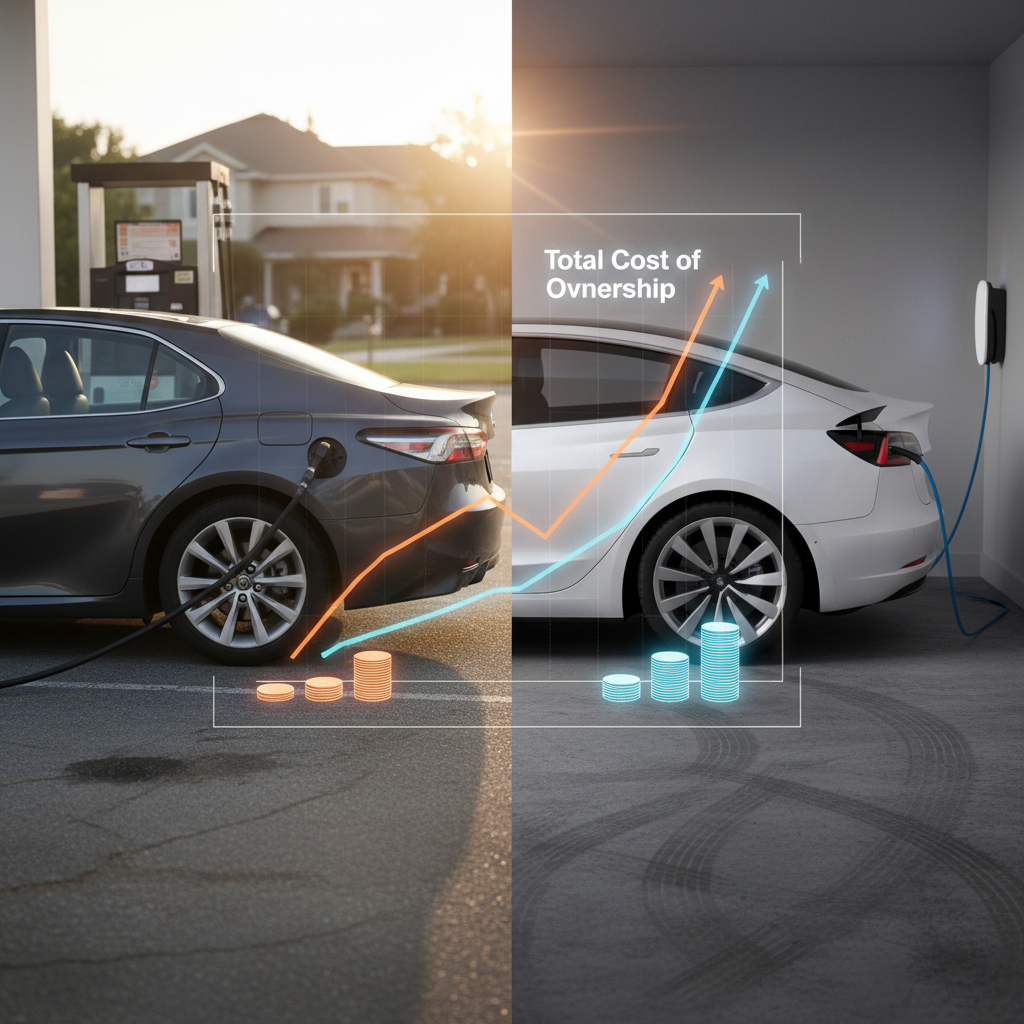
Use total cost, not just mileage, to compare
Range, battery, and real‑world efficiency
Volvo and BMW take different approaches to range and battery sizing. The EX30 leans on a relatively modest battery pack and efficient packaging. The iX goes for much larger packs, more power, and more mass, which helps it deliver big‑number highway range, but at a higher energy cost per mile.
Approximate range and energy use comparison
These are broad, real‑world ballparks based on EPA ratings and early owner data. Individual vehicles will vary with wheel size, climate, and driving style.
| Model / trim (common used) | EPA range ballpark | Typical highway range at 70 mph (driver reports) | Energy use estimate |
|---|---|---|---|
| Volvo EX30 Single Motor ER | Low‑ to mid‑200 miles | Often ~180–210 miles depending on conditions | Efficient for a crossover, but not a long‑range cruiser |
| Volvo EX30 Twin Motor Performance | Lower than Single Motor (more power) | High‑100s in favorable conditions | More energy‑hungry due to dual motors and power |
| BMW iX xDrive45 / xDrive50 / 60 | Low‑ to mid‑300 miles depending on trim and wheels | Mid‑200s to low‑300s on highway in good weather | Very strong range for the size and performance |
| BMW iX M60 / M70 | Around 300 EPA miles or below | Often mid‑200s on highway | Performance focus reduces range vs. 50/60 |
Always check the specific EPA label and in‑car trip data for the used vehicle you’re considering.
Cold weather hurts both, but small packs feel it more
Charging speed, road trips, and daily charging habits
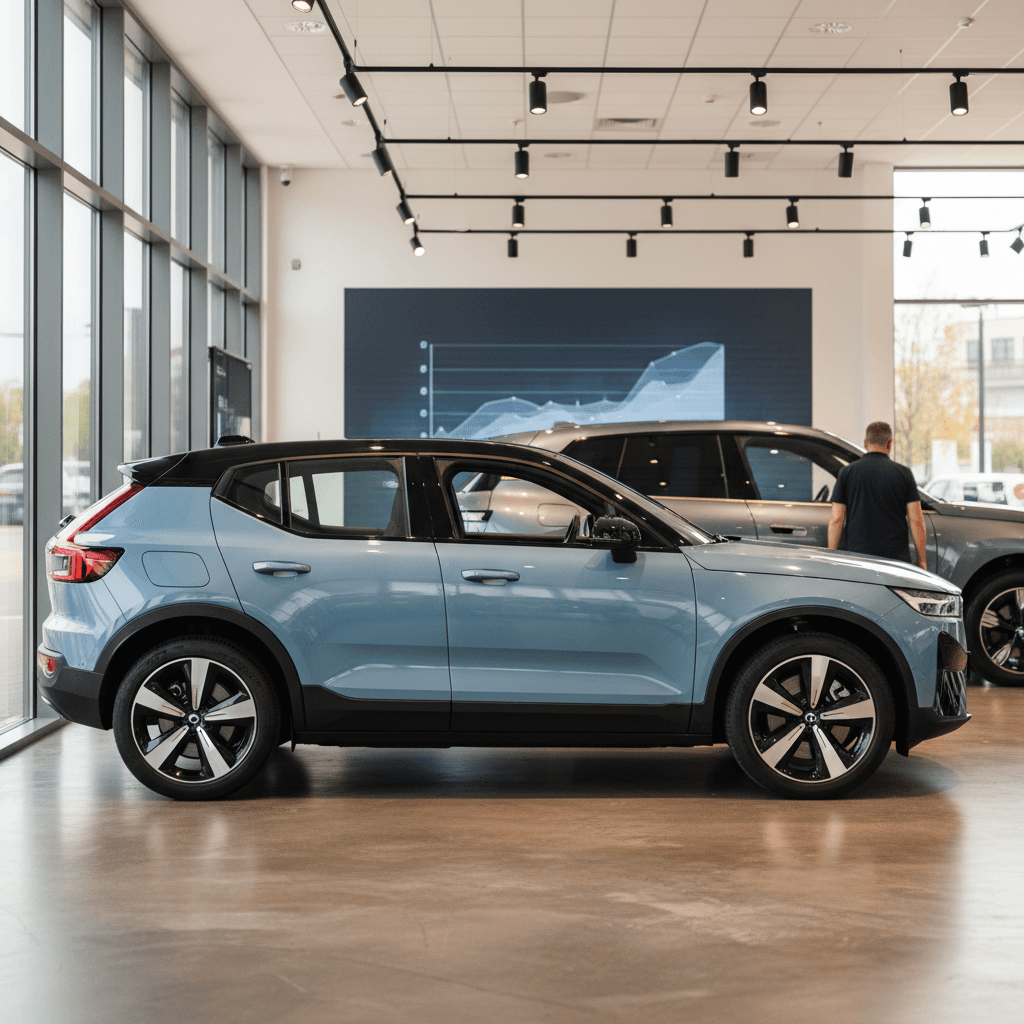
Both the EX30 and iX use the CCS1 fast‑charging standard in North America in 2026. The BMW iX offers higher peak charging power and a much larger battery, while the EX30’s smaller pack can go from low state‑of‑charge to 80% relatively quickly simply because there’s less energy to add.
Charging behavior: daily use vs road‑trip duty
How each EV feels at the plug when you’re living with it day‑to‑day.
Daily charging
Volvo EX30 is easy to live with if you’re mostly commuting and doing city errands. A modest home Level 2 charger can comfortably refill a day’s worth of driving overnight.
BMW iX has a much larger battery; daily use might barely dent your state of charge. That’s great for convenience but means home charging sessions can be longer if you regularly run it deep.
DC fast charging and road trips
The iX is the better long‑distance machine. You get higher peak DC rates, more consistent charging curves, and simply more miles per stop.
The EX30 can road‑trip, but you’ll be stopping more often and planning around modest range. It shines more as a regional commuter than a cross‑country hauler.
NACS, adapters, and future networks
Comfort, interior design, and tech experience
Volvo EX30: Minimalist, playful, and tech‑forward
The EX30 interior is pure modern Volvo: clean, minimalist, and Scandinavian‑inspired. A single central touchscreen handles most functions, with limited physical controls.
- Fresh design language, bright materials, and clever storage solutions.
- Some buyers love the simplicity; others miss dedicated climate and volume knobs.
- Seats are comfortable for the segment but not long‑haul luxury thrones.
If you like the feel of a premium tech gadget more than a traditional SUV cockpit, the EX30 delivers.
BMW iX: Lounge‑like luxury with bold design
The iX interior is one of the most distinctive on the market: floating curved display, glass controls, open‑pore wood, and an airy cabin. It feels more high‑end living room than car.
- Thick, supportive seats with available massage and high‑end upholstery.
- Extremely quiet cabin, especially at highway speeds.
- iDrive and voice control offer deep customization, but the learning curve is steeper.
If you want a genuinely luxurious space for long drives or family trips, the iX is in a different league from the EX30.
Tech that still feels modern used
Safety and driver-assistance tech
Volvo and BMW both lean hard on safety branding, but they take slightly different approaches. The EX30 packs a full suite of collision‑avoidance and lane‑keeping features into a small, relatively affordable package. The iX layers in more sophisticated adaptive cruise, highway assist, and parking technologies, especially on higher trims with option packages.
Safety feature highlights on used EX30 vs iX
Exact equipment depends on trim and options, so always decode the VIN and test features on a real‑world drive.
Volvo EX30
- Automatic emergency braking with pedestrian and cyclist detection.
- Lane‑keeping assist and lane‑departure warning.
- Blind‑spot monitoring and rear cross‑traffic alert on many trims.
- Driver attention monitoring and speed‑limit awareness.
BMW iX
- Advanced adaptive cruise with lane‑centering on many trims.
- High‑resolution surround‑view cameras and automated parking.
- Available highway‑assist features and traffic‑jam assist in certain markets.
- Rich customization of alerts, intervention strength, and driving feel.
Crash protection & structure
Both vehicles benefit from EV‑specific crash structures and low centers of gravity. The iX’s extra mass works in its favor in some impact scenarios but can increase damage and energy in multi‑vehicle crashes. The EX30’s smaller footprint may be easier to maneuver out of trouble in tight urban environments.
Don’t skip a hands‑on ADAS test
Which used EV suits which type of buyer?
Buyer profiles: Who should pick EX30 vs BMW iX?
Choose a used Volvo EX30 if…
You live in a city or inner suburb where small size and easy parking matter more than maximum cargo volume.
You care about a premium badge and design, but you’re working with a compact‑SUV budget.
You mostly drive under 120–150 miles per day and take only occasional road trips.
You prefer a minimalist, modern interior and don’t mind relying on a central touchscreen.
You want a nearly‑new vehicle (2025–2026) with plenty of warranty runway left.
Choose a used BMW iX if…
You routinely drive long highway distances or take regular road trips with family or friends.
You need real back‑seat space, cargo room, and towing capability.
You value a quiet, cosseting cabin and high‑end materials over outright efficiency.
You’re comfortable budgeting for higher insurance, tire, and potential repair costs.
You’re taking advantage of luxury‑EV depreciation to get a lot of vehicle for the money.
How to shop smart for a used Volvo EX30 or BMW iX
Used EX30 and iX buyer checklist
1. Prioritize battery health and fast‑charging behavior
Ask for a <strong>battery health report</strong> or, better yet, a third‑party diagnostic like the Recharged Score that measures usable capacity and fast‑charge performance. For the iX in particular, a big battery with good health is a huge part of the value proposition.
2. Verify software level and OTA history
Both models rely heavily on software. Confirm that the vehicle is on a recent software version, and ask the seller if there were any unresolved infotainment, driver‑assist, or charging bugs.
3. Inspect wheels, tires, and brakes
Large‑wheel iX trims can be very hard on tires, and both vehicles’ regen tuning affects brake wear. Inspect for uneven wear, sidewall damage, and brake service history. This can be a multi‑thousand‑dollar swing on a used luxury EV.
4. Decode options and packages
On the iX, packages can radically change the experience, better audio, highway assist, thermal comfort, etc. Use the VIN to pull the build sheet so you’re not guessing. On the EX30, confirm whether key driver‑assist and comfort features are included on that specific trim.
5. Test real‑world range on your likely route
If possible, do a longer test drive that mimics your commute or weekend trips. Watch energy use (mi/kWh) and how much range drops vs. miles driven. This will tell you more than any spec sheet.
6. Plan your charging strategy up front
Before you choose between EX30 and iX, map out where you’ll charge: home Level 2, workplace, or public DC fast charging. For apartment dwellers especially, the iX’s long range can be a buffer against unreliable public infrastructure.
7. Use a trusted used‑EV marketplace
Buying from a platform that specializes in EVs, like <strong>Recharged</strong>, can save you a lot of guesswork. Every vehicle on Recharged includes a detailed Recharged Score report with verified battery health, fair‑market pricing analysis, and EV‑specialist guidance on financing, trade‑in, and nationwide delivery.
Leverage EV‑specific inspection, not just generic pre‑purchase checks
FAQ: Used Volvo EX30 vs BMW iX in 2026
Frequently asked questions
Bottom line: Should you go EX30 or iX?
If you strip away badges and hype, the choice between a used Volvo EX30 and a used BMW iX in 2026 boils down to space, range, and risk tolerance. The EX30 is the minimalist’s premium EV: compact, stylish, affordable to run, and perfect for city‑centric lives where 200‑ish real‑world miles is ample. The iX is the stealth flagship: big battery, big comfort, big performance, and big‑ticket consumables and complexity to match.
For most first‑time EV buyers with urban or suburban commutes and limited parking, a carefully vetted used EX30 is likely the smarter, lower‑stress move. For drivers who regularly cover serious highway miles, haul family and gear, or want to capitalize on luxury‑EV depreciation, a well‑optioned iX, with documented battery health and a clear service history, offers a level of refinement the EX30 simply can’t match.
Either way, don’t shop these like gas cars. Center your search around battery health, charging behavior, and your real‑world driving pattern. Using a specialized EV marketplace like Recharged, with transparent Recharged Score reports and EV‑savvy support, can turn what feels like a complicated decision into a confident one.