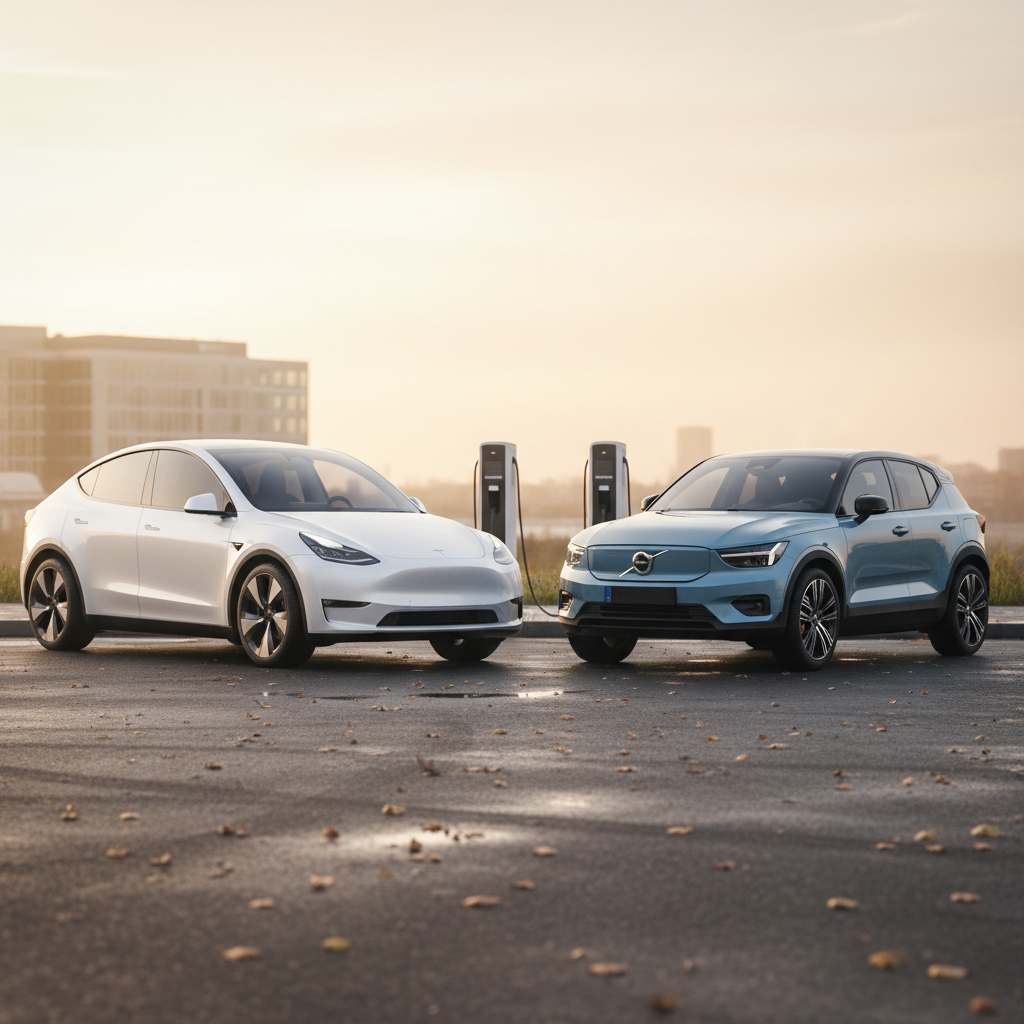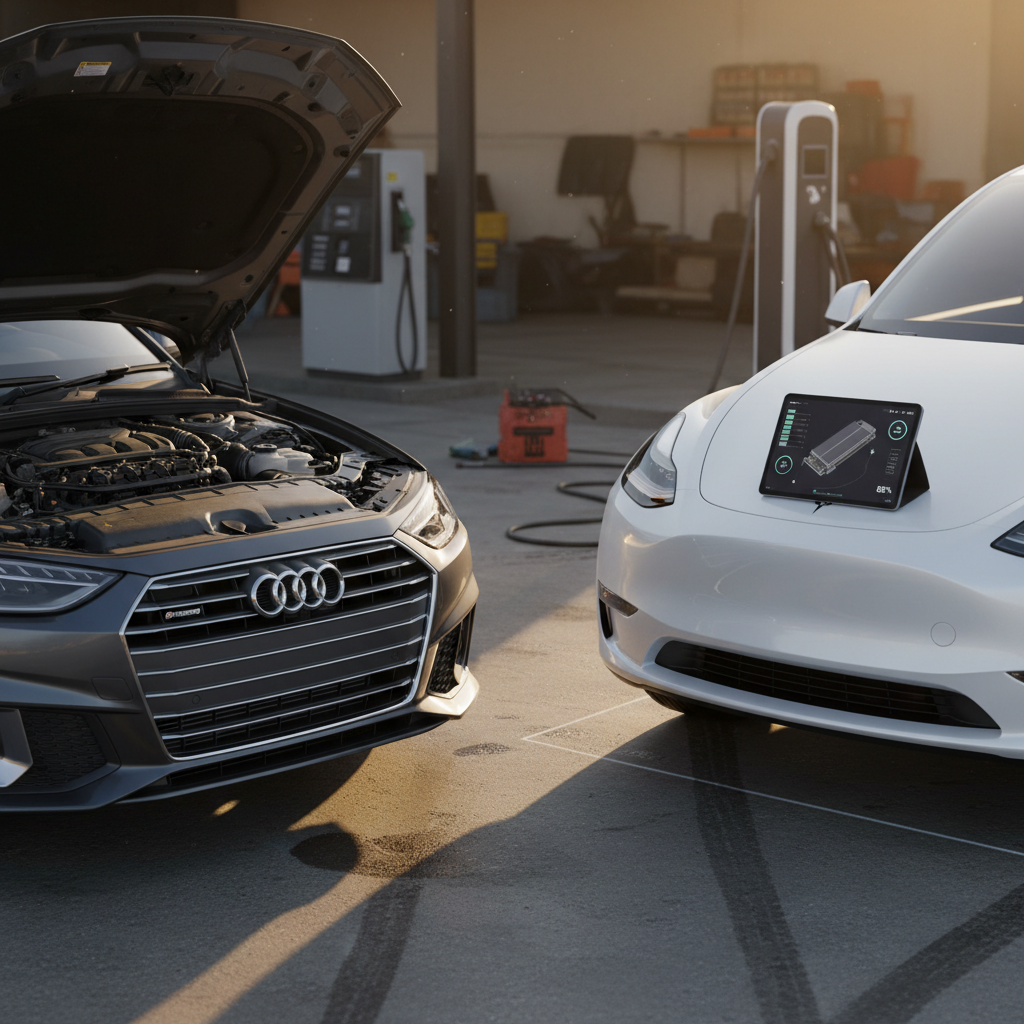
If you’re shopping for used electric cars in South Carolina in 2026, you’re catching the market at the right moment. EV prices have cooled after the pandemic spike, more models are coming off lease, and charging options are steadily improving from Greenville to Charleston. The key is knowing how EVs differ from gas cars so you can buy confidently, especially when it comes to battery health, charging, and long‑term costs.
South Carolina is quietly becoming an EV state
Why used electric cars make sense in South Carolina in 2026
Mild climate helps batteries
South Carolina’s warm but not‑too‑extreme climate is generally kinder to EV batteries than the upper Midwest or Southwest deserts. While summer heat can still stress a pack if a car is parked in direct sun all day, you’re avoiding the deep‑freeze winters that really sap range and accelerate degradation.
Typical commute fits EV range
Most South Carolina drivers log daily round‑trip commutes under 50 miles. That’s easy work for even older EVs with 150–200 miles of EPA range. For many households, a used EV can cover weekday driving while a gas or hybrid vehicle handles long beach trips or mountain getaways.
- Lower fuel costs compared with gasoline, especially if you can charge at home overnight.
- Less maintenance: no oil changes, fewer moving parts, and regenerative braking means longer brake life.
- Growing public charging networks in metro areas and along I‑26, I‑20, and I‑95 corridors.
- Plenty of used inventory coming off lease, particularly Teslas, Chevy Bolts, and Nissan Leafs.
South Carolina EV market in 2026: what the numbers say
Electric vehicles in South Carolina by the numbers
Policy is still in flux
Pros and cons of buying a used EV in South Carolina
The upsides and tradeoffs of a used EV in 2026
Balance the benefits against how, and where, you drive
Key advantages
- Lower purchase price than a new EV, often comparable to a used gas car.
- Cheaper “fuel” if you can charge at home overnight, especially on off‑peak rates.
- Quieter, smoother drive that fits stop‑and‑go traffic in Columbia or Charleston perfectly.
- Less maintenance: no oil changes, timing belts, or exhaust system.
Potential drawbacks
- Range limitations, especially on older models with smaller packs or some degradation.
- Charging access can still be spotty in rural counties away from interstates.
- Battery uncertainty if you’re buying from a seller who can’t document health or fast‑charging history.
- Higher registration fees than comparable gas cars, designed to replace lost fuel‑tax revenue.
Pair a used EV with your existing gas car
What used electric cars cost in South Carolina
Used EV pricing in South Carolina will always move around with national trends, interest rates, and inventory levels, but by 2026 you can think in rough bands. Final price depends on trim, mileage, battery condition, and whether the car is still under warranty.
Typical 2026 used EV price ranges in South Carolina
Approximate asking prices for popular used EVs at retail dealers and online marketplaces. Local deals will vary.
| Model | Approx. Model Years | Typical Range (mi) when new | Rough Price Band (2026) | Best Fit |
|---|---|---|---|---|
| Nissan Leaf | 2018–2022 | 150–226 | $10,000–$19,000 | Budget commuter around Columbia, Greenville, Rock Hill |
| Chevrolet Bolt EV | 2019–2023 | 238–259 | $14,000–$22,000 | Value pick with solid range for most SC drivers |
| Tesla Model 3 RWD | 2018–2022 | 220–272 | $20,000–$30,000 | All‑around sedan for commuting and road trips |
| Hyundai Kona EV | 2019–2022 | 258 | $17,000–$25,000 | Compact crossover for small families |
| Kia Niro EV | 2019–2022 | 239 | $18,000–$26,000 | Efficient hatchback for mixed city/highway use |
These are ballpark figures meant for budgeting, not firm offers.
Watch for “too good to be true” prices
Incentives, taxes, and fees for EVs in South Carolina
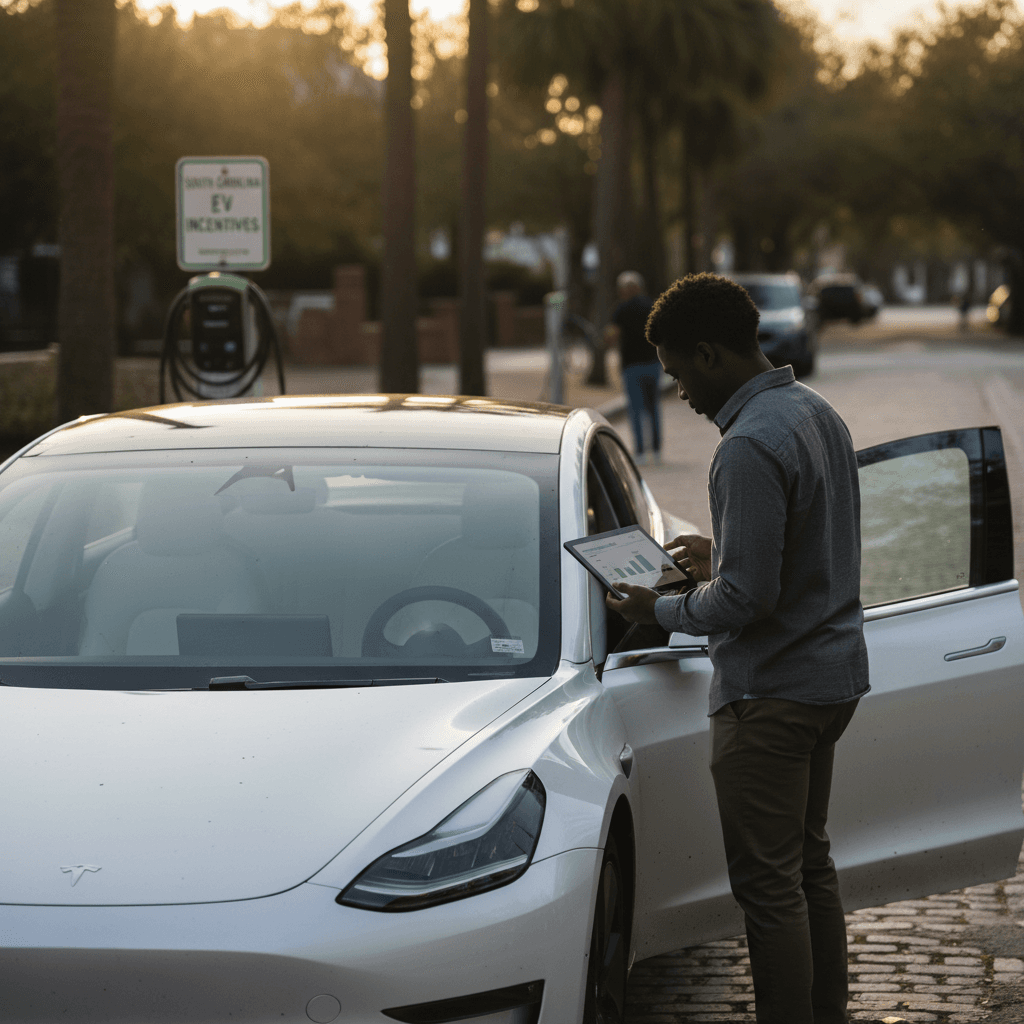
South Carolina does not offer a big statewide purchase rebate for used EVs, but that doesn’t mean there’s nothing on the table. In 2026, your savings and costs will come from a mix of federal incentives (if you qualify), state registration rules, and utility‑level programs.
- Federal used EV tax credit: For qualifying buyers and vehicles, there is a federal credit for used EV purchases from licensed dealers, subject to income caps, vehicle price caps, and other rules. The details have changed several times since 2023, so confirm eligibility with a tax pro before you sign.
- State sales tax and registration: South Carolina caps vehicle sales tax (often called the infrastructure maintenance fee) but currently applies higher annual registration fees to EVs to offset lost gas‑tax revenue. When you budget, include that yearly hit alongside insurance and electricity.
- Utility rebates for home charging: Utilities serving parts of South Carolina, including Dominion Energy and Duke Energy, have offered rebates or bill credits for installing Level 2 chargers or enrolling in managed‑charging programs. These programs come and go, so ask your electric utility what’s active in 2026 before you install anything.
- Employer and local incentives: Some workplaces and municipalities provide free or discounted workplace charging. That doesn’t cut your purchase price, but it makes owning a used EV cheaper month‑to‑month.
Ask the dealer how the car was used
Charging a used EV in South Carolina: home and public options
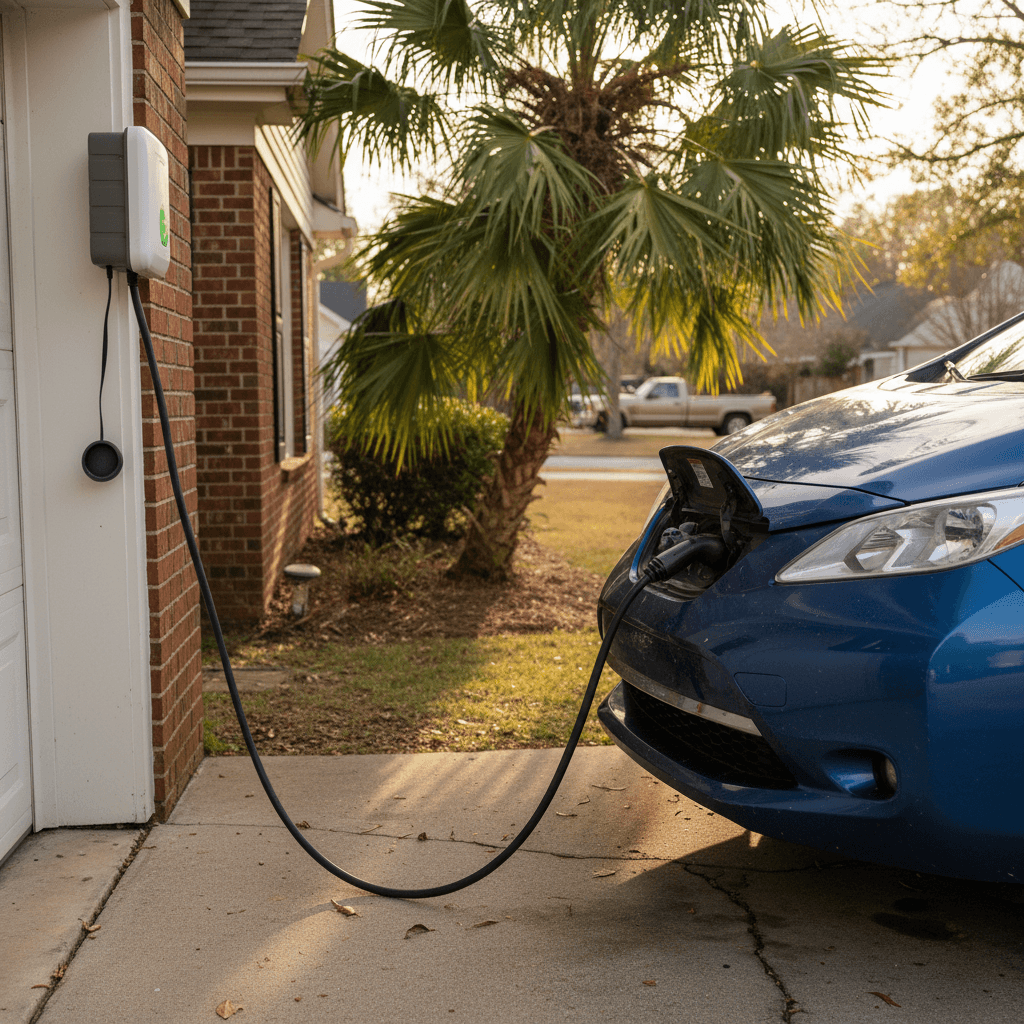
Home charging: the real game‑changer
If you own your home and can park near an outlet, overnight charging is where you’ll save the most. A basic Level 2 charger (240‑volt) can add 20–40 miles of range per hour, easily refilling your battery while you sleep. That’s more than enough for daily driving in Greenville, Lexington, or Mount Pleasant.
Before installing, talk to a licensed electrician about panel capacity and permits. Some South Carolina utilities offer rebates or special rates if you enroll your charger in a managed‑charging program.
Public charging: fill the gaps
South Carolina’s public charging network is concentrated along the interstates and in major metros. You’ll find a mix of Level 2 stations in parking garages and shopping centers, plus DC fast chargers along I‑26, I‑20, I‑77, and I‑95.
If you live in an apartment in Columbia or Charleston where home charging isn’t realistic, check where the nearest fast‑charging hubs are, and how busy they get, before you commit to an EV as your only vehicle.
Don’t assume every fast charger works with every EV
How to evaluate a used EV’s battery
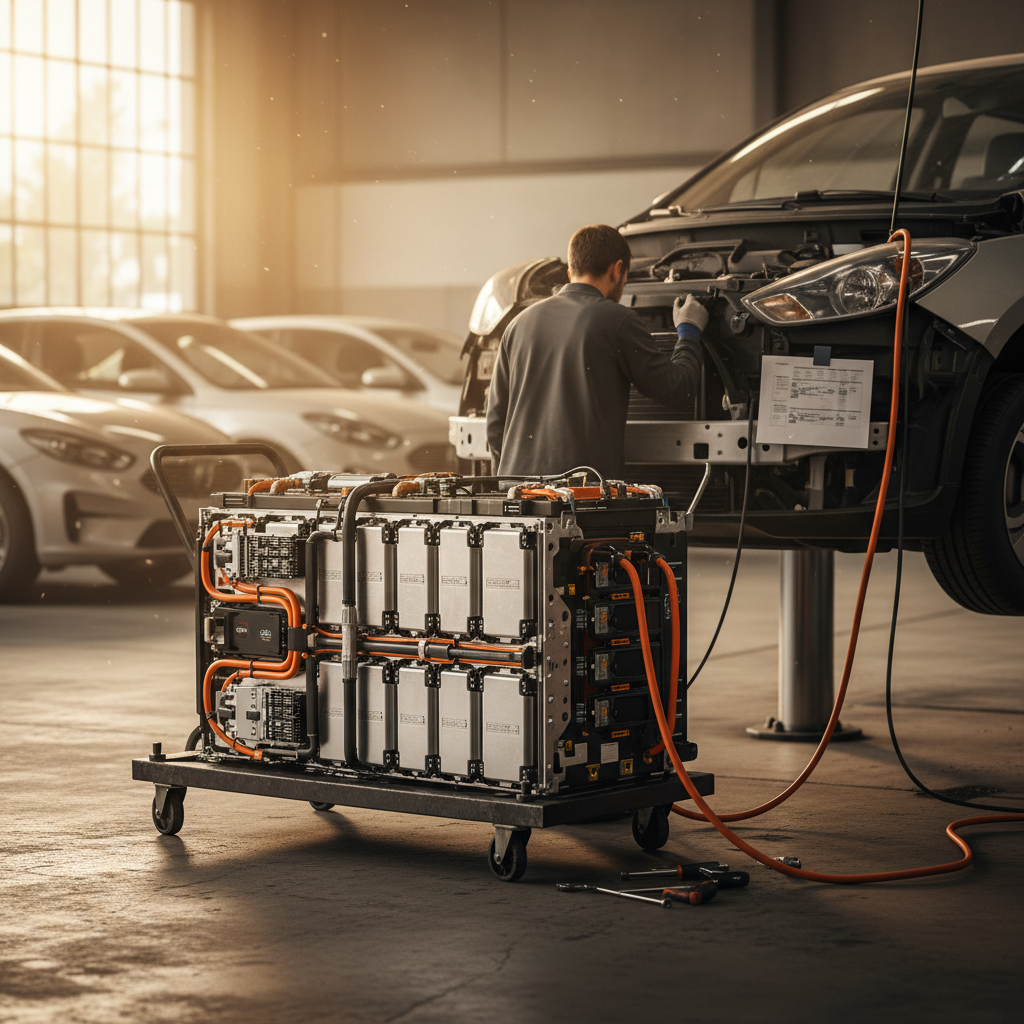
With a gas car, you worry about the engine and transmission. With a used EV, the battery pack is the star of the show. Replacing it can cost more than replacing an engine, so you want as much transparency as possible.
Battery‑health checks you should always make
1. Ask for a battery‑health report
Ideally, you should see a <strong>third‑party diagnostic</strong> that measures usable battery capacity, cell balance, and fast‑charging behavior, not just a dash gauge. Recharged does this with the Recharged Score Report, so you know how much battery you’re really buying.
2. Compare capacity to original spec
Every EV launched with a published battery size (for example, 60 kWh) and EPA range. A healthy used pack will show some degradation, but not a dramatic drop. If an EV has lost 20–30% of its original range already, price should reflect that.
3. Check remaining battery warranty
Many EVs carry 8‑year / 100,000‑mile battery warranties (or similar). See how much time and mileage are left and ask how the manufacturer defines a “defective” pack. Some warranties only replace batteries that fall below a certain percentage of original capacity.
4. Review charging history if available
Frequent DC fast charging in South Carolina’s summer heat can accelerate wear, especially on earlier‑generation batteries. While you may not get a perfect history, any data about charging habits helps you judge how hard the pack has been used.
5. Do a real‑world range test drive
On your test drive, reset the trip meter, drive a known route at typical speeds, and see how many miles of indicated range you use. It won’t be laboratory‑grade data, but it will confirm whether the car’s behavior matches the seller’s claims.
How Recharged reduces battery guesswork
Ready to find your next EV?
Browse VehiclesBest used electric cars for South Carolina drivers
Used EV models that work well in South Carolina
Consider your commute, family size, and budget, not just the badge on the hood
Nissan Leaf
Best for: Budget commuters in metro areas.
Why it works: Affordable pricing, simple engineering, and enough range for daily drives around Columbia, Greenville, or Charleston. Earlier models had air‑cooled batteries that can degrade faster in heat, so battery‑health verification is essential.
Chevrolet Bolt EV / EUV
Best for: Drivers who want value and range.
Why it works: 238+ miles of EPA range, compact footprint, and strong used‑market pricing after GM’s battery recall and replacement program. Excellent choice if you road‑trip occasionally but mostly stay in‑state.
Tesla Model 3
Best for: Tech‑oriented buyers and road‑trippers.
Why it works: Strong charging network access, good highway efficiency, and plenty of South Carolina inventory thanks to expiring leases. Make sure you understand which fast‑charging networks the specific car can use without adapters.
Hyundai Kona EV / Kia Niro EV
Best for: Small families and SUV‑leaning buyers.
Why it works: Crossover stance with solid range and a reputation for efficiency. Good fit for Upstate and suburban coastal drivers who want hatchback practicality.
Ford Mustang Mach‑E
Best for: Style‑conscious buyers who want a bit more space.
Why it works: Sporty driving feel, family‑friendly interior, and improving fast‑charging support. Ideal if you routinely run I‑26 or I‑77 and want an EV that still feels like a traditional crossover.
Plug‑in hybrids (PHEVs)
Best for: Rural drivers and apartment dwellers.
Why it works: Models like the Toyota RAV4 Prime or Hyundai Tucson PHEV offer 25–40 miles of electric range for local errands plus gas backup for long trips or limited charging access.
Step-by-step checklist for buying a used EV in South Carolina
Your 10‑step South Carolina used EV game plan
1. Map your real driving needs
Write down your typical daily miles, where you park at night, and how often you take 200‑plus‑mile trips. This will tell you whether a shorter‑range budget EV works, or if you need something with more battery and better fast‑charging.
2. Confirm home‑charging options
If you own a house, have an electrician look at your panel and parking area to price a 240‑volt outlet or wallbox. If you rent, talk to your landlord or HOA and scout public chargers near home and work.
3. Set a total budget, not just a purchase price
Consider sales tax/fees, likely registration costs, insurance, and installation of a Level 2 charger. Compare that three‑year cost with a similar used gas car so you can see the full picture.
4. Shortlist 2–3 models that fit South Carolina roads
Use your needs and budget to narrow down to a handful of models, maybe a Leaf or Bolt for value, a Model 3 for longer trips, or a Kona/Niro EV for family duty.
5. Check vehicle history and title status
Run a history report for accidents, flood damage, and branded titles. Flood risk matters in coastal and low‑lying parts of the state, and water intrusion can be catastrophic for an EV battery pack.
6. Get a battery‑health report
Ask the seller for a recent, credible battery‑health assessment. With Recharged, this comes standard as part of the Recharged Score, so you’re not buying blind.
7. Test drive like you own it
Drive your typical routes if possible: highway, city traffic, perhaps a stretch of I‑26 or I‑85. Listen for unusual noises, monitor energy use, and test key tech like driver‑assist features and the infotainment system.
8. Test your charging plan
Before purchase, visit your closest public fast‑charging station and confirm you can start a session in the app with a similar vehicle. If buying from Recharged, your specialist can walk you through home and public charging options up front.
9. Review warranty and service options
Understand what’s left on the battery and powertrain warranties, which dealers or independent shops nearby are comfortable working on that brand, and what extended coverage is available if you want extra peace of mind.
10. Decide how you’ll sell or trade later
Think about resale before you buy. Vehicles with documented battery health and clean histories tend to move faster. Marketplaces like Recharged can also give you instant offers or help you consign your EV when it’s time for something newer.
Frequently asked questions about used EVs in South Carolina
Used electric cars South Carolina 2026: FAQs
Bottom line: is a used EV right for you in 2026?
A used electric car can be a smart move in South Carolina in 2026, especially if your daily driving is predictable, you can charge at home, and you buy with your eyes open about battery health. The state’s growing EV population and improving charging network mean you’re no longer an early adopter; you’re simply taking advantage of a maturing technology before everyone else catches up.
Start by sizing your range needs, confirming your charging plan, and deciding which models fit the way you actually live and drive in the Palmetto State. Then focus on the two big differentiators in the used EV world: verified battery health and fair, transparent pricing. If you’d like a shortcut, exploring inventory on Recharged can give you access to Recharged Score battery diagnostics, EV‑savvy specialists, and nationwide delivery, so you can shop beyond your local South Carolina lots and still buy with confidence.