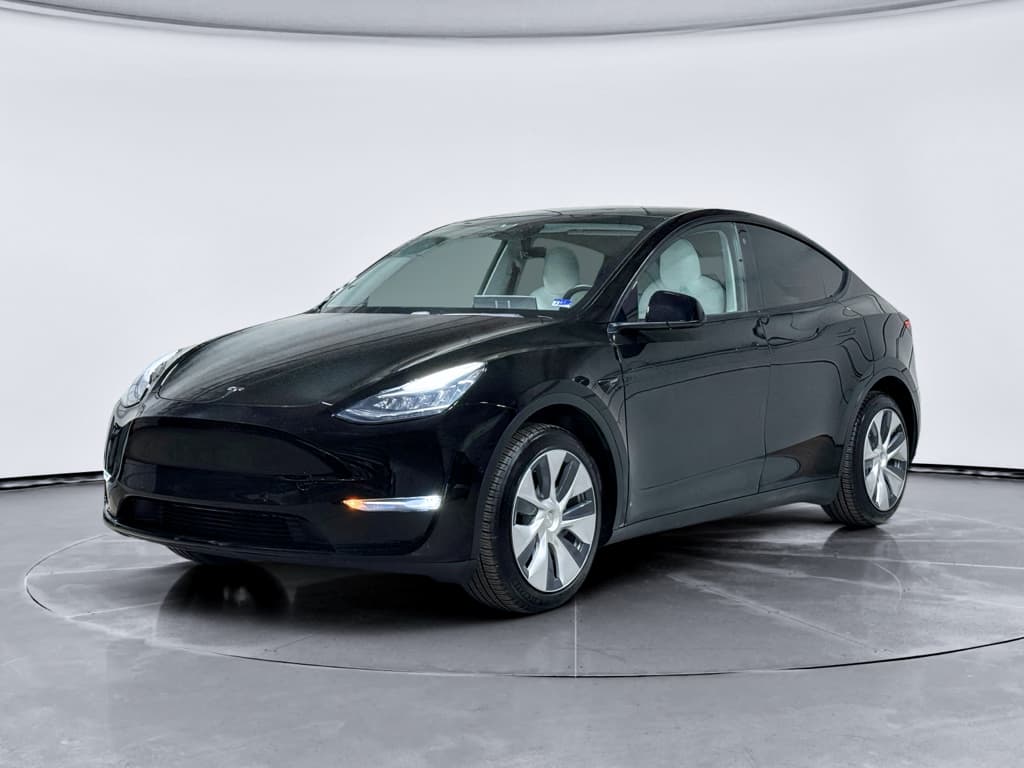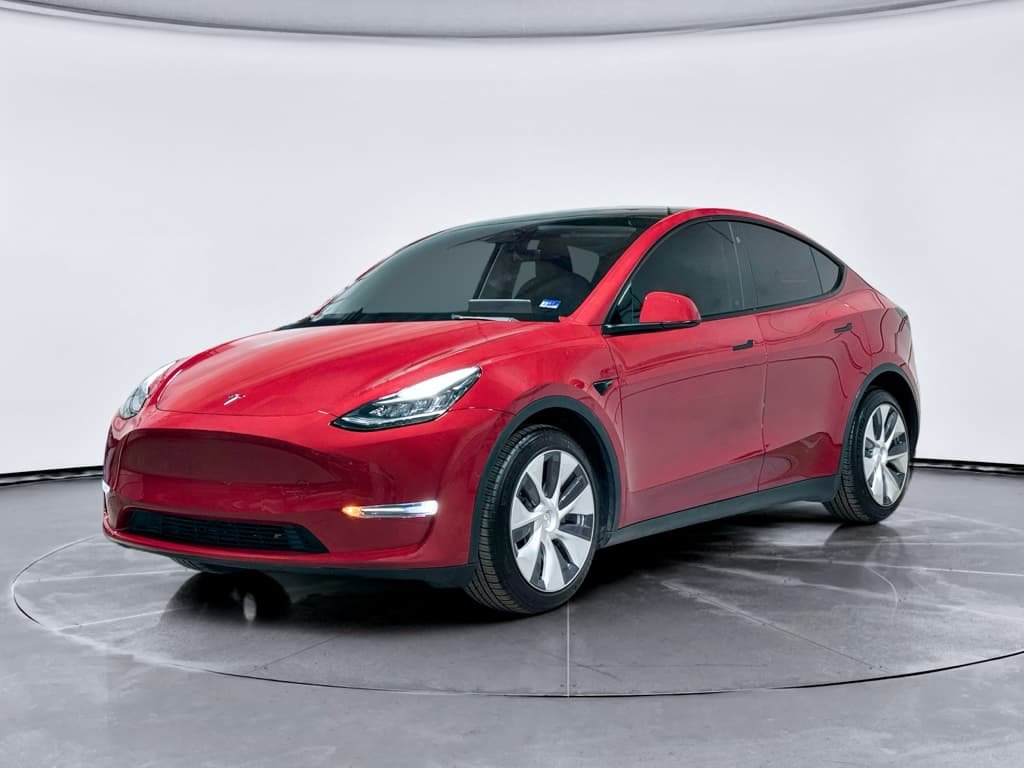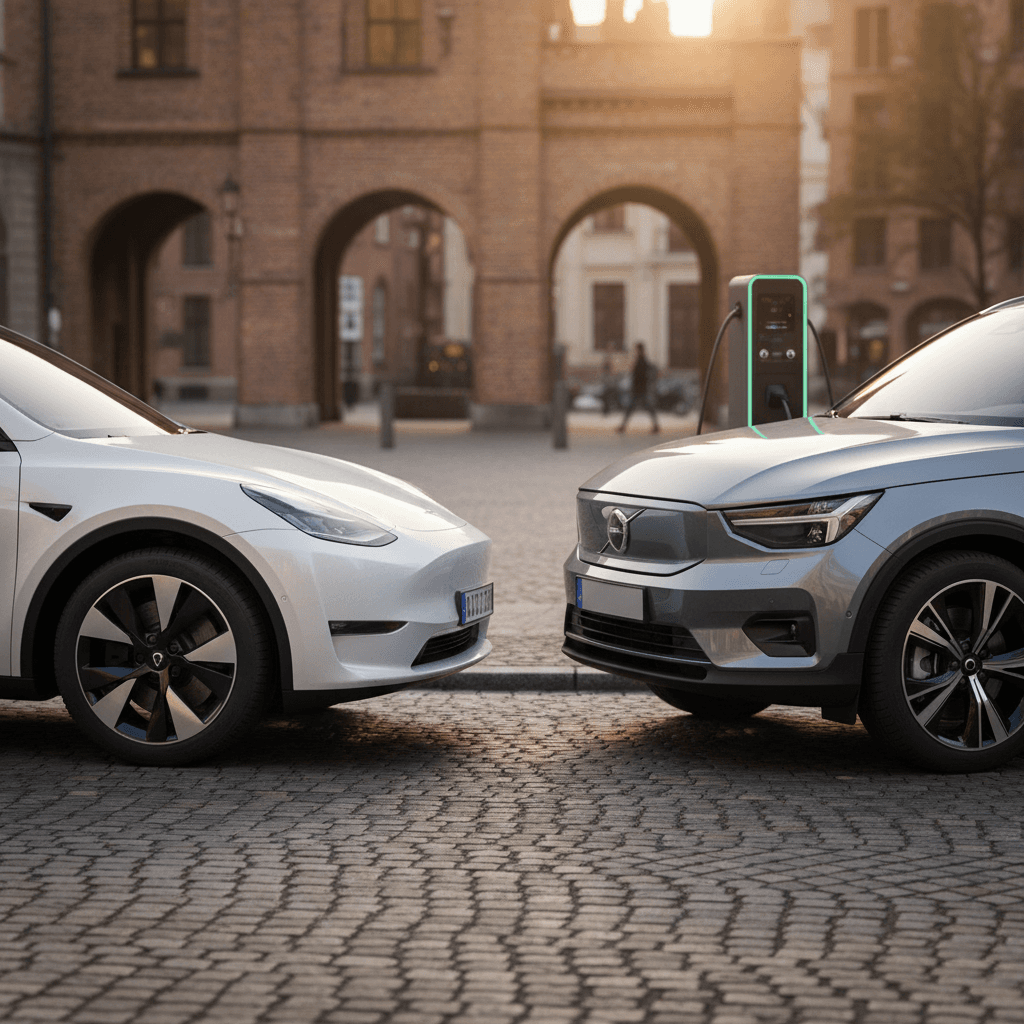
You’re cross‑shopping two very different takes on the compact electric SUV: a used Tesla Model Y, the best‑selling EV in America, and Volvo’s EX30, a newcomer with Scandinavian charm and hot‑hatch attitude. In 2026, the “used Tesla Model Y vs Volvo EX30” comparison is less about old vs new and more about which ownership experience you want to live with for the next 5–10 years.
Two very different plays
Overview: Model Y vs EX30 in 2026
Tesla’s Model Y has been on U.S. roads since 2020 and is now ubiquitous. That means deep used inventory, known strengths and known warts. The Volvo EX30, by contrast, only started reaching U.S. customers in 2024–2025. It’s smaller, cheaper when new, and positioned more as a premium subcompact than a family hauler.
Used Tesla Model Y (2021–2024 sweet spot)
- Midsize crossover, seats up to 7 with optional third row.
- Excellent range for the money; mature access to Tesla Superchargers.
- Proven powertrain but lots of recalls and build‑quality controversies.
- Used prices have softened, especially as new competition piles in.
Volvo EX30 (2025–2026 new or lightly used)
- Subcompact SUV, strictly two rows and city‑friendly footprint.
- Strong performance (up to 3.4s 0–60) and premium feel in a small package.
- Less range than most Model Y trims but fast DC charging and modern safety tech.
- Early recalls and software gremlins, but less long‑term data overall.
How to frame your decision
Quick specs: used Tesla Model Y vs Volvo EX30
Exact numbers vary by trim and model year, but here’s how a typical used Model Y stack ups against a 2025–2026 EX30 for a U.S. buyer.
Core spec snapshot (typical trims a 2026 shopper will see)
Approximate specs for a 2022–2023 Model Y Long Range vs a 2025 Volvo EX30 Single Motor Extended Range in the U.S. Always verify exact specs for the VIN you’re considering.
| Used Tesla Model Y (Long Range AWD) | Volvo EX30 (Single Motor Extended Range) | |
|---|---|---|
| EPA range | ~330 miles when new; expect ~300+ on a healthy used pack | ~275 miles EPA |
| DC fast‑charge peak | Up to ~250 kW on V3 Supercharger | Up to ~153 kW DC |
| 0–60 mph | Around 4.7–4.8 seconds | Around 5.1 seconds |
| Drive layout | Dual‑motor AWD | Single‑motor RWD (AWD available on Twin Motor) |
| Seating | 5 standard (optional small 3rd row on some years) | 5 |
| Cargo space (rear seats up) | Roughly mid‑60s cubic feet seats down; among class leaders | Closer to small hatchback than midsize SUV |
| Home AC charging | Up to 11.5 kW (48A, 240V) with Wall Connector | Up to ~11 kW (48A, 240V) |
| Charging connector (U.S.) | NACS (Tesla) | CCS1 initially, transitioning to NACS on newer builds |
| Typical 2026 price window | Many well‑optioned cars in the mid‑$30Ks depending on year and miles | New stickers often low‑$40Ks before incentives; lightly used still high‑$30Ks to low‑$40Ks |
Numbers are typical published values; real‑world results depend on weather, driving style and options.
How the two SUVs sit in today’s EV market
Range and charging: real‑world ownership
In daily life, range and charging determine whether an EV feels easy or like a science project. On this front, the used Tesla Model Y still has an edge for most American driving patterns.
Range and charging: where each EV shines
Think in terms of your typical week, not just the brochure number.
Used Tesla Model Y: highway legs for days
- Range: Long Range trims are rated around 330 miles new; even with some degradation, many used examples will comfortably do 260–300 miles in mixed driving.
- Supercharging: Native access to Tesla’s Supercharger network with peak DC rates up to ~250 kW on modern V3 stalls.
- Trip planning: Tesla’s built‑in nav automatically plans Supercharger stops and preconditions the battery for faster charging.
Volvo EX30: fast charging, shorter legs
- Range: Extended‑range single‑motor trims sit in the mid‑200s miles EPA, and that number falls faster at 75–80 mph or in winter than it does in a Model Y.
- DC charging: Peak around 153 kW means a healthy 10–80% session in roughly half an hour when conditions are right.
- Networks: Early U.S. EX30s use CCS1; newer ones transition to NACS, opening Tesla Superchargers as networks roll out multi‑brand support.
Don’t buy on EPA range alone
If you regularly do 250‑mile winter highway days, the used Model Y’s combination of bigger battery and seamless Supercharger integration makes life easier. If your world is mostly 30‑mile commutes and you can charge at home, the EX30’s shorter legs are less of a compromise, and its smaller pack charges from 10–80% very quickly on a good DC fast charger.
Tech, UX and driving experience
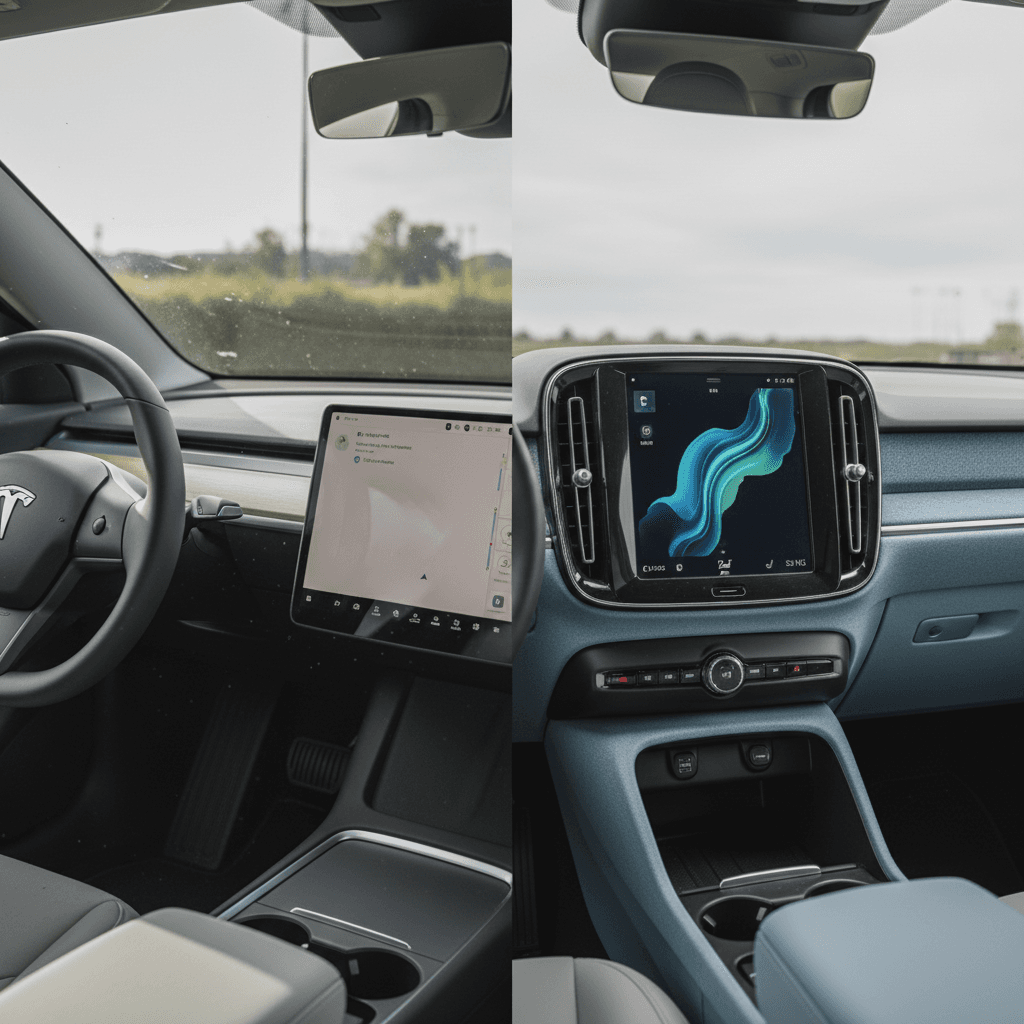
Tesla Model Y: the iPhone on wheels
- Interface: Single central touchscreen runs almost everything, from wipers to vents. Quick and fluid, but some drivers miss physical controls.
- Software maturity: Years of over‑the‑air updates have polished the UX, route planning and voice commands, even if new features occasionally arrive half‑baked.
- Autopilot / FSD: Highway assistance is very good at lane‑keeping and traffic‑aware cruise, but driver‑attention nags and policy changes can be frustrating.
- Driving feel: Calm, efficient and quick. Steering is light and the ride can be stiff on larger wheels but generally competent rather than playful.
Volvo EX30: Scandinavian mood lighting with some software drama
- Interface: Tall central screen with Google‑based infotainment, plus more conventional stalks and switchgear than Tesla.
- Design: Colorful materials, clever storage and playful details make the cabin feel less like a laptop and more like a Scandi living room.
- Software maturity: Being new, the EX30’s infotainment has seen bugs, glitches with Bluetooth, apps and responsiveness, that Volvo is chasing with updates.
- Driving feel: Short wheelbase and strong motors make it feel zippy and tossable in town, especially the Twin Motor Performance, which is genuinely quick.
Test‑drive them back‑to‑back
Space, practicality and usability
On paper, both are small SUVs. In reality, the used Model Y is the better family pack mule while the EX30 is more of an adult‑pair or small‑family city car.
Practicality comparison: how they work in real life
Think strollers, Costco runs and parallel parking, not brochure photos.
Passenger space
Model Y: Airy cabin, excellent rear‑seat legroom and a high seating position. Optional third row is tiny but useful for short kid trips.
EX30: Comfortable for four adults but narrower; rear seat and cargo area feel more like a tall hatchback than a true SUV.
Cargo and flexibility
Model Y: Huge under‑floor storage and a front trunk. With seats folded, it can swallow bikes, camping gear or a month of warehouse‑store optimism.
EX30: Trunk is fine for grocery runs and weekend bags. Fold the seats and it’s flexible, but if you routinely haul pets, strollers or sports gear, you’ll notice the size difference.
Urban usability
Model Y: Still feels reasonably compact, but wider and longer; tight garages and old city streets can feel a bit oversized.
EX30: Shorter footprint and tighter turning radius make it easy to park and place in crowded urban cores.
Kids, car seats and chaos factor
Safety, driver assistance and crash protection
You’re not comparing a safe car to an unsafe one here. Tesla and Volvo are two of the loudest voices in automotive safety, just with different philosophies.
- Tesla Model Y has performed very well in crash tests historically and offers a strong active‑safety suite (automatic emergency braking, lane‑keeping, blind‑spot warnings on newer years).
- Volvo EX30 continues Volvo’s reputation for passive safety, with robust structure, side‑impact protection and an arsenal of driver‑assist features baked in from launch.
- Both vehicles rely heavily on cameras and radars. When the software behaves, lane‑keeping and adaptive cruise on the highway are good in both; when it doesn’t, you’ll see phantom braking and occasional over‑protective maneuvers.
Safety isn’t just stars and scores
Reliability, recalls and software quirks
Both of these EVs have powerful motors and relatively simple drivetrains compared to gas cars. The trouble tends to live in the stuff you touch and the code you don’t see, build quality, electronics and software.
Reliability snapshot: knowns vs unknowns
No EV is perfect. Here’s where the pain points have shown up so far.
Used Tesla Model Y reliability themes
- Pros: Powertrains and battery packs have generally held up well; many high‑mileage cars show minimal degradation when properly cared for.
- Common complaints: Panel gaps, paint quality, interior squeaks/rattles and intermittent electronic gremlins (sensors, screens, door handles, etc.).
- Recalls: The Model Y has collected a long list of recalls, many addressed by software, some requiring hardware checks or replacements.
Volvo EX30 reliability themes (early days)
- Pros: Early owners report solid battery performance and strong driving dynamics.
- Common complaints: Infotainment bugs, app connectivity issues and other “version‑1.0” software problems.
- Recalls: A notable battery‑related recall campaign affected tens of thousands of EX30s globally, with Volvo replacing packs and advising temporary charge‑limits on affected cars. As with any young model, expect some teething issues.
What Recharged’s inspections add
Up‑front price, running costs and resale value
You’re not just choosing a car, you’re choosing a depreciation curve. This is where a used Tesla Model Y can be a very rational decision, even next to a shiny new EX30.
Used Tesla Model Y economics
- Purchase price: By 2026, there are thousands of 2021–2023 Model Ys in circulation, so you can often land a clean example in the mid‑$30Ks depending on miles, trim and options.
- Depreciation: A lot of the early drop has already happened. Going used means you’re catching the Model Y as it levels out rather than at the peak of its curve.
- Energy costs: Efficiency is good, and Superchargers tend to be reliable and competitively priced. Home charging on a time‑of‑use plan is where the real savings live.
- Resale: Barring a major market shock, demand for used Teslas, and especially the Model Y, should remain strong into the late 2020s.
Volvo EX30 economics
- Purchase price: New EX30s undercut a new Model Y, often landing in the low‑$40Ks before incentives. Lightly used examples haven’t had time to fall as far.
- Depreciation: As a newer, less proven model, depreciation is a bit of a question mark. Early heavy discounts or major recalls can push values down faster.
- Energy costs: Slightly smaller battery and good DC fast‑charge speeds help keep charging windows short, but you give up some highway efficiency compared to a Model Y.
- Resale: Volvo’s brand equity in safety helps, but used‑EV shoppers will be watching how EX30 reliability and recalls play out over the next few years.
Consider financing and total cost, not just sticker
Which EV fits which kind of buyer?
Match the EV to your life, not your neighbor’s
The road‑trip family
Regular interstate drives of 200+ miles, sometimes in bad weather.
Two or more kids, strollers, sports gear, maybe a dog.
Want as few public‑charging “science experiments” as possible.
<strong>Better fit:</strong> used Model Y Long Range with healthy battery and verified Supercharger access.
The urban minimalist
Live in or near a dense city with tight parking and short hops.
Mostly drive 20–40 miles a day, with rare long trips.
Care more about style, materials and easy parking than cubic feet.
<strong>Better fit:</strong> Volvo EX30 Single Motor, especially if you have reliable home or workplace charging.
The performance‑curious
You like the idea of an EV that’s genuinely quick off the line.
You may not track your car, but you want something that feels special.
You’re okay trading some range for fireworks.
<strong>Better fit:</strong> Tie. Model Y Performance is brutally fast; EX30 Twin Motor is Volvo’s own little rocket. Choose based on size and charging needs.
The risk‑averse pragmatist
You want the most predictable ownership experience and best‑known track record.
You don’t enjoy surprises, especially software bugs or early‑production issues.
You want to know what this car will feel like at 80,000+ miles.
<strong>Better fit:</strong> used Model Y with a strong inspection history and documented recall work.
Checklist: questions to answer before you choose
Key questions to ask yourself (and the seller)
1. How often do you drive more than 200 miles in a day?
If the answer is “a few times a year,” both EVs can work with planning. If it’s “twice a month in winter,” the Model Y’s extra range and charging ecosystem is a major advantage.
2. Where will you charge 90% of the time?
Home Level 2 charging flattens many differences between these two. If you rely heavily on public DC fast charging, lean toward whichever car offers more reliable, convenient networks in your area.
3. How many people and how much stuff do you move?
Walk through your typical week: school drop‑offs, Costco, dog park, road trips. If you’re regularly running out of room in your current compact SUV, be cautious about downsizing to an EX30.
4. What’s your tolerance for software weirdness?
Early‑run EX30s can feel like a beta program on wheels until updates stabilize. Teslas also experiment in production, but the Model Y’s core UX is now very familiar. Decide how much patience you have for updates and bug‑fix cycles.
5. Are you comfortable buying used?
If you want warranty coverage and zero previous owners, the new‑EX30 route is obvious. If you’re open to inspected used with verified battery health, a platform like Recharged can put a Model Y in your driveway with more range for similar or less money.
6. How long will you keep the car?
A three‑year lease on something new vs a six‑year run with a used Model Y are very different financial stories. Longer ownership usually favors the vehicle with better efficiency, range headroom and proven reliability.
FAQ: used Tesla Model Y vs Volvo EX30
Frequently asked questions
Bottom line: how to choose with confidence
Viewed coldly, the used Tesla Model Y is still the default answer for many American EV buyers in 2026: more range, more charging options, more space, and a deeply understood reliability profile. Sentiment aside, it’s the rational choice for road‑trip families and anyone who wants their first EV to just work. The Volvo EX30, meanwhile, is the connoisseur’s choice: smaller, more stylish, more characterful, with enough performance to embarrass sports sedans and a cabin that feels like a designer apartment, not a gadget.
If you’re leaning Tesla, focus on getting the right used Model Y: solid battery health, clean history, recall work done and a price that reflects the market. That’s exactly the gap Recharged was built to fill, with verified battery diagnostics, fair market pricing, nationwide delivery and EV‑specialist support from search to final click. If your heart is set on the EX30, go in eyes open: insist on the latest software, confirm recall status, and make sure its smaller size and shorter range truly fit your life.
Either way, don’t let the spec race make the decision for you. Drive both, picture a bad‑weather Tuesday as clearly as the Instagram road trip, and then pick the EV whose compromises you can live with. The right answer isn’t which car wins on paper, it’s which one quietly wins every Tuesday for the next decade.