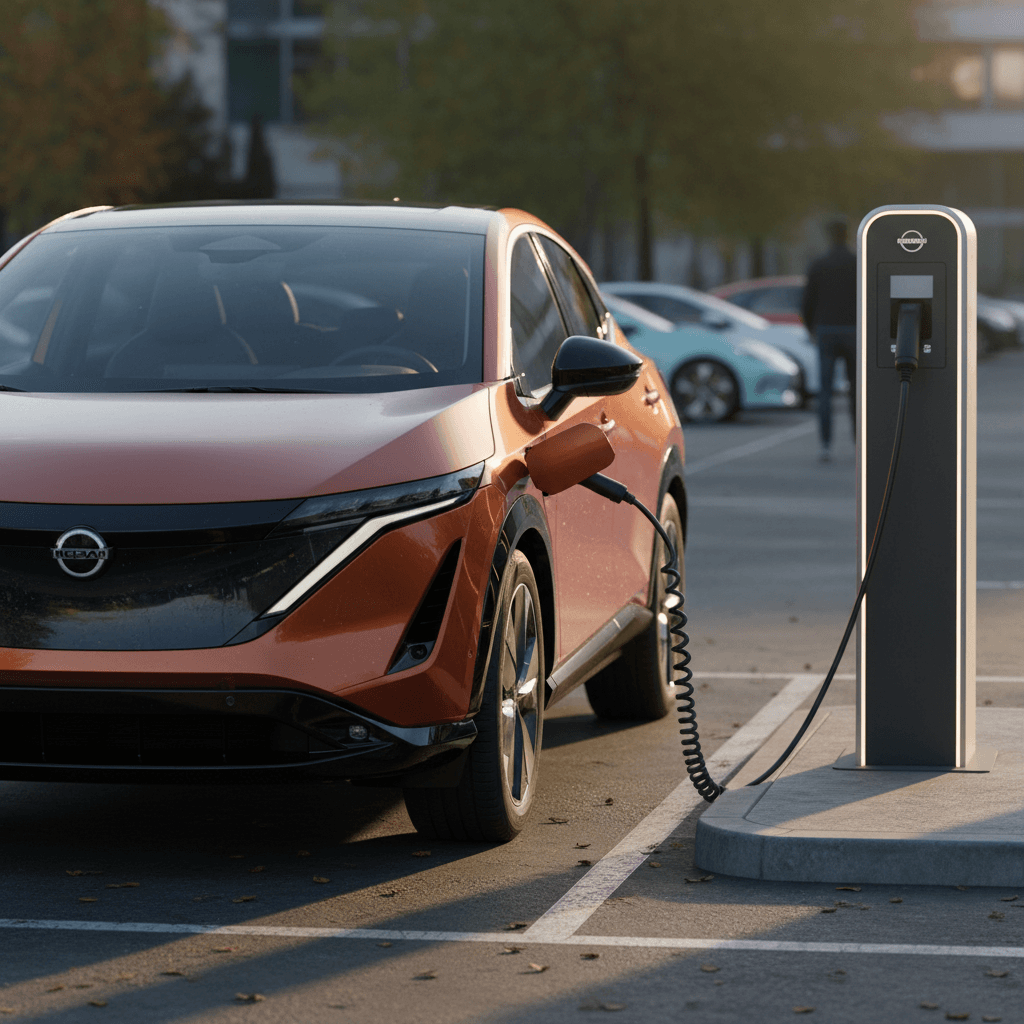
You’re shopping for a compact electric SUV and keep seeing two names: a used Tesla Model Y and Volvo’s new EX30. On paper they overlap, but in reality they appeal to very different buyers. One is a proven, roomy family EV you’ll likely buy used; the other is a brand‑new, smaller premium crossover aimed at style and value. This guide breaks down used Tesla Model Y vs Volvo EX30 in plain language so you can decide which one actually fits your life and your budget.
Same segment, different missions
Overview: Used Tesla Model Y vs Volvo EX30
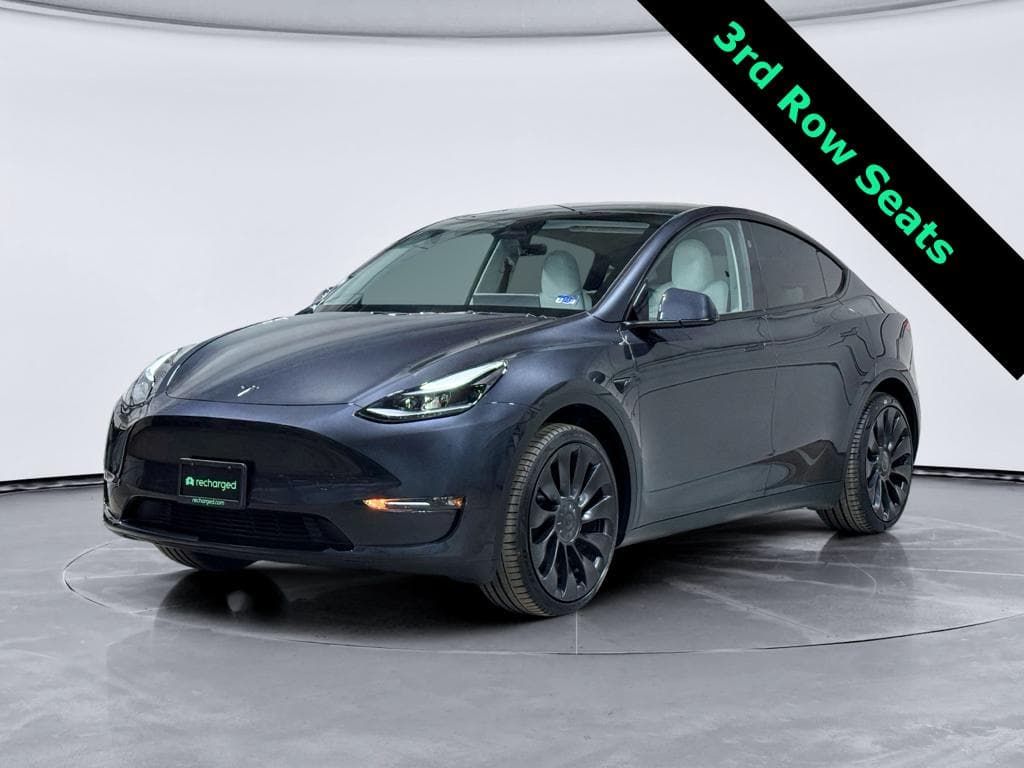
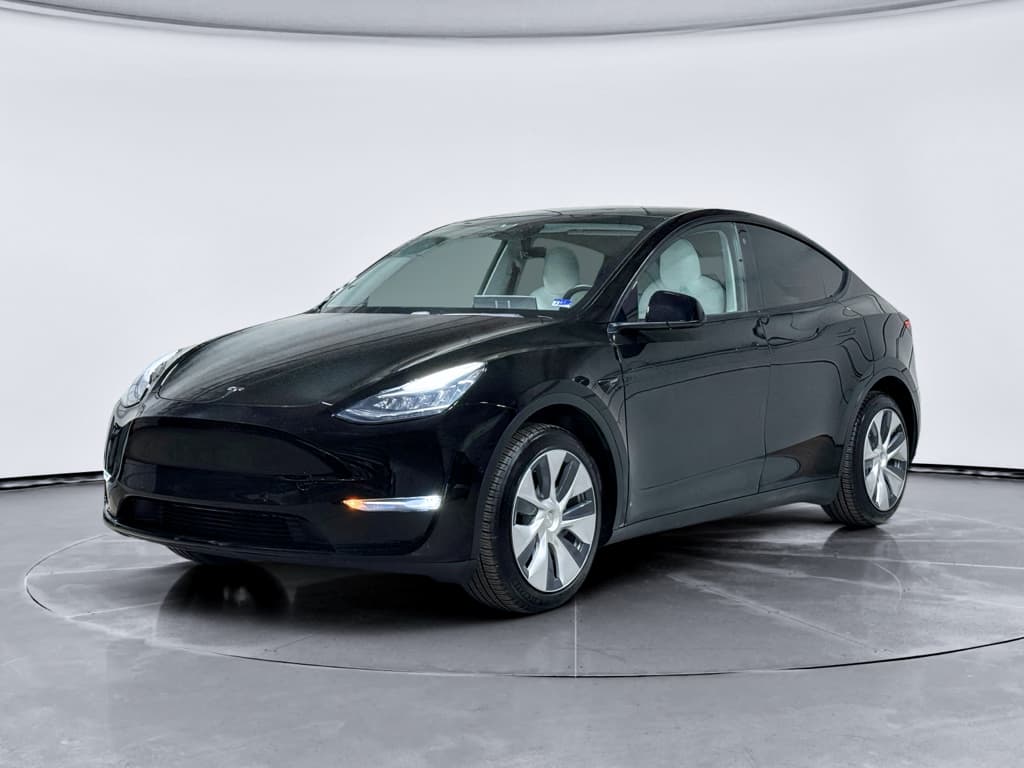
Tesla Model Y (used)
- Size: Compact/midsize SUV with 2 or 3 rows
- Typical buyer: Families or road‑trippers who want space and Supercharger access
- Powertrains: Dual‑motor AWD (Long Range & Performance), earlier base RWD in some years
- EPA range: Roughly 279–330 miles depending on trim and year
- Market reality: Huge U.S. sales volume, lots of used inventory, values have dropped vs original MSRP
Volvo EX30 (new)
- Size: Subcompact SUV – much shorter and narrower than Model Y
- Typical buyer: Singles/couples or empty‑nesters in cities and suburbs
- Powertrains (US): Single Motor RWD or Twin Motor Performance AWD
- EPA range (2026 lineup): up to about 261 miles Single Motor; mid‑200s for Twin Motor depending on wheels
- Market reality: All‑new entry‑level Volvo EV with modern safety tech and premium feel at a lower starting price than a new Model Y
Think body size first, tech second
Pricing and Value: Used vs New
When you compare a used Tesla Model Y vs a new Volvo EX30, you’re really comparing used vs new EV economics. That changes how you think about price, depreciation, and incentives.
Typical U.S. Price Bands (early 2026 marketplace)
Used Tesla Model Y vs Volvo EX30: Price & Value Snapshot
Approximate U.S. pricing context in early 2026. Actual listings vary by mileage, condition, and market.
| Used Tesla Model Y | Volvo EX30 (new) | |
|---|---|---|
| Typical transaction band | ~$28,000–$40,000 for 2021–2023 Long Range/Performance | ~$40,000–$46,000 Single Motor; up to high‑$40ks Twin Motor / Cross Country |
| New MSRP context | New Model Y generally mid‑$40ks and up depending on trim and promotions | Single Motor around $40k; Twin Motor and Cross Country up to about $49k |
| Federal tax credit | Usually not available on used Teslas unless they meet used‑EV credit rules | Subject to current new‑EV tax credit rules; check latest IRS guidance |
| Depreciation curve | Already down from original MSRP, slower future drops | Brand‑new; steeper early‑years depreciation |
Use these bands as ballpark starting points, not quotes.
Watch real‑world prices, not list prices
Value Questions to Ask Yourself
1. Do you qualify for EV tax credits?
New EX30 buyers may qualify for a federal new‑EV credit depending on final assembly and battery sourcing rules, while some used Model Y examples may qualify for the used‑EV credit. That can swing your real cost by thousands of dollars.
2. How long will you keep the car?
If you keep vehicles a long time, a new EX30’s warranty period may matter more. If you plan to keep it only 3–5 years, a used Model Y that’s already absorbed its biggest depreciation hit can be very compelling.
3. Is maximum range worth paying more upfront?
If you regularly road‑trip or have a long commute, paying a little extra for a used Long Range Model Y might save you time and charging hassle over years of ownership.
4. Are you comfortable with early‑generation issues?
The Model Y is a mature product with known quirks. The EX30 is brand‑new to the U.S. and has already seen software updates and some range‑performance headlines, so you’re buying into a younger platform.
Range, Battery & Charging Experience
Range and charging are where the Tesla Model Y has built its reputation, and where the Volvo EX30 aims to deliver enough capability for daily life in a smaller package.
Range & Battery: How They Stack Up
Approximate EPA estimates for current U.S. offerings; exact numbers vary by year, wheel size, and trim.
Used Tesla Model Y
- Battery size: Roughly 75–80 kWh usable on Long Range and Performance.
- EPA range when new: ~279 miles (base), ~303 miles (Performance), up to ~330 miles (Long Range) depending on model year.
- Real‑world used EV factor: Expect some battery wear. A healthy used car often shows modest range loss vs window sticker, which Recharged’s battery diagnostics can help you verify.
- Charging: Up to 250 kW DC fast charging and seamless access to Tesla’s Supercharger network, which now increasingly supports non‑Teslas but still works best with Teslas.
Volvo EX30 (2026 U.S. lineup)
- Battery size: About 69 kWh pack for Single and Twin Motor variants.
- EPA range: up to around 261 miles for Single Motor RWD; AWD/Twin Motor and Cross Country trims sit in the mid‑200s and can drop closer to 200 miles with off‑road wheels and tires.
- Charging: DC fast‑charging peak around the mid‑100 kW range (Volvo quotes up to ~175 kW) with 10–80% in roughly 28 minutes on a strong DC fast‑charger.
- Networks: CCS charging on public networks today, with NACS access expected as Volvo joins the Tesla charging standard transition.
Highway range reality check
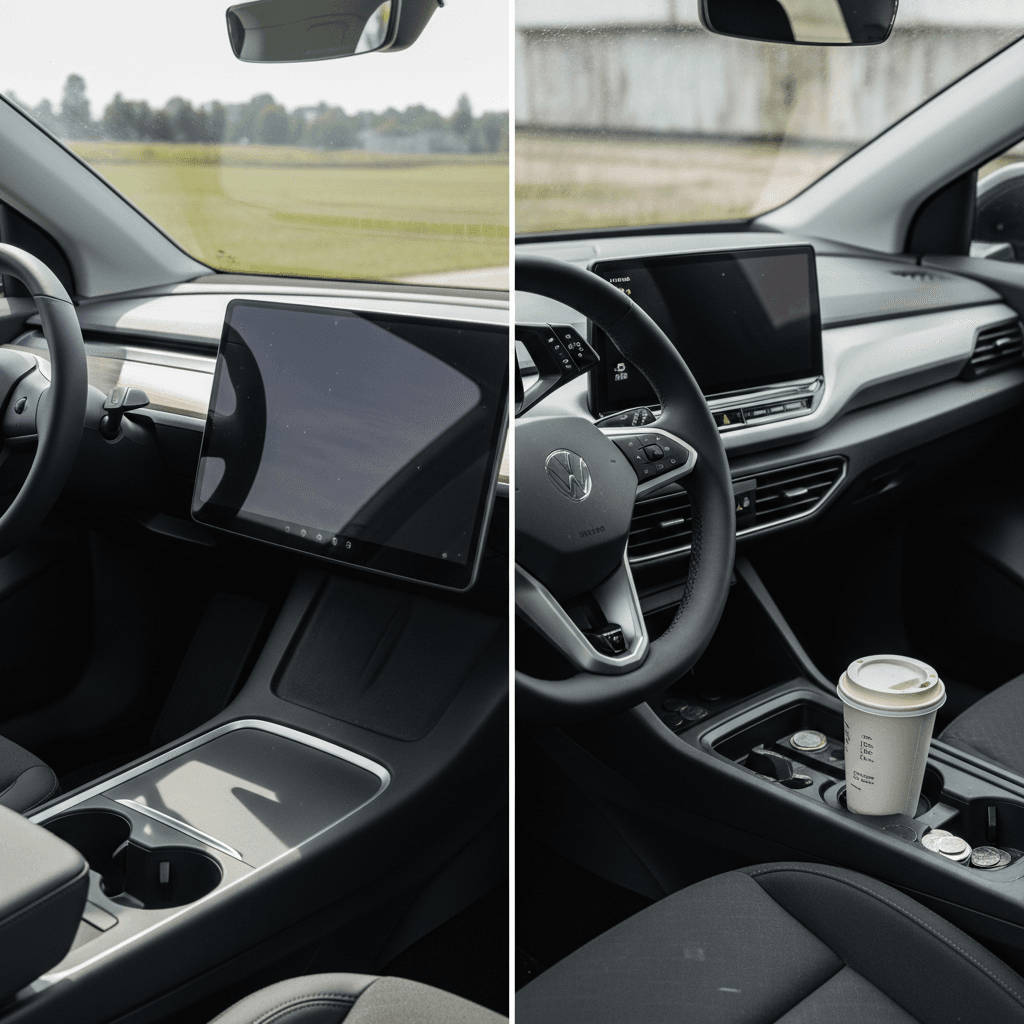
If you want the most range for the money, a used Model Y Long Range still wins easily. You’ll likely get 40–70 more real‑world miles on a charge than in an EX30, plus faster Supercharger access on road trips. The EX30’s range is perfectly workable for daily commuting and weekend errands, but it’s not a cross‑country specialist.
Space, Practicality & Comfort
This is where the comparison becomes almost apples to oranges. A used Model Y is a family‑sized crossover; the EX30 is more of a raised hatchback. Both seat five, but space and cargo flexibility are radically different.
Interior & Cargo Space Comparison
Approximate manufacturer and third‑party published specs.
| Used Tesla Model Y | Volvo EX30 | |
|---|---|---|
| Overall size | Compact/midsize SUV | Subcompact SUV |
| Rows/seating | 2 rows standard (5 seats), some 3‑row (7‑seat) versions | 2 rows, 5 seats |
| Cargo behind 2nd row | About 30 cu ft | About 11 cu ft plus small under‑floor storage |
| Cargo max with seats folded | Around 70+ cu ft | Around low‑30s cu ft |
| Rear legroom | Comfortable for adults on long trips | Noticeably tighter; better for kids or shorter trips |
Model Y is the better choice if you routinely haul people and stuff; EX30 is ideal if you mostly drive solo or with one passenger.
Family hauler champion: Model Y
The EX30 pushes a different kind of comfort: Scandinavian minimalism, playful color and material choices, clever storage touches, and an easy‑to‑park footprint. If you live in a dense city, drive alone most of the time, and rarely fill the back seat, you may actually be more comfortable in the EX30 because it feels smaller and easier to manage.
Performance and Driving Feel
Both crossovers are quick by traditional SUV standards, but they deliver that speed with different personalities.
Power & Acceleration Snapshot
Exact figures vary by year and trim, but this gives you the flavor.
Used Tesla Model Y
- Long Range AWD: Strong, effortless acceleration and confident passing. 0–60 mph typically in the mid‑4‑second range depending on year.
- Performance: Serious punch. Around the mid‑3‑second 0–60 mph mark when new, with standard dual‑motor AWD.
- Driving feel: Light steering, quick responses, very quiet. Some owners find the ride a bit firm over broken pavement.
Volvo EX30
- Single Motor RWD: About 268 hp, brisk rather than brutal. 0–60 mph in the mid‑5s in most tests.
- Twin Motor Performance: Over 420 hp and AWD, with a claimed 0–60 mph time in the mid‑3‑second range – genuinely quick, rivaling a Model Y Performance off the line.
- Driving feel: Smaller, more tossable, and easier to thread through tight urban streets. Some early reviews note a firm ride and noticeable tire noise on coarse surfaces.
Handling vs straight‑line speed
Safety, Tech & Driver Assistance
Both Tesla and Volvo build safety into their brands, but they take different routes with driver‑assistance and infotainment.
Tesla Model Y (used)
- Active safety: Automatic emergency braking, lane‑keeping assist, blind‑spot monitoring and more are standard on recent Model Y years.
- Autopilot: Standard adaptive cruise and lane‑centering on most used examples, with optional paid upgrades for Enhanced Autopilot or Full Self‑Driving on some cars.
- Infotainment: Tesla’s proprietary interface with frequent over‑the‑air (OTA) updates, streaming apps, and integrated trip planning that automatically adds Supercharger stops.
- Crash performance: Consistently strong crash‑test ratings and real‑world safety record in the U.S. market.
Volvo EX30 (new)
- Active safety: Volvo’s latest driver alertness system, cyclist‑detection door alerts, and automatic emergency braking are standard. OTA updates are already being deployed to refine behavior.
- Pilot Assist: Volvo’s lane‑centering and adaptive cruise system. Recent updates can even bring the car to a safe stop if the driver becomes unresponsive.
- Infotainment: Google‑based system with built‑in Google Maps and Assistant on a large central touchscreen; fewer hard buttons than traditional Volvos.
- Brand reputation: Volvo remains synonymous with safety, and EX30 is engineered to meet its latest internal standards.
Touchscreen‑heavy controls
Ownership Costs & Depreciation
With EVs, ownership cost isn’t just electricity vs gas. You’re also thinking about battery life, software support, and depreciation.
Key Ownership Differences
What will likely matter to you over 3–8 years of ownership.
Depreciation curve
Warranty coverage
Battery health & confidence
Routine maintenance tends to be low on both vehicles compared with gas SUVs: no oil changes, fewer moving parts, and mostly tires, cabin filters, and brake fluid. Insurance can be higher than average for both because of repair costs and the amount of tech on board, so it’s smart to quote both vehicles with your insurer before you sign anything.
Which One Fits Your Lifestyle? Scenarios
Specs are useful, but the right choice really comes down to how you’ll live with the car. Here are some realistic scenarios to pressure‑test a used Tesla Model Y vs Volvo EX30 decision.
Choose the EV That Matches Your Life
Growing family, lots of stuff
You regularly carry two or more kids in car seats, plus gear.
You take several road trips a year and don’t want to think about range or trunk space.
You value easy access to a dense fast‑charging network more than the latest aesthetic.
<strong>Better fit:</strong> Used Tesla Model Y Long Range. The extra cargo space and range are hard to beat.
Urban commuter, tight parking
You live in a city or dense suburb where street parking and small garages are the norm.
Most of your trips are under 40 miles round‑trip, with an occasional weekend away.
You care more about design, materials, and feeling nimble than outright space.
<strong>Better fit:</strong> Volvo EX30 Single Motor. Small footprint, premium cabin feel, enough range for daily life.
Performance‑minded EV fan
You love quick launches and confident passing power.
You don’t need a huge cargo area but enjoy sharp design and tech.
You’re cross‑shopping higher‑spec versions of each model.
<strong>Better fit:</strong> Toss‑up. Model Y Performance offers space plus speed; EX30 Twin Motor feels like a stylish hot hatch on stilts. Test‑drive both on the same day.
Value hunter on a budget
You want into an EV SUV for the lowest real monthly cost, not just lowest MSRP.
You’re open to financing a used vehicle if the payment and warranty mix are right.
You’re watching depreciation closely and don’t want to be deeply upside‑down.
<strong>Better fit:</strong> Often a used Model Y, especially when paired with strong used‑EV financing. You’re buying after the biggest value drop, not before it.
How Recharged Helps With a Used Model Y
If you lean toward a used Model Y, where you buy matters as much as what you buy. A generic used‑car lot can’t usually tell you much beyond basic history and a visual inspection. With an EV, that’s not enough. The battery pack is the single most expensive component, and software can make or break the ownership experience.
Why Consider a Used Model Y Through Recharged
Focused on making used‑EV ownership transparent and low‑stress.
Verified battery health
Financing & trade‑in support
Digital purchase & delivery
Ready to find your next EV?
Browse VehiclesUse experts to compare real cars, not just brochures
FAQ: Used Tesla Model Y vs Volvo EX30
Frequently Asked Questions
Bottom Line: Quick Takeaways
- Choose a used Tesla Model Y if you need space, range, and the smoothest Supercharger experience, and you like the idea of buying after the biggest depreciation hit.
- Choose a Volvo EX30 if you want a compact, stylish city‑friendly EV with modern Volvo safety tech and you don’t regularly haul lots of people or gear.
- If you’re on the fence, drive both back‑to‑back and pay attention to parking, visibility, and how often you really load the cargo area or back seat.
- Leverage EV‑specialist platforms like Recharged to de‑risk the used‑EV side of the equation with verified battery health, transparent pricing, and guided financing.
In the end, neither choice is “better” in a vacuum. A used Tesla Model Y and a new Volvo EX30 simply solve different problems. Decide whether your top priority is space and range or size and style, then let the numbers, test‑drives, and ownership costs reinforce that call. If a used Model Y ends up at the top of your list, tools like the Recharged Score and expert EV advisors can make sure the one you buy is the right one for how, and how long, you plan to drive it.