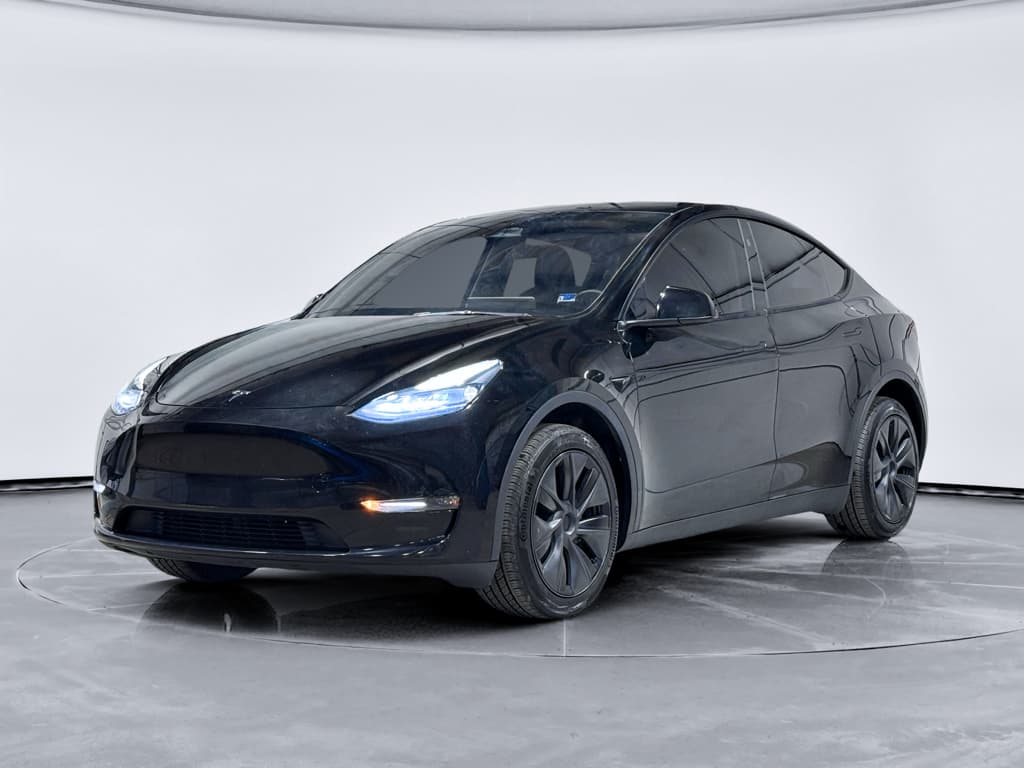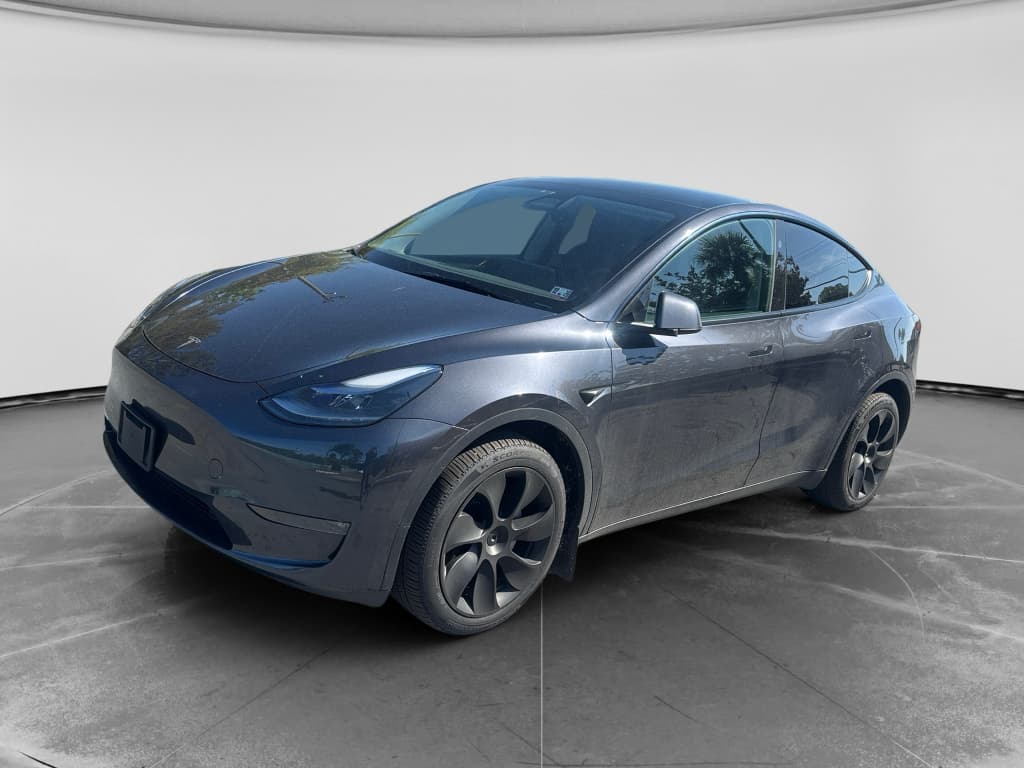
You’re shopping for a family‑friendly electric SUV, and the search keeps coming back to the same two names: the used Tesla Model Y and the used Ford Mustang Mach‑E. On paper they look similar, five‑door electric crossovers with strong range and big touchscreens, but they deliver very different ownership experiences, especially once they’ve got a few years and miles on them.
Who this guide is for
Why this comparison matters for used buyers
New‑car reviews love 0–60 times and screen sizes. When you’re buying used, you care about battery health, real‑world range, repair costs, and how much software support the car will still get five years from now. The used Tesla Model Y vs Ford Mustang Mach‑E decision is less about brand loyalty and more about which one fits your charging situation, tech comfort level, and budget.
- You’re cross‑shopping lightly used compact electric SUVs (roughly 2021–2024 model years).
- You drive 8,000–15,000 miles a year and want at least 200 miles of realistic range.
- You plan to keep the car beyond the original bumper‑to‑bumper warranty.
- You’re trying to understand how Tesla’s ecosystem compares with Ford’s more traditional dealer network.
Used‑buyer mindset
Tesla Model Y vs Ford Mustang Mach‑E at a glance
Headline numbers (recent model years)
Used Tesla Model Y vs Ford Mustang Mach‑E: key differences
High‑level comparison of mainstream trims you’re likely to see on the used market (not every configuration).
| Category | Used Tesla Model Y (Long Range/ AWD) | Used Ford Mustang Mach‑E (Premium/ ER) |
|---|---|---|
| EPA range when new | Approx. 303–330 miles | Approx. 300–320 miles |
| Drivetrain | RWD or AWD | RWD or eAWD |
| Max DC fast‑charge | Up to 250 kW on some trims | Up to 150 kW on long‑range versions |
| Seating | 5 or 7 (small 3rd row) | 5 |
| Cargo space (rear seats up) | More upright cargo area, plus deep front trunk | Good rear cargo, smaller frunk |
| Infotainment | Tesla OS, app‑centric, minimal buttons | SYNC‑based system, more familiar menus |
| Driver assist | Autopilot, optional Enhanced/“Full Self‑Driving” | Ford Co‑Pilot360, optional BlueCruise |
| Charging networks | Native access to Tesla Supercharger network, plus others via adapters | BlueOval Charge Network access (including Superchargers) |
Specs vary by year and trim; always verify the exact configuration on the car you’re considering.
Trim names matter
Range and efficiency: used reality vs window sticker
On the sticker, the Model Y usually wins the range war by a nose. Many long‑range Model Ys are rated between roughly 300 and 330 miles, while comparable Mach‑E extended‑range trims typically land in the 300–320‑mile zone, depending on drivetrain and year. That’s close enough that how you drive and where you charge will matter more than the last 10 miles of EPA estimates.
Tesla Model Y (used)
- Long Range AWD trims commonly rated around 303–330 miles when new.
- Very good highway efficiency, helped by clean aerodynamics and Tesla’s energy management.
- Software updates sometimes tweak range estimates over time.
On a 3–4‑year‑old Model Y, many owners report 10–15% real‑world degradation depending on mileage and climate, which still leaves comfortable road‑trip range for most drivers.
Ford Mustang Mach‑E (used)
- Extended‑range RWD Premium trims have been rated around 300–320 miles when new.
- AWD and performance trims trade some range for traction and power.
- Ford has improved range slightly with running changes and software updates.
Battery degradation on the Mach‑E has generally been modest as well, though long‑term data isn’t as deep as Tesla’s yet.
Think in “comfortable range,” not max range
Charging experience: Superchargers vs BlueOval
Charging is where Tesla built its reputation, and where Ford has been hustling to catch up. As a used buyer, you’re not just picking a vehicle; you’re picking an ecosystem of apps, charging networks, and hardware.
What charging looks like in the real world
Both SUVs can road‑trip; how easy it feels depends on where you live and how you charge.
Tesla Model Y
- Supercharger access is built in and deeply integrated with the car’s navigation.
- High‑power DC fast charging (up to around 250 kW on some trims) makes long trips straightforward on major corridors.
- Home charging with a 240V Level 2 unit will easily refill overnight for most commutes.
On a long trip, you mostly follow the on‑screen prompts: the car tells you where to stop and for how long.
Ford Mustang Mach‑E
- Uses the BlueOval Charge Network, which bundles multiple providers (including Tesla Superchargers) behind a single app account.
- Fast‑charge speeds up to around 150 kW on many long‑range trims are solid but not class‑leading.
- Home Level 2 charging works much like any other EV, plug in at night, wake up full.
The experience is closer to a traditional car with lots of gas brands: more flexibility, a bit more app‑juggling.
Connector and adapter wrinkles
Space, practicality, and comfort
Both of these SUVs will happily haul a family, but they do it with different personalities. The Model Y leans into a clean, almost Scandinavian minimalism; the Mach‑E feels more like a modern interpretation of a sports sedan inside a crossover shell.
Cargo and seating: Model Y
- Large hatch opening and generous rear cargo area, plus a useful front trunk.
- Available 3rd‑row seat on some used examples adds flexibility, but it’s best suited to kids or occasional use.
- Flat floor and big glass area make the cabin feel light and open.
If you’re coming out of a small three‑row crossover or a wagon, the Model Y will feel familiar in utility, just quieter and quicker.
Cargo and seating: Mach‑E
- Comfortable 2‑row layout with generous legroom and supportive seats.
- Rear cargo area is competitive, though the frunk is smaller than Tesla’s.
- More conventional dash layout with a central tablet and a separate digital gauge cluster.
If you like your EV to still feel like a "normal" car inside, the Mach‑E hits that sweet spot.
Car seats and kid duty
Performance and driving character
Neither of these is slow. Even the sensible trims have a shove that would embarrass yesterday’s V6 crossovers. But they deliver that performance with very different flavors.
How they drive
Same mission, different personality.
Tesla Model Y
- Quick, almost effortless acceleration even in non‑performance trims.
- Steering is light and accurate; ride can feel firm on rough pavement, especially with big wheels.
- Low center of gravity from the battery pack makes it feel planted in fast corners.
The performance‑oriented trims can be brutally quick; make sure you actually want that before paying extra on the used market.
Ford Mustang Mach‑E
- Standard and Premium trims are brisk; GT and Rally versions deliver true muscle‑car acceleration.
- Suspension tuning varies by trim, some are cushy, GT and Rally are firmer and more playful.
- Steering has a bit more traditional "weight" than the Tesla, which many drivers like.
If you’re drawn to the Mustang name because you enjoy driving, the Mach‑E can feel more emotionally engaging, especially in its hotter trims.
Performance vs efficiency
Tech, interface, and driver assistance
This is where the philosophies really diverge. Tesla bets on minimalism and software‑first design. Ford blends big screens with more familiar car controls and a dealer‑based service model.
Model Y: living in Tesla’s world
- Almost everything, from mirrors to wipers, is controlled through the central touchscreen.
- Over‑the‑air updates frequently change features, interfaces, and even efficiency tweaks.
- Autopilot is standard, with optional Enhanced Autopilot or “Full Self‑Driving” on some used cars.
- The Tesla app is deeply integrated for pre‑conditioning, charging, and remote controls.
If you like your tech cutting‑edge and don’t mind a learning curve, the Model Y feels more like a rolling smartphone than a traditional SUV.
Mach‑E: modern, but familiar
- Large vertical center screen plus a dedicated digital gauge cluster behind the wheel.
- Physical volume knob and a few key buttons reduce on‑screen hunting.
- Ford’s Co‑Pilot360 driver‑assist suite and available BlueCruise hands‑free highway driving on some trims.
- Uses FordPass and BlueOval apps for remote access and charging management.
If you want EV tech without feeling like a beta tester, the Mach‑E delivers a gentler on‑ramp.
Used‑car tech trap
Reliability, battery health, and warranty
Electric powertrains have fewer moving parts than gasoline engines, but that doesn’t mean every EV is maintenance‑free. For used buyers, the big questions are: How healthy is the battery? How well has the previous owner treated the car? And what coverage is left if something expensive goes wrong?
Battery and warranty checkpoints on a used Model Y or Mach‑E
1. Understand remaining factory coverage
Both Tesla and Ford batteries typically carry <strong>8‑year / around 100,000‑mile</strong> warranties in the U.S., separate from shorter bumper‑to‑bumper coverage. Check the in‑service date and mileage to see what’s left.
2. Ask for a battery health report
Battery state‑of‑health isn’t just about range reading on the dash. With Recharged, every vehicle comes with a <strong>Recharged Score battery health report</strong> so you can see how the pack is really doing compared with similar cars.
3. Review fast‑charging history
Frequent DC fast charging is convenient but can accelerate wear if abused. A car that mostly charged at home on Level 2 with occasional road‑trip fast charges is usually a better long‑term bet.
4. Inspect tires, brakes, and suspension
Heavy, quick EVs can be hard on tires and suspension. Uneven wear or tired dampers on a used performance trim (GT or Performance) can add big replacement bills early in your ownership.
5. Check software and recalls
Both Tesla and Ford issue software updates and hardware recalls. Make sure the car you’re considering is up to date; a well‑maintained software history is a good sign of a careful previous owner.
How Recharged derisks battery questions
Used pricing, depreciation, and total cost
Used EV pricing has moved fast over the last couple of years. Tesla in particular has seen noticeable price softening on the used market, with average used Tesla prices recently dipping slightly below the broader used‑car market and the Model Y experiencing a meaningful year‑over‑year decline in resale values. That’s painful for first owners, but it can be a gift for you as a used buyer.
What you typically see on used lots (ballpark, not offers)
Actual prices vary by year, trim, mileage, options, and local incentives. Think of these as <em>patterns</em>, not quotes.
| Aspect | Used Tesla Model Y | Used Ford Mustang Mach‑E |
|---|---|---|
| Purchase price trend | Tended to be higher new, now seeing sharper used price drops | Generally more affordable than Tesla new; used prices also softening |
| Depreciation feel | Steeper early drop creates good value for 2–4‑year‑old cars | Slightly steadier but still more rapid than comparable gas SUVs |
| Insurance | Can be relatively high in some markets due to repairs and parts pricing | Varies widely; some trims cheaper to insure than Tesla, especially non‑GT |
| Incentives | Some markets offer rebates or tax benefits on used EVs, including Teslas | Same story for Mach‑E, check state and local used‑EV programs |
| Long‑term value | Huge installed base and strong charging ecosystem support demand, but competition is rising | Ford brand familiarity and dealer network reassure some buyers, but new EV competition is fierce here too |
Always compare several real listings in your region and factor in tax credits or state incentives for used EVs where available.
Don’t shop only by monthly payment
Which used EV fits you? Buyer scenarios
Match yourself to the right SUV
The road‑trip family
You drive several long highway trips a year with kids and cargo.
You want the most seamless fast‑charging experience possible.
You’d happily trade some interior buttons for a brilliant charging network.
<strong>Best fit:</strong> Used Tesla Model Y Long Range or equivalent, especially if you’ll lean on Superchargers.
The suburban commuter
Most driving is commuting, school runs, and weekend errands.
You’ll install or already have Level 2 charging at home.
You like a comfortable, quiet ride and a familiar cabin layout.
<strong>Best fit:</strong> Either can work; a well‑equipped Mach‑E Premium or a non‑performance Model Y gives a great blend of comfort and efficiency.
The tech‑first early adopter
You enjoy over‑the‑air updates, minimal interiors, and trying new features first.
You’re willing to live with the occasional interface quirk.
You want your car app to feel as polished as your phone.
<strong>Best fit:</strong> Model Y. Tesla is still the template for software‑centric EVs.
The enthusiast driver
You still care how a car feels in a corner.
You want a bit of personality with your electrons.
You don’t mind firmer suspensions and sportier tires.
<strong>Best fit:</strong> Mach‑E GT or Rally, or a Model Y Performance if you prioritize raw speed.
Sometimes the right answer is “what’s nearby and well‑cared‑for”
How Recharged helps with used EVs like these
Choosing between a used Tesla Model Y and a used Ford Mustang Mach‑E is easier when you can see behind the photos and window stickers. That’s exactly what Recharged is built for.
Why shop used EVs with Recharged
Built from the ground up for electric‑first ownership.
Recharged Score battery health
Transparent pricing & financing
Trade‑in & nationwide delivery
Ready to find your next EV?
Browse VehiclesFrom the first browse to signing paperwork, Recharged pairs a fully digital buying experience with real EV specialists, so you can ask, “Is this Model Y’s battery as healthy as this Mach‑E’s?” and get an answer that’s based on data, not guesswork.
FAQ: Used Tesla Model Y vs Ford Mustang Mach‑E
Common questions from used‑EV shoppers
Bottom line: Model Y vs Mach‑E for used shoppers
There’s no wrong answer between a good used Tesla Model Y and a good used Ford Mustang Mach‑E, only the wrong answer for you. The Tesla leans into seamless road‑trip charging, software‑forward design, and slightly stronger range efficiency. The Mach‑E leans into a more traditional cabin, familiar dealership support, and trims that speak to driving enthusiasts as much as efficiency nerds.
If you road‑trip often and love cutting‑edge tech, a healthy long‑range Model Y is hard to beat. If you want an EV that still feels like a car first and a gadget second, a well‑specced Mach‑E is a wonderfully usable everyday companion. In both cases, buying used smartly comes down to verified battery health, honest pricing, and expert guidance, exactly what Recharged is built to provide.