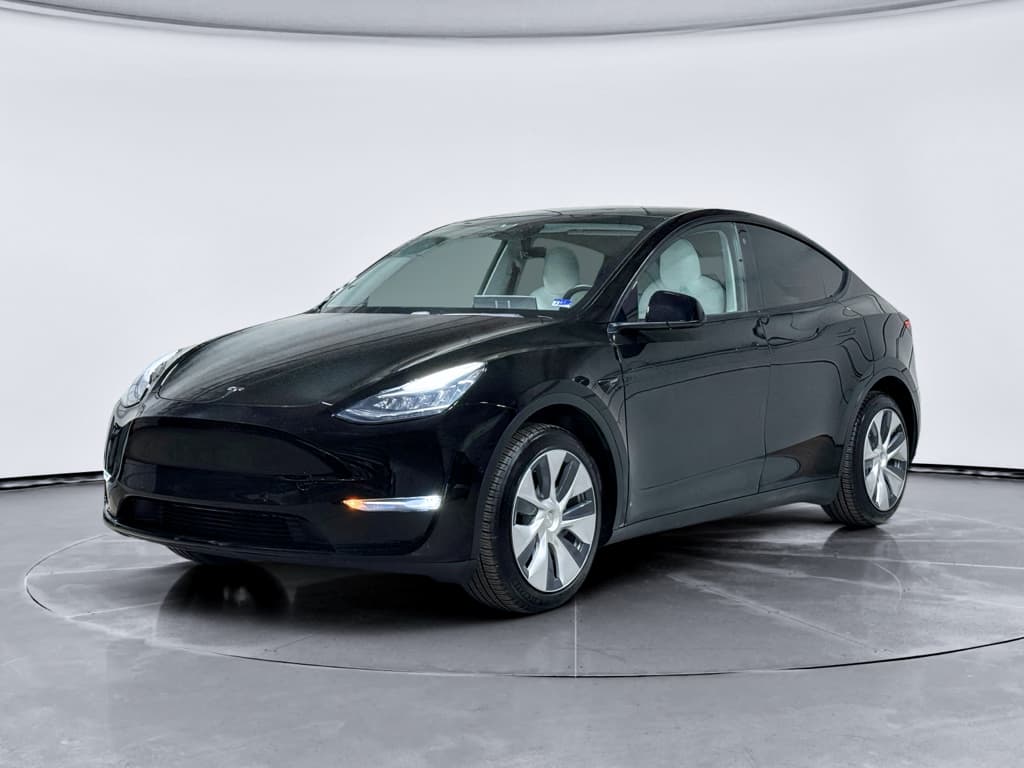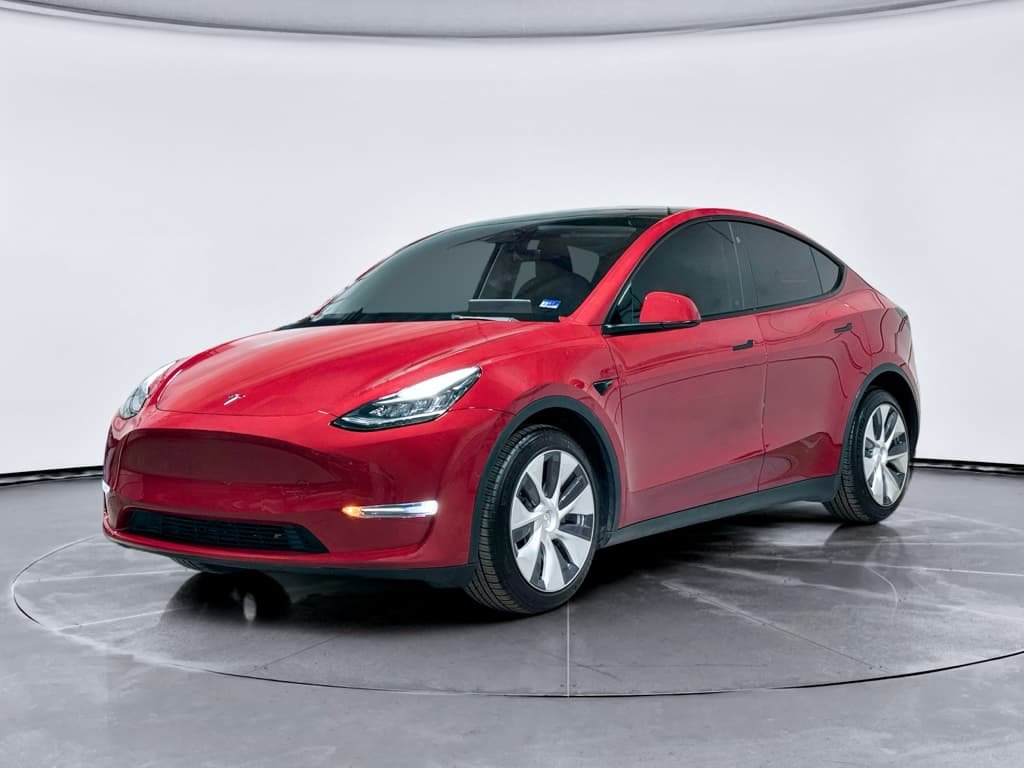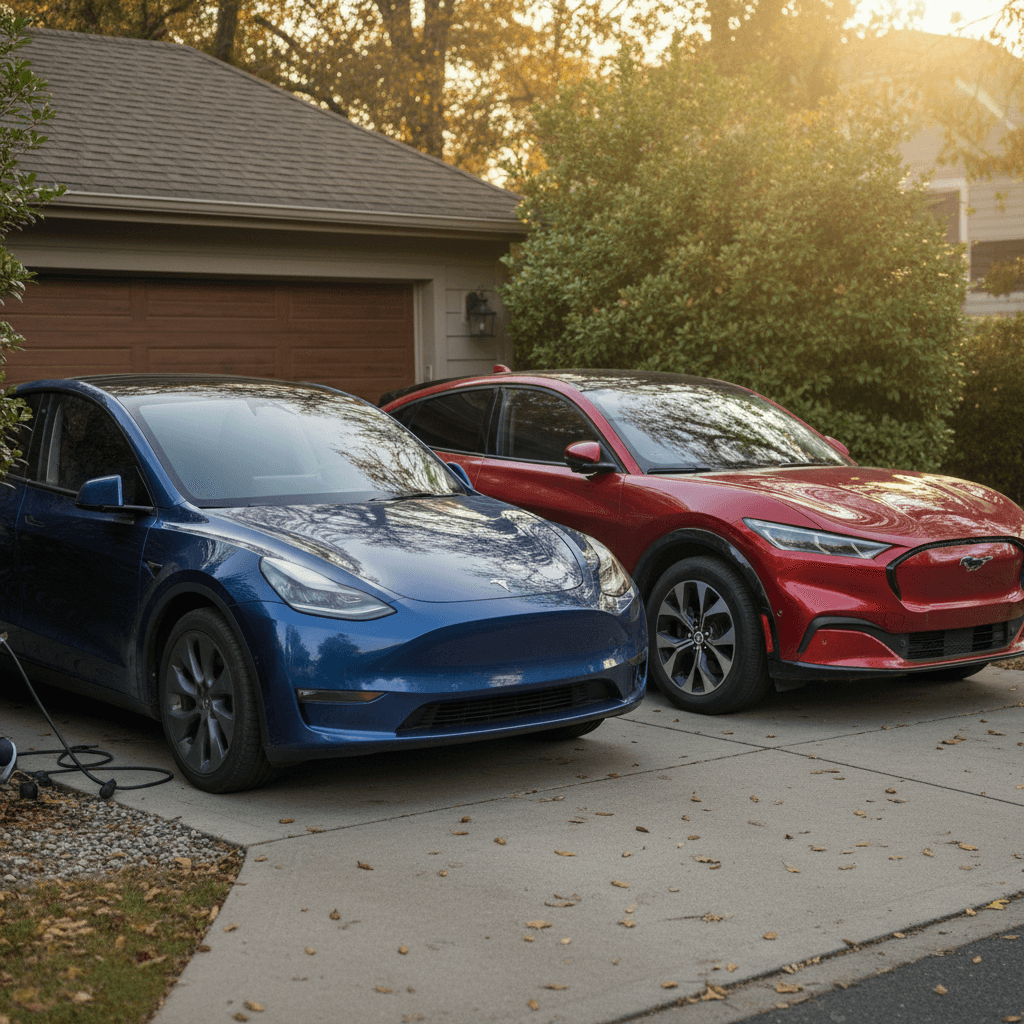
Cross‑shopping a used Tesla Model Y vs Ford Mustang Mach‑E in 2026 is like choosing between streaming and cable: both get you the show, but the experience is wildly different. Both are quick, fully electric compact SUVs with family‑friendly space. Yet on the used market their pricing, charging experience, and long‑term ownership stories have taken very different paths.
The 2026 used‑market reality
Why this used EV comparison matters in 2026
Back in 2020, new‑car reviews framed Model Y vs Mach‑E as a culture war: California startup versus Detroit legacy, minimalism versus muscle. In 2026, the real story is on the used EV lot. You’re now choosing between 3–6‑year‑old cars with different battery chemistries, software versions, Supercharger access rules, and very different depreciation curves.
- You can now find early Model Y Long Range and Performance examples in the mid‑$20,000s to low‑$30,000s, depending on miles and condition.
- Used Mustang Mach‑E inventory has ballooned, especially former leases and fleet cars, often undercutting Tesla on price for similar range.
- Both vehicles have gradually improved range and charging performance over the 2021–2025 model years, so the year you choose matters as much as the badge.
Specs vs real cars
Quick take: Model Y vs Mustang Mach-E for used buyers
Strengths at a glance
Both are good. They’re just good at different things.
Used Tesla Model Y – who it suits
- Best if you want maximum range per dollar and dead‑simple charging via Tesla’s Supercharger network.
- Feels like an appliance that happens to be very quick: quiet, efficient, minimal drama.
- Shines at long‑distance road trips, software experience, and energy efficiency.
Used Ford Mustang Mach‑E – who it suits
- Best if you care about design, traditional controls, and a more playful driving feel.
- Feels like a modern Mustang put on hiking boots: expressive styling, heavier steering, more personality.
- Shines at day‑to‑day comfort, cabin quality on higher trims, and value pricing on the used market.
Bottom‑line summary
Used price, depreciation and value
Typical U.S. used pricing snapshots in early 2026*
Exact numbers vary by trim, mileage and condition, but the pattern is clear: used Mustang Mach‑E pricing undercuts the Model Y more often than not. Ford dealers and fleets pushed volume early, and the car’s more traditional badge didn’t command Tesla‑like resale loyalty. That’s good news if you’re hunting value.
Illustrative used price ranges in early 2026*
These are typical dealer‑retail asking ranges in the U.S. for clean‑title, average‑mile vehicles. Your local market may vary.
| Model & trim (used) | Typical model years | Typical miles | Approx. asking range |
|---|---|---|---|
| Tesla Model Y Long Range AWD | 2021–2023 | 40k–70k | $27,000–$35,000 |
| Tesla Model Y Performance | 2021–2023 | 35k–60k | $30,000–$38,000 |
| Ford Mustang Mach‑E Select (SR) | 2021–2023 | 35k–60k | $22,000–$29,000 |
| Ford Mustang Mach‑E Premium (ER, RWD/AWD) | 2021–2023 | 35k–60k | $25,000–$33,000 |
*For ballpark guidance only. Always compare live listings and condition reports.
Where Recharged fits in
Range, batteries and real‑world efficiency
Tesla Model Y: range specialist
- Most Long Range / Performance trims from 2021–2024 were EPA‑rated roughly in the 303–330 mile band when new, depending on wheels and year.
- In the real world, many owners see 250–290 miles at highway speeds with healthy batteries and sensible wheels.
- Tesla’s thermal management and efficiency software have matured; even at 3–5 years old, gentle‑use cars often retain strong usable range.
Ford Mustang Mach‑E: closer than you think
- Extended Range (ER) RWD trims commonly carry EPA ratings around 300–320 miles on newer 2023–2025 examples.
- AWD ER models are more in the 260–300 mile band, while Standard Range (SR) trims land closer to 220–250 miles.
- Real‑world highway numbers tend to lag Tesla slightly for a given battery size, but not by a night‑and‑day margin.
Battery chemistry matters
If you’re shopping used in 2026, the safer way to think about range is: how much highway range do I need on my worst‑case day, with 10–15% degradation baked in? For many U.S. drivers, that points toward a Long Range Model Y or an Extended Range Mach‑E, especially if winter weather enters the chat.
Charging access: home, public and Superchargers
Charging experience comparison
In 2026, both can tap into Tesla’s network, but not equally.
Home charging
- Both support typical 32–48 amp Level 2 home charging.
- Expect roughly 25–35 miles of range per hour of charge for either vehicle on a 240V circuit.
- Check that any included mobile connector or wallbox is compatible with your home wiring.
DC fast charging
- Model Y: up to ~250 kW peak on many trims; typically strong charging curves on healthy packs.
- Mach‑E: up to ~150 kW on most Extended Range trims; 2024+ models improved 10–80% times into the 30‑something‑minute range.
- Real‑world speeds depend heavily on battery temperature and state of charge.
Supercharger network access
- Used Model Y: native access to Tesla Superchargers via NACS port in the U.S.
- Used Mach‑E: by 2026 typically uses a Ford‑supplied NACS adapter to plug into Superchargers.
- Pricing and stall availability can differ by brand agreement, so read the fine print.
Beware of abused fast‑charge histories
Performance and driving character
Tesla Model Y: clinical speed
- Even non‑Performance Model Y trims feel brisk; think 0–60 mph in roughly 4.5–5.0 seconds on most dual‑motor variants.
- Performance models dip into the mid‑3‑second range, with big‑brake and wheel packages.
- The ride can be firm and a bit busy, especially on 20–21 inch wheels, but body control is solid.
Ford Mustang Mach‑E: characterful and composed
- Standard trims hover more in the 5–6‑second 0–60 mph window; GT and Rally variants run with, or ahead of, Model Y Performance.
- Steering is heavier, the chassis tuning more "grand‑touring" than "iPad on roller skates".
- Later‑year updates sharpened throttle response and improved brake feel.
How it feels from the driver’s seat
Interior space, tech and user experience
Space and practicality
- Model Y: Slightly better rear headroom and a huge under‑floor trunk well give it the edge for pure cargo‑packing duty.
- Mach‑E: Front seats feel more traditionally supportive; rear headroom can be tighter for tall passengers under the coupe‑ish roofline.
- Both offer usable frunks on earlier years, though the Mach‑E’s front storage shrinks and even becomes optional on some later models.
UX and controls
- Tesla leans into minimalism: almost everything lives in the central touchscreen. No gauge cluster, few buttons, and frequent over‑the‑air updates.
- Ford uses a large central screen but keeps a driver display and more traditional switchgear. There’s a learning curve, but it’s friendlier to legacy‑car folks.
- Software age matters; a 2021 Mach‑E may feel more dated visually than a 2021 Model Y that’s been getting continuous OTA updates.
Test the tech before you fall in love
Reliability, battery health and warranties
Both the Model Y and Mustang Mach‑E have matured since their rocky first model years. Early build‑quality complaints and software bugs on each side have been smoothed out by multiple rounds of updates. Still, individual history beats brand stereotypes when you’re shopping used.
Key warranty considerations for 2026 shoppers
Most 2021–2023 examples still carry some factory coverage.
Battery & drive unit warranties
- Tesla typically offers 8 years / 120k–150k miles (trim‑dependent) on battery and drive unit, with a minimum capacity guarantee.
- Ford’s EV warranty is also in the 8‑year / 100k‑mile neighborhood for high‑voltage components.
- In 2026, early 2021 vehicles still have 3–5 years of battery coverage left, depending on in‑service date.
What to verify on a used EV
- In‑service date and exact warranty terms on that VIN.
- Open recalls or service campaigns; both brands have issued software and component updates.
- Evidence of battery repairs or replacements, good when done under warranty, but you want documentation.
Don’t skip a battery‑health report
Ownership costs: insurance, maintenance and resale
Day‑to‑day running costs on both cars are low, no oil changes, fewer moving parts, and cheap electricity compared with gasoline. But there are differences worth noting if you’re being surgical about total cost of ownership.
- Insurance: In many U.S. ZIP codes, Model Y premiums have trended higher than Mach‑E, partly because of repair complexity and parts pricing. Get real quotes for your exact location and driving history.
- Maintenance: Both need tires, cabin filters, brake fluid and the usual wear‑and‑tear items. Heavier EV SUVs chew through tires faster than compact sedans; factor that into your budget.
- Software and features: Tesla often locks some features (like enhanced Autopilot) to the car; if they’re present on a used Model Y, that can justify a higher price. Ford’s feature set is more conventional, but subscription‑style services (connected navigation, etc.) may carry their own fees.
- Resale: Historically, Model Ys hold value better, but Mach‑E’s steep early depreciation means you’re buying after more of the drop has already happened. That can make your downside shallower as a second or third owner.
Financing a used EV
Ready to find your next EV?
Browse VehiclesWhich one should you buy used in 2026?
Match the EV to your life, not the comment section
Four common buyer profiles and the better fit.
High‑mileage commuter / road‑tripper
- Leaning: Tesla Model Y Long Range
- Supercharger access with no adapters to remember.
- Excellent efficiency and strong navigation / trip‑planning tools.
- Look for: 2022–2024 Long Range with moderate miles and clean battery‑health report.
Urban/suburban family driver
- Leaning: Ford Mustang Mach‑E Premium or Select ER
- Plenty of range for weekly routines, more traditional cabin, often cheaper to buy.
- Look for: Extended Range trims with decent driver‑assist packages and remaining warranty.
Enthusiast or weekend‑fun car
- Toss‑up: Model Y Performance vs Mach‑E GT
- Tesla brings brutal straight‑line speed; Ford brings a bit more theater and nameplate nostalgia.
- Test both; your spine and your heart will vote differently.
Budget‑conscious first EV
- Leaning: whichever clean, well‑documented example you find first
- A well‑cared‑for Mach‑E Select ER can be a screaming value.
- A higher‑mile Model Y Long Range with great battery health can also make sense.
If you strip away the brand tribes, the calculus becomes simple. If you live on the highway and want the least friction possible, a used Tesla Model Y still sets the benchmark in 2026. If you want something that feels more like a traditional car, one with real gauges, a Mustang badge and a friendlier price tag, a used Ford Mustang Mach‑E is a smart, often underrated choice. The right answer for you lives in the overlap between your daily driving reality, your appetite for tech quirks, and the specific car’s battery report, not in anyone’s YouTube comments.
Checklist: what to inspect before you buy
Used Model Y & Mach‑E inspection checklist
1. Verify battery health and fast‑charge history
Request a recent battery‑health report or range test. Ask how often the car was DC‑fast‑charged vs. home‑charged. On Recharged, this step is built into the Recharged Score Report.
2. Confirm remaining warranties
Check the in‑service date, mileage and exact battery/drive‑unit warranty terms for that VIN. Call Tesla or Ford service with the VIN if you’re unsure.
3. Inspect tires, brakes and suspension
Heavy EV SUVs are hard on consumables. Uneven tire wear, noisy suspension or pulsating brakes can foreshadow four‑figure repair bills.
4. Test every charging scenario you can
If possible, plug into a Level 2 charger and, ideally, a DC fast charger. Confirm the car connects, charges at expected speeds, and that any adapters are included and functional.
5. Audit software and features
On a Model Y, confirm which driver‑assist and infotainment features are active on the car, not just listed in an old window sticker. On a Mach‑E, make sure over‑the‑air updates and connected services work as expected.
6. Run a full history and structural check
Get a vehicle history report and inspect for panel misalignment, repainting or rust around high‑stress areas. EVs hide crash damage just as well as gas cars do.
FAQ: used Tesla Model Y vs Ford Mustang Mach-E
Frequently asked questions
Whichever way you lean, clinical efficiency or charismatic crossover, you’re not just buying a badge. You’re buying someone else’s charging habits, road‑trip choices, software updates and service visits. In 2026, the smartest used‑EV shoppers treat the used Tesla Model Y vs Ford Mustang Mach‑E comparison as the starting point, then let data about that exact VIN do the rest. That’s where tools like the Recharged Score, expert EV‑specialist support, and a transparent battery‑health report turn a coin‑flip decision into a confident one.