If you’re shopping for a used luxury EV SUV, the 2016 Tesla Model X is probably on your radar, and so are the stories about 2016 Tesla Model X problems. Early build quality, falcon wing doors, and tech glitches have all made headlines. The reality is more nuanced: some issues are annoying but fixable, others can be expensive if you don’t know what to look for. This guide walks you through the most common problems, what they cost, and how to shop a 2016 Model X with your eyes open.
Why 2016 matters
2016 Tesla Model X reliability overview
As a first‑generation, first‑year vehicle, the 2016 Model X sits in a gray area for reliability. Owners praise the instant torque, smooth ride, and long‑distance capability, but many also report above‑average trips to the service center compared with mainstream SUVs. The powertrain itself (battery and motors) is generally robust, while body hardware and interior electronics are more trouble‑prone.
How the 2016 Model X typically behaves by year 9
Early build vs. late 2016 builds
Most common 2016 Tesla Model X problems
Top problem categories on a 2016 Model X
What owners most often complain about
Falcon wing and front doors
Complex hinges, sensors, and latches can cause doors that don’t open, won’t seal properly, or trigger warning messages. Adjustments and part replacements are common on older cars.
MCU and screen issues
The center touchscreen (MCU1) in early Teslas is known for eMMC memory wear, causing slow performance, reboots, or a dead screen.
12V battery & charging
Auxiliary 12V batteries usually need replacement every few years. On older cars, onboard charger and charge port hardware can also cause intermittent charging problems.
Suspension and alignment
Heavier curb weight plus large wheels can accelerate control arm, ball joint, and air‑suspension wear, leading to clunks or uneven tire wear.
Let’s dig into each of these 2016 Tesla Model X problems in more detail so you know what’s merely annoying, what’s expensive, and what’s a true deal‑breaker.
1. Falcon wing door and front door issues
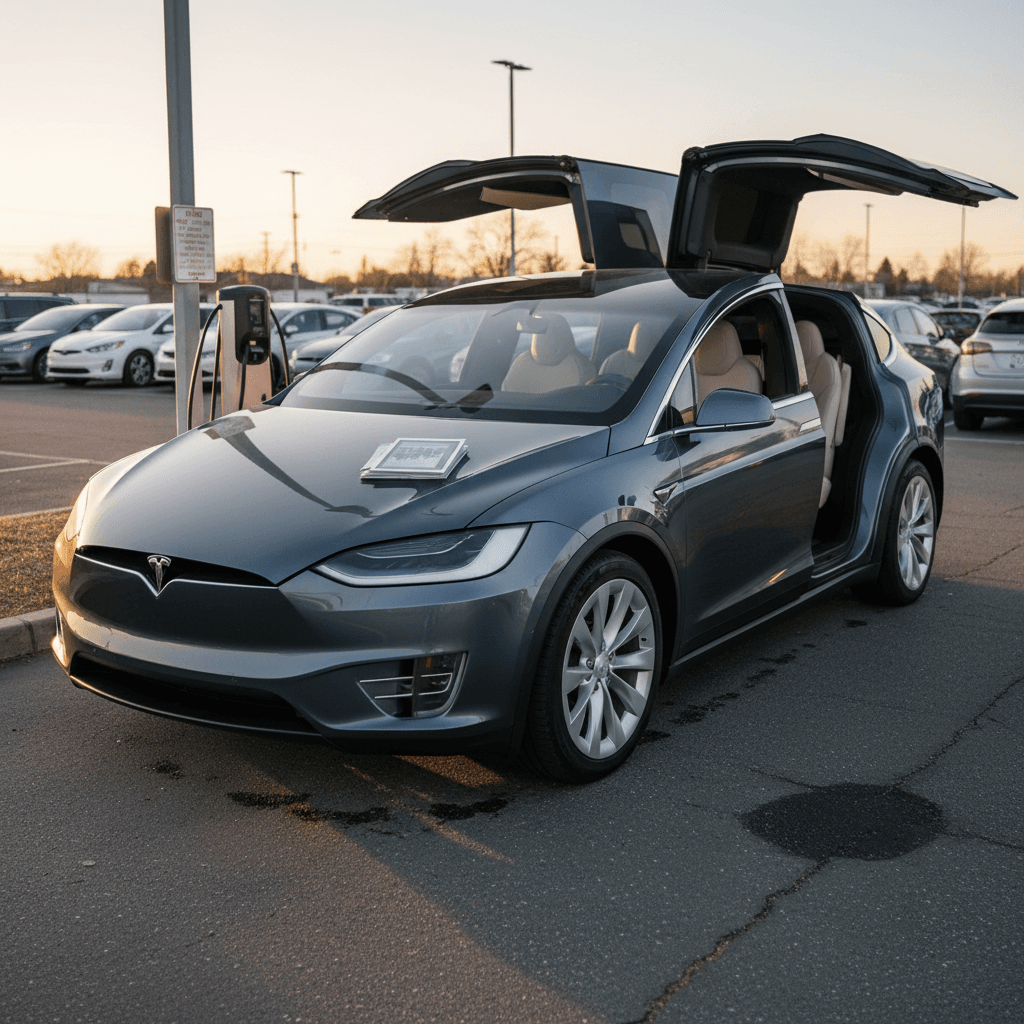
The Model X’s signature falcon wing rear doors and auto‑present front doors are engineering showcases, and frequent sources of headaches on early builds. Common complaints include doors stopping mid‑motion, sensors falsely detecting obstacles, loud squeaks, water leaks, and wind noise at highway speeds. In severe cases, doors may not latch or seal correctly, which is a safety concern and an easy way to annoy anyone who carpools.
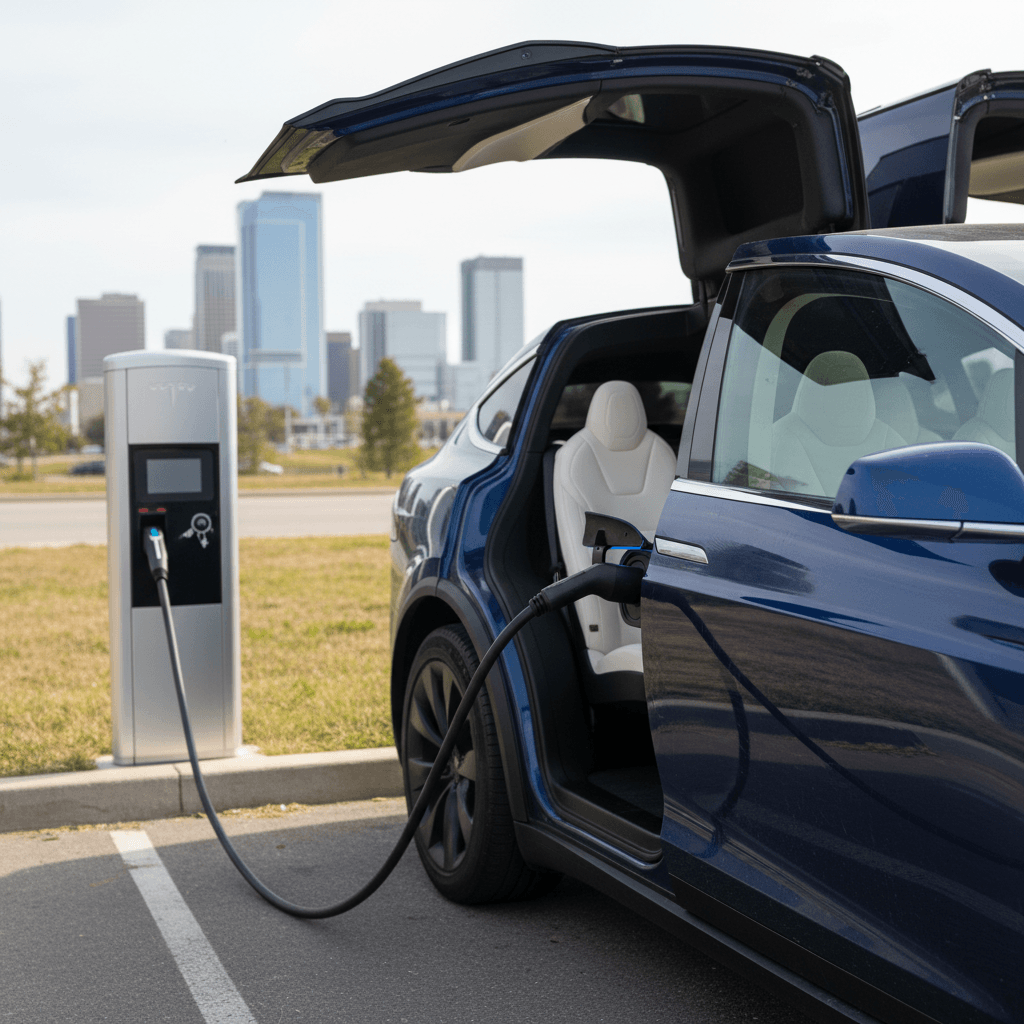
Door test drive tip
2. MCU (center screen) failures and glitches
Most 2016 Model X SUVs use Tesla’s first‑generation media control unit, often called MCU1. Over time, the memory chip inside this unit can wear out, especially after years of heavy logging and software updates. Symptoms range from slow maps and laggy menus to random reboots and, in worst cases, a completely black screen. Tesla has offered repair programs in the past, but out‑of‑warranty replacements or MCU2 upgrades still represent a meaningful expense on an older vehicle.
What a healthy MCU should feel like
3. Weatherstripping, wind noise, and water leaks
The Model X’s large windshield, panoramic glass, and complex doors put a lot of pressure on seals and weatherstripping. Many 2016 owners report wind noise around the A‑pillars and mirror area, plus occasional water leaks around the falcon wing doors or rear hatch. These issues are usually fixable with new seals or adjustments, but tracing the source can take time. At highway speeds, excessive noise can make the premium cabin feel less than premium.
Battery, range, and charging concerns
The good news: catastrophic battery failures on 2016 Model X SUVs are relatively rare compared with the number of cars on the road. Most issues are about range loss, charging speed, and how the previous owner treated the pack. By 2025, many 2016 examples are 8–9 years old, so you should plan on some degradation, but not a night‑and‑day drop in usability.
- Moderate capacity loss: Many 2016 packs show noticeable, but not extreme, range reduction compared with their original EPA rating.
- DC fast‑charging behavior: Some older packs may taper earlier or charge more slowly than newer Teslas, especially if they’ve done lots of Supercharging.
- Charging hardware: Charge port doors, onboard chargers, or connectors can occasionally fail or misbehave, leading to intermittent charging sessions.
- 12V battery: The small lead‑acid or lithium 12V battery that powers accessories typically needs replacement every few years. A weak 12V can trigger confusing error messages.
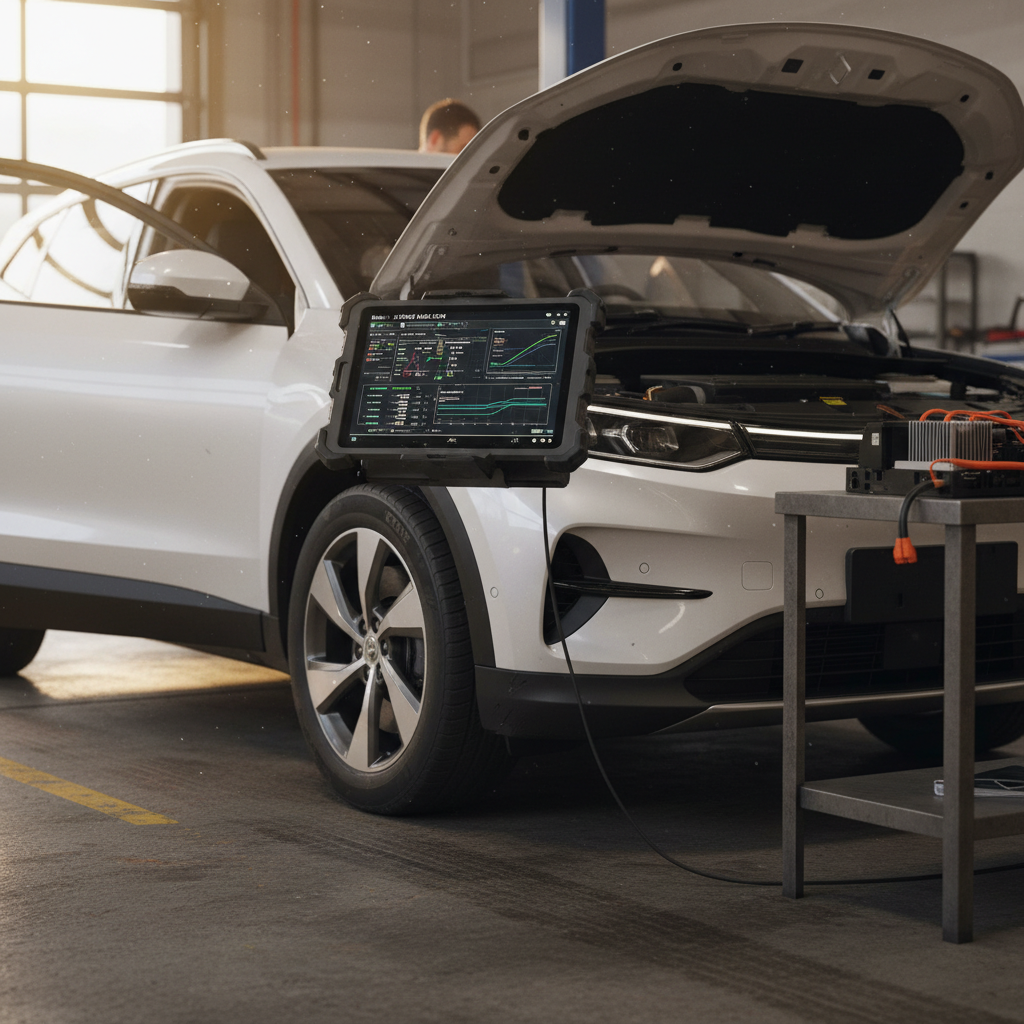
How Recharged checks battery health
Drivetrain, suspension, and brake issues
From a powertrain standpoint, the 2016 Model X’s dual motors are typically dependable. Most of the high‑dollar mechanical repairs on older Xs come from the vehicle’s weight, wheel size, and air suspension hardware, not the motors themselves. This is where a careful inspection can save you thousands.
Mechanical trouble spots on a 2016 Model X
Where the weight and complexity show up
Air suspension wear
Struts, compressors, and height sensors can wear out, especially on high‑mileage or rough‑road vehicles. Symptoms include sagging corners, slow height changes, or warning messages.
Control arms & ball joints
Clunking noises over bumps or when turning at low speeds may point to worn control arm bushings or ball joints, particularly on vehicles with large 20"–22" wheels.
Alignment & tire wear
Heavy curb weight and strong torque can chew through tires if alignment isn’t perfect. Uneven inner‑edge wear on performance tires is common on neglected examples.
Don’t ignore suspension noises
Interior, tech, and software problems
Inside, the 2016 Model X blends minimalist design with complex electronics. That combination can age unevenly. Soft‑touch materials usually hold up fairly well, but owners often mention rattles, seat wear, and misaligned trim. On the tech side, expect some quirks: older Autopilot hardware, occasional Bluetooth drops, and software features that don’t match newer Teslas one‑for‑one.
Interior wear and tear
- Seat bolsters: Check for creasing, cracking, or discoloration, especially on the driver’s seat.
- Door panels and dash: Look for lifting trim, warped pieces, or buzzes over rough pavement.
- Third row: On 6‑ and 7‑seat models, inspect folding mechanisms and seat‑back latches.
Software & driver‑assist quirks
- Autopilot hardware version: Early AP1 cars have different capabilities than later AP2/AP2.5 vehicles.
- Phantom alerts: Occasional lane‑keeping or collision‑warning beeps may feel over‑cautious.
- Feature differences: Not every new software feature is supported on a 2016 Tesla, even with the latest update.
Know which Autopilot you’re getting
Warranty coverage and typical repair costs
Most 2016 Model X SUVs are beyond Tesla’s original 4‑year/50,000‑mile basic warranty, but many still benefit from the longer battery and drive unit warranty, which was 8 years and a mileage cap depending on the battery configuration. That coverage can cushion you from the most catastrophic expenses, but body, suspension, and electronics repairs are likely on your dime.
Typical out‑of‑warranty repair costs on a 2016 Model X
Ballpark retail pricing at Tesla service or independent EV specialists. Actual costs vary by region and exact diagnosis.
| Component / Issue | What Can Go Wrong | Typical Outcome if Faulty | Rough Cost Range* |
|---|---|---|---|
| Falcon wing door actuators & latches | Door won’t open/close smoothly, errors on screen | Actuator, sensor, or latch replacement | $800–$2,500 per side |
| MCU1 screen / eMMC failure | Slow, freezing, or black center screen | MCU repair or upgrade to MCU2 | $1,000–$2,500+ |
| Air suspension strut | Clunking, sagging corner, height errors | Strut replacement, sometimes in pairs | $1,200–$2,000 per strut |
| Control arms / bushings | Clunks and poor alignment | Control arm replacement, alignment | $600–$1,500 |
| Charge port / onboard charger | Intermittent or failed charging sessions | Charge port or charger replacement | $700–$2,000 |
| 12V battery | Warning messages, won’t wake up | 12V battery replacement | $200–$400 |
Use this as a relative guide, not a quote. A pre‑purchase inspection is the best way to pin down real‑world costs for a specific vehicle.
Why you need real numbers before you buy
Pre‑purchase inspection checklist for a 2016 Model X
If you’re serious about a 2016 Model X, treat the test drive like an inspection, not just a joyride. Here’s a structured checklist you can follow, or hand to a shop that understands Teslas.
2016 Tesla Model X pre‑purchase checklist
1. Verify battery health and warranty dates
Check the in‑service date to see how much battery & drive unit warranty remains. Ask for recent range data, charging habits, and any battery‑related service records. If you’re buying through Recharged, review the Recharged Score battery section closely.
2. Inspect falcon wing and front doors
Cycle each door multiple times. Look for uneven gaps, hesitation, grinding sounds, or binding. Spray light water around seals (if the seller allows) and check for leaks or water stains in the headliner and door jambs.
3. Evaluate suspension and steering
On the test drive, listen for clunks over bumps, creaks when turning into driveways, or a drifting steering wheel. Run the air suspension through its height settings and look for warning messages or uneven ride height.
4. Test charging and charging hardware
If possible, plug into Level 2 AC and a DC fast charger to confirm solid connections, consistent charging speeds, and no error messages. Visually inspect the charge port and cable ends for damage or discoloration.
5. Check the MCU and all screens
Power up the car from a cold start and watch for slow boots, frozen apps, or random reboots. Test navigation, audio, Bluetooth, cameras, and HVAC controls from the screen.
6. Review software, Autopilot, and key features
Confirm which Autopilot hardware and software the vehicle has, and whether FSD or premium connectivity are active. Make sure advanced safety features (lane departure, collision warning) work as intended.
How Recharged simplifies this list
Ready to find your next EV?
Browse VehiclesIs a 2016 Tesla Model X still worth buying?
Who a 2016 Model X is good for
- Families who want a 3‑row EV with serious cargo space and long‑distance capability.
- Buyers comfortable with some tinkering, you’re okay scheduling the occasional service visit if it saves you money versus a new luxury SUV.
- Drivers who value performance and tech over traditional luxury badges or plush ride quality.
Who should probably skip it
- Buyers needing rock‑solid reliability and low downtime, think rural areas far from Tesla service centers.
- Shoppers on a tight repair budget who can’t absorb a surprise $1,500–$3,000 bill if something major fails.
- People who dislike early‑adopter quirks and would rather have a simpler, newer EV crossover with fewer moving parts.
A well‑sorted 2016 Tesla Model X can still be a compelling buy in 2025: a spacious, fast, all‑electric family hauler with access to Tesla’s Supercharger network and a unique presence on the road. But the same features that make it special, falcon wing doors, air suspension, cutting‑edge software, also introduce risk. If you’re considering one, prioritize documented service history, a clean battery health report, and a thorough inspection. And if you’d rather have experts vet the hard stuff first, shopping a 2016 Model X through Recharged gives you verified battery data, transparent pricing, and support from EV specialists who live with these vehicles every day.