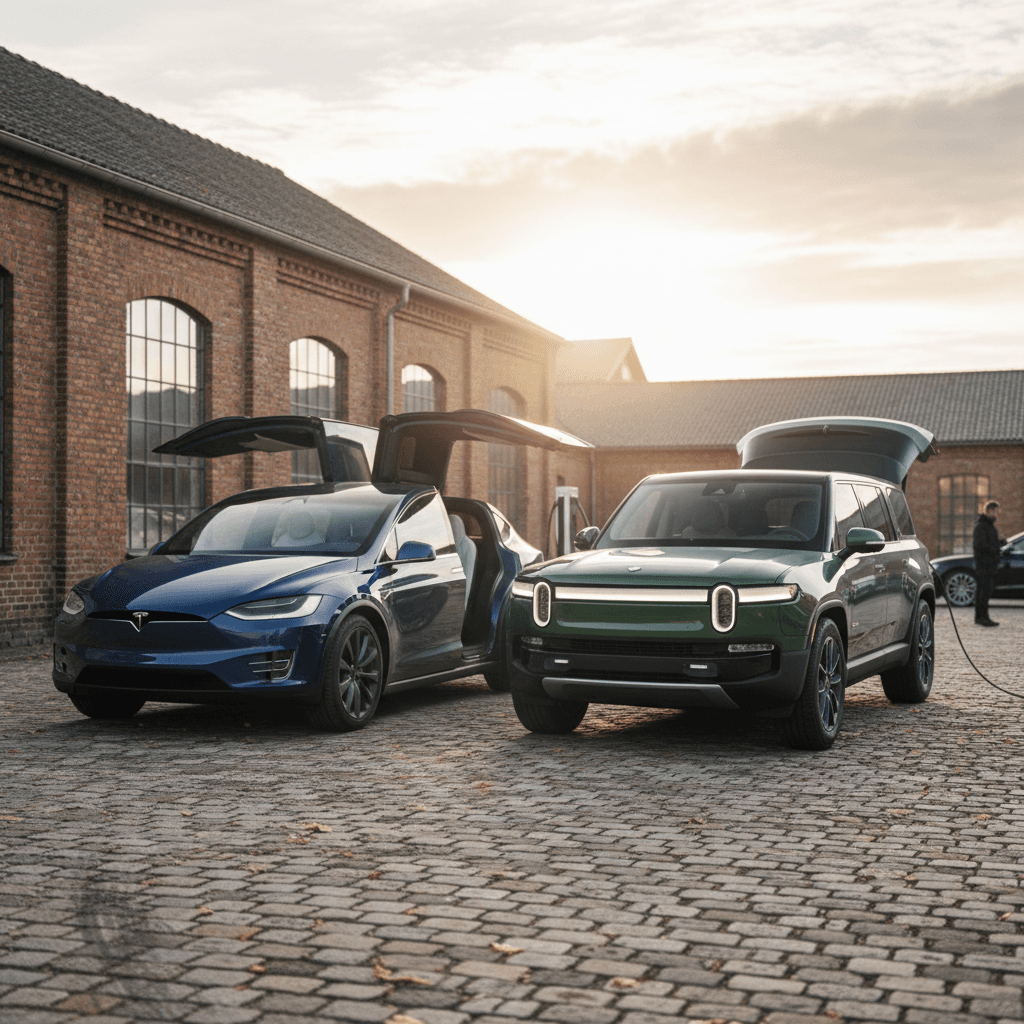
If you’ve got up to $60,000 to spend on a used three-row electric SUV, you’re probably staring at two names over and over again: a used Tesla Model X and a used Rivian R1S. Both promise space for the family, road-trip range, and serious performance, but they deliver it in very different ways.
Quick take
Who should compare a used Model X and Rivian R1S under $60k?
This comparison is for you if you want a premium, all-electric, three-row SUV in the U.S., have roughly $50,000–$60,000 to spend, and you’re deciding between the maturity and charging network of Tesla and the fresh, outdoorsy appeal of Rivian. You’re probably juggling school runs, road trips, and maybe a boat, camper, or bikes on the hitch.
- You want real third-row seating and usable cargo space.
- You care about road-trip capability and not just city commuting.
- You might tow (boats, small campers, or enclosed trailers).
- You’re weighing Tesla’s Supercharger ecosystem against Rivian’s adventure-first design.
- You’re open to 2016–2020 Model X years or 2022+ Rivian R1S inventory to stay under $60k.
What you’ll actually find under $60,000 today
Let’s set expectations. As of 2025–2026, $60,000 slices the used market in a very specific way:
What $60k buys: Model X vs. R1S
Used Tesla Model X under $60k
- Most common: 2016–2019 Model X 75D / 90D / 100D / Long Range.
- Mileage often between 60,000–110,000 miles.
- Occasional deals on 2020–2021 examples if mileage is high or spec is simpler.
- Performance and Plaid trims typically sit well above $60k unless very high mileage.
Used Rivian R1S under $60k
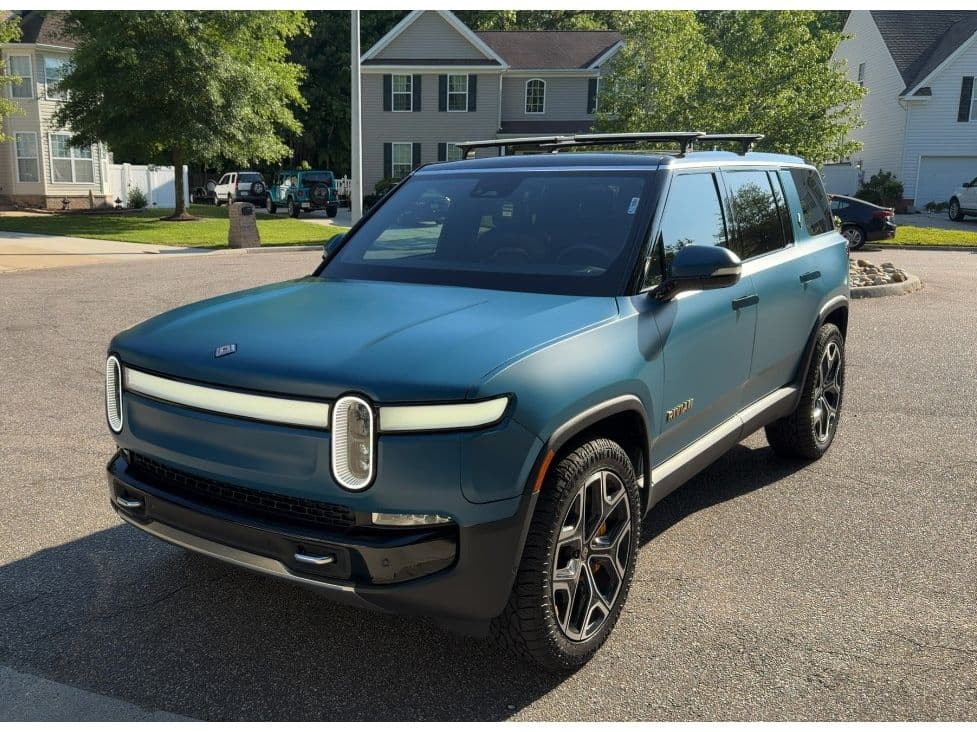
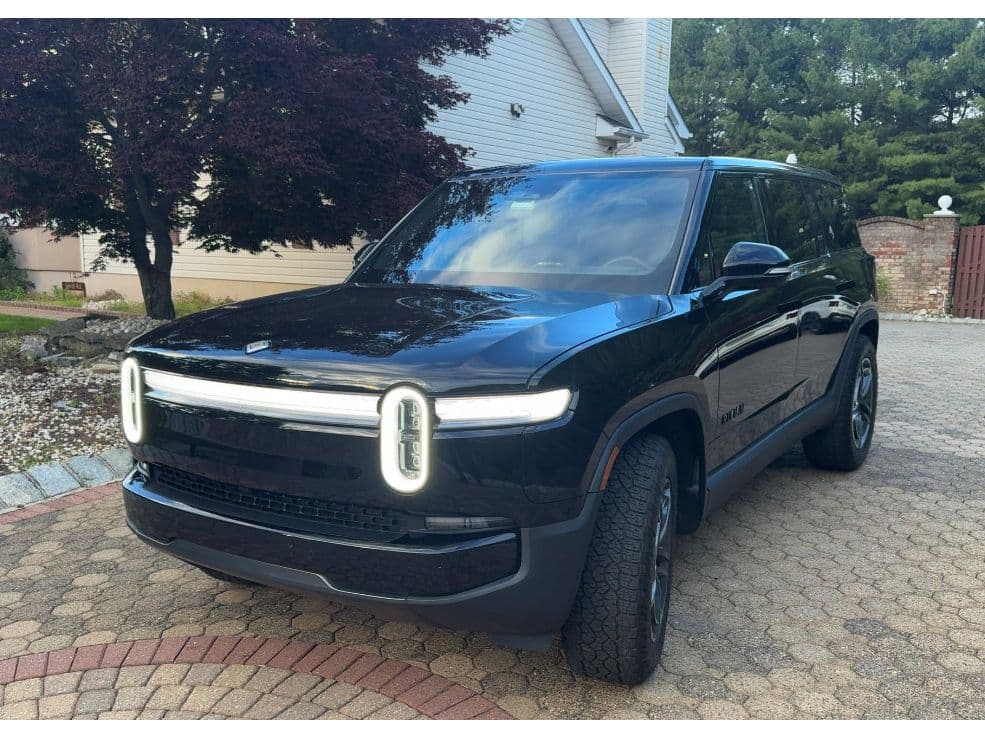
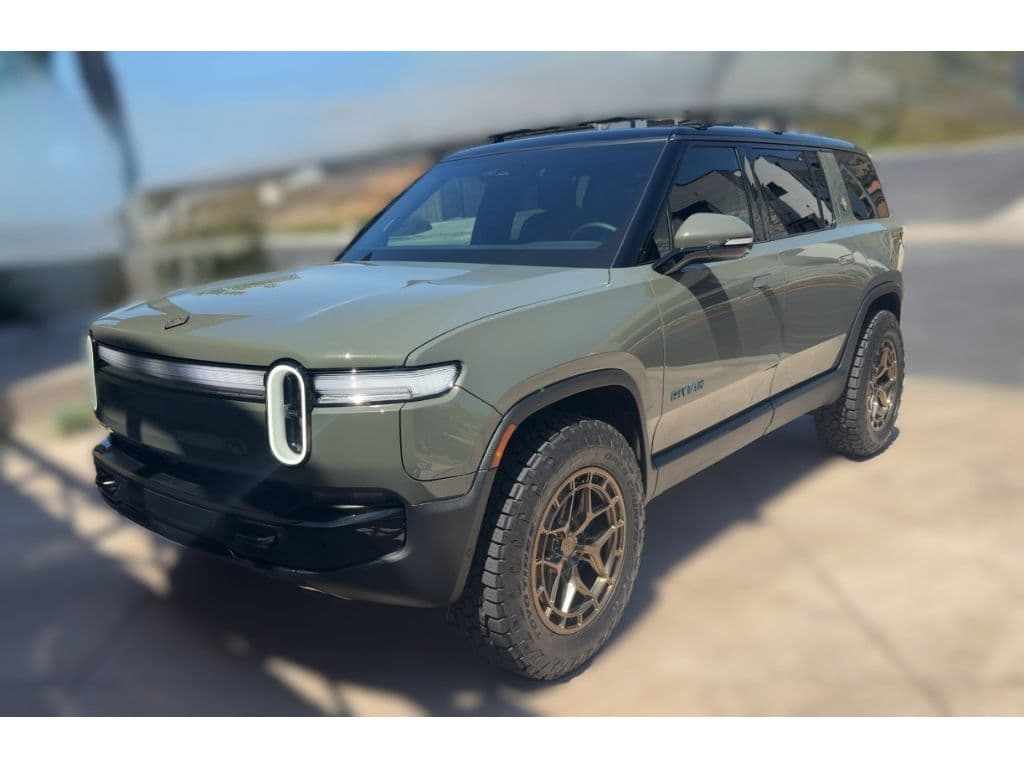
- Mostly 2022–2023 dual-motor R1S, sometimes early 2024 builds.
- Mileage more often in the 15,000–50,000 mile range.
- Quad-motor or Max Pack examples still skew higher, but high-mileage units do pop close to $60k.
- Fewer listings overall, but hardware and software are quite new.
Model year vs. mileage
Specs at a glance: used Model X vs. used R1S
Core specs for common under-$60k trims
Typical configurations you’ll see just under the $60,000 mark in the U.S. used market.
| Spec | Typical Used Tesla Model X (2017–2019 100D / Long Range) | Typical Used Rivian R1S (2022–2023 Dual-Motor Large Pack) |
|---|---|---|
| EPA range (when new) | 295–325 miles | ~320 miles (varies by wheel/tire and tune) |
| Drivetrain | Dual-motor AWD | Dual-motor AWD (quad-motor rare under $60k) |
| Battery size (approx.) | ~100 kWh | “Large” pack ~135 kWh equivalent |
| 0–60 mph | ~4.5 seconds (quicker on Performance) | Around 4–4.5 seconds (dual-motor) |
| Towing capacity | Up to 5,000 lb with tow package | Up to 7,700 lb |
| Seats | Up to 7 (varies: 5/6/7-seat configs) | Standard 3-row, 7 seats |
| Max cargo volume (seats down) | About 88 cu ft | About 88–105 cu ft depending on source & configuration |
| DC fast charge speed | Up to ~250 kW on newer builds; older cars lower | Up to ~200 kW on Rivian DC fast chargers |
| Onboard tech | Tesla Autopilot / FSD-capable, big center screen, OTA updates | Rivian Driver+ assist, dual screens, OTA updates, camp & off-road modes |
Exact specs vary by year and battery option; always verify the specific VIN you’re considering.
Used spec reality
Range and charging: which goes farther and stops less?
On paper, a used Tesla Model X and a used Rivian R1S under $60,000 both promise 300-ish miles of range. The difference is how they deliver that range, and how easy it is to keep them charged on the road.
Tesla Model X: efficiency + Superchargers
- Many 100D and Long Range examples were EPA-rated around 295–325 miles when new.
- Real-world highway range today is often in the 230–280 mile window, depending on wheel size, climate, and battery health.
- Charging advantage: Native access to Tesla’s Supercharger network plus thousands of destination chargers.
- Older builds may have lower peak DC fast charge rates than newer Teslas, but the network density makes planning much easier.
Rivian R1S: big battery, big appetite
- Dual-motor Large Pack R1S trims are often rated around 320 miles when new.
- In the real world, especially with boxy aerodynamics and adventure gear, you’re more often in the 230–270 mile zone on highway trips.
- Charging: CCS fast charging at up to ~200 kW, access to Rivian’s own fast chargers plus public networks like Electrify America and others.
- Charging network coverage is improving but still not as seamless as Superchargers in some rural U.S. corridors.
How Recharged helps on range
Space, comfort, and practicality: family duty vs. adventure
Both the Model X and R1S are big, three-row SUVs, but they don’t feel the same from the driver’s seat, or the third row. Think of the Tesla as a sleek, tech-forward family shuttle and the Rivian as a modern Land Rover with an electric twist.
Interior feel: which fits your life?
Seating & comfort
Model X: Available in 5, 6, or 7-seat layouts. The windshield sweeps up over your head, so the cabin feels airy and futuristic. Third row is kid- and teen-friendly, but adults won’t love it for hours.
R1S: More traditional SUV seating position, upright and commanding. All three rows feel solid and well-padded, with good headroom. The third row is better for adults than in most EVs, but still best for kids on long drives.
Cargo and storage
Model X: Big rear hatch, flat load floor, plus a deep front trunk. With all seats down, cargo volume is in the high-80-cubic-foot range, and the floor is low, which is handy for dogs and large boxes.
R1S: Slightly boxier and taller cargo area. Seats fold flat for a long load floor, and you get a useful frunk. The cabin has clever storage nooks, hooks, and tie-downs for adventure gear.
Doors, access, and kids
Model X: Famous falcon-wing rear doors make loading car seats in tight parking lots surprisingly easy, but they add complexity and can be quirky in low garages or icy weather.
R1S: Conventional doors front and rear, easier to live with in low garages and tight trailhead parking. Less theater, more practicality.
Car-seat and pet duty
Towing and off-road capability
This is where the personalities really split. If you’re towing frequently or heading off pavement, the Rivian R1S is built for that life. The Model X can tow and handle dirt roads, but it’s not an overlanding rig.
Towing & terrain comparison
How a typical under-$60k Model X stacks up against an R1S when the pavement ends, or when you hook up a trailer.
| Capability | Used Tesla Model X | Used Rivian R1S |
|---|---|---|
| Max towing (properly equipped) | Up to ~5,000 lb | Up to 7,700 lb |
| Suspension | Air suspension (adjustable on many trims) | Adaptive air suspension with specific off-road modes |
| Off-road focus | Light trails, gravel, snow; focus is on-road comfort | Designed for sand, rocks, mud, and snow with dedicated drive modes |
| Ground clearance | Good, but tuned for pavement | Impressive; adjustable air suspension for genuine off-road clearance |
| Hitch & accessories | Great for bike racks, small campers, lightweight boats | Excellent for overlanding trailers, boats, and heavier campers |
Remember: any EV’s range drops dramatically when towing, often by 30–50% depending on speed and trailer shape.
Towing reality check
Tech and driving experience
You won’t mistake either of these SUVs for a gas truck. Both feel quick, quiet, and modern, but they present technology very differently.
Tesla Model X: minimalist and software-first
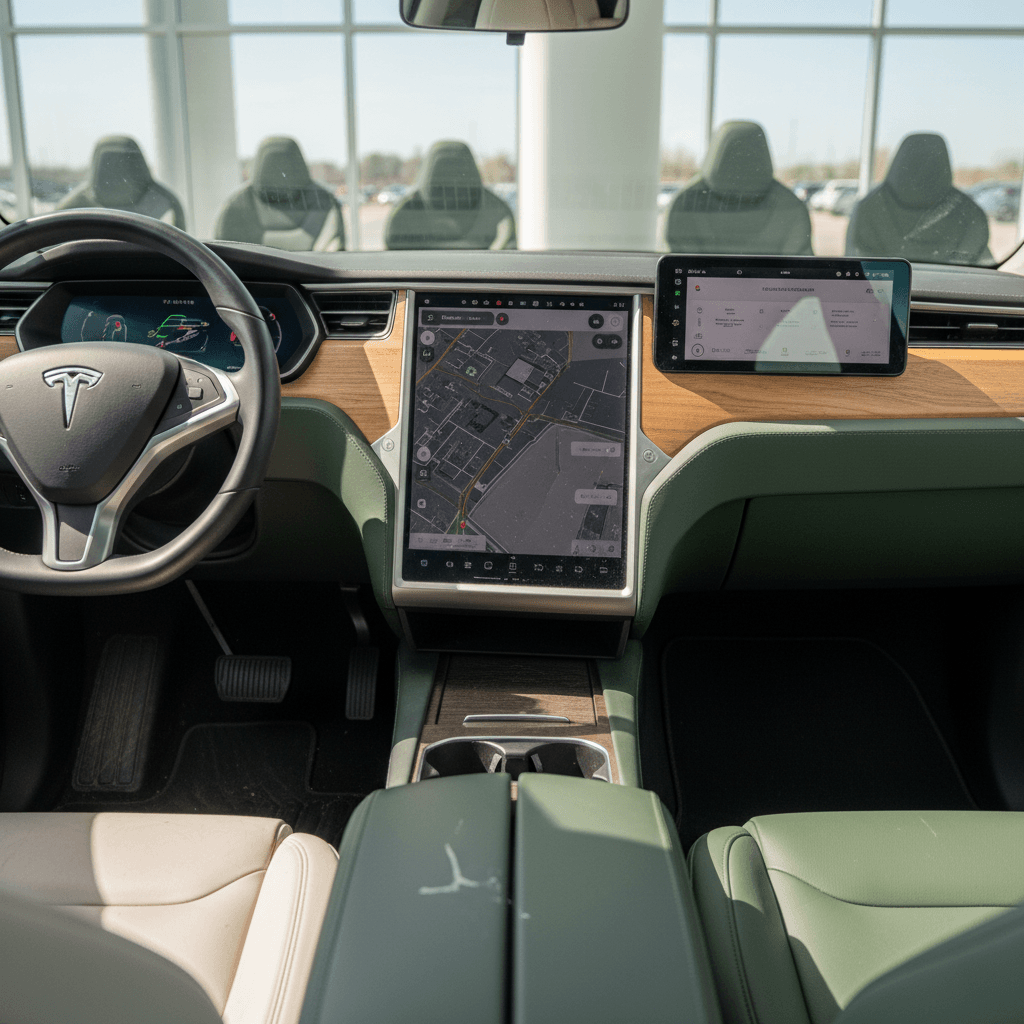
- Huge center screen plus, on newer builds, a driver display. Older examples have the original vertical screen layout; later ones move to horizontal.
- Autopilot is standard on most used examples; some may carry paid upgrades like Enhanced Autopilot or Full Self-Driving capability.
- Interior design is minimalist, nearly button-free. If you love the smartphone-on-wheels vibe, this is your SUV.
- Software updates have been rolling out for years, so even an older Model X can feel surprisingly current, though some legacy hardware limits the latest features.
Rivian R1S: adventure software and tactile details
- Dual screens, playful yet premium design, real knobs and toggles where they matter.
- Rivian Driver+ offers hands-on driver assistance, lane-centering, and adaptive cruise. It’s still evolving but already very capable.
- Lots of personality baked into the UI, drive modes, camp features, off-road telemetry, it feels like it was built by people who actually camp and tow.
- Software is newer, so you’re watching a platform grow up in real time. Expect meaningful feature adds over the next several years.
Which feels better to drive?
Reliability, battery health, and used-EV wild cards
A used EV lives and dies by its battery pack and electronics. Under $60k, the age gap between a typical Model X and R1S can be five to eight years, and that matters.
What to watch for on each SUV
Used Tesla Model X concerns
- Battery health and fast-charging history: Early Model X packs have generally held up well, but high mileage plus heavy fast charging can mean noticeable degradation.
- Falcon-wing doors: Stunning when they work, pricey when they don’t. Check operation carefully and listen for noises.
- Air suspension and steering components: Big, heavy EVs can be hard on these parts over time.
- Previous accidents: Aluminum-intensive bodywork is expensive to repair. A clean structural history matters.
Used Rivian R1S concerns
- Young platform: Fewer years of long-term data. Many used R1S examples are still on original warranty, which helps.
- Build variability: Early production units may have more minor fit-and-finish quirks.
- Software maturity: Over-the-air fixes arrive regularly, but you’re signing up for a fast-moving software story.
- Service network: Rivian’s service footprint is smaller than Tesla’s, though it’s growing quickly.
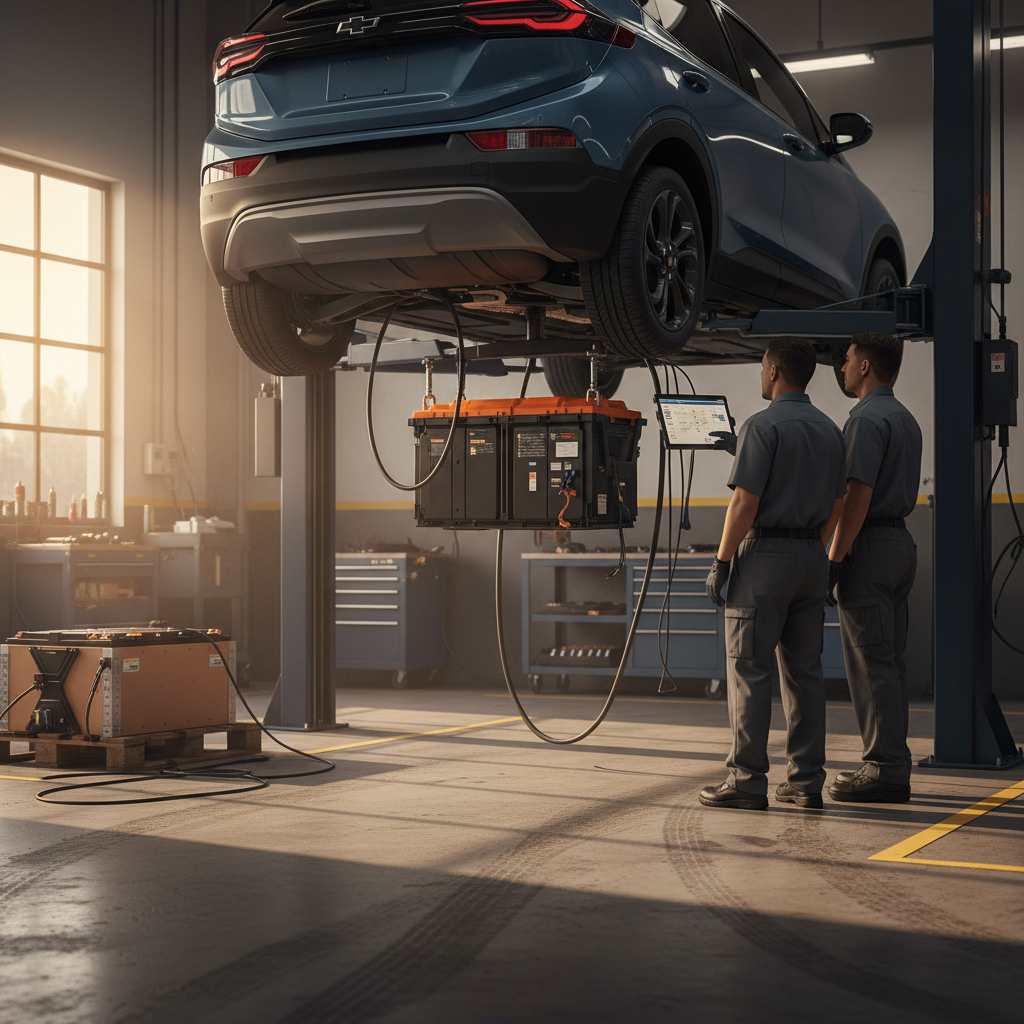
Why a third-party battery check matters
Ownership costs, insurance, and depreciation
Fuel and maintenance are cheap on both of these SUVs compared with a V8 Suburban, but that doesn’t mean ownership is cheap. You’re still running a premium, complex EV with big tires, big brakes, and expensive glass.
Cost factors to compare before you buy
1. Insurance premiums
Both are big, powerful luxury EVs, insurers notice. Quotes can be surprisingly high, and repairs (especially for aluminum bodywork on the Model X) aren’t cheap. Get real quotes on specific VINs before you commit.
2. Tires and wheels
Performance tires and large wheels on both models wear quickly and aren’t cheap to replace. If you live where winters are rough, budget for a second wheel-and-tire set for safety and range.
3. Depreciation curve
The Model X has already taken more of its depreciation hit by the time it drops under $60k. The R1S is newer; buying used means you’re stepping into the curve earlier, which could mean more value loss over the next 3–5 years, but also more remaining warranty.
4. Charging costs
Home charging on a reasonable electricity rate keeps both SUVs cheap to run per mile. Public DC fast charging can be significantly more expensive; the details vary by provider, membership, and local utility rates.
5. Extended warranties & coverage
Manufacturer warranties differ by year and mileage. Third-party coverage can be pricey on high-end EVs and not all plans are EV-savvy. Read the fine print around battery, drive unit, and electronics coverage.
How to shop smart under $60k (and where Recharged fits in)
When you’re shopping in this price band, every decision, year, mileage, spec, has a big impact on how the SUV feels five years from now. A clean 2018 Model X with a strong battery can be a better buy than a tired 2020. A gently used dual-motor R1S might beat a cheaper, hard-used quad-motor truck that’s done nothing but tow.
Smart steps for comparing used Model X and R1S
Check battery health, not just miles
Two vehicles with 80,000 miles can have very different battery stories. Use tools like the <strong>Recharged Score Report</strong>, which includes verified battery diagnostics, to see what’s really happening under the floor.
Look at charging history
Ask how and where the previous owner charged. A mix of home Level 2 and occasional DC fast charging is ideal. Heavy fast-charging-only duty (especially with lots of towing) is harder on any pack.
Audit your real use case
How often will you tow? How many true road trips a year? Do you off-road or mostly stay on pavement? Be honest, this will nudge you toward Tesla (road-trip ease) or Rivian (towing and trails).
Cross-shop financing and trade-in
At Recharged, you can <strong>finance</strong>, get an <strong>instant offer or consignment</strong> on your current vehicle, and see how far your budget really goes with actual payment estimates, not rough guesses.
Consider delivery and support
Nationwide delivery and EV-specialist support mean you don’t have to buy whatever happens to be on your local lot. Recharged can walk you through the entire process digitally and answer EV-specific questions along the way.
How Recharged can help
Ready to find your next EV?
Browse VehiclesFrequently asked questions: Model X vs. R1S under $60k
Your top questions, answered
Bottom line: which used EV SUV should you buy?
If your life is mostly highways, school pick-ups, and long paved road trips, a used Tesla Model X under $60,000 is still incredibly compelling. You’re buying into the most mature charging ecosystem on the planet and a platform that’s been steadily refined for years. A clean, well-maintained Long Range or 100D with a strong battery can feel every bit as special today as it did new.
If your weekends involve trailheads, campsites, boats, or off-pavement exploring, a used Rivian R1S under $60,000 makes a fantastic electric do-everything rig. You get serious towing capacity, real off-road modes, and a cabin that feels purpose-built for adventurous families, all on a relatively fresh hardware and software stack.
The smartest play isn’t picking a logo; it’s picking the right example of each. That means verified battery health, transparent history, and a buying process that doesn’t hide the fine print. That’s exactly what Recharged was built for: a used-EV marketplace where you can weigh a Model X against an R1S with clear data, fair pricing, and expert guidance every step of the way.