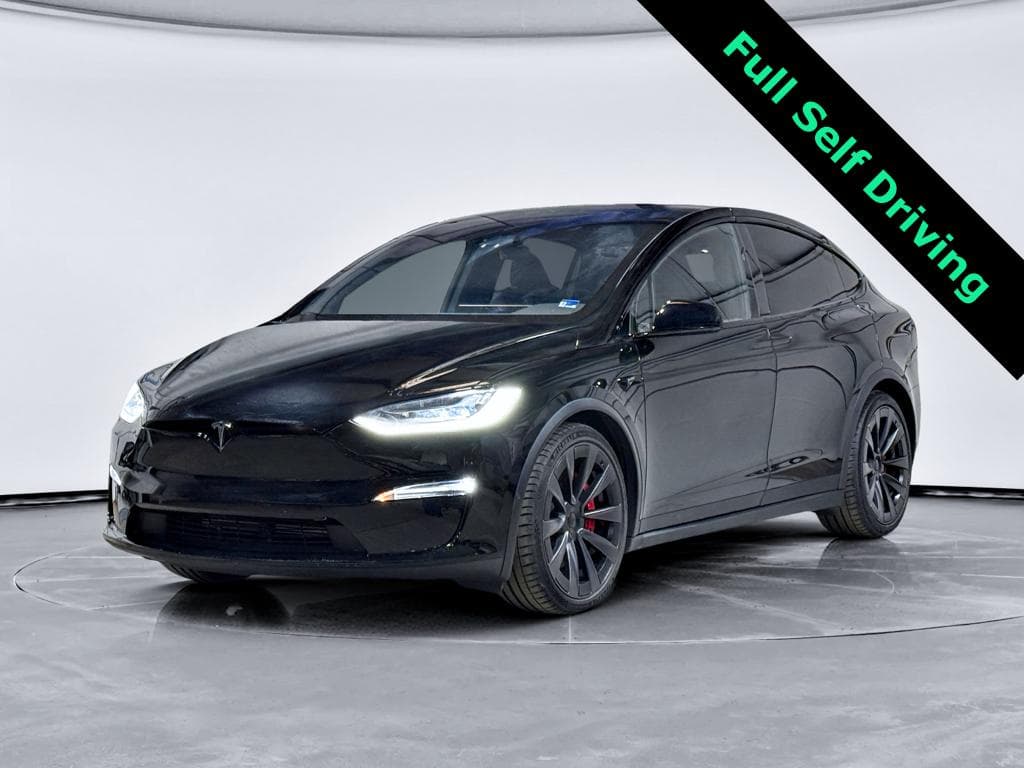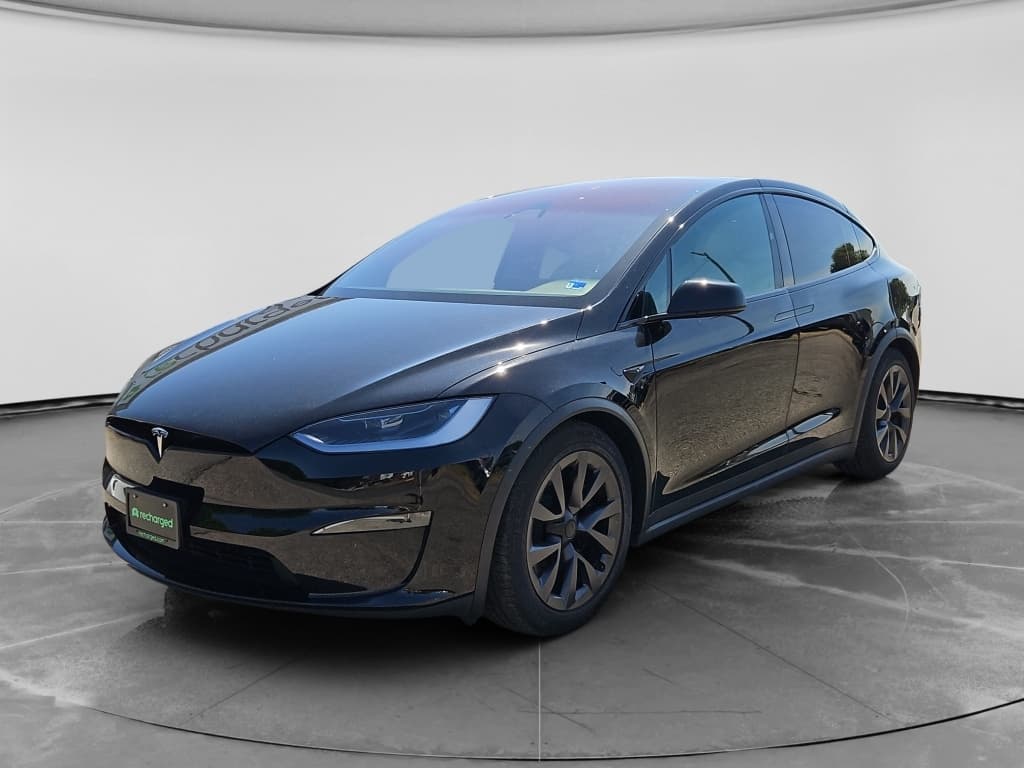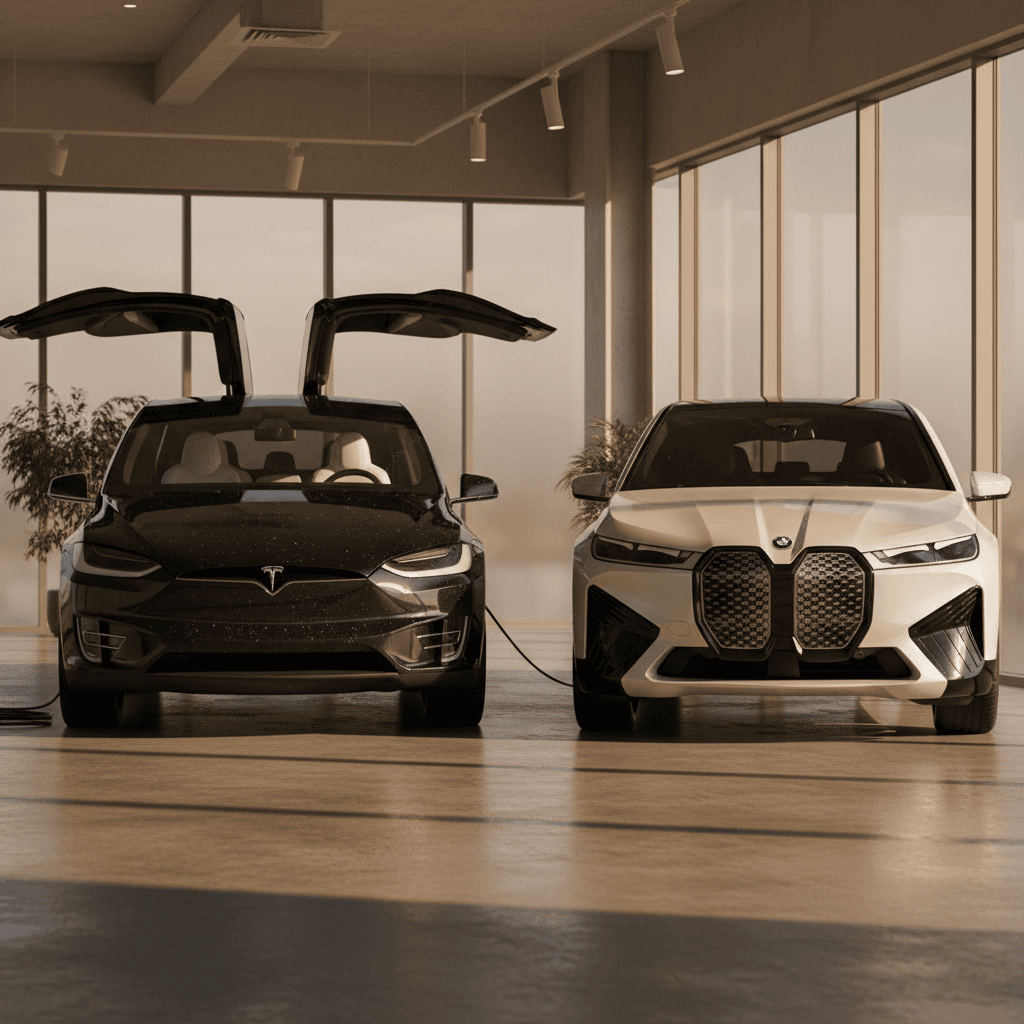
If you’re cross‑shopping a used Tesla Model X vs BMW iX, you’re exactly where many luxury EV buyers end up: torn between Tesla’s sci‑fi utility and BMW’s polished refinement. Both are quick, comfortable electric SUVs, but they deliver very different ownership experiences, especially on the used market.
At a glance
Overview: Used Tesla Model X vs BMW iX
Before diving into details, it helps to frame what you’re really choosing between. On the used market in the U.S. right now, you’ll typically see:
- Tesla Model X: 2016–2023 examples are common, with Long Range, 75D/90D/100D, and Plaid or Performance trims. Seven seats and dramatic Falcon Wing rear doors are big selling points.
- BMW iX: Mostly 2022–2025 iX xDrive50 and M60 models, all with two rows and five seats, tuned for comfort and quiet.
Why people pick a used Model X
- Optional three-row seating for up to seven.
- Access to Tesla’s Supercharger network during the transition to the new NACS standard.
- Signature design and Falcon Wing doors that still turn heads.
- Blistering acceleration in Performance and Plaid trims.
Why people pick a used BMW iX
- Exceptional ride comfort and interior quality.
- Competitive real‑world range from a large battery pack.
- Traditional doors and packaging, easier to live with in garages.
- More familiar dealership service experience for many owners.
Used EV sweet spot
Key Specs: Tesla Model X vs BMW iX
Exact specs vary by model year and trim, but this table gives you a realistic snapshot of what most U.S. buyers are comparing today: a dual‑motor Long Range Model X versus an iX xDrive50.
Used Tesla Model X vs BMW iX: Core Numbers
Representative specs for a dual‑motor Tesla Model X Long Range and BMW iX xDrive50. Always confirm exact figures for the year and trim you’re considering.
| Spec | Used Tesla Model X Long Range* | BMW iX xDrive50* |
|---|---|---|
| EPA range | ≈ 330–351 miles | ≈ 303–309 miles |
| Battery (usable est.) | ≈ 95–100 kWh | ≈ 100–105 kWh |
| 0–60 mph | ≈ 3.8–4.4 sec (trim‑dependent) | ≈ 4.4–4.6 sec |
| Drive layout | Dual‑motor AWD | Dual‑motor AWD |
| Seats | 5, 6, or 7 (optional third row) | 5 (two rows only) |
| Towing capacity | Up to 5,000 lbs (properly equipped) | Up to 3,500 lbs (braked) |
| DC fast‑charge peak | Up to ~250 kW (V3 Supercharger) | Up to ~195–200 kW (CCS) |
| Length | ≈ 198 in | 195 in |
| Cargo volume (behind 2nd row) | ≈ 37–42 cu ft (depending on seats) | 35.5 cu ft |
Numbers are typical for 2022–2024 examples; early Model X and performance trims will differ.
Check the exact trim
Space & Practicality: Which Is the Better Family Hauler?
If you’re hauling kids, pets, and weekend gear, space and usability matter as much as kilowatts. Here the two SUVs diverge sharply.
Practicality: Model X vs iX
Third row and Falcon Wings vs two‑row comfort and simple access
Tesla Model X: Big and Flexible
- Seating: available in 5, 6, or 7‑seat configurations. The optional third row is tight for adults but fine for kids.
- Falcon Wing doors make 2nd‑row access very easy in tight parking spots, but they can be slower and sometimes fussy.
- Cargo: generous with the third row folded plus a usable frunk; great for road‑trip luggage.
- Towing: up to 5,000 lbs when properly equipped, enough for small campers and boats.
BMW iX: Two-Row Lounge
- Two-row only, but with excellent adult‑friendly room in both rows.
- Cargo: around 35.5 cu ft behind the second row and nearly 78 cu ft with the seats folded, strong numbers for a mid‑size SUV.
- Conventional doors are simpler in low garages and tight urban parking.
- Towing: typically rated up to around 3,500 lbs in U.S. spec, fine for small trailers, but not as capable as the Model X.
Family verdict
Range, Charging, and Road-Trip Ability
On paper, both SUVs offer more range than most families need in a typical day. The difference comes down to where, and how easily, you can recharge on the road.
Realistic Range & Charging Snapshot
Tesla Model X: Supercharger ace in the hole
- Supercharger network is still the most seamless long‑distance charging experience in North America, especially for older Teslas that plug in natively.
- Route planning is tightly integrated into the car and app, fantastic for long trips.
- As more non‑Teslas get access to Superchargers via NACS and adapters, network congestion can increase in busy corridors.
BMW iX: CCS today, NACS tomorrow
- Uses the CCS standard, so it works on networks like Electrify America, EVgo, and many regional providers.
- Fast‑charging speeds are competitive, but station reliability and availability depend heavily on the network, not BMW.
- Automakers including BMW are moving to the NACS connector; over time, newer iX models and adapters should make Supercharger access easier as well.
Road-trip planning
Performance, Driving Feel, and Comfort
Both SUVs are quick by any reasonable standard, but they deliver speed and comfort in different ways.
How They Drive
Straight‑line thrills vs quiet composure
Acceleration
Model X (especially Performance and Plaid) is brutally quick, with many trims easily dipping into the 3‑second 0–60 mph range. Even Long Range models feel sports‑car quick.
BMW iX xDrive50 is "merely" fast: roughly 4.4–4.6 seconds to 60 mph, which is still more than enough for confident merging and passing.
Ride & Handling
The iX shines for its calm, composed ride and precise steering. Reviewers consistently praise it as one of the best‑riding luxury EV SUVs.
The Model X can feel firmer, especially on larger wheels, and its sheer size and height mean more body motion when pushed.
Noise & Comfort
BMW iX cabins are exceptionally quiet, with excellent sound insulation and optional acoustic glass.
Model X is reasonably quiet, but wind and road noise can be more noticeable, especially on older examples with worn seals or big wheels.
Driving personality
Tech, Safety, and Driver Assistance
Every modern luxury EV lives or dies by its tech story. Here, both SUVs are packed with features, but the flavor is different.
Tesla Model X: Software-first experience
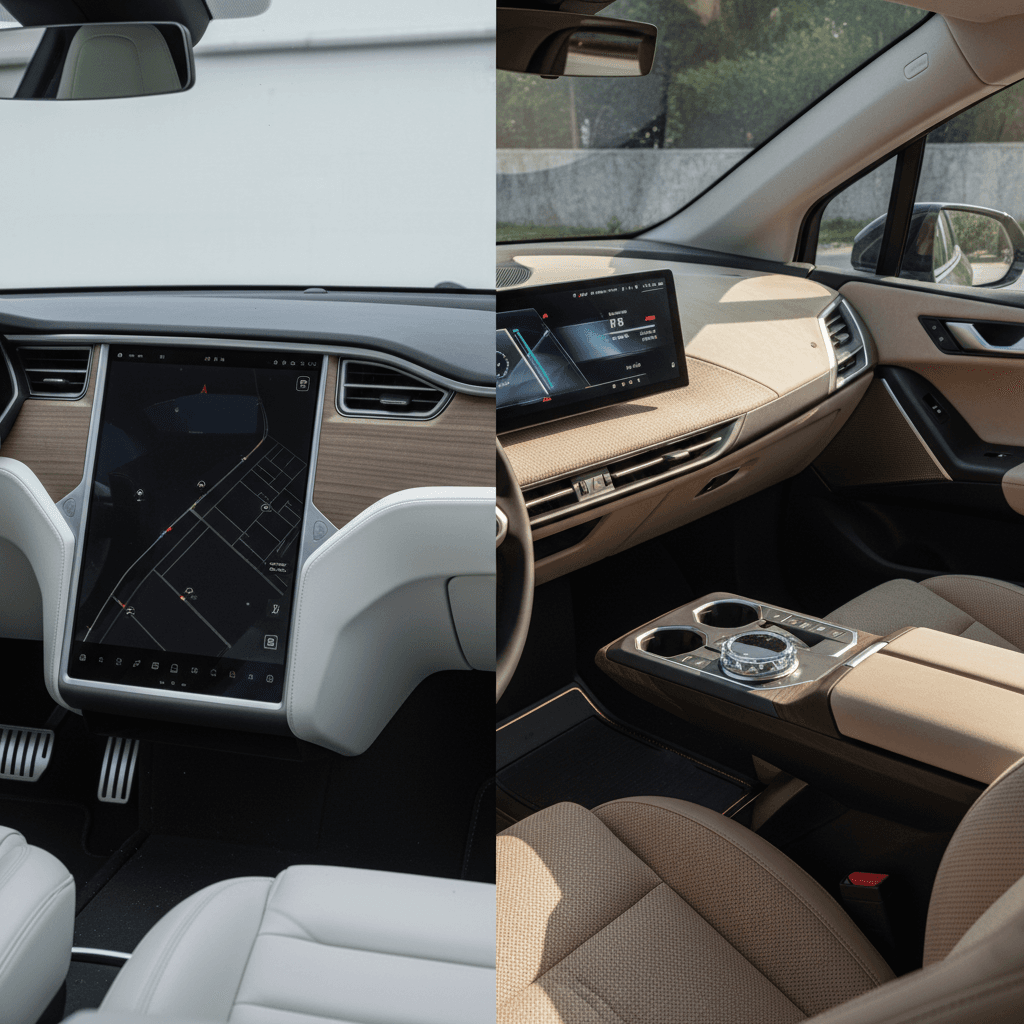
- Large central touchscreen (and in newer models, a rear screen) runs everything, from climate to wipers.
- Over‑the‑air updates can meaningfully change features and even performance over time.
- Autopilot and optional Enhanced Autopilot/Full Self‑Driving provide capable lane‑centering and traffic‑aware cruise on highways, though branding may exceed real‑world capability.
- Interface will feel familiar if you’ve used other Teslas; polarizing if you prefer physical buttons.
BMW iX: Tech wrapped in traditional luxury
- Curved dual‑screen setup with BMW’s latest iDrive software and a mix of touch, voice, and physical controls.
- High‑end audio options and excellent head‑up display.
- Driving Assistance Professional packages bring adaptive cruise, lane keeping, and traffic‑jam assist that feel polished and predictable.
- Multiple safety systems, blind‑spot monitoring, automatic emergency braking, 360° cameras, are widely available.
Driver-assist reality check
Reliability, Battery Health, and Used EV Risk
On the used market, the headline numbers only matter if the vehicle underneath them holds up. Here, Tesla and BMW have different reputations, and different typical issues.
Common Used-Ownership Considerations
Where each SUV tends to age, and what to look for
Tesla Model X: What to watch
- Door and latch issues: Falcon Wing doors and front door mechanisms are complex and can be expensive to fix out of warranty.
- Interior and trim wear: Early builds in particular may show more squeaks, rattles, and cosmetic wear.
- Suspension and tire wear: Heavy curb weight and big wheels can accelerate wear, especially in rough climates.
- Battery & drive units: The large battery pack itself generally holds up well if not abused, but check for any high‑voltage component replacements in the service history.
BMW iX: What to watch
- Software updates: Make sure the previous owner kept up with recalls and software updates; many improvements arrive over‑the‑air.
- Charging history: Frequent DC fast‑charging isn’t a deal‑breaker, but a mix of home and fast‑charging is healthier long‑term.
- Suspension/air systems (if equipped): Listen for clunks and check for uneven ride height.
- Dealer records: Because the iX is newer as a used option, many examples will still be under factory warranty, verify remaining coverage.
Don’t guess on battery health
Ownership Costs, Depreciation, and Long-Term Value
Both the Model X and iX are expensive vehicles new, and that means plenty of depreciation in the first few years, which can work to your advantage as a used buyer.
- Depreciation: High original MSRPs mean both tend to lose value quickly early on. The iX is newer to market, so steep first‑owner depreciation is still unfolding, while many older Model X examples have already bottomed out.
- Energy costs: Efficiency is broadly similar. Tires will be expensive on both; big, heavy EV SUVs are hard on rubber.
- Insurance: Performance‑oriented Model X trims and Falcon Wing doors can push premiums higher. The iX’s more conventional body helps, but check quotes for your ZIP code.
- Out‑of‑warranty repairs: Tesla repairs often mean Tesla service centers or approved body shops. BMW repairs fit into the more traditional dealer/independent‑shop ecosystem, which some owners prefer.
Leaning on financing and trade-in
Which Should You Buy? Clear Recommendations by Buyer Type
Let’s translate all this into plain‑English guidance. Here’s which way I’d lean for common buyer profiles.
Who Should Choose Which SUV?
Match your lifestyle to the right luxury EV
Growing family, three kids or more
Lean toward the Tesla Model X.
- Available 6‑ or 7‑seat layouts make school runs and carpools easier.
- Supercharger access simplifies long‑distance travel with kids.
- Be prepared to budget for possible door or suspension work as the vehicle ages.
Professional couple, no kids at home
Lean toward the BMW iX.
- Two‑row layout with a huge back seat is more than enough space.
- Ride comfort, cabin quietness, and materials feel a notch more refined.
- If you mainly charge at home and commute, CCS coverage is usually plenty.
Outdoor and towing enthusiast
Lean toward the Model X.
- Higher towing capacity for small campers, boats, or utility trailers.
- Abundant cargo space and roof‑rack solutions.
- Just be sure the specific vehicle has the factory towing package.
Value-focused used buyer
If you’re targeting the best deal, shop 3–5‑year‑old examples of either SUV. That’s typically where depreciation has already done most of its work but factory warranties and battery coverage can still be in play.
Don’t chase the lowest list price; chase the best combination of price, verified battery health, and clean history. That’s exactly what a curated marketplace like Recharged is designed to surface.
Tech-first early adopter
If you care most about cutting‑edge software and frequent OTA updates, a newer Model X will feel more like a rolling tech platform.
If you want tech wrapped in a traditional luxury experience, the iX gives you advanced driver‑assist plus a more conventional interface and cabin.
Checklist: Shopping a Used Model X or BMW iX
Pre-Purchase Checklist for Model X & BMW iX Buyers
1. Confirm battery and charging health
Review a <strong>battery health report</strong> (like the Recharged Score) and check that DC fast‑charge and AC home charging both work as expected. Look for unusually rapid range loss or charging errors.
2. Verify software, recalls, and updates
Make sure the vehicle is on current software and that any <strong>open recalls or service campaigns</strong> have been completed. This can influence performance, safety, and resale value.
3. Inspect doors and body hardware
On the Model X, carefully test Falcon Wing doors, front doors, and latches multiple times. On the iX, check for even panel gaps, smooth hatch operation, and any signs of prior body repair.
4. Evaluate suspension, tires, and brakes
Both SUVs are heavy and hard on tires. Look for <strong>even tire wear</strong>, listen for clunks over bumps, and budget for premium tire replacement if tread is low.
5. Test all driver-assist systems
On a safe test drive, verify that adaptive cruise, lane‑keeping, parking sensors, cameras, and automatic emergency braking all function correctly. Glitches can be annoying and expensive to diagnose.
6. Review warranty and service history
Ask for <strong>complete service records</strong>, check remaining factory and battery warranties, and confirm where you’ll have the vehicle serviced, Tesla center vs BMW dealer vs specialty EV shop.
7. Align the vehicle with your charging reality
If you live in an apartment or rely on public charging, lean into the SUV that best fits your local infrastructure. If you have (or can add) a 240‑volt home charger, either choice becomes easier to live with.
FAQ: Used Tesla Model X vs BMW iX
Frequently Asked Questions
Bottom Line: How to Shop Smarter With Recharged
Choosing between a used Tesla Model X vs BMW iX isn’t about finding a universally “better” SUV, it’s about finding the one that fits your life. If you want three rows, dramatic styling, and seamless long‑distance charging, the Model X remains uniquely compelling. If you prioritize a serene, high‑quality cabin, traditional luxury manners, and simple two‑row practicality, the iX is hard to beat.
Whichever direction you’re leaning, the key is to look beyond glossy photos and spec sheets. You need to know how healthy the battery is, whether the car’s history is clean, and if you’re paying a fair price for the exact trim and condition you’re getting. Every vehicle on Recharged comes with a Recharged Score Report that covers battery diagnostics, pricing transparency, and a clear view of ownership costs, plus EV‑specialist support from first click to delivery.
When you’re ready, you can browse used Model X and BMW iX listings, get a firm trade‑in offer on your current vehicle, pre‑qualify for financing with no impact to your credit, and have your next luxury EV SUV delivered to your driveway, or explore it in person at the Recharged Experience Center in Richmond, VA. That way, the only tough choice you’re left with is deciding which set of keys you want to pick up.