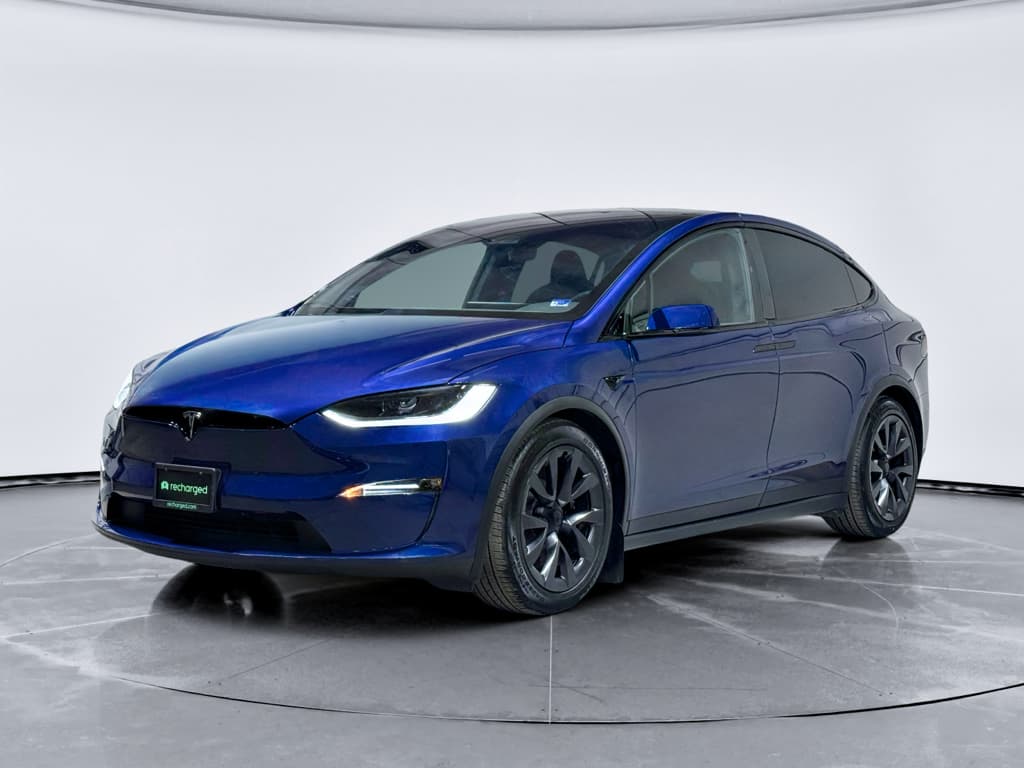
If you’ve been eyeing a used Tesla Model X, 2026 is a fascinating moment to buy. Tesla has stopped building new Model X for the U.S., which means every Model X is now a used Model X, and that shift is reshaping prices, demand, and how carefully you need to shop. This used Tesla Model X buying guide for 2026 walks you through pricing, trims, battery and range, common issues, and how to protect yourself before you sign anything.
What’s changed for 2026?
Why a used Tesla Model X is interesting in 2026
Why shoppers love the Model X
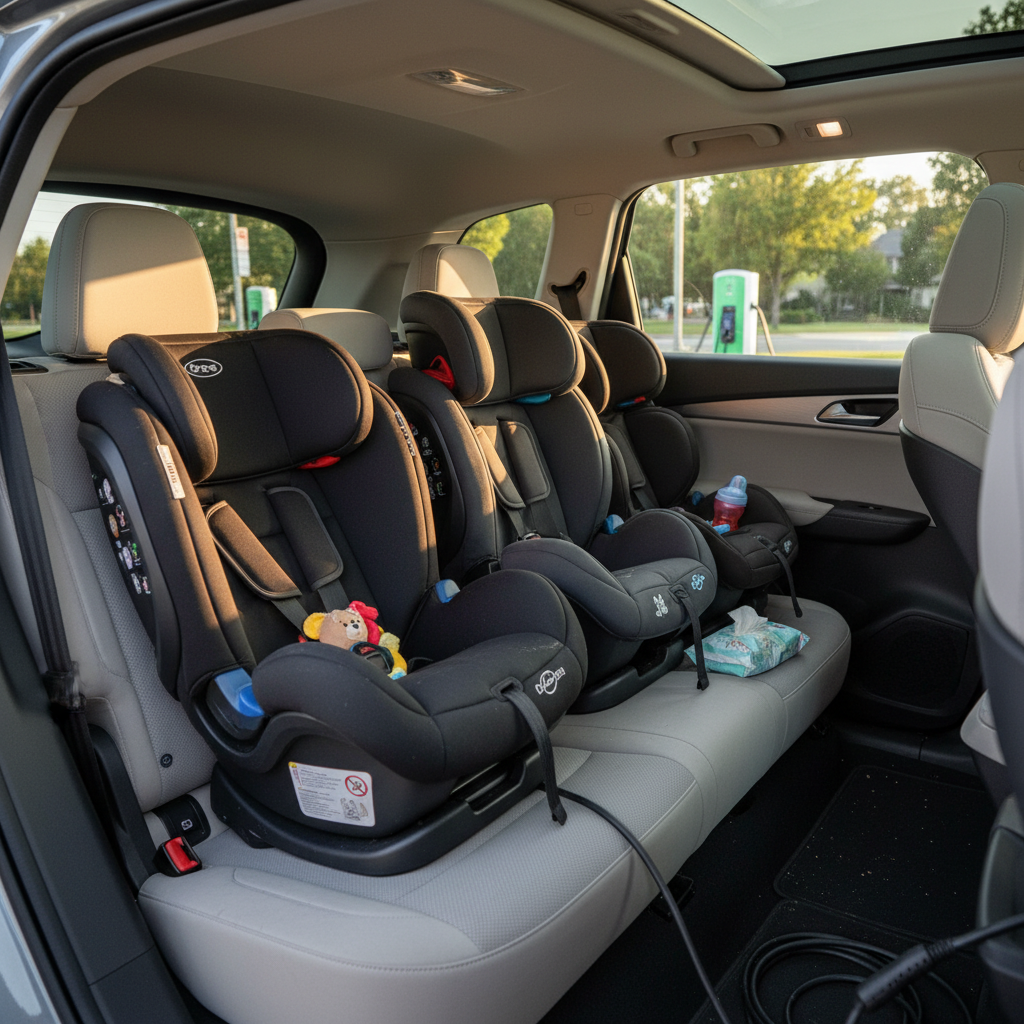
- Three-row space with genuine adult‑friendly second row and kid‑friendly third row.
- Serious performance, even non‑Plaid versions feel punchy, Plaid is borderline outrageous.
- Tesla Supercharger access and strong road‑trip usability.
- Minimal maintenance versus a gas luxury SUV.
- OTA software updates and modern tech interface.
Why you need to shop carefully
- High original prices mean big dollar swings in depreciation.
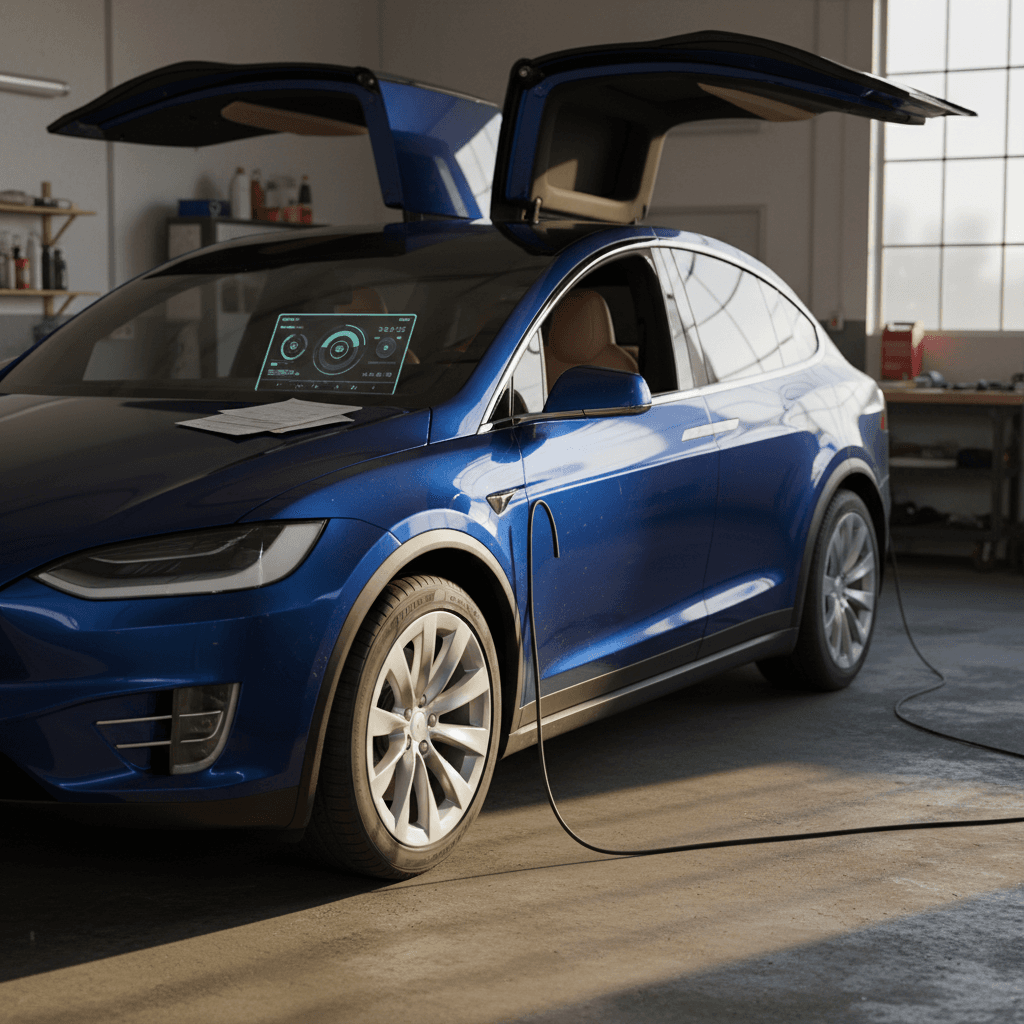
- Complex hardware (falcon‑wing doors, air suspension) can get expensive when out of warranty.
- Early build years had more reliability complaints.
- Battery health varies enormously car to car.
- Not every used Model X has the latest driver‑assist hardware or fast‑charging speeds you might expect.
How Recharged fits in
Model X generations, trims, and key features
Before you can judge whether a particular used Model X is a good buy, you need to know what you’re looking at. The model has evolved a lot since its 2015 debut. The names on the tailgate, 60D, 90D, 100D, Long Range, Plaid, tell you something about the battery, range, and performance, but only if you speak the language.
Model X eras and what they mean for used buyers
Use this as a quick decoder ring when you’re scrolling classifieds in 2026.
| Model years | Typical trims | Key updates | Buyer notes |
|---|---|---|---|
| 2016–2017 | 75D, 90D, P90D, 100D | Early build years, more teething issues with falcon‑wing doors and seals. | Appealing prices, but scrutinize service history and door operation carefully. |
| 2018–2020 | 100D, Long Range, Performance | Improved reliability versus earliest builds, Autopilot hardware maturing. | Good value if well‑maintained; check for air‑suspension noise and door alignment. |
| 2021 refresh | Long Range, Plaid | New interior with horizontal screen, yoke or wheel, revised seats, more range. | Feels like a new generation inside; still pricey but now only available used. |
| 2022–2024 | Long Range, Plaid | Incremental software and efficiency tweaks, more standard features, Luxe Package on late cars. | Premium pricing but strong remaining warranty; values have firmed up after Tesla ended production. |
| 2025 early builds | Long Range, Plaid | Final U.S. production run before discontinuation. | Low‑mileage examples command a premium; depreciation may be slower going forward. |
The sweet spot for many buyers is a refreshed 2021–2023 Long Range or Plaid with remaining battery warranty and updated interior.
Model X trim cheat sheet for used buyers
What the badges usually mean in the real world
Long Range / 100D
Best all‑rounder. Big battery, strong acceleration, and the longest range versions of the Model X lineup.
Great choice for families and road‑trippers who care more about distance and comfort than drag‑strip times.
Performance / Plaid
Maximum speed. Ludicrous or Plaid trims deliver supercar‑grade acceleration in a three‑row SUV.
Expect higher tire and brake wear and a price premium; range is solid but lower than Long Range equivalents.
Earlier 75D/90D
Budget entry. Smaller battery packs and shorter range, especially after years of use.
Can be great local haulers if pricing reflects age, miles, and any out‑of‑warranty repairs already done.
Range, battery life, and remaining warranty
Battery, range, and warranty snapshot for 2026 shoppers
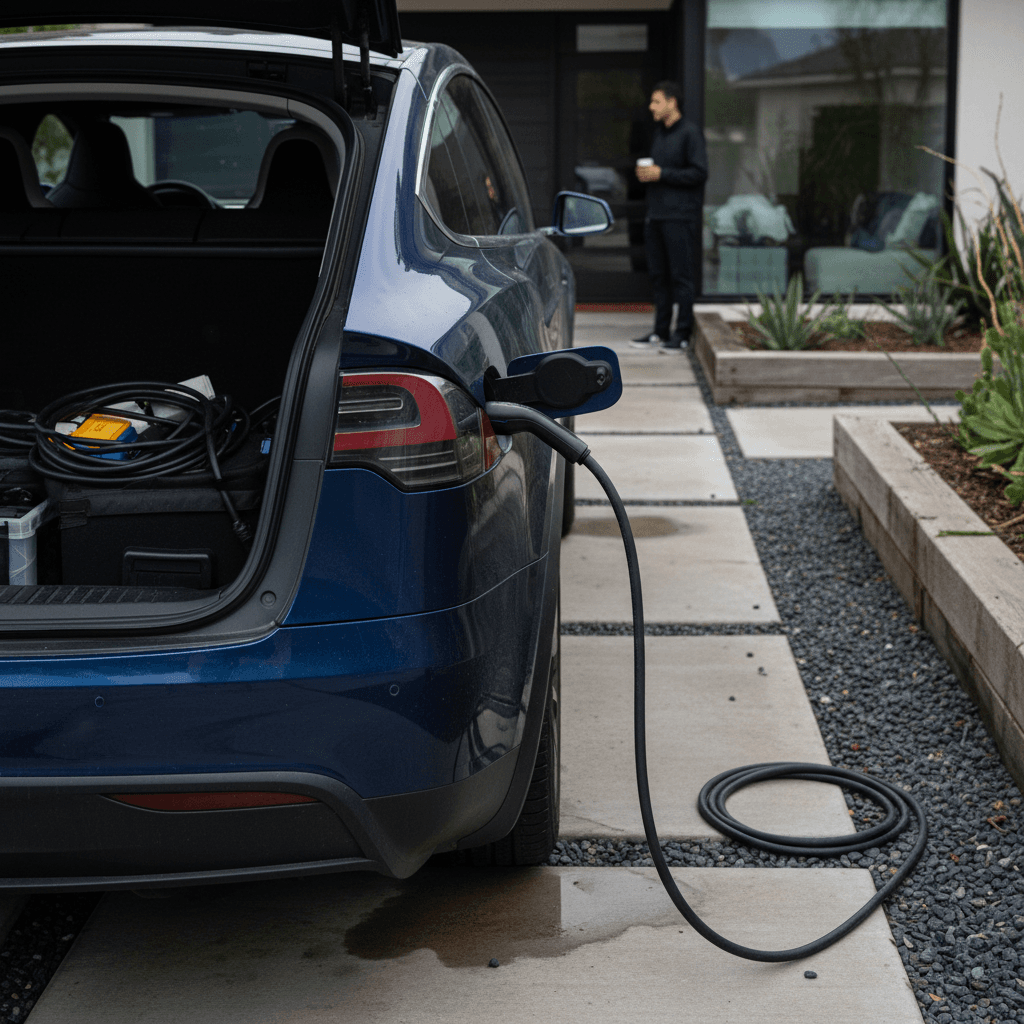
Range is why you buy a Tesla, so don’t treat it as an afterthought on a used Model X. Most 100 kWh Long Range and Plaid models were rated around the low‑300‑mile mark when new. In 2026, a healthy battery might deliver 250–300 miles in mixed driving, depending on how it was used and the climate it lived in.
- Earlier 75D/90D models started with less range and feel it more as they age, think 180–230 miles in real life for many examples today.
- Cold climates, lots of fast charging, or high‑speed highway driving will trim another 10–25% off those numbers on a trip.
- The most important number isn’t the EPA rating; it’s the current usable capacity of that specific car’s pack.
Don’t rely on the dash alone
From a warranty standpoint, you’re looking at two separate clocks. Tesla’s basic limited warranty runs 4 years/50,000 miles from in‑service date, while the battery and drive unit warranty runs 8 years and up to 150,000 miles for most Model X configurations, with a minimum 70% battery‑capacity promise. In 2026, that means:
- A 2018 Model X is at or just past the end of its battery warranty, treat pack health as your top due‑diligence item.
- A 2020–2022 Model X likely has several years of battery and drive‑unit coverage left, which can justify paying more.
- Late 2023–early 2025 builds are the “youngest” Xs on the market: high asking prices, but warranty coverage deep into the 2030s.
Used Tesla Model X prices and depreciation in 2026
The Model X has never been cheap. New, plenty of them stickered well into six figures once you piled on options. The flip side is fierce depreciation in the first five years, and that’s where used buyers in 2026 can win, especially now that Tesla has stopped building new X for the U.S. and prices have begun to stabilize.
Directional used Tesla Model X price bands in early 2026
Approximate retail asking ranges in the U.S. for clean‑title, average‑mile examples. Actual values vary with condition, spec, and battery health.
| Model year | Typical mileage | Expected retail range | Buyer takeaway |
|---|---|---|---|
| 2016–2017 | 70k–120k+ | $22,000 – $32,000 | Cheapest way into a Model X. Only consider with strong service history and a clean battery‑health report. |
| 2018–2019 | 60k–100k | $27,000 – $40,000 | Good value sweet spot if you prioritize price over newest styling. Battery warranty may be at or near expiration. |
| 2020 | 40k–80k | $32,000 – $45,000 | Bridges early and refreshed eras; focus on build date and hardware level when comparing. |
| 2021 refresh | 30k–70k | $45,000 – $65,000 | New‑style interior and screens. Still firmly a luxury purchase but cheaper than buying similar tech new. |
| 2022–2023 | 20k–50k | $55,000 – $75,000 | High spec, many still with comprehensive warranty; expect strong pricing, especially for Plaid. |
| 2024–early 2025 | Under 40k | $70,000+ | Final‑run, almost‑new Model X. Prices are firming now that production has ended; depreciation may slow from here. |
Use this as a sanity check, not a quote, battery health and options can move a specific Model X thousands of dollars either way.
Why depreciation is your friend, if you buy right
One wrinkle for 2026: after a brutal slide in used EV values in 2024 and early 2025, used Teslas, especially Model S and Model X, have ticked back up in price now that Tesla has ended new production. You’re no longer in “catch a falling knife” territory, but it does mean especially clean, low‑mile examples won’t be fire‑sale cheap.
How Recharged approaches pricing
Common Model X issues to watch for on a test drive
If there’s one truth about the Model X, it’s this: when it’s good, it’s phenomenal; when it’s bad, it’s often because a complex piece of hardware wasn’t cared for, adjusted, or repaired correctly. On a used example, your eyes and ears, and ideally a specialist inspection, matter as much as the spec sheet.
High‑priority problem areas on a used Model X
These don’t automatically kill a deal, but they should affect price and your confidence.
Falcon‑wing doors
- Listen for creaks, pops, or grinding as they open and close.
- Check for clean, even panel gaps and consistent closing.
- Water leaks or wind noise on the highway can signal seal or alignment issues.
Front half‑shafts & shudder
- On pre‑refresh AWD models, hard acceleration in standard ride height can cause a front‑end shudder.
- Some cars have revised parts; others may need them. Feel for vibration under load.
Air suspension & steering
- Listen for clunks over bumps or at low speeds when turning.
- Park level surface, cycle ride heights, and confirm the car raises and lowers promptly.
Wind noise & seals
- At 65–75 mph, listen around the windshield and front doors.
- Whistling or rushing air can mean misaligned glass or tired seals, fixable, but not cheap at dealer rates.
Screens & electronics
- Test both screens for ghost touches, yellowing, or lines.
- Run HVAC, heated seats, cameras, Bluetooth, and audio.
- Confirm over‑the‑air updates are current.
Accident & repair quality
- Model X body repairs can be slow and expensive.
- Look for mismatched paint, overspray, or uneven panel gaps.
- Pull a full history report and inspect any prior collision repairs carefully.
When to walk away
Feature and options checklist for used Model X shoppers
Two Model X SUVs built the same year can feel wildly different inside. Some of the most sought‑after features affect your daily experience more than 0–60 times. Use this checklist to make sure you’re comparing apples to apples.
Must‑know options and settings
Seating layout and third row
Confirm whether you’re looking at a 5‑, 6‑, or 7‑seat configuration. Six‑seat models with captain’s chairs feel more premium and give third‑row passengers a nicer entry path, but seven‑seaters maximize kid capacity.
Autopilot hardware and software
“Autopilot” means different things across years. Check which hardware version the car has and which features are actually enabled (Basic Autopilot, Enhanced Autopilot, or Full Self‑Driving capability). Don’t pay FSD prices for a car that only has basic lane‑keeping.
Tow package
If you plan to tow or use a hitch‑mounted bike rack, verify the vehicle has the factory tow package. Retrofits exist but cost money and may not match OEM integration.
Wheel size and tires
Big wheels look great but hurt range and tire life. Inspect tread depth, brand, and age. Budget for premium EV‑rated tires; Model X is heavy and hard on cheap rubber.
Heat pump and cold‑weather features
Later Model X versions feature more efficient climate systems. If you live in a cold climate, prioritize cars with seat and steering‑wheel heaters and understand winter range impact.
Premium audio & interior packages
If sound quality and cabin feel matter, seek out Premium Audio and upgraded interior packs. These hold their value and are hard to add later.
How to inspect a used Model X and evaluate battery health
A used EV inspection isn’t just a traditional used‑car once‑over plus a quick spin around the block. On a Model X, the high‑voltage battery, charging behavior, and software history are just as important as brakes and tires. Here’s a practical approach you can use whether you’re shopping locally or online.
Seven steps to a smarter Model X inspection
1. Start with history and recall checks
Pull a full vehicle‑history report to look for accidents, buybacks, or odometer inconsistencies. Then confirm recall work and major service campaigns have been completed, especially anything related to high‑voltage systems or door hardware.
2. Scan for warning lights and messages
On startup, the cluster should light up then go dark without persistent alerts. Any battery, drive‑unit, or suspension warnings are a pause button until a specialist diagnoses them.
3. Check real‑world efficiency
Reset the trip meter and take a 20–30 minute drive at mixed speeds. Note energy use in Wh/mi and compare it against what other owners see for the same model year. An outlier could mean dragging brakes, bad tires, or a battery that’s working harder than it should.
4. Inspect charging behavior
If possible, plug into both AC Level 2 and a DC fast charger. You’re looking for stable ramp‑up to appropriate speeds, no sudden cut‑outs, and normal connector temperature. A car that refuses to fast‑charge or charges very slowly for its hardware deserves deeper investigation.
5. Examine underbody and suspension
With the wheels turned, look at suspension arms and bushings for corrosion, rash, or obvious damage. On a lift, check the battery pack casing for scrapes, dents, or crushed areas, impact damage here can be very expensive.
6. Listen inside on rough roads
On imperfect pavement, listen for rattles from the dash, seats, and doors. A few squeaks are normal in any older SUV, but persistent clunks or groans from underfoot could foreshadow suspension work.
7. Get professional EV diagnostics
Even a savvy buyer can’t see everything. A specialist with the right tools can pull detailed battery‑health metrics, error logs, and thermal‑management history. Recharged bakes this into its <strong>Recharged Score</strong>, so you don’t have to hunt for someone with the right software.
Why battery‑health reports matter more than odometer readings
Financing, insurance, and total cost of ownership
Because the Model X started life as a six‑figure luxury EV, you’re buying into luxury‑SUV economics even at used prices. The good news is that electricity and maintenance are generally cheaper than feeding and caring for a similar German V8. The watch‑outs are financing terms, insurance, and big‑ticket repairs out of warranty.
Where you’ll likely save
- Fuel costs: Even with today’s electricity rates, most owners spend less per mile on energy than on premium gas.
- Routine maintenance: No oil changes, spark plugs, or transmission services. Brake wear is often low thanks to regen.
- Emissions‑testing and local perks: Some regions still offer reduced registration fees or HOV access for EVs.
Where costs can surprise you
- Insurance: Luxury EVs with aluminum bodies and advanced sensors can be pricier to insure; shop quotes before you commit.
- Out‑of‑warranty repairs: Air‑suspension components, door actuators, and screens aren’t cheap. A healthy emergency fund, or a solid extended‑coverage plan, buys peace of mind.
- Financing: Not every lender understands EV resale well; terms can vary widely.
Using Recharged for financing and trade‑in
Which used Model X is right for you?
Match your lifestyle to the right Model X era
Budget‑minded family, mostly local driving
Target <strong>2017–2019 100D or Long Range</strong> with a strong service record and a clean battery‑health report.
You’ll trade the latest interior design for a lower entry price.
Focus on door operation, air suspension, and any prior major repairs; negotiate hard if you see upcoming expenses.
Road‑trip family that lives on the highway
Look for a <strong>2020–2022 Long Range</strong> with moderate miles and remaining battery warranty.
Prioritize smaller wheels and good tires to preserve range and ride comfort.
Confirm strong Supercharging behavior and realistic range based on recent owner data or diagnostics.
Tech‑lover who wants the freshest cabin
Shop <strong>2021+ refresh</strong> Long Range or Plaid with the updated interior and infotainment.
You’ll pay more, but you get the interior most likely to stay "modern" deep into the 2030s.
Make sure the driver‑assist hardware and software alignment fits what you expect from a Tesla in 2026.
Performance enthusiast with a family
Seek out a <strong>P100D, Performance, or Plaid</strong> with documented service and good tires.
Budget extra for consumables, performance tires, brakes, and possible suspension work down the line.
If you rarely road‑trip, you may be fine trading a bit of range for that grin‑inducing pull.
Who should probably skip the Model X
Used Tesla Model X buying FAQ (2026)
Frequently asked questions about buying a used Tesla Model X
Bottom line: Is a used Tesla Model X a smart buy in 2026?
A used Tesla Model X in 2026 can be one of the most compelling ways to put a quick, comfortable, three‑row electric SUV in your driveway, especially now that someone else has absorbed the steepest years of depreciation. But it’s not a set‑and‑forget appliance. You’re shopping a complex luxury vehicle with unique hardware, a big battery, and a market history that rewards the careful and punishes the rushed.
If you match the right era and trim to your needs, insist on verified battery health and a thorough inspection, and pay a price that reflects both condition and remaining warranty, the Model X can be a long‑legged family hauler that still feels special years after its last software update. Platforms like Recharged were built for exactly this kind of decision: used EVs where battery health, transparent pricing, and expert guidance matter more than balloons in a showroom. Take your time, ask hard questions, lean on data, not just hope, and the right used Model X can make every school run and road trip feel just a bit futuristic.