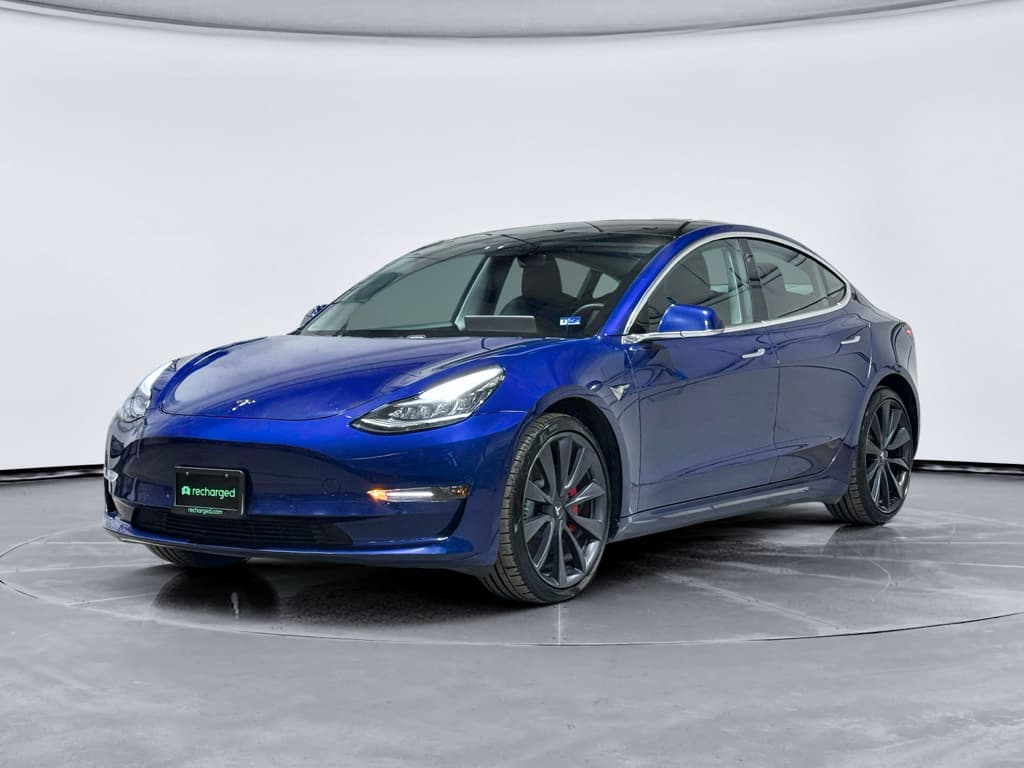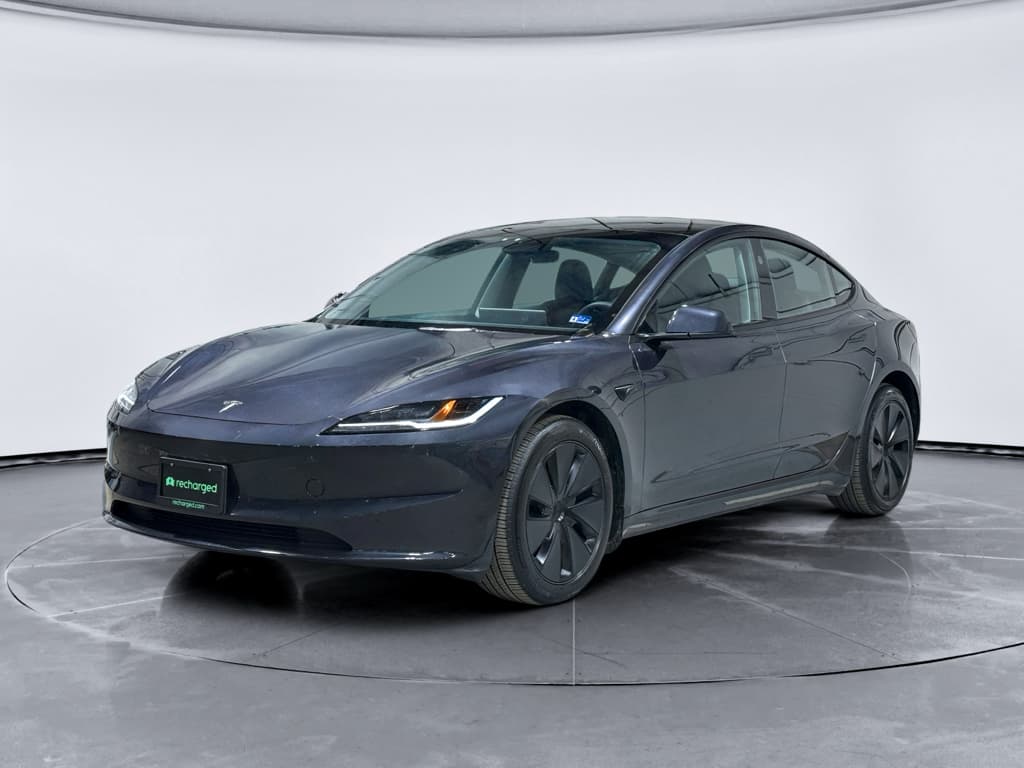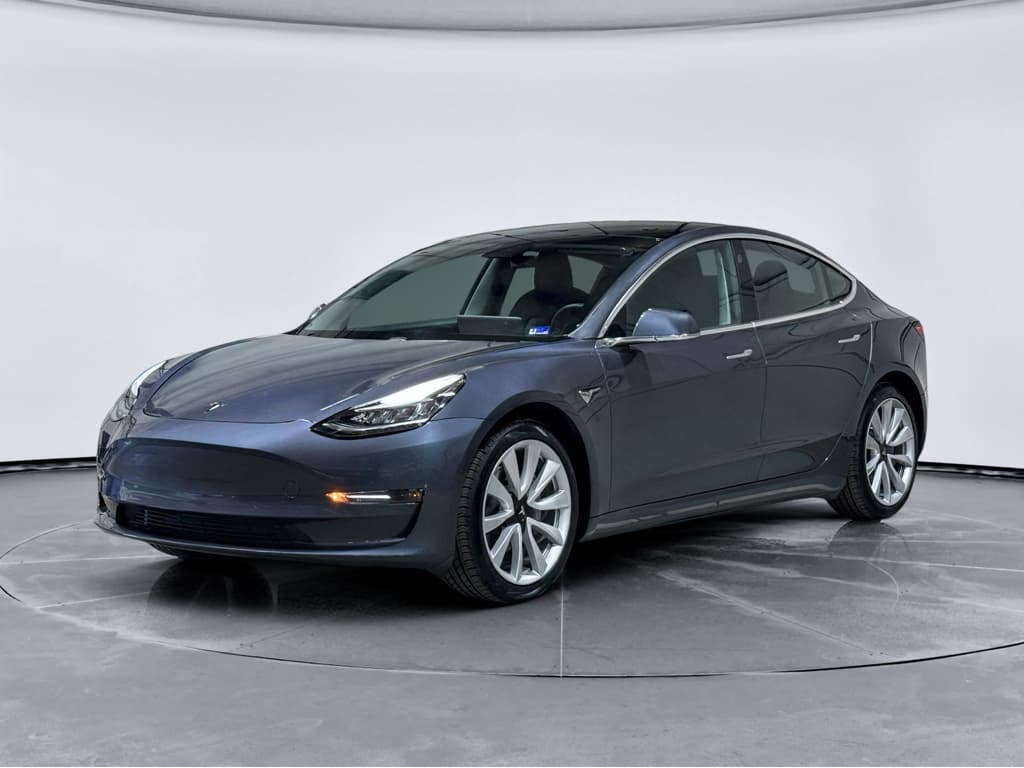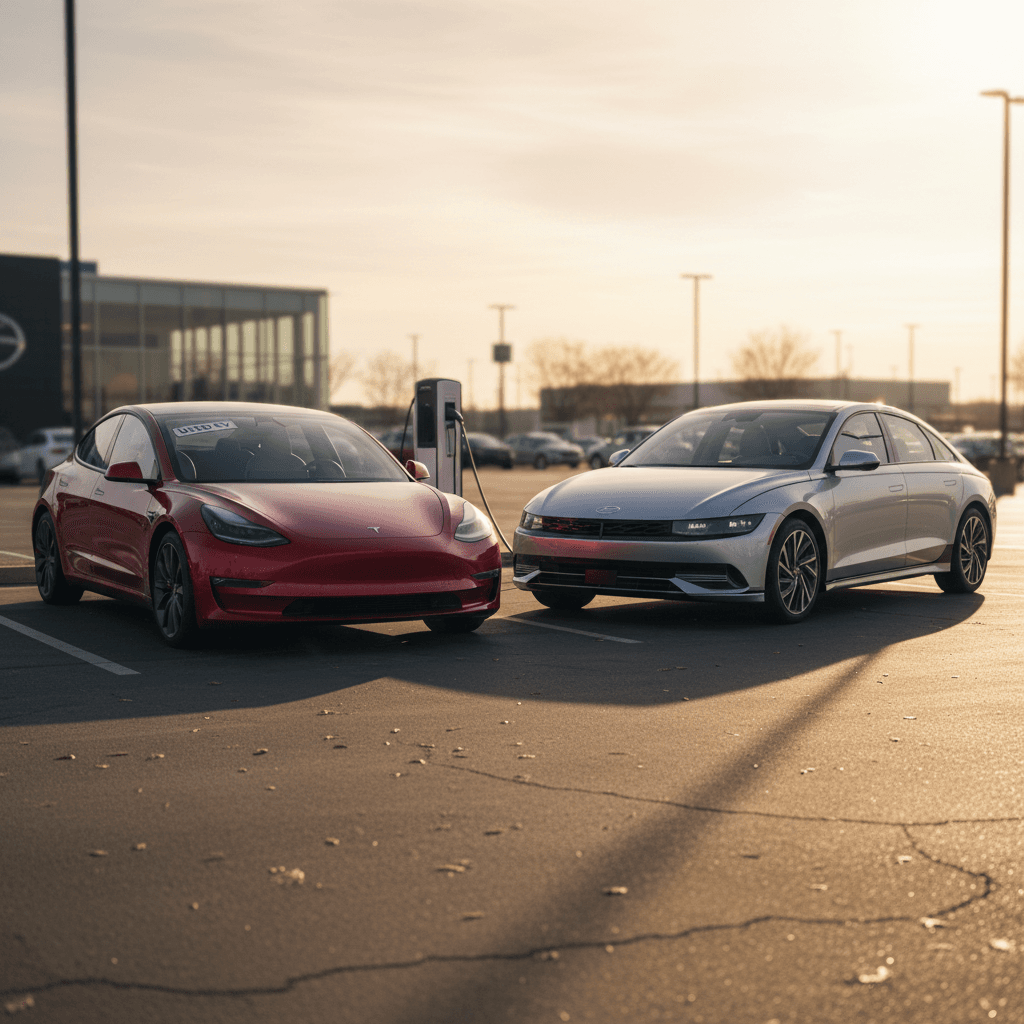
You’re shopping the used EV lot in 2026, and two cars keep stalking you: a used Tesla Model 3 and a used Hyundai Ioniq 6. Same basic mission, electric sedan, decent range, grown‑up road manners, but wildly different personalities. One is Silicon Valley minimalism, the other is an Art Deco spaceship with a warranty booklet stapled to it. This guide walks you through a **used Tesla Model 3 vs Hyundai Ioniq 6 comparison for 2026** so you can pick the right headache, or better yet, avoid one.
Who this guide is for
Why this used Model 3 vs Ioniq 6 comparison matters in 2026
The used EV market in 2026 is no longer a curiosity shop; it’s a proper bazaar. Price cuts on new EVs in 2023–2025, expiring tax credits, and a wave of off‑lease returns have pushed prices down across the board. That means you can now buy serious range and tech for midsize‑Camry money, if you know what you’re looking at.
- The Tesla Model 3 is the volume king of used EVs, which means tons of choice, big pricing spread, and solid parts availability.
- The Hyundai Ioniq 6 is newer and rarer, but it arrives with ultra‑efficient range, a plush cabin, and aggressive new‑car discounts that have already hammered used values.
- Price differences that used to favor Tesla have narrowed; in many markets, a similar‑age Ioniq 6 is cheaper than a comparable Model 3.
Where Recharged fits in
Quick take: which used EV fits you?
At a glance: used Model 3 vs Ioniq 6 buyer profiles
Same mission, different drivers
Used Tesla Model 3 is better if…
- You want the best fast‑charging network (Supercharger access) for road trips.
- You care most about software, apps, and over‑the‑air updates.
- You prioritize handling and performance over a cushy ride.
- Resale value matters; Model 3s generally hold value better than most EVs.
Used Hyundai Ioniq 6 is better if…
- You want a quiet, comfortable highway cruiser with a lounge‑like cabin.
- You care about modern safety tech standard and a long warranty.
- You live near 350 kW DC fast chargers and want very fast charging on those networks.
- You like to let the first owner eat the big depreciation hit and buy in at a discount.
The short verdict
Specs and range: Tesla Model 3 vs Hyundai Ioniq 6
On paper, both of these sedans promise “do‑it‑all” range. The Tesla Model 3 has evolved since 2017, with various Standard Range/Rear‑Wheel Drive and Long Range/AWD configurations. The Hyundai Ioniq 6 arrived for the 2023 model year in the U.S. with a 53 kWh Standard Range pack (briefly) and a more common 77.4 kWh pack, in both RWD and AWD.
Core specs: typical used trims you’ll see in 2026
Representative trims that are common on the U.S. used market in 2026. Always verify the exact configuration before you buy.
| Model | Typical used years | Drivetrain | Battery (approx) | EPA range (mi) | 0–60 mph (sec) |
|---|---|---|---|---|---|
| Tesla Model 3 RWD / Standard Range | 2019–2024 | RWD | 50–60 kWh | ~240–272 | 5.8–6.1 |
| Tesla Model 3 Long Range | 2018–2023 | AWD | 75–82 kWh | ~310–358 | 4.2–4.4 |
| Tesla Model 3 Performance | 2018–2023 | AWD | 75–82 kWh | ~290–315 | 3.1–3.4 |
| Hyundai Ioniq 6 SE Standard Range | 2023–2024 (rare) | RWD | 53 kWh | ~240 | ~8.0 |
| Hyundai Ioniq 6 SE Long Range RWD | 2023–2025 | RWD | 77.4 kWh | up to ~361 | ~7.4 |
| Hyundai Ioniq 6 SEL/Limited AWD | 2023–2025 | AWD | 77.4 kWh | ~270–316 | ~5.1–5.5 |
EPA ranges are manufacturer estimates; real‑world results vary with driving style, climate, and wheels.
Range reality check
Real‑world efficiency and winter driving
Tesla Model 3: Efficient, but wheel‑sensitive
In mixed driving, most owners report 3.5–4.1 mi/kWh in mild weather from a Model 3. The car’s aero and relatively low weight help, but big wheels and aggressive driving will chew into that quickly.
- Smaller wheels and all‑season tires usually yield noticeably better efficiency.
- In cold climates, expect winter range hits of 25–35% if you do lots of short trips.
- Tesla’s preconditioning and heat pump (on newer cars) mitigate winter pain, but physics still wins.
Hyundai Ioniq 6: Aero lab experiment on wheels
The Ioniq 6 is one of the most aerodynamic production cars on sale, and it shows: owners commonly see 4.0–4.5+ mi/kWh in mild weather on Long Range RWD cars when driven sanely.
- The 361‑mile SE Long Range RWD trim is a highway champ, especially at 65–70 mph.
- Like the Tesla, winter trims the sails, but the Ioniq’s efficient heat pump helps.
- AWD versions are thirstier but still competitive with a Model 3 Long Range.
If you live where winter is a season, not a suggestion
Charging experience and road‑trip ability
Charging is where the hardware spec sheet meets the harsh reality of hotel parking lots, broken public stations, and kids who needed a restroom 40 miles ago. In 2026, both cars are better positioned than most of the segment, but in different ways.
Charging headlines
Tesla Model 3: Supercharger native (or nearly)
The Model 3 was built around the Supercharger network. Depending on model year and region, you may have native NACS access or use adapters for CCS. Either way, planning and executing road trips in a Tesla is still easier than in any other EV.
- Route planning is integrated: the car plans stops, shows live stall availability, and preconditions the battery automatically.
- In 2026, more non‑Tesla EVs are getting NACS ports, but the Model 3 remains the yardstick for charging convenience.
- At home, nearly all Model 3s are happy on a 32–48 A Level 2 circuit, adding 30–40+ miles per hour of charge.
Hyundai Ioniq 6: Ultra‑fast… when the station is
The Ioniq 6 rides on an 800‑V architecture, which lets it post eye‑watering DC numbers at 350 kW stations. On paper, you can go from 10–80% in roughly 18–20 minutes under ideal conditions.
- The caveat: U.S. public fast‑charging reliability still varies by network and region.
- Hyundai’s native route planning and charger data aren’t as polished as Tesla’s, though third‑party apps help.
- At home, it also thrives on a 40–48 A Level 2 setup; energy efficiency keeps electricity bills reasonable.
Mind the connector alphabet soup
Interior, comfort, and quietness
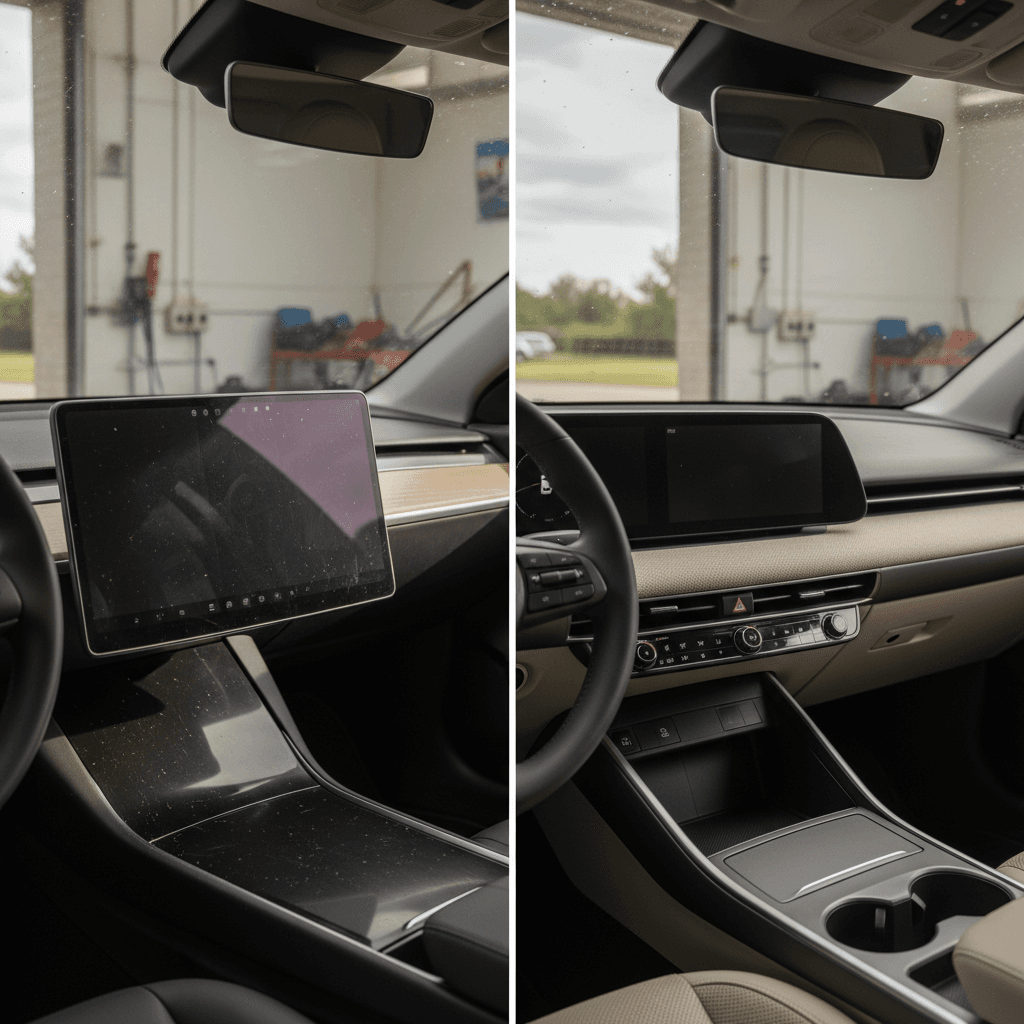
Inside, these cars feel like they were designed by different species. The Tesla is a Bauhaus loft; the Hyundai is a boutique airport lounge that serves pour‑over coffee and has Opinions about ambient lighting.
Cabin character: minimalist vs lounge
Tesla Model 3
- Minimalist dash with a single center screen; virtually no physical buttons.
- Front seats are supportive but the ride skews firmer, especially on larger wheels.
- Rear seat room is adequate but not generous; headroom can be tight for tall adults under the fastback roof.
- Road noise improved over the years, but earlier cars can feel louder on coarse pavement.
Hyundai Ioniq 6
- More conventional layout with a digital cluster and center screen, plus sane physical controls for climate.
- Seats and ride tuning lean toward comfort; it’s hushed and relaxed at highway speed.
- Rear legroom is strong; headroom is decent given the sweep of the roof.
- Materials feel warm and inviting, with ambient lighting and thoughtful storage touches.
Test‑sit, don’t just test‑drive
Tech, infotainment, and driver assistance
Both cars are rolling computers, but they speak different dialects. Tesla skews toward software‑first, subscription‑happy, “we’ll fix it in an update.” Hyundai leans on well‑equipped trims, conventional driver aids, and a more traditional infotainment ecosystem.
Tesla Model 3 tech
- Infotainment: Fast, slick UI, great mapping and trip planning, native streaming apps. No Apple CarPlay or Android Auto, which you’ll either not miss at all or curse daily.
- Driver assistance: Autopilot is standard; Enhanced Autopilot and Full Self‑Driving (FSD) are expensive software upgrades. On the used market, cars with prepaid packages can command a premium.
- Updates: Over‑the‑air updates frequently change features, interfaces, and even performance. That’s exciting if you like change, annoying if you don’t.
Hyundai Ioniq 6 tech
- Infotainment: Solid, if more conventional. Supports Apple CarPlay and Android Auto (wired in many trims), which many buyers prefer to Tesla’s walled garden.
- Driver assistance: Hyundai’s Highway Driving Assist (HDA) and related features deliver calm, confident lane‑centering and adaptive cruise. The marketing is less bombastic than Tesla’s, but the competence is very real.
- Updates: Some OTA capability, but the pace and depth of updates lag Tesla’s. You’re buying more of a “set” feature list.
About driver‑assist promises
Depreciation and resale value on the used market
Used buyers live and die by depreciation. The first owner’s pain can be your opportunity, but you don’t want to buy a falling knife either. By 2026, we have real‑world data on how both of these cars behave after the honeymoon period.
Typical depreciation patterns by 2026
Illustrative U.S. market patterns based on early‑2020s pricing and used‑market data. Exact numbers vary by mileage, condition, trim, incentives, and regional demand.
| Model / age | Original new MSRP (approx) | Typical used asking (2026) | Value retained (rough) | What it means for you |
|---|---|---|---|---|
| 2020 Tesla Model 3 Long Range (5–6 yrs) | $48,000 | mid‑$20Ks | ~50–55% | Substantial but not catastrophic depreciation; still strong compared with many EVs. |
| 2022 Tesla Model 3 RWD (3–4 yrs) | $45,000 | low‑ to mid‑$30Ks | ~70–75% | Price cuts on new cars compressed used values, but demand keeps floors decent. |
| 2023 Hyundai Ioniq 6 SEL AWD (2–3 yrs) | $52,000 | mid‑$20Ks | ~50–60% | Heavy discounts, expiring tax credits, and sedan apathy have pushed prices down fast. |
| 2024 Hyundai Ioniq 6 SE Long Range RWD (1–2 yrs) | $45,000–$48,000 | upper‑$20Ks to low‑$30Ks | ~60–70% | Still stabilizing; big swings depending on incentives the first owner enjoyed. |
Think in percentages and trends, not single asking prices on classified sites.
Big picture on resale
Ownership costs, warranty, and reliability
With EVs, your big recurring costs are electricity, tires, insurance, and whatever the previous owner didn’t fix. Both the Model 3 and Ioniq 6 are fundamentally simple compared with gas cars, but the details differ.
Key ownership factors to compare
Battery and drive unit warranty
Most used Model 3s on the market still have part of their original 8‑year/100k–120k‑mile battery and drive unit warranty left. Hyundai typically offers 10‑year/100k‑mile powertrain coverage (with 8‑year high‑voltage protection) for the first owner; how much transfers on a used Ioniq 6 depends on original purchase and region, read the fine print.
Routine service and repairs
Tesla has fewer traditional wear items (no oil changes, timing belts, etc.), but some repairs must go through Tesla or EV‑savvy independents. Hyundai service is more conventional; many dealers now understand EVs, and parts pipelines are more established across the brand.
Insurance premiums
Insurers are still learning how to price EV risk. The Model 3’s ubiquity and expensive collision repair history can drive higher premiums in some markets; the rarer Ioniq 6 may confuse insurers in the other direction. Get quotes on both before you commit.
Tires and wheels
Both cars are hard on tires thanks to torque and weight. Performance‑oriented Model 3s on big wheels eat rubber and can be noisy; Ioniq 6 owners who stick to sensible wheel sizes see better comfort and longevity.
Known trouble spots
Any used EV must be screened for battery health, DC‑fast‑charge abuse, accident history, and software status. The Ioniq 6 has had some reported issues (like high‑voltage component woes and early build quirks); Tesla has its own list (suspension components, panel alignment, infotainment glitches). A proper inspection is non‑negotiable.
Where Recharged changes the math
How to choose: step‑by‑step used‑buyer checklist
Forget badges for a moment. Here’s a structured way to decide between a used Tesla Model 3 and a used Hyundai Ioniq 6 that won’t leave you crying into your Level 2 cable.
Step‑by‑step decision guide
1. Define your real range need
Look at your longest regular drive, not your once‑a‑year road trip. If you routinely do 200‑plus‑mile stints between chargers, lean toward Long Range versions of either car. If your life is mostly commuting and errands, a Standard Range Model 3 or even an Ioniq 6 Standard Range (if you find one) might be plenty.
2. Map your charging reality
Open a public‑charging app and map stations near your home, work, and usual routes. If you see a forest of Superchargers, that biases the game toward Tesla. If you have robust CCS/350 kW coverage and free workplace charging, the Ioniq 6’s ultra‑fast capability becomes more meaningful.
3. Decide your cabin philosophy
Spend 10–15 minutes sitting in each car with it powered on. Do you like a clean, screen‑dominated space with almost no buttons (Model 3), or do you prefer physical controls, ambient lighting, and a more traditional dash (Ioniq 6)? You’ll live with this every day; treat it like the big decision it is.
4. Run the total cost of ownership
Don’t just compare asking prices. Factor in insurance quotes, expected depreciation (the Ioniq 6 likely loses more percentage‑wise), charging costs, and any out‑of‑warranty worries. A cheaper sticker on day one isn’t automatically the cheaper car over five years.
5. Get a battery and history report
Ask for a battery‑health snapshot, DC‑fast‑charge history, and full accident/repair history. If you’re buying through <strong>Recharged</strong>, the Recharged Score consolidates this into a single, easy‑to‑read report so you can compare individual cars, not just model names.
6. Test‑drive back‑to‑back
Drive them on the same loop, highway, broken pavement, some curves. In 10 miles you’ll know: Tesla’s steering and throttle feel sportier; the Hyundai rides softer and quieter. Your right foot and inner ear will tell you which car they want to live with.
FAQ: Used Tesla Model 3 vs Hyundai Ioniq 6
Frequently asked questions
Bottom line: which used EV should you buy?
If you’re keeping score at home, the used Tesla Model 3 wins on charging ecosystem, software polish, and long‑term resale. It’s the default choice for a reason. The Hyundai Ioniq 6 counters with comfort, efficiency, and eye‑opening value once the first owner has donated their equity to the depreciation gods. In 2026, the smart move isn’t asking “which model is better?” in the abstract; it’s comparing specific cars, their battery health, histories, pricing, and how they fit your life.
If you want help making that leap from spreadsheet to driveway, Recharged was built for exactly this moment in the EV story. Browse used Model 3 and Ioniq 6 listings online, get a Recharged Score battery report on every car, line up financing and trade‑in, and have your choice delivered to your door, or visit our Experience Center in Richmond, VA. One test drive later, the right answer between Model 3 and Ioniq 6 usually reveals itself. Your job is just to listen.