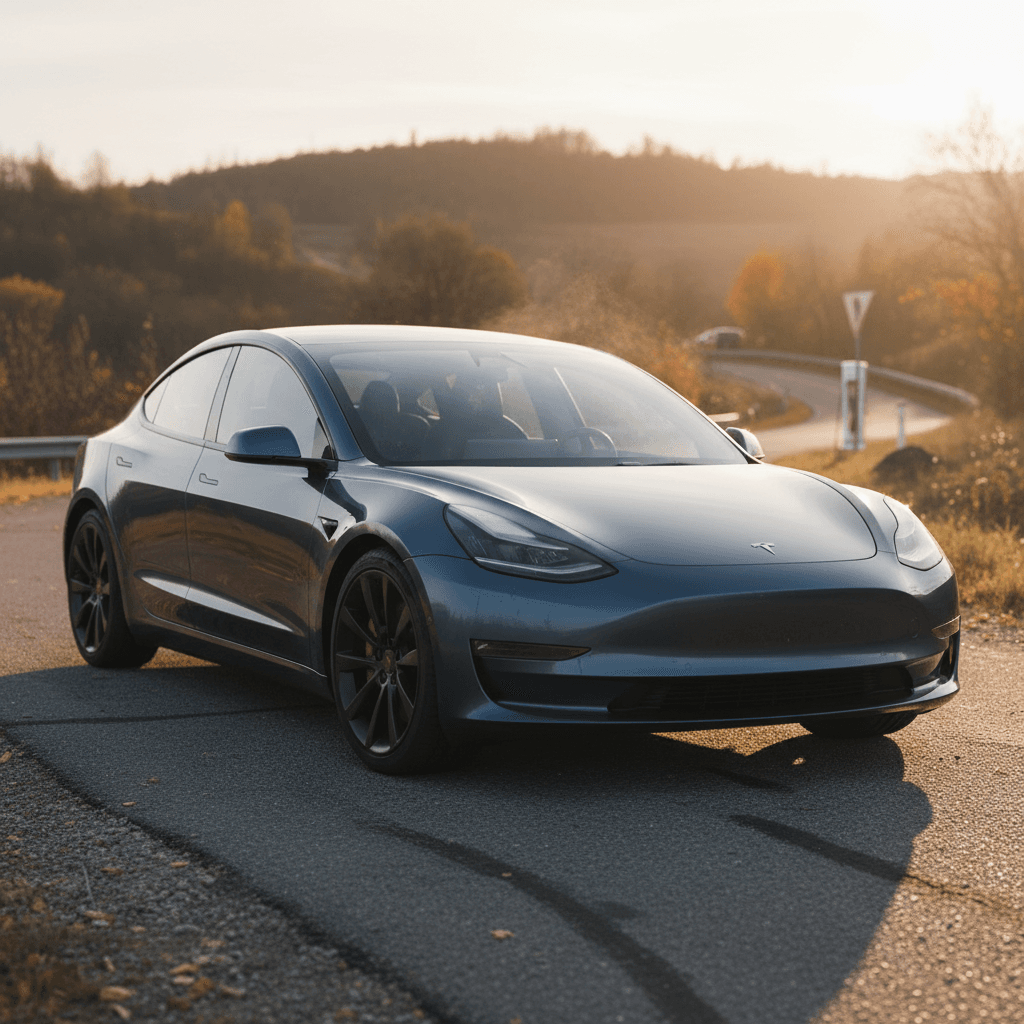
If you want a compact EV that feels like a sports sedan, a used Tesla Model 3 Performance is probably near the top of your list. It’s brutally quick, taps into Tesla’s Supercharger network, and has been around long enough that the used market is now full of choices, some great, some you should walk away from.
What this review covers
Why Used Model 3 Performance Is on Everyone’s Radar
New performance EVs have nudged well into luxury‑car territory, but the used Model 3 Performance undercuts many of them while matching or beating their acceleration. With 0–60 mph times around 3 seconds on most years and battery degradation that averages roughly 1–2% per year when cared for, shoppers get supercar‑level thrust with range that still works for daily duty.
At the same time, EV resale values have reset since 2022. Many three‑ to five‑year‑old Model 3 Performance cars now sell for far less than their original sticker, which makes timing and condition far more important than grabbing the first cheap listing you see.
Used Model 3 Performance: Key Numbers to Know
Used Tesla Model 3 Performance at a Glance
Core Specs Across Common Used Model 3 Performance Years
Approximate specs for U.S.‑market Model 3 Performance trims that now populate the used market most heavily.
| Model Year Range | Powertrain | Approx. 0–60 mph | Battery & DC Fast Charge | EPA Range (new) | Notable Changes |
|---|---|---|---|---|---|
| 2018–2020 | Dual‑motor AWD Performance | 3.2–3.1 s | ~75–78 kWh pack, up to 250 kW | ~299–310 mi | Launch of Performance trim; optional Performance Upgrade Package; early build quality quirks. |
| 2021–2023 | Dual‑motor AWD Performance | About 3.1 s | Similar pack, up to 250 kW | High‑200s to low‑300s mi | Heat pump, efficiency tweaks, interior updates; more stable build quality. |
| 2024+ (Highland Performance) | Dual‑motor AWD, revised chassis | Claimed ~2.9 s | ~78–80 kWh pack, 250 kW+ | High‑200s mi (est.) | Revised suspension, updated interior, sharper handling. Only earliest units just now trickling into used listings. |
Always confirm exact specs by VIN and window sticker, as Tesla changes details mid‑year.
Performance: How Fast Is a Used Model 3 Performance?
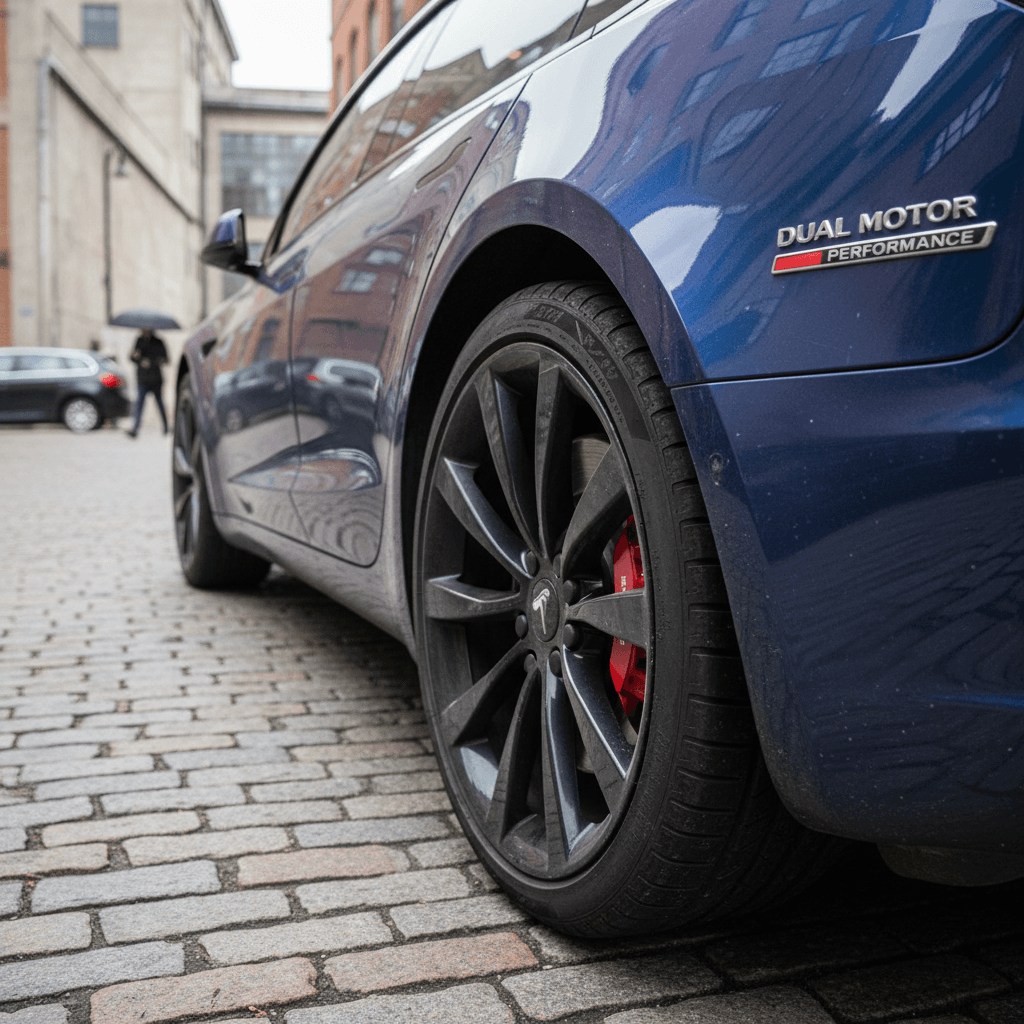
Even a five‑year‑old Model 3 Performance is still one of the quickest cars you can buy for the money, gas or electric. Dual motors and all‑wheel drive give you repeatable, no‑drama launches that would have embarrassed many supercars just a decade ago.
Real‑World Performance: What You’ll Actually Feel
On the street, a used Model 3 Performance is more about effortless thrust than top speed bragging rights.
Brutal launches
Passing power
Everyday drivability
Performance has a cost
Handling & chassis
The Model 3 Performance sits lower and runs stiffer suspension than other trims, especially on cars with the Performance Upgrade Package. Turn‑in is sharp and the chassis feels planted, though the ride can be firm over broken pavement, particularly on 20‑inch wheels.
Later Performance cars and the refreshed versions add more sophisticated suspension tuning that better balances comfort and body control. If you live in an area with rough roads, factor wheel size and tire sidewall into your decision.
Braking & Track mode
Performance models receive bigger brakes, stickier tires, and a dedicated Track mode that lets you tweak front/rear power bias, stability control and regen. For occasional track days or autocross, it’s one of the most approachable performance EVs you can buy used.
Thermal limits do show up on longer track sessions, though. A used example that’s seen a lot of track time may have more wear on brakes, tires and even the battery’s thermal system.
Range & Battery Health on a Used Model 3 Performance
Range is where the used Tesla Model 3 Performance shows its age, or its prior owner’s charging habits. The good news: across Tesla’s lineup, real‑world battery degradation has been modest. Many 4–5‑year‑old cars still report roughly 90–95% of original capacity when they haven’t lived on fast chargers or sat full for long periods.
- Early Performance cars typically delivered around 300 miles of EPA range when new; many healthy used examples now show 260–285 miles at 100%.
- Normal degradation for a cared‑for Tesla battery cluster is roughly 1–2% capacity loss per year, with the biggest hit often in the first 1–2 years, then a slower decline.
- Frequent DC fast charging, hot climates, and living at very high or very low state of charge can accelerate battery wear. That’s why a verified battery health report matters more than odometer alone.
Battery health rule of thumb
At Recharged, every used Tesla receives a Recharged Score battery health report that quantifies pack condition and expected usable range today, not just what it had on the original window sticker. That data drives pricing and helps you compare one used Model 3 Performance against another on more than just looks and miles.
Reliability Issues to Watch on a Used Model 3 Performance
Long‑term owner surveys have been kind to the Model 3 overall: most drivers report strong reliability from the battery and drive units, and high satisfaction with how the car drives years down the road. Where used shoppers need to be careful is with early build quality quirks and wear‑and‑tear amplified by hard use.
Common Used Model 3 Performance Trouble Spots
Not deal‑breakers by default, but items you should inspect or budget for.
Early build paint & panel gaps
Curb rash & bent wheels
Suspension clunks & wear
Screen & software quirks
Walk‑away signs on a used Model 3 Performance
Running Costs: Charging, Tires & Insurance
The used Model 3 Performance is cheap to fuel but not always cheap to maintain if you drive it like a sports car. Electricity undercuts premium gas by a wide margin, yet consumables, particularly tires, come at a performance‑car price.
Ownership Cost Snapshot (Typical U.S. Driver)
- Charging costs: Most owners who charge at home spend a few hundred dollars a year on electricity. Regular DC fast charging or high‑priced public stations can push that higher.
- Tires: The 20‑inch performance tires are sticky but wear quickly. Budget for a full set roughly every 15,000–25,000 miles depending on your driving style.
- Brakes: Thanks to regenerative braking, pads and rotors last longer than on a comparable gas sports sedan, unless the car has lived at the track.
- Insurance: Expect premiums in line with other fast, high‑tech compact luxury sedans. Shopping telematics‑based policies and comparing quotes can trim the bill.
Save money with the right spec
Model-Year Differences: Choosing the Right Used P
Shopping used means your choice isn’t just “Model 3 Performance or not.” The driving experience, efficiency and even resale value shift across build years. Here’s how to think about the main eras you’ll see in the classifieds.
Which Used Model 3 Performance Era Fits You?
2018–2019: Budget thrill‑seekers
Best for shoppers chasing the lowest entry price. You’ll often find the biggest discounts here, but you must pay closer attention to paint, panel fit and early‑build quirks. A clean service history and strong battery report are non‑negotiable.
2020–2021: Sweet‑spot daily drivers
These cars blend early‑generation performance with later‑cycle refinements. Many had kinks ironed out at the factory, pricing is still favorable versus new, and you get modern driver‑assist and interior updates.
2022–2023: Latest tech at a discount
If you want something that feels nearly new but don’t need to be first owner, late‑cycle Performance cars bring updated heat pumps, cabin tweaks, and the most current software and hardware packages available before the major refresh.
2024+ refreshed Performance: Rare but rising
The newest Performance cars with revised suspension and chassis tuning are only just starting to appear used. Expect higher prices and limited selection, but a notably sharper and more refined drive.
Used Model 3 Performance vs Used Long Range
Many used shoppers oscillate between the Model 3 Performance and the dual‑motor Long Range trim. They look similar on paper, but in the real world they serve slightly different buyers.
Used Model 3 Performance vs Used Model 3 Long Range
High‑level comparison to help you decide whether the Performance premium is worth it for your use case.
| Factor | Model 3 Performance (used) | Model 3 Long Range AWD (used) |
|---|---|---|
| 0–60 mph | ~3.0–3.2 s | ~4.1–4.4 s |
| Range (healthy battery) | Typically a bit lower than LR | Slightly higher, especially at highway speeds |
| Wheels & tires | Usually 20" performance tires, more expensive and shorter life | 18" or 19" wheels, better ride and lower tire cost |
| Ride comfort | Firmer, more body control | More compliant for rough roads |
| Track capability | Track mode, bigger brakes, performance tires | Capable but not track‑focused |
| Used pricing | Higher than LR at similar age/miles | Lower entry price for similar condition |
| Best for | Drivers who value speed and handling first | Drivers who prioritize range, comfort and cost |
Exact specs and options vary by year; always verify details on a specific VIN.
Who should pick the Performance?
Inspection Checklist for a Used Model 3 Performance
Every used EV deserves a careful once‑over, but performance models deserve a little extra scrutiny. Here’s a practical, performance‑focused checklist you can work through in person, or confirm has already been handled if you’re buying online.
On‑the‑Ground Checks
1. Pull the battery health data
Ask for a <strong>recent battery health report</strong> or at least screenshots of the in‑car range at 100% charge. Compare to the original EPA rating to estimate degradation.
2. Inspect wheels, tires and brakes
Look for curb rash, cracks, uneven wear and mismatched tires. Check rotor condition and ask when pads and fluid were last serviced, especially if the seller mentions track use.
3. Panel gaps and paint
Walk the car in good light. Look for color mismatches, overspray and irregular panel gaps that suggest previous bodywork. Pay extra attention around bumpers, fenders and rocker panels.
4. Check underbody and suspension
If you can, look under the car for scrapes on the battery tray, subframes and rocker areas. Listen for clunks or creaks over bumps on the test drive.
5. Verify driver‑assist and cameras
Test Autopilot or other driver‑assist features on a safe road. Make sure cameras are clear, calibration warnings are absent, and the car maintains lane and distance smoothly.
6. Review service and repair history
Ask for any service center invoices and body‑shop paperwork. Repeated high‑voltage or drive‑unit codes, or major collision repairs, deserve extra caution.
Document everything
How Recharged Evaluates Used Tesla Model 3 Performance Cars
Performance EVs live harder lives than commuter crossovers. That’s why Recharged puts extra effort into screening every used Tesla Model 3 Performance before it ever reaches the marketplace.
The Recharged Advantage for Performance Teslas
What happens before a Model 3 Performance earns a spot in our inventory.
Deep battery diagnostics
Performance‑focused inspection
Transparent pricing & financing
You can shop and purchase completely online, trade in your current vehicle, or work with EV‑specialist advisors who know the quirks of performance Teslas. Vehicles can be delivered nationwide, or you can see select cars in person at the Recharged Experience Center in Richmond, VA.
Frequently Asked Questions
Used Tesla Model 3 Performance FAQ
Bottom Line: Is a Used Tesla Model 3 Performance Worth It?
For drivers who want an electric compact that punches like a super sedan, a used Tesla Model 3 Performance is still a standout choice. The acceleration is shocking, the handling is sharp, and real‑world battery degradation has been modest for most well‑cared‑for cars. The trade‑offs are predictable: firmer ride, higher tire bills, and the need to scrutinize how the previous owner treated the car.
If you’re shopping used, let data, not just paint color, steer your decision. Look for strong battery health, clean history and a transparent inspection report. Platforms like Recharged that pair verified battery diagnostics with expert EV inspections and straightforward financing can tilt the odds in your favor, so your next launch in a Model 3 Performance is exciting for all the right reasons, not because you’re wondering what might break next.