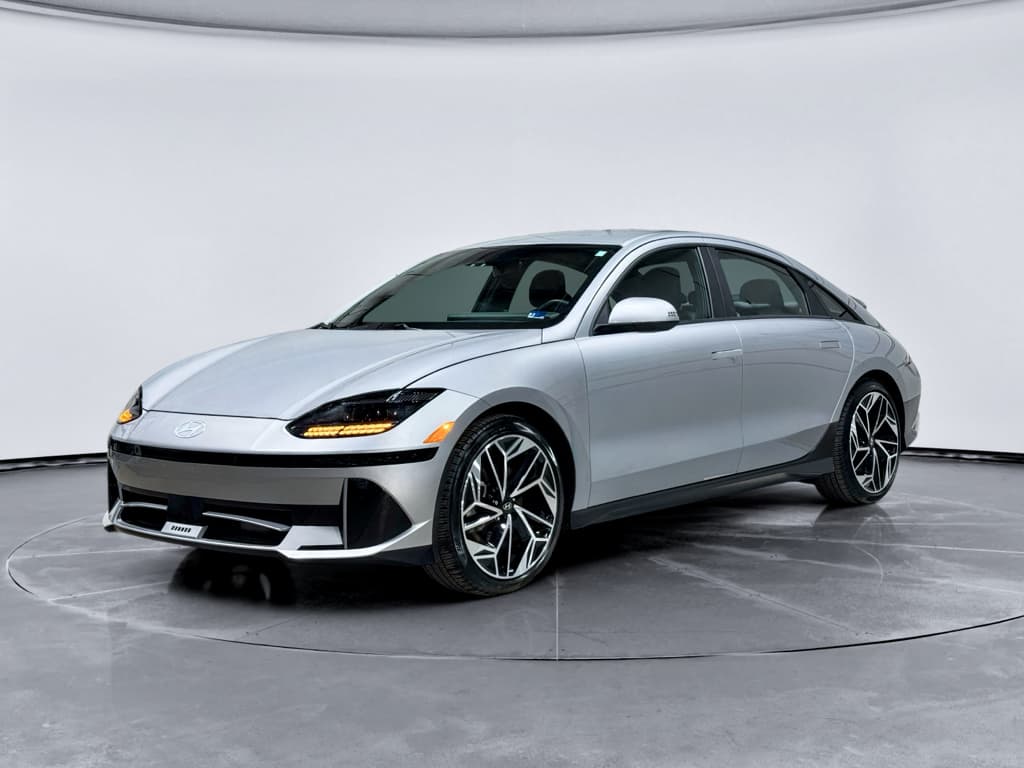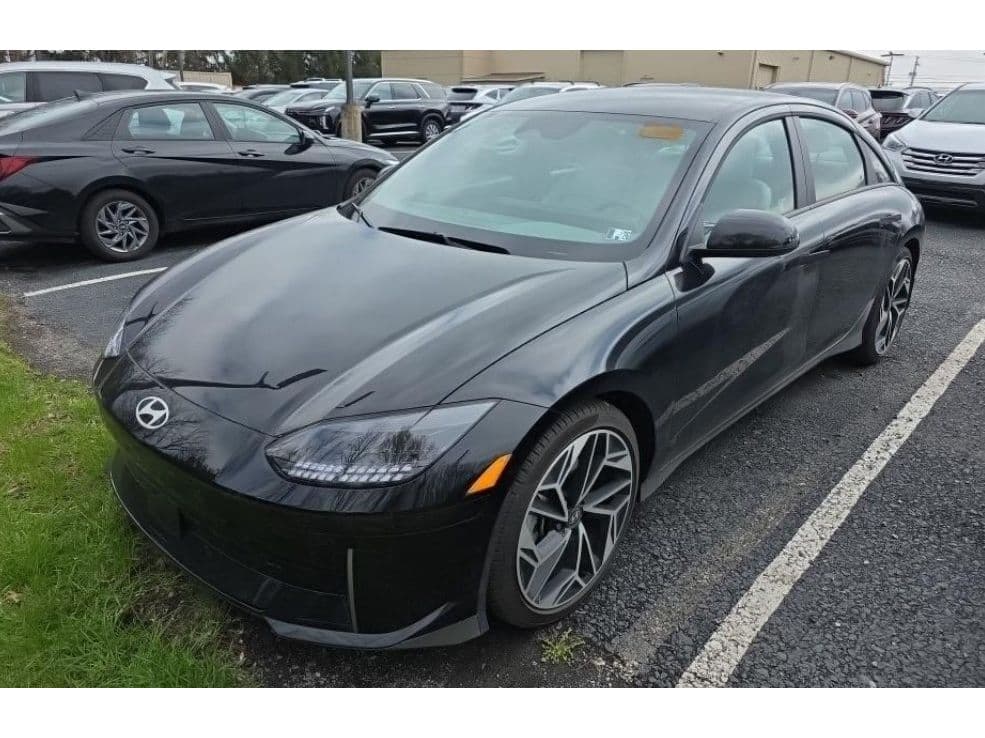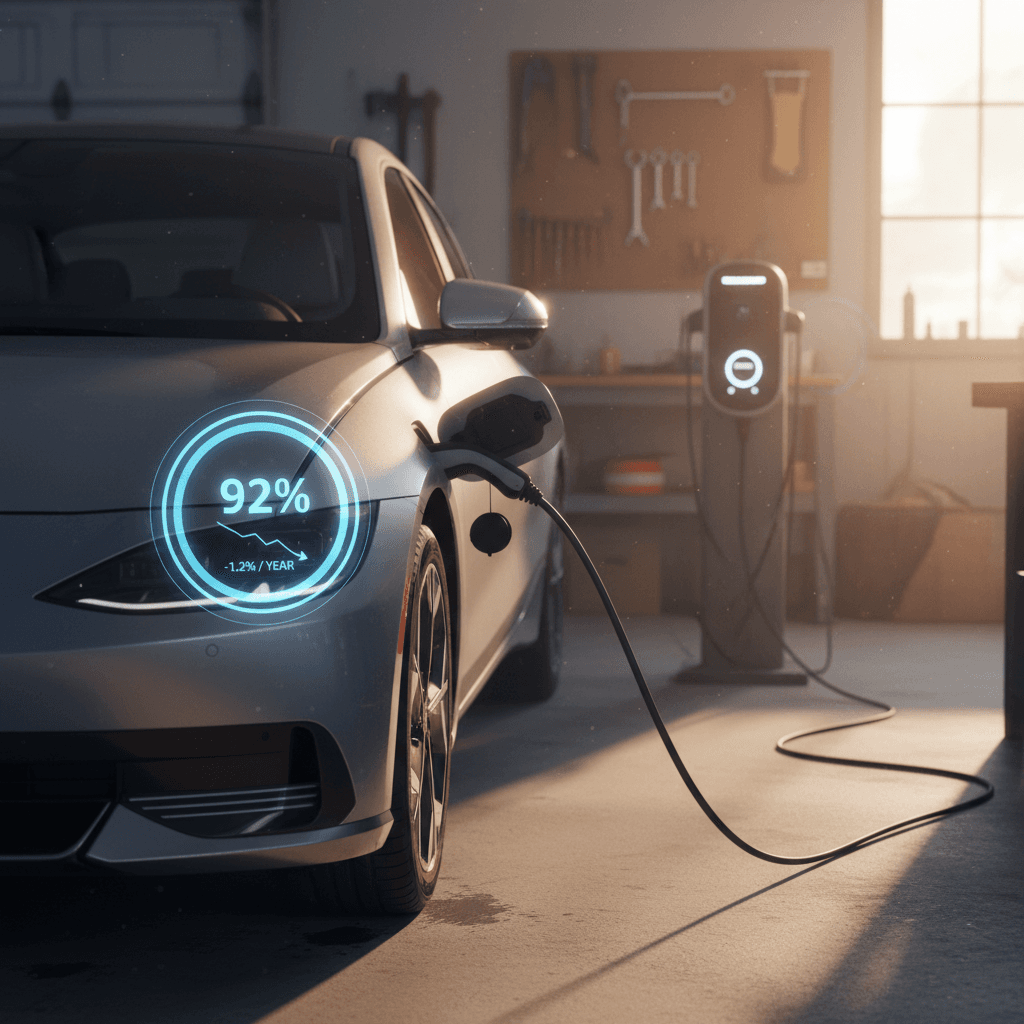
If you’re shopping for a Hyundai Ioniq 6, or already own one, the big question is obvious: how fast will the battery degrade per year? Battery health doesn’t just decide how far you can go on a charge; it quietly sets the value of every used Ioniq 6 on the market. The good news is that early real‑world data and Hyundai’s warranty both point to a pack that’s aging slowly, as long as you treat it well.
Quick takeaway
Hyundai Ioniq 6 battery basics
Main pack options
- Standard Range: ~53–63 kWh gross, rear‑wheel drive only (availability depends on market).
- Long Range: 77.4 kWh gross (about 74 kWh usable), offered in RWD and AWD trims.
- All versions use Hyundai’s E‑GMP 800‑V architecture, shared with the Ioniq 5 and Kia EV6.
Why this matters for degradation
- The E‑GMP pack uses a modern li‑ion polymer chemistry with liquid cooling.
- Hyundai built in a buffer top and bottom, so you never truly charge from 0–100% of the cells.
- The 800‑V system allows very fast DC charging while minimizing heat, critical for long‑term health.
Think in “State of Health,” not just range
Early Ioniq 6 battery health snapshot
What we know so far about Ioniq 6 battery degradation per year
The Hyundai Ioniq 6 is still young, U.S. deliveries started in 2023, so we don’t have decade‑long studies yet. But we can combine three things to get a realistic picture of battery degradation per year:
- Real‑world owner reports from Ioniq 6 and closely related E‑GMP models (Ioniq 5, Kia EV6).
- Hyundai’s warranty language, which effectively defines what counts as “too much” degradation.
- What we know about modern liquid‑cooled EV packs in the 70–80 kWh range.
Owners who track SOH with OBD‑II dongles and apps are posting some encouraging numbers. Many Ioniq 6 drivers at roughly 10,000–30,000 miles and 1–2 years of use are still seeing 98–100% SOH, sometimes even a readout that still shows 100% after a year of commuting and road trips. A few higher‑mileage E‑GMP examples (2–3 years, 60,000–75,000 miles) report around 1–4% total capacity loss, again pointing to a roughly low‑single‑digit percentage per year in the early life of the pack.
Important reality check
How much Ioniq 6 range loss to expect over time
To translate all this into something useful, let’s look at what you might expect in practical terms if you buy a new or used Hyundai Ioniq 6 today. Below is a rough, realistic scenario for an owner who drives 10,000–12,000 miles per year, uses DC fast charging occasionally, and lives in a moderate U.S. climate.
Hyundai Ioniq 6: plausible battery degradation timeline
Approximate, real‑world expectations for a well‑cared‑for Ioniq 6. These are not official Hyundai guarantees.
| Vehicle age | Odometer | Estimated SOH | Real‑world impact on range* |
|---|---|---|---|
| Year 1 | 10,000–15,000 miles | 98–100% | Range feels essentially the same as new; any loss is hard to notice day‑to‑day. |
| Year 3 | 30,000–40,000 miles | 94–97% | A few miles less per charge on the highway; around town it still feels very close to new. |
| Year 5 | 50,000–70,000 miles | 90–95% | You might notice 10–20 fewer miles of highway range vs. new on the long‑range pack. |
| Year 8 | 80,000–100,000 miles | 80–90% | Still usable for most commutes, but long winter highway trips may require an extra fast‑charge stop. |
| Year 10 | 100,000+ miles | 70–85% | Near the lower end of Hyundai’s warranty expectations; still serviceable but you plan charging stops more carefully. |
Assumes normal use: mostly AC charging, occasional DC fast‑charging, and moderate climate.
About those numbers
Hyundai’s battery warranty and what it really means
In the U.S., the Hyundai Ioniq 6 high‑voltage battery comes with a 10‑year / 100,000‑mile warranty against defects and excessive capacity loss. In practice, Hyundai structures this around keeping the pack above roughly 70% of its original capacity over that period. That’s the floor, the point where Hyundai considers the degradation abnormal enough to step in.
- If your pack drops significantly below ~70% SOH before 10 years/100,000 miles under normal use, you may have a warranty claim.
- If your pack is at 75–85% after a decade of hard driving in hot weather, Hyundai will likely consider that normal wear.
- The warranty doesn’t cover every possible range complaint; it’s about capacity, not whether your winter highway trip is convenient.
Why this warranty is a confidence signal
5 factors that speed up Ioniq 6 battery degradation
Every lithium‑ion pack ages, but how you use and store your Ioniq 6 can move you toward the gentle end of the curve, or the steep one. Here are the big five culprits that drive battery degradation per year.
Top battery stressors for the Hyundai Ioniq 6
All EVs are affected by these, E‑GMP included.
1. Heat
2. Frequent DC fast charging
3. Sitting at 100% charge
4. Deep discharge
5. Aggressive driving & heavy loads
Bonus: Time itself
How to slow Hyundai Ioniq 6 battery degradation
You don’t need to obsess over every kilowatt‑hour to keep your Ioniq 6 healthy. A few simple habits can meaningfully reduce battery degradation per year without turning you into a chemistry professor.
Simple habits that protect your Ioniq 6 battery
1. Use a daily charge limit
In the Ioniq 6’s charging menu, set a <strong>daily limit around 70–80%</strong> for routine driving. Only bump it to 100% right before a road trip or long day of errands.
2. Prefer Level 2 at home
Make AC charging your default. A 240‑V Level 2 charger at home is gentler on the pack than relying on rapid DC stations. It also lets the battery warm or cool more gradually.
3. Avoid sitting full or empty
Try not to leave the car parked at <strong>very high or very low state of charge</strong> for days. If you’re flying out of town, parking at ~50–60% is a smart compromise.
4. Mind the heat
Whenever possible, park in a garage or shade, especially in hot climates. If you can choose between a blazing asphalt lot and a shaded deck, your battery will thank you.
5. Space out DC fast charges
On a road trip, it’s fine to hit several DC fast chargers in a day. At home, though, reserve DC fast charging for when you really need it, new job, new baby, surprise detour, not as your daily fill‑up.
6. Keep software up to date
Hyundai occasionally refines battery management and charging behavior through software updates. Staying current makes sure you’re benefiting from the latest thermal and charging logic.
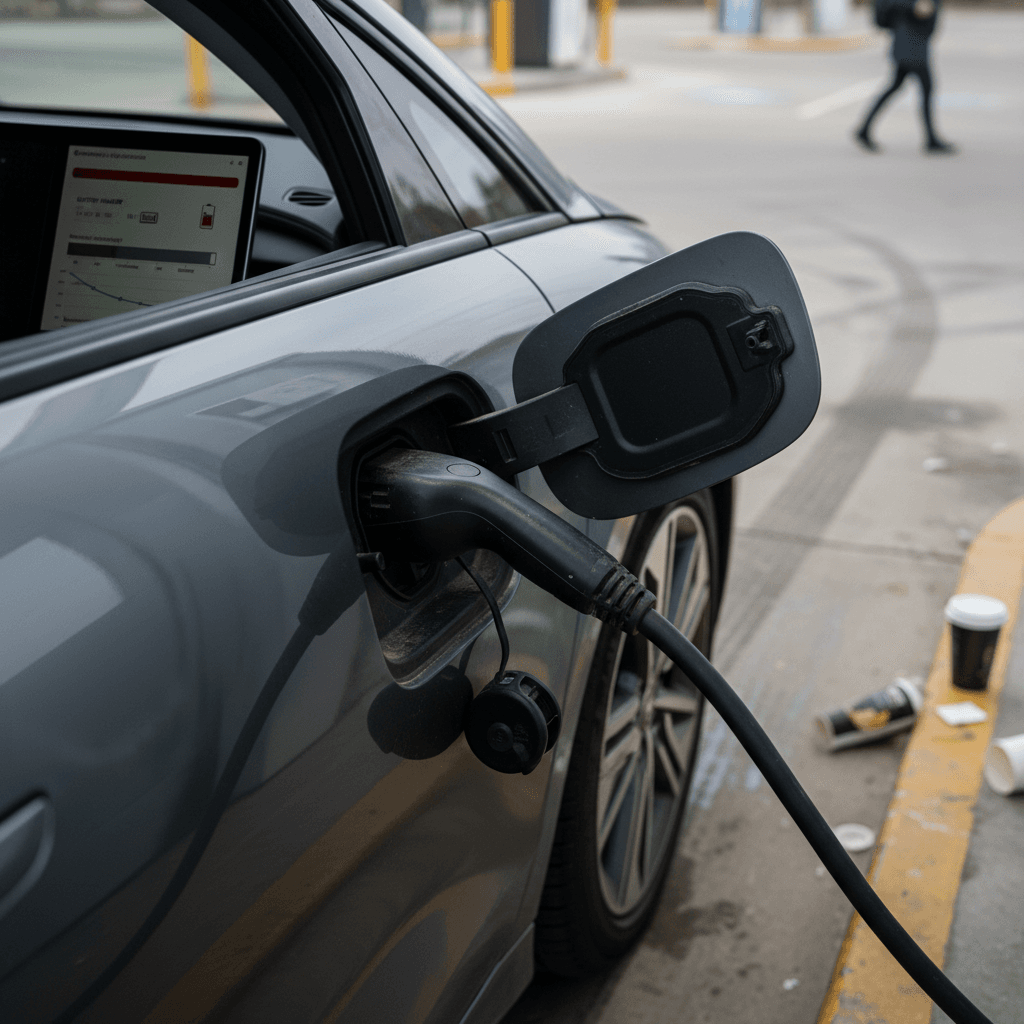
Used Hyundai Ioniq 6 battery health checklist
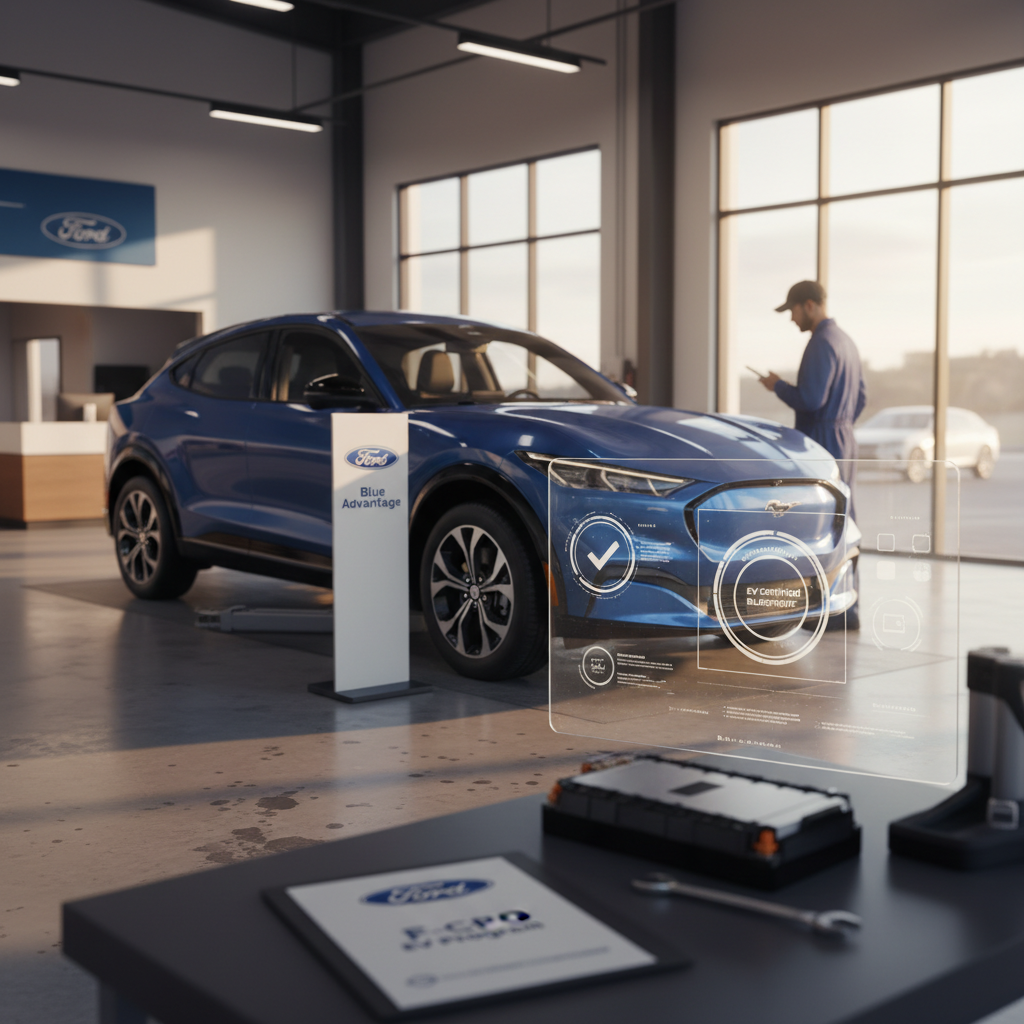
If you’re looking at a used Ioniq 6, battery health should sit right next to price, trim, and color on your must‑check list. This is where a platform like Recharged can remove the guesswork: every EV we list comes with a Recharged Score Report that verifies battery health and fair pricing, so you’re not buying blind. If you’re shopping elsewhere, use this checklist as your playbook.
Battery questions to ask before buying a used Ioniq 6
1. Ask for recent range figures
Have the seller show you a <strong>full‑to‑low highway trip</strong> or a recent photo of range at 100% charge. Compare that to original EPA estimates for that trim. Big gaps (especially on a young car) deserve more digging.
2. Check odometer and use pattern
A 25,000‑mile Ioniq 6 that commuted on Level 2 is a different story than a 25,000‑mile rideshare car that lived on DC fast chargers. Ask about <strong>charging habits and climate</strong> (desert, snowbelt, coastal, etc.).
3. Look for battery diagnostics
Some sellers can share SOH or remaining capacity using dealer tools or third‑party apps. Treat any exact number cautiously (methods vary), but a reading in the mid‑ to high‑90s for a low‑mileage car is a good sign.
4. Verify remaining battery warranty
Check the in‑service date and make sure the <strong>10‑year/100,000‑mile battery warranty</strong> is still in effect. A 3‑year‑old Ioniq 6 can still have seven years of battery coverage left, real peace of mind on a used car.
5. Test drive for charging behavior
On your test drive, stop at a Level 3 DC fast charger if possible. A healthy pack should ramp up quickly and deliver charging speeds that roughly match Hyundai’s published curves for your trim and conditions.
6. Consider an independent EV inspection
If you’re serious, a third‑party EV specialist, or a marketplace like <strong>Recharged</strong> that already runs a high‑voltage battery health check, can provide a <strong>formal report</strong> instead of guesswork.
How the Ioniq 6 compares to other EVs on degradation
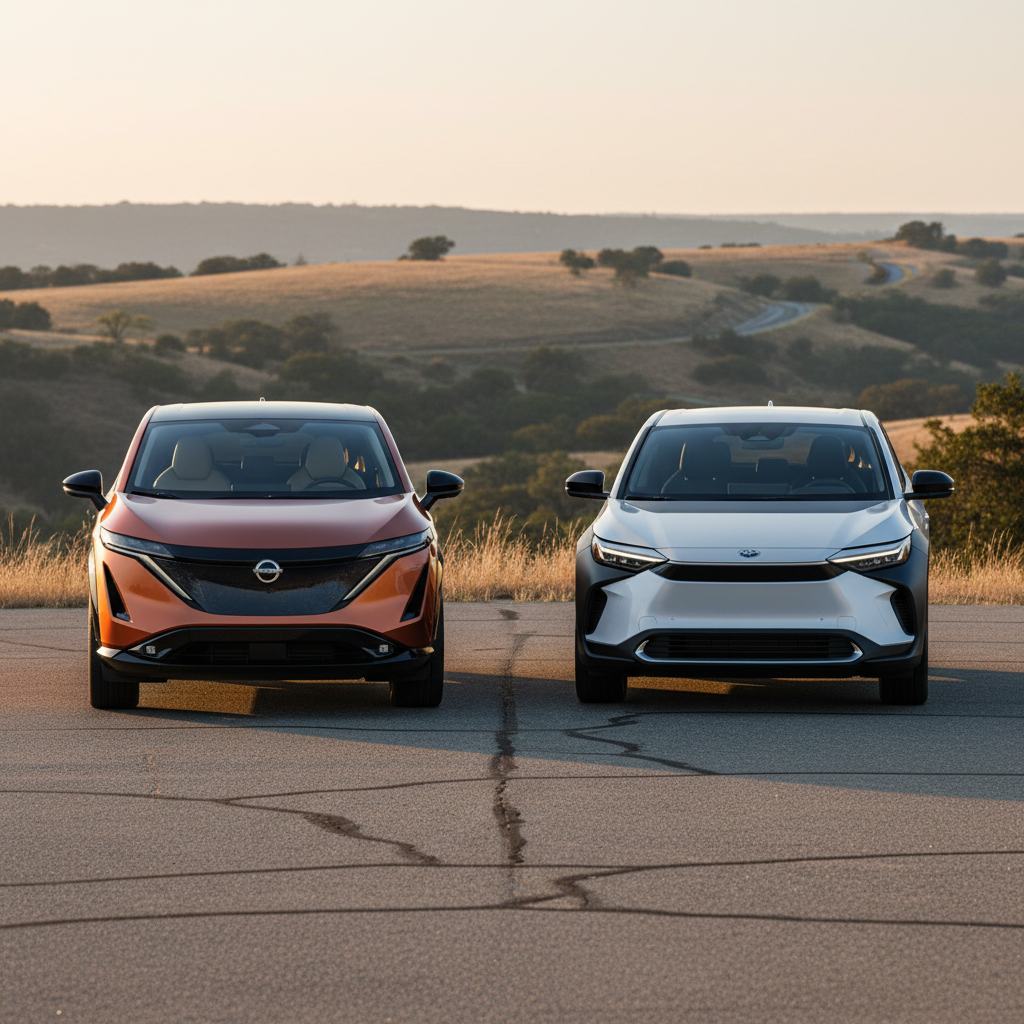
The Ioniq 6 doesn’t live in a vacuum. If you’re cross‑shopping a Tesla Model 3, Polestar 2, Kia EV6, or Ioniq 5, you’re probably wondering where Hyundai lands on the battery‑health spectrum.
E‑GMP vs. other modern packs
- So far, E‑GMP cars (Ioniq 5/6, EV6) show similar or better early‑life degradation compared with many 70–80 kWh competitors.
- That lines up with their liquid‑cooled, high‑voltage architecture and conservative usable‑capacity buffers.
- Real‑world owner data across brands clusters around 1–3% capacity loss per year in the early years for well‑cared‑for packs.
Where the Ioniq 6 stands out
- Hyundai’s 10‑year battery warranty is more generous than several rivals’ 8‑year terms.
- The 800‑V system allows extremely fast charging while keeping cable currents lower, helping manage heat.
- For used‑car shoppers, this combination of strong warranty + gentle real‑world loss so far is good news for long‑term ownership and resale value.
Watch out for abuse cases
Hyundai Ioniq 6 battery degradation FAQ
Frequently asked questions about Ioniq 6 battery degradation per year
Bottom line: Should you worry about Ioniq 6 battery degradation?
If you’re eyeing a Hyundai Ioniq 6, the story on battery degradation per year is, so far, quietly reassuring. The combination of a modern liquid‑cooled 800‑V pack, a generous 10‑year battery warranty, and encouraging early‑owner data all point in the same direction: under normal use, you’re likely looking at low‑single‑digit percentage loss per year, not some dramatic cliff.
That doesn’t mean every used Ioniq 6 is automatically a winner. Climate, charging habits, mileage, and prior ownership all matter. This is exactly why Recharged exists, to surface what actually counts on a used EV, especially the battery. Every Ioniq 6 we list includes a Recharged Score Report with verified battery health, fair market pricing, and EV‑specialist guidance, so you can buy based on real data instead of gut feel.
Treat the pack with a bit of care, keep your expectations anchored in the numbers, and the Ioniq 6 should give you years of useful range with less drama than you might fear. And if you’re ready to shop, starting with cars that already have a trusted battery health report is the smartest way to make that confidence more than just a hunch.