If you’re asking, “What is my Mercedes EQS worth?” you’re not alone. The EQS is one of the most luxurious EVs on the road, and also one of the fastest‑depreciating. In 2026, used buyers are getting deals, while owners are trying to make smart decisions about selling, trading, or holding. This guide walks you through what your EQS is likely worth today and how to squeeze the most out of it when you sell.
Quick answer
How much is my Mercedes EQS worth today?
Snapshot of current Mercedes EQS values (U.S.)
Those numbers are directional, not a quote for your specific car. But they illustrate the core reality: an EQS that started around $100,000 new can be worth roughly $40,000–$55,000 only a few years later, depending on condition and trim. EQS SUVs, which launched later and often carry higher MSRPs, typically sit above comparable sedans of the same year.
Important context
Why the Mercedes EQS depreciates so fast
The EQS has become a poster child for aggressive depreciation. Early studies found that the EQS lost roughly 48–49% of its value in the first year alone, or about $65,000 off the average new transaction price. Later data shows the curve flattening after year two, but it’s still one of the steepest drops in the luxury segment.
Key reasons your EQS lost so much value
Understanding the “why” helps you price and position it smartly when you sell.
Ultra‑premium price point
The EQS launched with six‑figure MSRPs in a niche segment. There are simply fewer buyers for used $80,000 EVs than for $30,000 crossovers, so discounts grow quickly to clear inventory.
Fast‑moving EV tech
Range, charging speed, and software improve every model year. That makes a 2‑ or 3‑year‑old EQS look older, faster than a comparable gas S‑Class or E‑Class.
Battery & warranty anxiety
Used shoppers worry about long‑term battery life and replacement costs. Even though EQS packs are designed to last, perception risk pushes prices down.
Aggressive lease & discounting new
Heavy incentives on new EQ models and periodic price cuts reset the ceiling on what a used EQS can reasonably fetch.
Narrow buyer pool
Many luxury EV shoppers prefer to lease or flip frequently, which floods the used market with low‑mileage EQS inventory.
Competition from Tesla & Porsche
Buyers cross‑shop Model S, Taycan, and others. Brand‑loyal EV shoppers often default to Tesla’s network or Porsche’s image, forcing EQS prices to be more attractive.
The upside for you as a seller
Real-world EQS prices: sedan vs SUV
Typical 2026 used EQS price bands (U.S., retail asking prices)
Approximate ranges based on recent nationwide listings for average‑mileage, clean‑title vehicles. Your local market may be higher or lower.
| Model / Trim | Model years (typical) | Mileage band | Rough asking‑price range |
|---|---|---|---|
| EQS 450+ sedan | 2022–2023 | 20k–40k miles | $38,000 – $52,000 |
| EQS 580 4MATIC sedan | 2022–2023 | 20k–40k miles | $45,000 – $60,000 |
| AMG EQS sedan | 2022–2023 | 15k–35k miles | $55,000 – $75,000 |
| EQS 450 4MATIC SUV | 2023–2024 | 10k–30k miles | $65,000 – $85,000 |
| EQS 580 SUV | 2023–2024 | 10k–30k miles | $70,000 – $90,000 |
| Older / high‑mileage EQS sedan | 2022–2023 | 40k–60k+ miles | Low‑$30,000s to low‑$40,000s |
Use this as a starting point, then refine based on your VIN, mileage, options, and battery health.
Retail vs. trade‑in
7 factors that change your EQS’s value
- Model year & trim: A 2024 EQS 580 SUV will be worth substantially more than a 2022 EQS 450+ sedan with similar miles.
- Mileage: EQS buyers are particularly sensitive once they see **40,000+ miles** on the odometer.
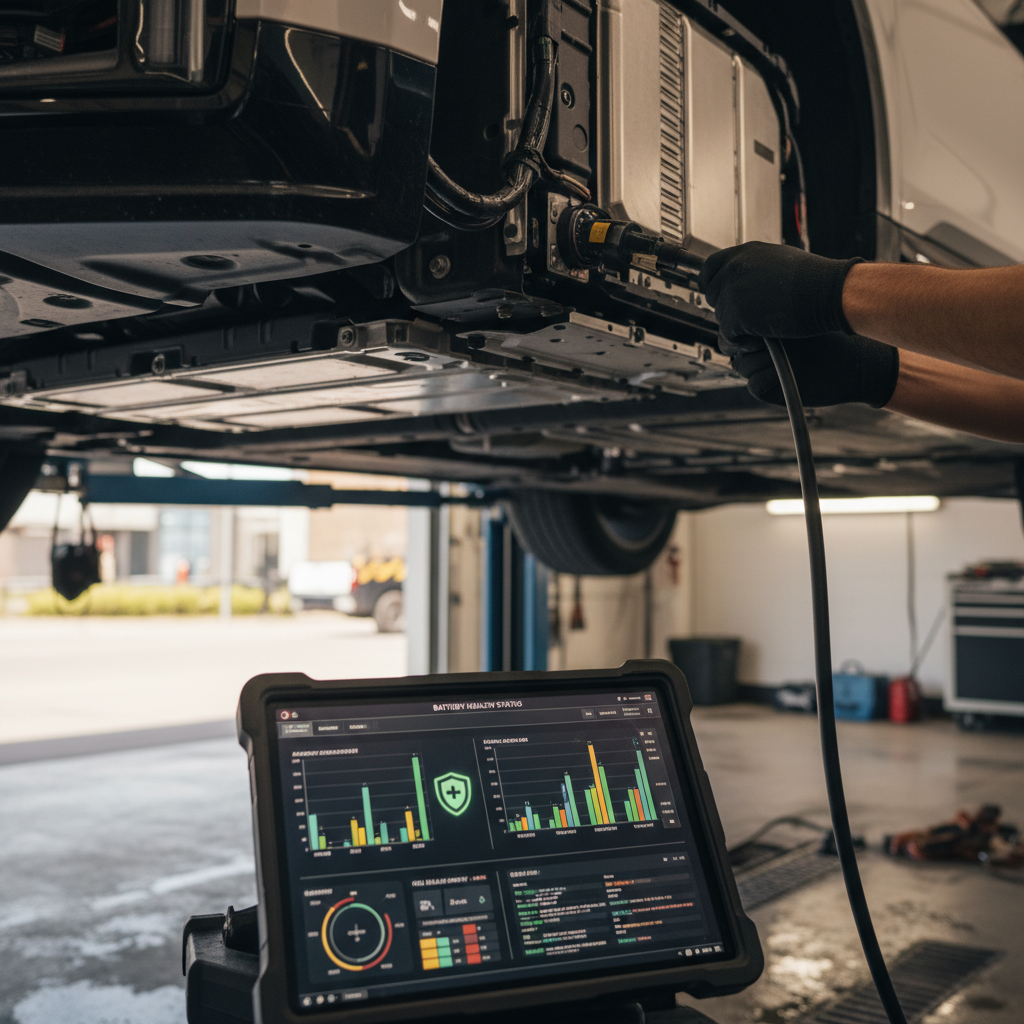
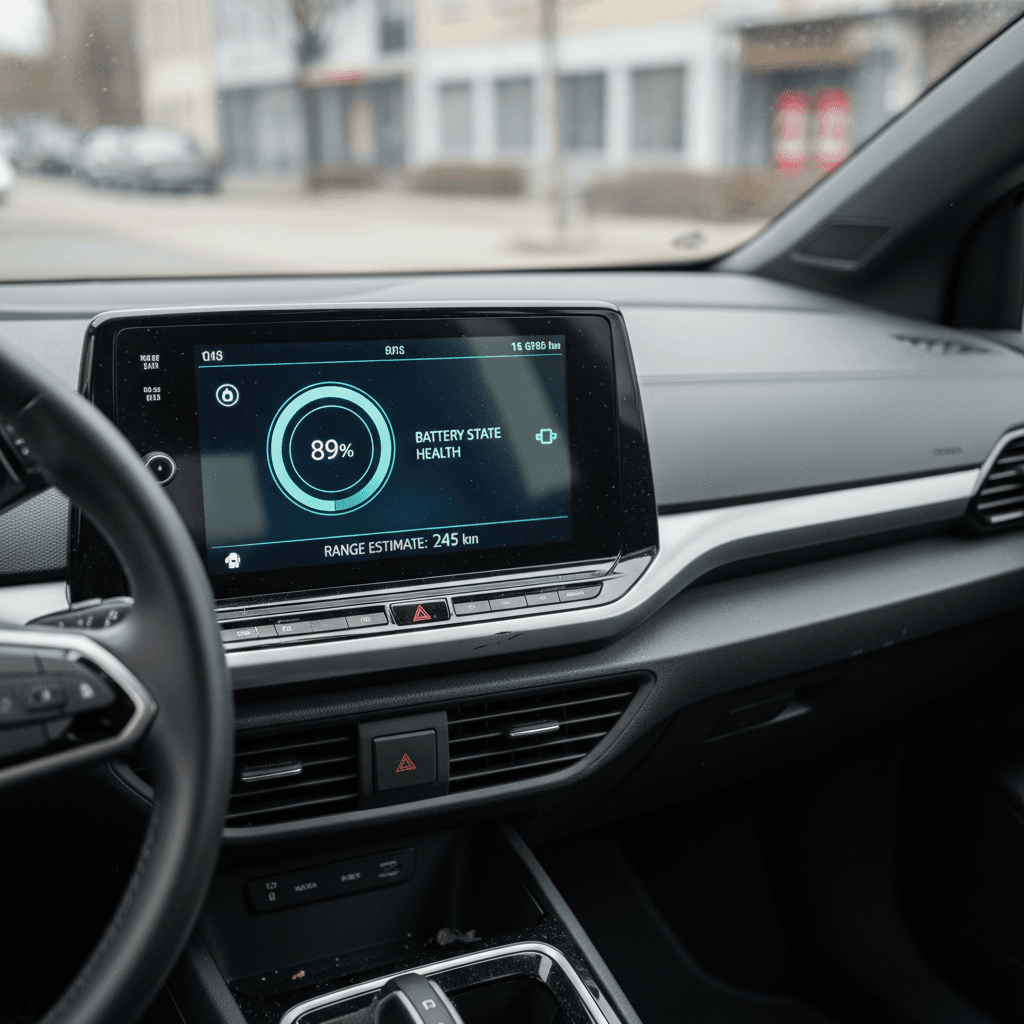
- Battery health: A strong state of health (SoH) score can boost value; signs of degradation or DC‑fast‑charging abuse can knock it down.
- Options & packages: Executive rear seating, Hyperscreen, AMG Line packages, and premium wheels help, but rarely dollar‑for‑dollar.
- Accident & service history: Clean Carfax and regular dealer or specialist service records make your EQS easier to sell at the top of its range.
- Market timing: Luxury EV demand has been choppy. When new EQ inventory stacks up at dealers, **used offers soften** as well.
- Where you sell: Private‑party sale, instant‑cash offer, consignment, or trade‑in can each land at a different number. More on this below.
Battery health is your secret weapon
How to estimate your own EQS value in 10 minutes
You don’t need to be a remarketing analyst to get a realistic number. Here’s a practical process you can follow in one sitting to answer, “What is my Mercedes EQS worth right now?”
10‑minute DIY EQS valuation checklist
1. Gather your basics
Write down your VIN, trim (EQS 450+, EQS 580, AMG, SUV vs. sedan), current mileage, and key options like Hyperscreen or Executive Rear Package.
2. Pull your title & history
Confirm whether your EQS has a clean title and print any Carfax or AutoCheck reports you have. Note any accidents, paintwork, or major repairs.
3. Scan live listings
Search national used‑car sites for the same year, trim, and similar mileage. Focus on **actual advertised prices**, not just filters or “from” prices.
4. Check at least two valuation tools
Run your details through two big valuation guides (for example, one that skews toward retail, one toward trade‑in). Average their **trade‑in** numbers as a sanity check.
5. Adjust for condition
Be brutally honest. Stains, curb rash, chips in the glass, and overdue service all push you down from “clean” to “average” or “rough” money in a buyer’s eyes.
6. Factor in battery health
If you’ve never had a proper battery health scan, this is the moment. A clean battery report can be worth thousands on a high‑dollar EV like the EQS.
7. Decide how you’ll sell
Private sale, instant offer, trade‑in, or consignment will land at different price points. Private sale can yield the most but requires the most effort and risk.
Shortcut with a single report
Getting top dollar for your used EQS
Option 1: Trade in or take an instant offer
If you value speed and convenience, a trade‑in with a Mercedes dealer or an instant‑offer service may be your best bet. Expect these numbers to be **below retail** but above wholesale auction money if your EQS is clean and well‑equipped.
- Pros: Fast, simple, tax advantages when trading into another vehicle in many states.
- Cons: You’re leaving some money on the table compared with a well‑executed private sale.
Option 2: Sell privately or via consignment
Advertising your EQS yourself or using a consignment partner lets you **target retail buyers** who care more about specs and condition than auction‑lane averages.
- Pros: Highest potential sale price if you’re patient and prepared.
- Cons: More work, more tire‑kickers, and you carry the risk and logistics.
Where Recharged fits in
Should you sell your EQS now or wait?
Timing matters with a model that depreciates as aggressively as the EQS. The worst of the early free‑fall seems to be behind it, but values still trend down, not up, as newer, more efficient luxury EVs arrive and Mercedes shifts its strategy.
When it may make sense to hold vs. sell
Balance your financial picture with how you actually use the car.
Reasons to hold your EQS
- You bought used at today’s lower prices, so the worst depreciation is already “baked in.”
- You love the comfort and features and plan to keep it another 3–5 years.
- Your battery health is strong and you’re still under key warranty coverage.
- You’d have to finance a much more expensive replacement to feel like an upgrade.
Reasons to sell sooner
- You bought new and are staring at a **big gap between payoff and current value**.
- You rarely use the EQS’s capabilities and could live with a cheaper EV or PHEV.
- Your warranty window is closing and you’re nervous about out‑of‑pocket repairs.
- You want out before another round of EQ price cuts or incentives resets the market.
Watch your loan‑to‑value (LTV)
How Recharged values a used Mercedes EQS
Used EV values aren’t a simple “blue book” exercise anymore, especially for a six‑figure luxury model like the EQS. At Recharged, we combine traditional appraisal methods with EV‑specific data to land on transparent, defensible numbers that both buyers and sellers can live with.
Inside a Recharged EQS valuation
What goes into your Recharged Score Report and pricing recommendation.
1. Full vehicle & option decode
We decode your EQS’s VIN to capture trim, driveline, battery size, key packages, and original MSRP. That sets the baseline and avoids generic pricing that ignores expensive options.
2. Battery‑health diagnostics
Our Recharged Score includes verified battery state of health, fast‑charge history indicators, and range performance. A healthy pack can justify premium pricing versus “unknown” EQS listings.
3. Real‑time market & auction data
We layer in current listing data, recent auction results, and regional EV demand patterns instead of relying on stale quarterly guides.
4. Condition & reconditioning costs
Cosmetic and mechanical condition, open recalls, tires, brakes, and software updates all factor into what it will cost to deliver your EQS to the next owner in top shape.
5. Fair‑market price band
The result is a **transparent price band**: what your EQS should bring via instant offer, trade‑in, or retail sale. You see the logic before you choose your path.
6. Sale, trade‑in, or nationwide delivery
If you sell or trade through Recharged, we handle the digital paperwork, funding, and nationwide logistics, including pickup and delivery where available.
Ready to find your next EV?
Browse VehiclesThe Mercedes EQS has taken one of the hardest value hits of any modern luxury EV, but that doesn’t mean you’re powerless as an owner. By understanding how the market views your specific year, trim, mileage, and battery health, you can set realistic expectations, choose the right selling channel, and still come out with a fair result. Whether you decide to hold your EQS, trade it for something newer, or sell it outright, a data‑driven valuation is the best first step.