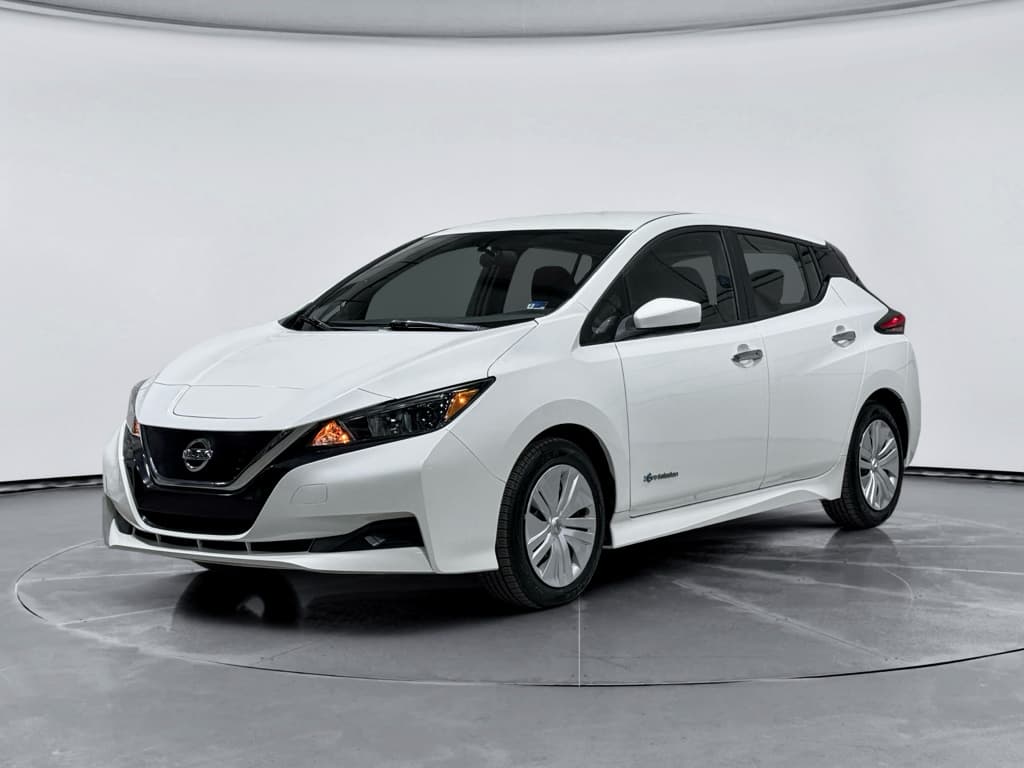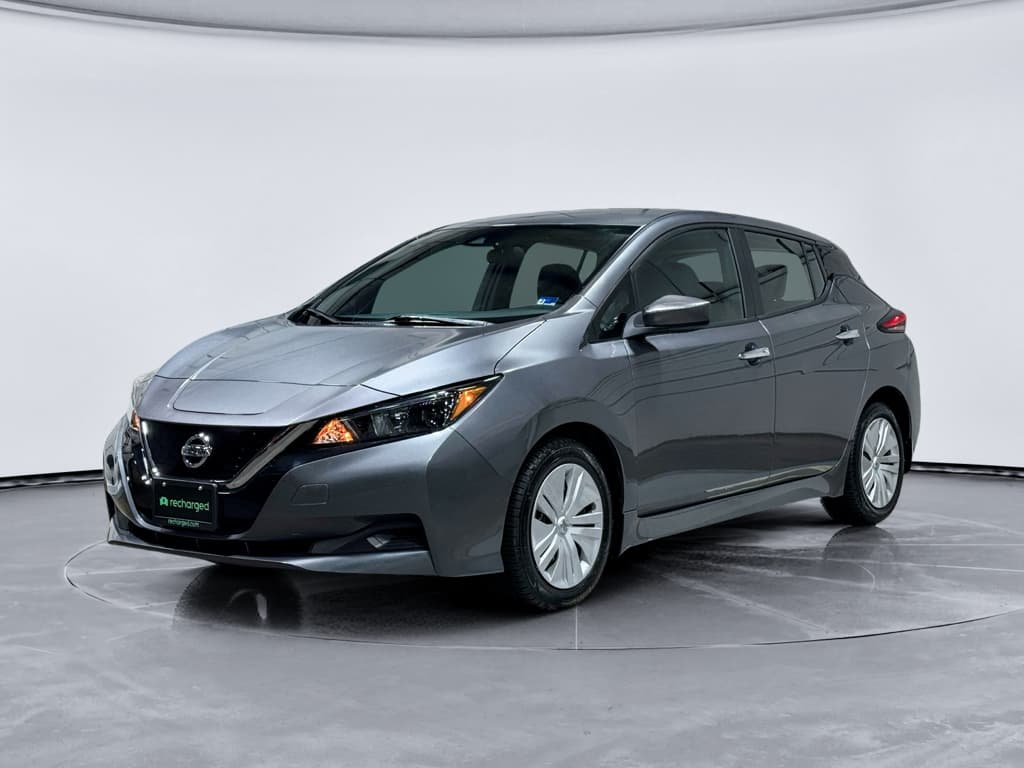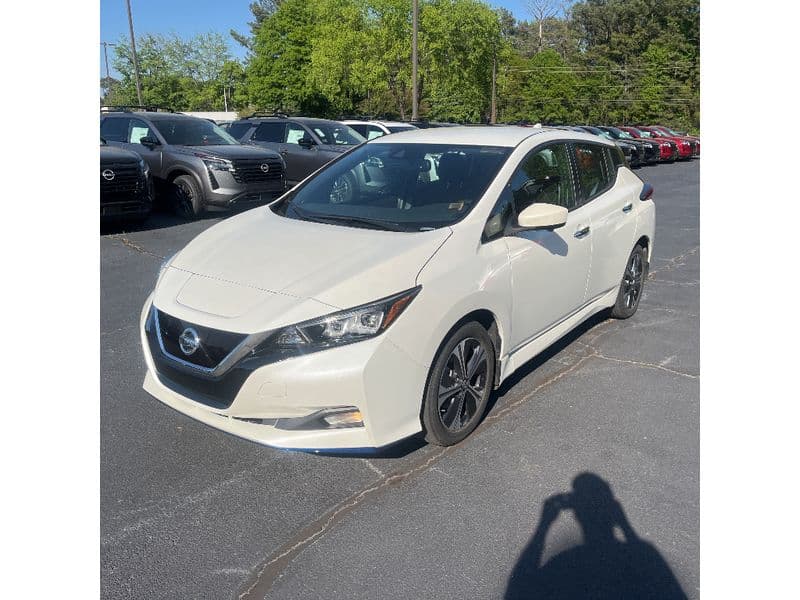
If you’re shopping for a **used Nissan Leaf**, the right financing rate can be the difference between a budget-friendly EV and a monthly payment that feels too close to a new car. Because the Leaf is inexpensive on the used market and has a unique battery story, lenders sometimes treat it differently than other used cars. This guide walks through what **used Nissan Leaf financing rates** look like in 2025–2026, what counts as a “good” APR by credit tier, and how to stack the odds in your favor.
Key takeaway on Leaf loan rates
Why used Nissan Leaf financing deserves special attention
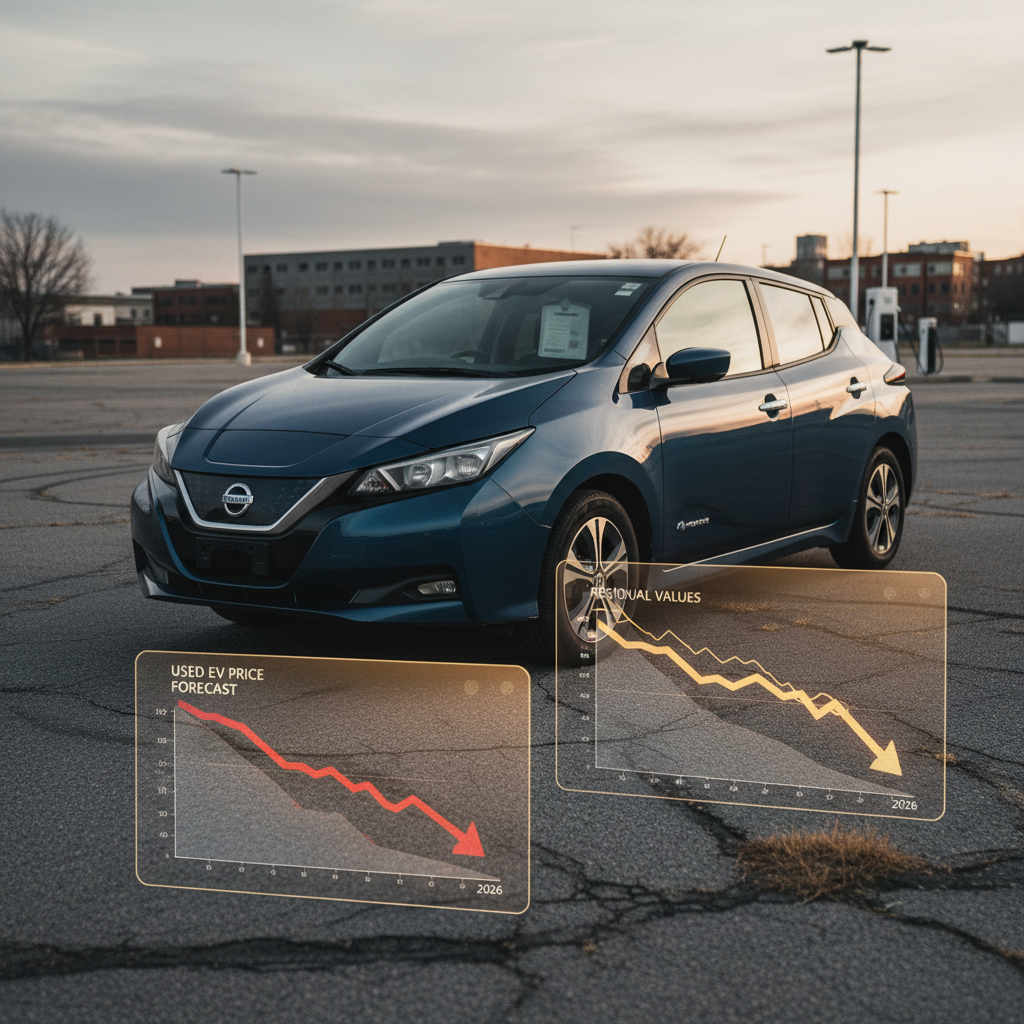
Financing a Leaf isn’t quite the same as financing a typical gas compact. The Leaf was one of the first mass-market EVs, and its **depreciation curve** is steeper than many newer electric models. Studies of five‑year value show the Leaf losing around 60–65% of its original MSRP after five years, noticeably more than the average car. That big drop is exactly why you can find 2018–2020 Leafs advertised in the mid‑$7,000 to low‑$11,000 range, but it also makes some lenders nervous.
On top of that, the Leaf’s early **24 kWh and 30 kWh batteries** aged faster than the newer 40 kWh and 62 kWh packs, so battery condition varies widely from car to car. A lender that understands EVs looks at model year, pack size, and verified health when deciding how aggressively to price the loan. One that doesn’t may simply label the Leaf as "older electric" and tighten terms or jack up the APR.
Why this matters for your rate
What are typical used Nissan Leaf financing rates today?
There’s no special nationwide "Leaf-only" rate sheet. Your **used Nissan Leaf financing rate** is built on general used‑car benchmarks, then adjusted for your credit profile, the lender and the vehicle itself.
Used-auto rate landscape for 2025–2026
In practical terms, that means if your credit is solid and you’re willing to shop around, especially at **credit unions or green‑loan programs**, you should be skeptical of any used Leaf offer in the double digits unless your credit file has clear red flags.
Check EV‑specific programs
How your credit score changes your Leaf APR
Lenders don’t care that you’re eyeing a Leaf as much as they care about **how likely you are to pay them back**. Here’s a realistic, simplified view of how credit tiers can translate into APR bands on a used Nissan Leaf in today’s market. These aren’t promised rates, just directional ranges you can use as a smell test.
Approximate used Nissan Leaf APR ranges by credit tier
Illustrative ranges for 48–60 month used Leaf loans in early 2025–2026. Actual offers vary by lender, region, and promotion.
| Credit tier (FICO) | Typical used Leaf APR range | Where you’ll usually find it | Notes |
|---|---|---|---|
| 800+ (elite) | ~5.0% – 7.0% | Credit unions, EV programs, large banks | Best borrowers with clean histories, modest debt, and strong income. |
| 740–799 (excellent) | ~6.0% – 8.5% | Most banks and credit unions | Still strong; EV‑friendly lenders may be at the low end. |
| 680–739 (good) | ~8.0% – 11.0% | Banks, captive lenders, online lenders | Biggest spread; shopping around matters most here. |
| 620–679 (fair) | ~11.0% – 15.0% | Franchise dealers, online lenders, some CUs | Loan structure, down payment and debt‑to‑income become critical. |
| <620 (poor) | ~15.0%+ | Subprime and non‑prime lenders | Expect higher rates, bigger down payments and shorter terms. |
Use these bands to judge whether your quote looks competitive for your situation.
Avoid payment‑only shopping
Example payments on a used Nissan Leaf
Because used Leafs are relatively affordable, even small swings in APR or term can change the math. Let’s assume you’re buying a 2019–2020 Leaf S or SV for **$12,000** before taxes and fees, and you put **$2,000 down**, financing $10,000.
Sample used Nissan Leaf payment scenarios
Illustrative payments on a $10,000 financed balance. These examples ignore taxes and fees and are rounded for simplicity.
| APR | Term | Approx. monthly payment | Total interest paid |
|---|---|---|---|
| 5.5% | 48 months | ~$233 | ~$1,180 |
| 7.5% | 60 months | ~$201 | ~$2,060 |
| 10.5% | 60 months | ~$215 | ~$2,900 |
| 14.0% | 60 months | ~$233 | ~$3,980 |
Use this table to gauge how much rate and term affect your monthly cost.
Notice how a 5.5% APR for four years yields nearly the **same monthly payment** as a 14% APR for five years, and yet the total interest cost at 14% is more than three times higher. That’s the hidden cost of a "cheap" monthly payment paired with a high rate and long term.
How this plays with Leaf pricing
Why some lenders price Leafs differently
Not every lender sees a 2018 Leaf the same way they see a 2018 Corolla. Two things stand out in their internal models: **battery health** and **resale value**.
- Depreciation: Market-tracking sites show the Leaf losing a larger share of its value over five years than many comparable gas cars or newer‑generation EVs. That makes conservative lenders wary of long terms or high loan‑to‑value (LTV) ratios.
- Battery uncertainty: Early 24–30 kWh cars in hot climates earned a reputation for faster degradation. Lenders who don’t distinguish those from newer 40–62 kWh Leafs may factor in extra risk across the entire model line.
- Market demand: The flip side is that bargain‑hunters love the Leaf. Affordable pricing and low running costs help support used demand, especially for 2018+ cars with the larger packs. Some lenders recognize that and price them more like any other mainstream compact.
Where Recharged’s battery data helps
How to get the best used Nissan Leaf rate
You can’t control the overall rate environment, but you can control how prepared you are when you walk into a dealership or apply online. Here’s a playbook tailored to **used Nissan Leaf financing rates**.
Steps to improve your used Nissan Leaf APR
1. Pull your credit reports in advance
Check all three bureaus for errors 30–60 days before you plan to buy. Dispute obvious mistakes and pay down high‑utilization credit cards if you can, both can move your score enough to drop you into a better rate tier.
2. Get pre‑approved with a credit union
Credit unions often post **lower used‑car APRs** than big banks and captive lenders, especially for green vehicles. A pre‑approval gives you a hard ceiling to compare any dealer‑arranged offers against.
3. Ask about EV or green‑vehicle discounts
When you talk to lenders, specifically ask if they have rate discounts for electric or environmentally friendly vehicles. Even a 0.25–0.50% cut adds up over a 60‑month term.
4. Choose the right Leaf year and battery
Prioritize 2018+ Leafs with 40 kWh or 62 kWh packs and documented battery health. Lenders are more comfortable with these, and Recharged’s battery reports help you demonstrate that the car is a lower risk.
5. Bring a meaningful down payment
Putting 10–20% down lowers the loan‑to‑value ratio and can persuade lenders to approve a better APR or longer term, especially if your credit is in the "good" but not "excellent" band.
6. Keep the term reasonable
It’s tempting to stretch to 72 months, but most used Leafs are older, lower‑priced vehicles. A **48–60 month term** generally strikes the best balance between an affordable payment and interest costs.
Compare “out the door” loan costs
Lease vs. loan vs. cash on a used Leaf
Most used Leafs will be **purchased with a traditional loan** or cash; used EV leases are still relatively rare. Because prices are low compared with newer EVs, many shoppers can realistically choose between a shorter-term loan and paying all cash. Each path has trade‑offs.
Traditional loan
- Spread cost over 3–5 years.
- Protects cash reserves for emergencies.
- Interest adds to total cost; rate shopping is critical.
Paying cash
- No interest or lender fees.
- Stronger negotiating position with some sellers.
- Ties up savings that could earn returns or be used elsewhere.
Personal/green loan
- Some credit unions offer **unsecured green loans** for EVs.
- Useful if title or collateral creates friction.
- Rates can be higher than secured auto loans; check terms carefully.
Watch for hidden extras
Using Recharged to simplify Leaf financing
Recharged was built around one idea: **make used EV ownership simple and transparent**. When you shop for a used Nissan Leaf on Recharged, every vehicle comes with a **Recharged Score Report** that shows verified battery health, fair‑market pricing, and a clear history check. That same data makes it easier to have productive conversations with lenders because you’re not guessing about pack condition or overpaying for the car itself.
You can browse inventory fully online, get **trade‑in or instant‑offer options** for your current vehicle, and line up **financing and paperwork digitally**, with expert EV specialists available to walk you through the numbers. If you’re near Richmond, VA, you can also visit the Recharged Experience Center, test‑drive a Leaf, and discuss loan structures and payment options in person before committing.
Let the financing work for the car, not against it
Ready to find your next EV?
Browse VehiclesFAQ: Used Nissan Leaf financing rates
Used Nissan Leaf financing: common questions
Used Nissan Leaf financing doesn’t have to be complicated. If you understand where **current used‑car rates** sit, how your credit score and loan structure influence APR, and why battery health matters to lenders, you can quickly spot whether an offer is fair or inflated. Combine that knowledge with a well‑priced Leaf that has verified battery health and a clear history, and you’re setting yourself up for one of the most affordable EV ownership experiences on the market. Whether you shop entirely online through Recharged or visit the Richmond Experience Center, taking a disciplined approach to **used Nissan Leaf financing rates** can keep both your payment and your long‑term costs firmly under control.